
Tokyo, the capital of Japan, is one of the largest and most complex cities in the world—and Tokyo transportation system is no exception. But don’t let the seemingly overwhelming network of trains, buses, and taxis scare you. With just a little knowledge and planning, you can navigate Tokyo like a pro and enjoy everything this dazzling metropolis has to offer.
This post breaks down Tokyo transportation methods, useful tips, and passes you should consider to save money and time during your stay.
Main Modes of Tokyo transportation
There are three main types of Tokyo transportation:
- Subways and Trains
- City Buses
- Taxis
Let’s dive into each of them.

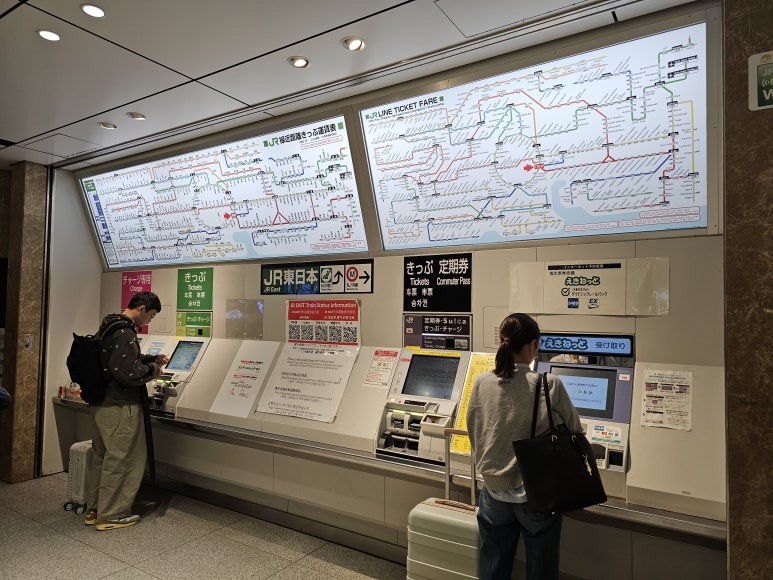
1. Subway and Train Systems
Tokyo’s rail network is extensive and includes two primary operators:
- Tokyo Metro
- Toei Subway
Combined, they operate 13 subway lines that cover most major neighborhoods and attractions.
Basic fare starts at 170 yen and increases based on distance, with a maximum around 400 yen. Note that fares may increase when transferring between different operators, even if you’re underground the whole time.
Here are some key train lines and stations travelers should know:
JR Yamanote Line (Green Line)
This loop line is Tokyo’s most important rail route, similar to Seoul’s Line 2. It connects major hubs like:
- Shinjuku – Shopping, Kabukicho, Shinjuku Gyoen
- Shibuya – Hachiko statue, Scramble Crossing
- Harajuku – Takeshita Street, Meiji Shrine
- Ueno – Museums, Ueno Zoo
- Akihabara – Electronics and anime culture
- Tokyo Station – Bullet trains and major transfers
- Ikebukuro – Shopping malls and Sunshine City
Tokyo Metro Ginza Line (Orange Line)
The oldest subway in Asia, the Ginza Line connects downtown Tokyo with tourist-favorite districts like:
- Shibuya – Transfers to Yamanote Line
- Omotesando – Upscale shopping
- Shimbashi – Salaryman nightlife
- Ginza – Luxury shopping and fine dining
- Asakusa – Senso-ji Temple and Tokyo Skytree nearby
Hibiya Line (Silver Line)
Running north to south through Tokyo, this line passes through:
- Nakameguro – Upscale residential neighborhood
- Ebisu – Home of Yebisu Beer Museum
- Roppongi – Tokyo’s nightlife district
- Tsukiji – Former famous fish market
- Hibiya – Historical Hibiya Park
2. City Buses
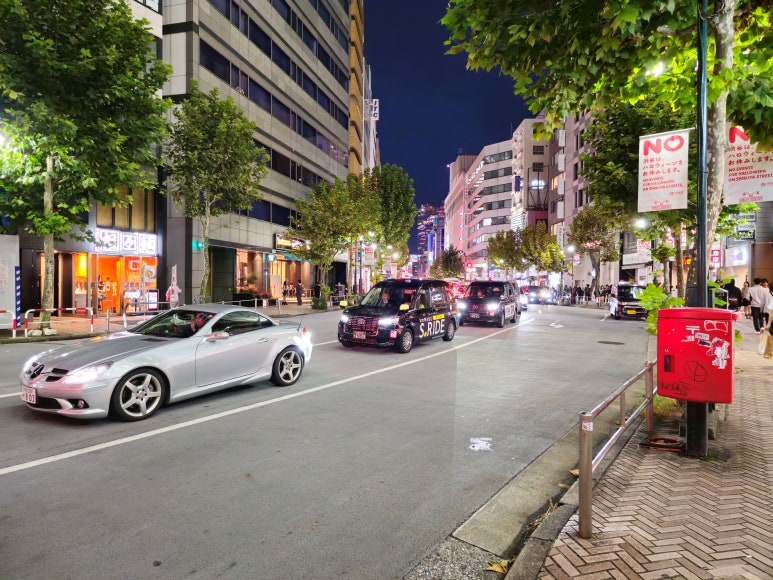
Tokyo’s bus network is especially helpful for reaching locations not covered by the subway. The fare is uniform at 210 yen for adults and 110 yen for children.
How to ride:
- In the city center, board at the front and exit at the back—just like in many cities.
- In suburban or rural areas, the boarding/exiting method may change depending on the fare system.
Buses are useful but may require some Japanese reading skills, so consider using Google Maps for real-time navigation help.
3. Taxis
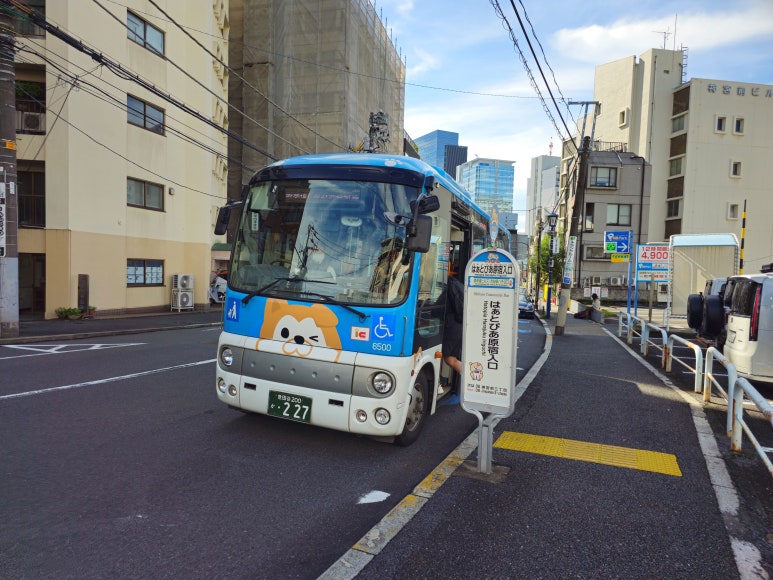
Taxis are clean, reliable, and safe—but expensive. Base fare typically starts at 420–520 yen and increases by distance. There’s also a 20% late-night surcharge after 10:00 PM.
Tips for taking taxis in Tokyo:
- The left rear door opens automatically—no need to touch it.
- Most drivers speak limited English, so prepare your destination in Japanese (or show it on Google Maps).
4. Ride-Sharing and Apps
Tokyo has limited use of Uber, but apps like GO (Japan Taxi) are widely used. For convenience, these services are great during late hours or if you’re carrying lots of luggage.
Tokyo Transportation Passes & IC Cards
1. Tokyo Metro Pass
Perfect for tourists, this pass allows unlimited rides on Tokyo Metro and Toei Subway lines:
- 24-Hour: 800 yen (adult) / 400 yen (child)
- 48-Hour: 1,200 yen / 600 yen
- 72-Hour: 1,500 yen / 750 yen
Where to buy:
You can purchase these online (via Klook, KKday) or at Tokyo Metro stations and airports. Note: JR lines like Yamanote are not included.
2. JR Tokyo Wide Pass
Covers JR East trains and some Shinkansen routes. Best if you plan day trips outside of Tokyo, such as Karuizawa or Nikko.
- Valid for 3 days
- Price: 10,180 yen (adult) / 5,090 yen (child)
Not recommended for city-only travel due to the high cost.
3. Greater Tokyo Pass
Covers local trains and buses across the Kanto region for 5 days.
- Price: 6,500 yen (adult)
Best for travelers exploring outside Tokyo—e.g., Yokohama, Kamakura, or Chiba.
4. IC Cards: Suica and Pasmo
Ideal for convenience. These rechargeable cards work on most trains, buses, and even vending machines.
- Deposit: 500 yen
- Can be topped up easily at station machines
Use Suica or Pasmo if you prefer pay-as-you-go or plan to use a mix of transport modes without a fixed itinerary.
Which Pass Should You Get?
- City-only travel (3–4 rides/day)?
→ Tokyo Metro Pass - Exploring suburbs or nearby cities like Nikko, Hakone?
→ JR Tokyo Wide Pass - Longer trips around Kanto Region (Yokohama, Kamakura)?
→ Greater Tokyo Pass - Unsure about your plans?
→ Get a Suica or Pasmo card
Final Thoughts
Tokyo may seem overwhelming at first, but Tokyo transportation system is clean, efficient, and highly reliable once you get the hang of it. With a good understanding of the major train lines and a suitable pass in hand, you can navigate Tokyo smoothly and spend more time enjoying the sights.
Plan ahead, pick the right ticket for your travel style, and you’ll be ready to explore one of the greatest cities in the world—hassle-free.
If you’re not familiar with Tokyo transportation system or would like more details, feel free to leave a comment—I’d be happy to help!
Tokyo Station Luggage Storage Guide, Travel Light, Explore More
“Tokyo Transportation Guide, Getting Around the World’s Busiest City”에 대한 2개의 생각