
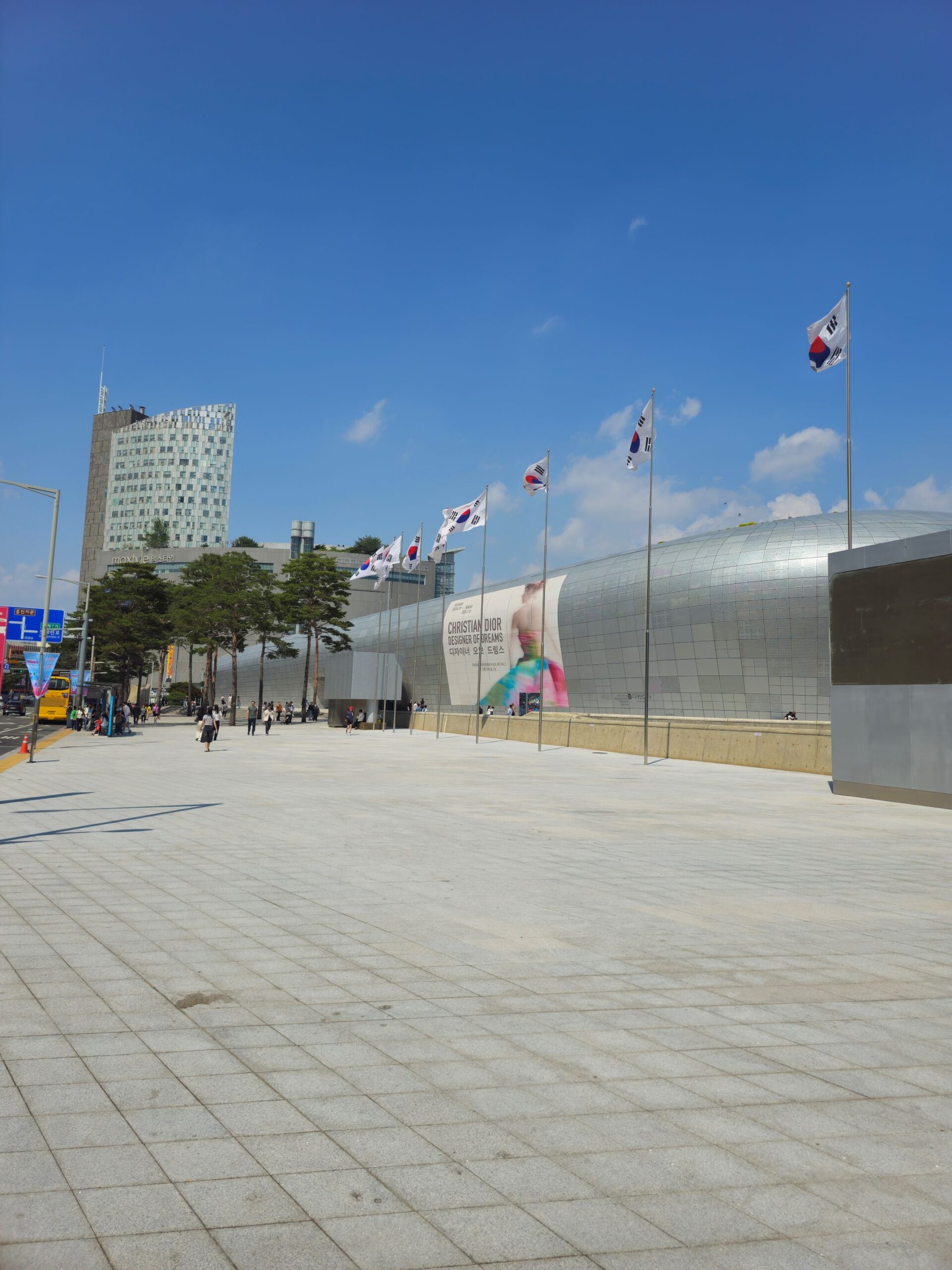
Nestled in the heart of Seoul’s dynamic Dongdaemun district, the Dongdaemun Design Plaza (DDP/동대문 디자인 플라자) is a landmark that blends futuristic architecture with rich cultural heritage. Since opening in 2014, this extraordinary structure has become a symbol of Seoul’s innovation and creative spirit. Designed by the late Pritzker Prize-winning architect Zaha Hadid, DDP is an epicenter of art, fashion, technology, and community, drawing millions of visitors each year.
From Baseball Field to Cultural Beacon
Before DDP transformed the skyline, the site was home to the beloved Dongdaemun Baseball Stadium—once known as the “holy ground of amateur baseball” in Korea. Established in 1959, the stadium hosted countless high school championships and was a training ground for future professional players. For decades, it was a place where locals gathered to cheer, celebrate, and build community. The decision to redevelop the site sparked both nostalgia and hope for a new cultural chapter. Today, DDP honors that legacy by continuing to bring people together through creativity and public engagement.
Zaha Hadid: The Visionary Behind the Design
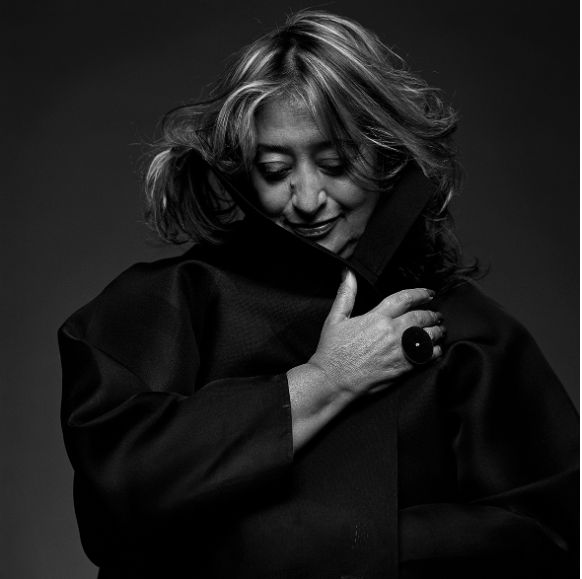
Born in Baghdad in 1950, Zaha Hadid was one of the most iconic and trailblazing architects of the 21st century. As the first woman to receive the prestigious Pritzker Architecture Prize in 2004, she revolutionized architectural design with her signature style of sweeping curves, fragmented geometry, and futuristic forms. Trained at the Architectural Association in London, Hadid was deeply influenced by Russian Constructivism, abstract painting, and the ideas of fluid movement and form.
Hadid’s architectural language often defied the straight line, opting instead for fluid, organic structures that felt alive and dynamic. Her notable works include the London Aquatics Centre, the Guangzhou Opera House, the Heydar Aliyev Center in Baku, and the MAXXI Museum in Rome. These projects showcase her ability to turn architectural concepts into experiences that engage and challenge.
DDP stands as a prime example of Hadid’s forward-thinking approach and her global legacy. Not only did she design a building, but she created a landscape—an architectural environment where innovation and tradition intersect. Her contribution to the field extended beyond form; she was a vocal advocate for women in architecture and a mentor to the next generation of designers. Her sudden passing in 2016 marked a great loss to the world of design, but her work lives on vibrantly in structures like DDP.
Architectural Wonder by Zaha Hadid
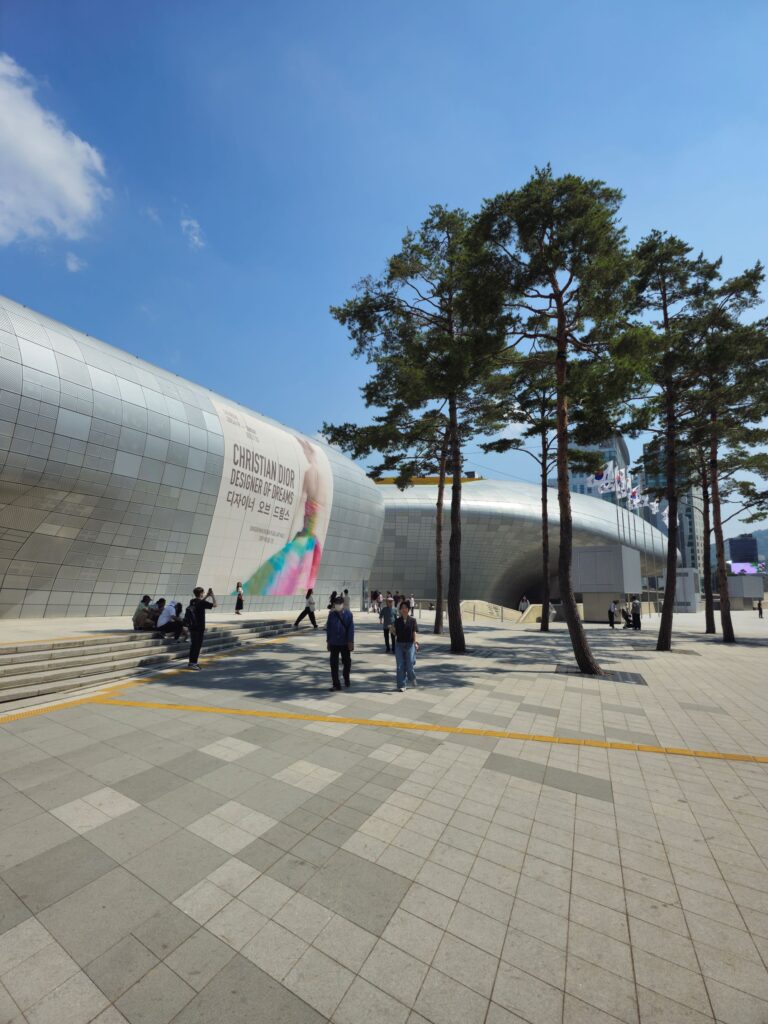
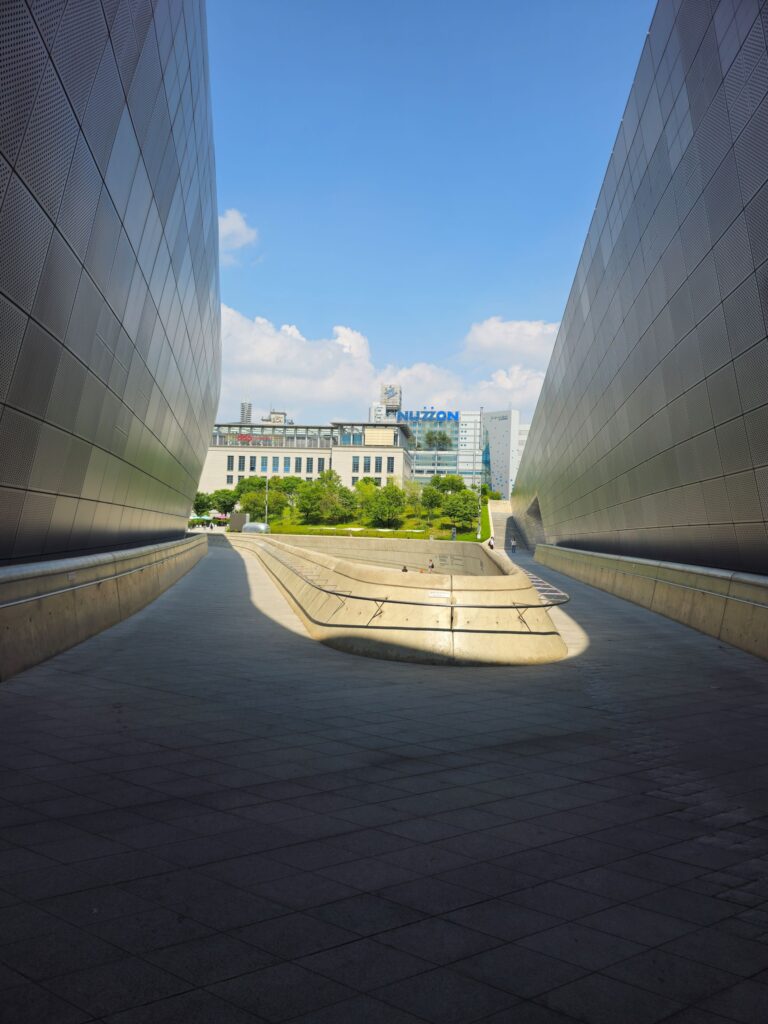
Zaha Hadid’s vision for DDP brought a flowing, seamless design that feels more like a sculpture than a building. The curvilinear structure—created using over 45,000 aluminum panels—resembles a spacecraft or fluid organism nestled within the urban fabric. The concept of “metonymic landscape” was applied to integrate architecture with environment, enabling visitors to experience the space from various elevations and perspectives. The building’s undulating surfaces and dynamic lighting effects change character throughout the day, offering an ever-evolving experience.
Inside, DDP houses multiple exhibition halls, seminar rooms, design studios, and open spaces for experimentation. Visitors can wander freely between the Art Hall, Design Lab, Museum, Oullim Square, and Design Market, each offering unique functions that support Korea’s flourishing creative industries. Whether you’re attending an exhibition or simply exploring, the building itself becomes an immersive experience.
A Vibrant Hub for Design, Art, and Innovation
DDP hosts a wide variety of events, including the biannual Seoul Fashion Week, international trade shows, design expos, and public lectures. These events have positioned DDP as a global platform for emerging and established talent across industries. Inside the Design Lab, visitors can find products from local startups and innovative creators, making it a perfect stop for those looking for one-of-a-kind items or gifts.
Art exhibitions range from experimental installations to retrospectives of globally renowned designers. The Design Museum and Design Archive preserve Korea’s design history and provide educational resources for researchers and enthusiasts alike. DDP also functions as a civic space, hosting community-driven festivals, family-friendly workshops, and student exhibitions that encourage participation from all generations.
Strategic Location and Comfortable Accommodations
Dongdaemun’s central location makes it an ideal base for exploring the city. The district is packed with reasonably priced hotels and boutique accommodations that appeal to international travelers. Hotels like JW Marriott Dongdaemun Square, Hotel Skypark Kingstown Dongdaemun, and Toyoko Inn provide clean, comfortable stays within walking distance of DDP and public transport. The neighborhood’s reputation for safety and convenience makes it particularly attractive for solo travelers and families alike.
Because Dongdaemun never really sleeps, visitors can enjoy early-morning markets, 24-hour convenience stores, and vibrant nightlife—all while staying close to their accommodations. From late-night food stalls to modern rooftop lounges, there’s something here for everyone.
A Shopper’s Paradise: Fashion Meets Function
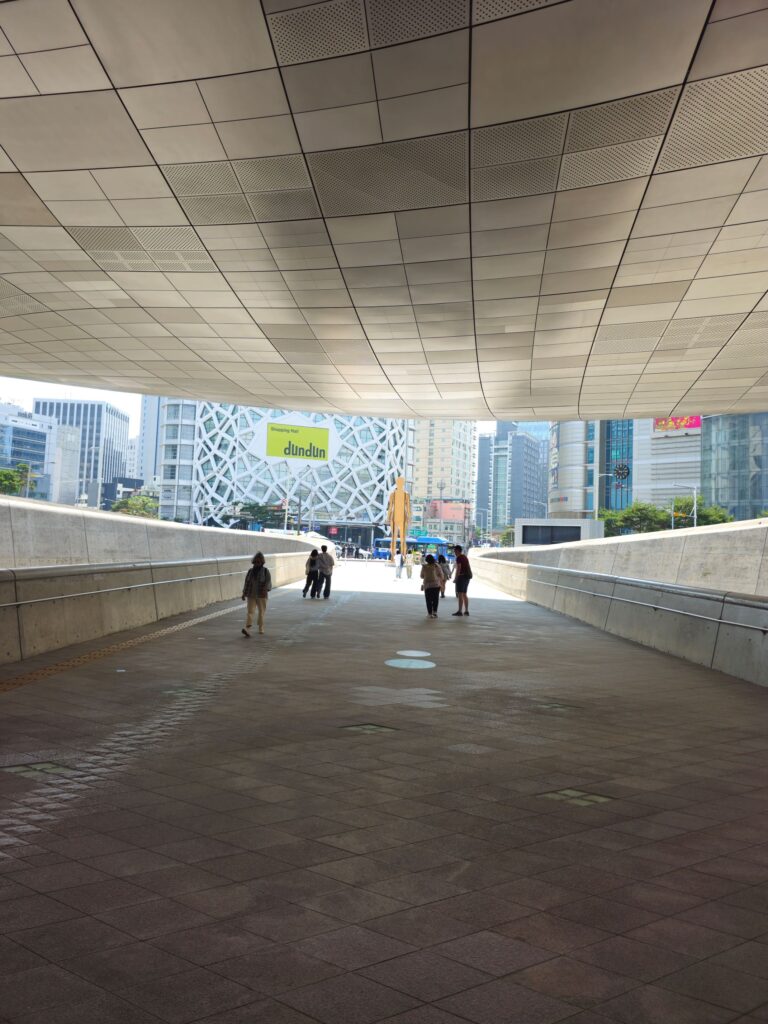
DDP’s location in one of Seoul’s most active shopping districts means you’re just steps away from Hello APM, Migliore, Doota Mall, and Goodmorning City—multi-story fashion emporiums offering Korean streetwear, cosmetics, accessories, and home goods. These malls are known for their extended hours and competitive prices, making them favorites among night owls and budget-conscious shoppers.
Beyond retail, DDP itself is home to design-themed shops that feature curated selections from Korea’s up-and-coming creators. From stationery to furniture, these shops are great for discovering design trends or picking up tasteful souvenirs. For international visitors, tax refund services are available in most nearby retail centers, adding even more appeal to the area.
Public Art and Nighttime Magic
One of the most enchanting aspects of DDP is how it transforms after sunset. The building’s LED lights create a dazzling nighttime spectacle that highlights its curves and contours. The plaza becomes a space of community gathering, where couples stroll, families picnic, and photographers capture the ever-changing lights. Seasonal events like the Seoul Light Festival and projection mapping shows draw locals and tourists alike.
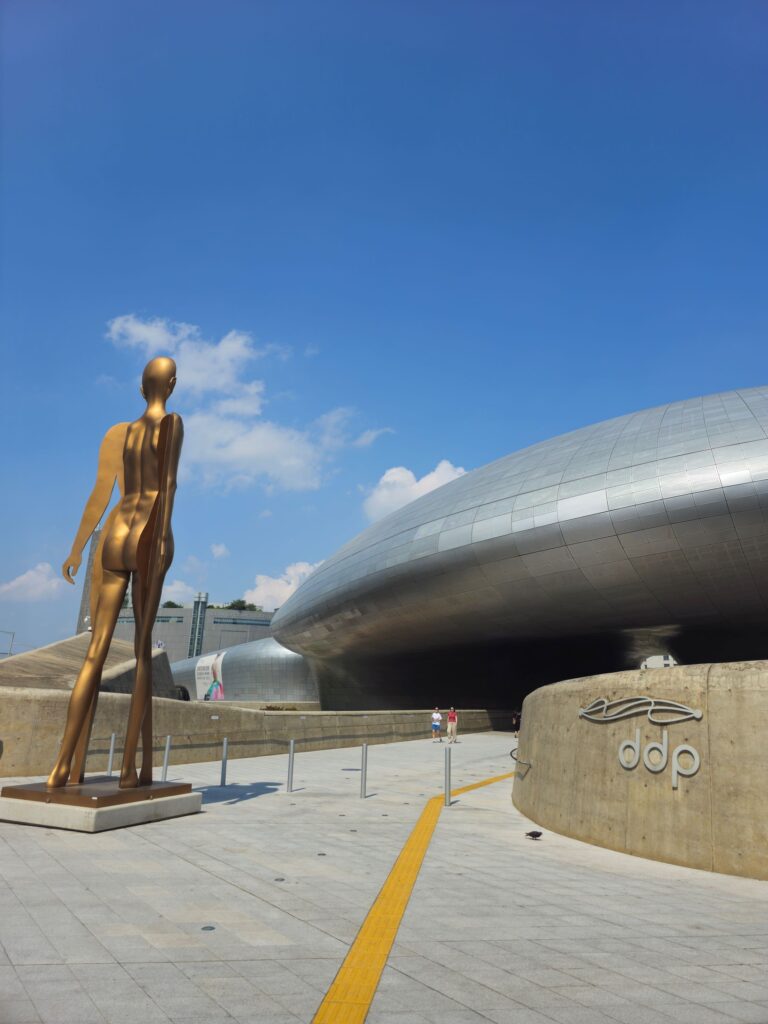
In addition to temporary art installations, the DDP grounds also feature permanent sculptures and interactive exhibits. These installations change regularly, meaning each visit can offer a new surprise. The broad open space of Oullim Square often serves as a venue for performances, open markets, and even film screenings, adding to the dynamic cultural experience.
Remembering the Past While Embracing the Future
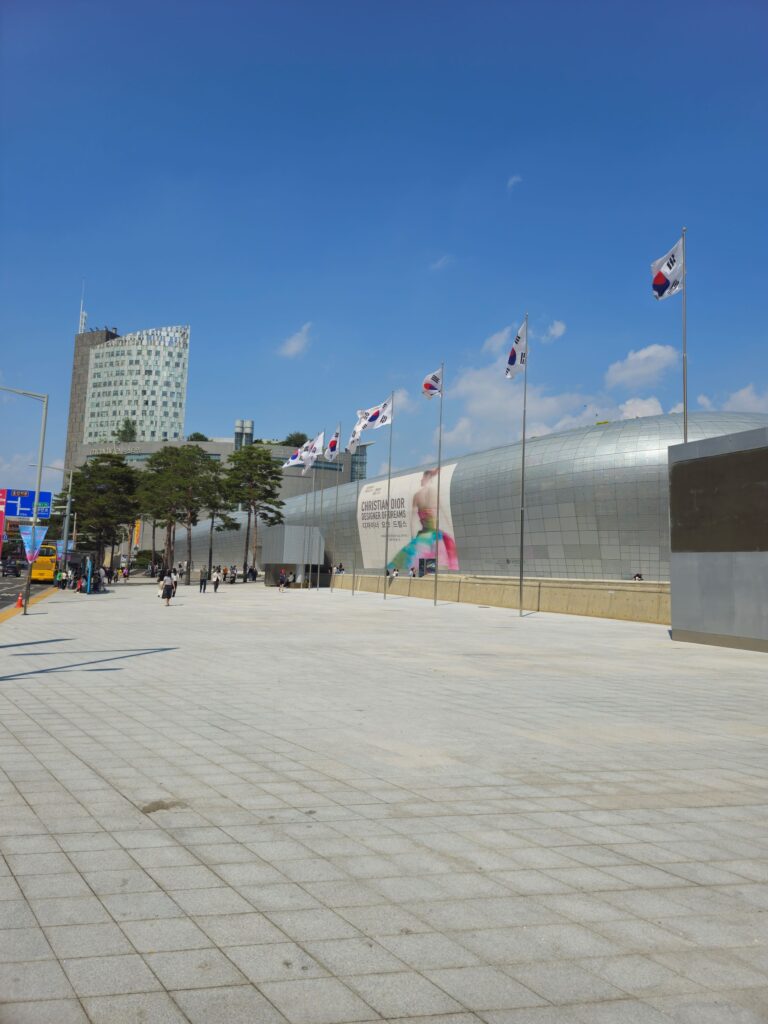
DDP is more than a venue—it’s a story of transformation. The memory of the Dongdaemun Baseball Stadium is etched into the plaza’s foundation, reflected in commemorative markers and occasional exhibitions about the site’s history. This blending of old and new encapsulates the soul of Seoul—a city always in motion, yet deeply respectful of its past.
As a bridge between tradition and modernity, DDP continues to shape the narrative of Korean design and urban identity. Whether you’re here for a brief stroll or a multi-day conference, the plaza invites you to slow down, reflect, and be inspired.
Final Thought
Dongdaemun Design Plaza is a place where ideas meet execution, where history and imagination coalesce into a public space like no other. It’s not merely a stop on a tourist’s itinerary—it’s a portal into the future of design and community in Korea. From awe-inspiring architecture to late-night shopping adventures, from art appreciation to cultural introspection, DDP delivers a multifaceted experience that resonates long after you leave.
Practical Information
- Address: 281 Eulji-ro, Jung-gu, Seoul, South Korea
- Opening Hours: 10:00 AM – 8:00 PM (Closed Mondays)
- Admission: Free for general public spaces; exhibition fees vary
- Nearest Subway Stations: Dongdaemun History & Culture Park Station (Lines 2, 4, and 5)
- Website: https://www.ddp.or.kr
Gwanghuimun Gate: Discovering Seoul’s Hidden City Wall Heritage
Zaha Hadid’s DDP is truly a masterpiece that redefines the boundaries of architecture. The way she blended innovation with tradition is nothing short of inspiring. It’s fascinating how the building feels alive, almost like a living organism, with its fluid design and dynamic lighting. The integration of the site’s history into the modern structure adds a layer of depth that makes it more than just a building—it’s a cultural landmark. I wonder, though, how do locals feel about this transformation? Does it resonate with their sense of identity, or does it feel more like an external influence? The idea of a space that evolves throughout the day is brilliant, but does it truly serve the community, or is it more of a tourist attraction? What’s your take on how DDP impacts the daily life of Seoul’s residents?
Zaha Hadid’s DDP represents Seoul’s futuristic image, blending innovation with tradition. While younger generations and creatives see it as an inspiring cultural space, some locals who remember the old Dongdaemun Stadium feel a sense of disconnect. It’s a major tourist attraction, but it’s also becoming part of daily life—used for exhibitions, walks, and relaxation. Though it may not fully reflect everyone’s identity, it stands as a powerful symbol of Seoul’s transformation and potential.
Thank you for visiting and have a nice day!