
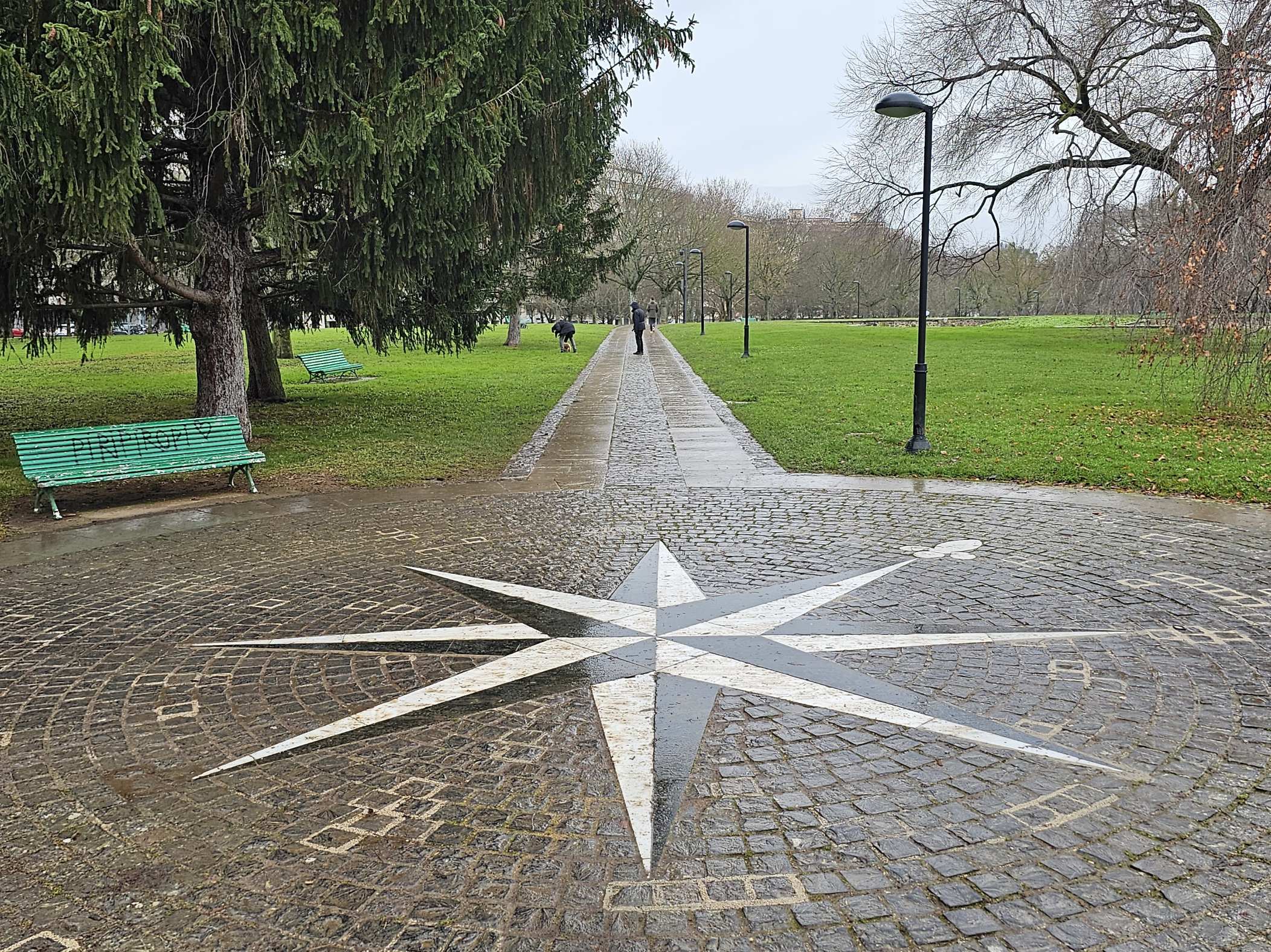
Nestled at the heart of Pamplona, the Ciudadela de Pamplona is more than just an old fortress. It is a striking fusion of military architecture and public life—a green oasis with centuries of stories etched into its stone walls. Originally built for defense, this pentagon-shaped citadel has evolved into a cultural and recreational hub for both locals and tourists. Its vast lawns, ancient bastions, and galleries now provide a serene space for events, exhibitions, and reflection.
Origin and Historical Significance
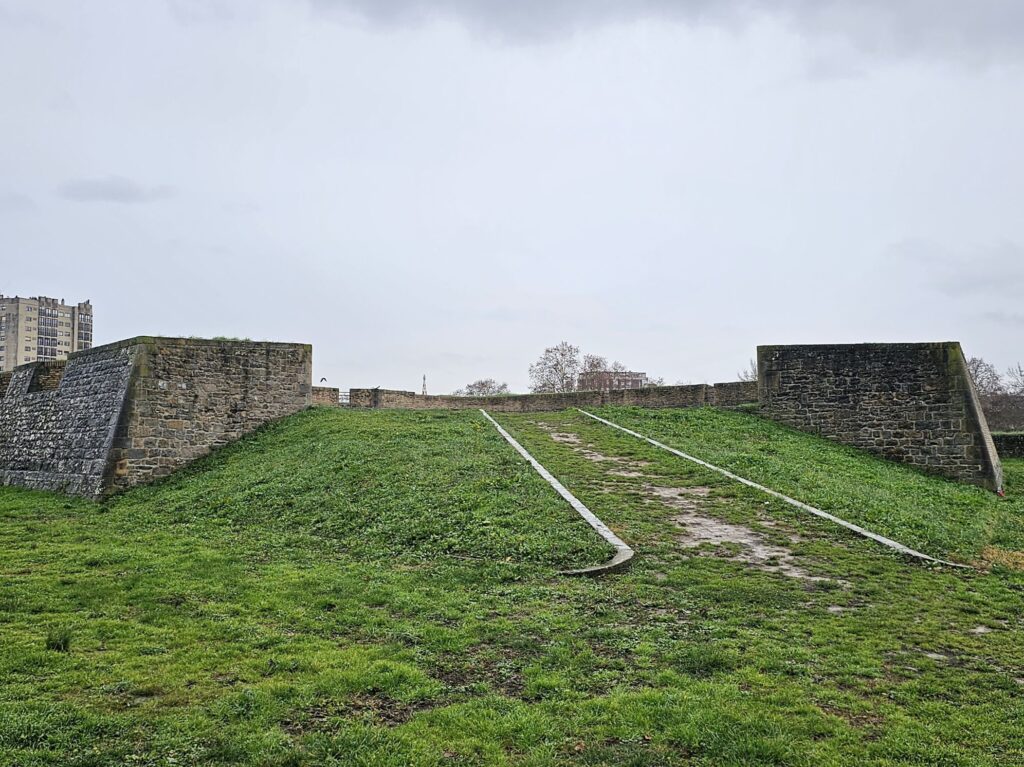
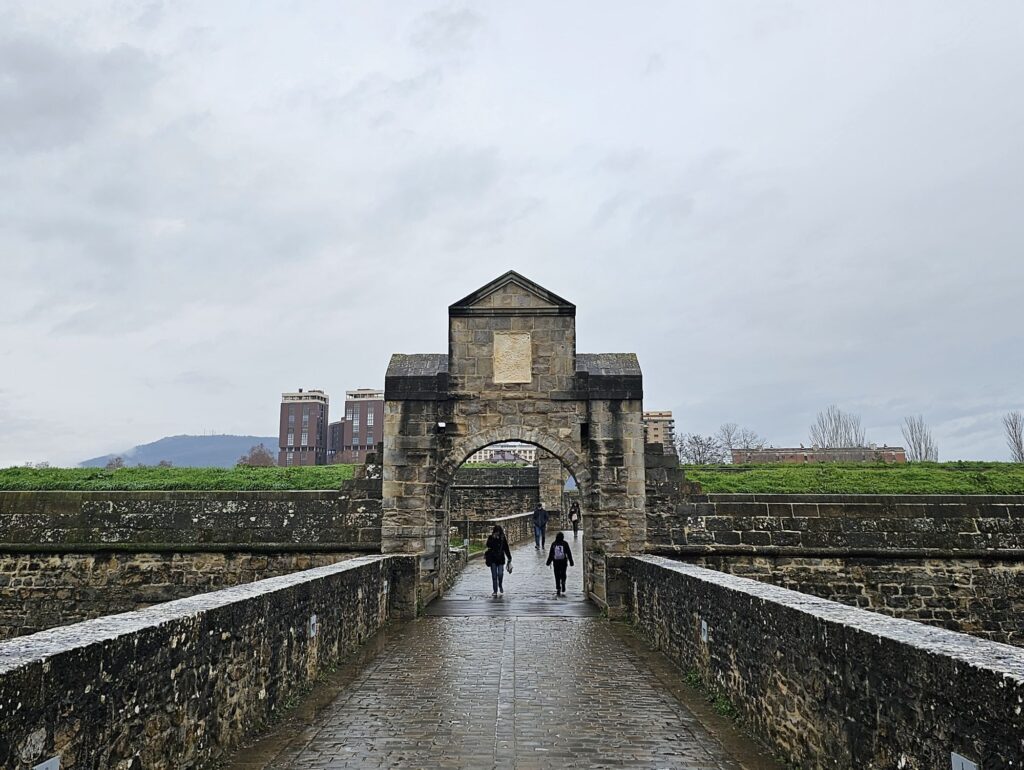
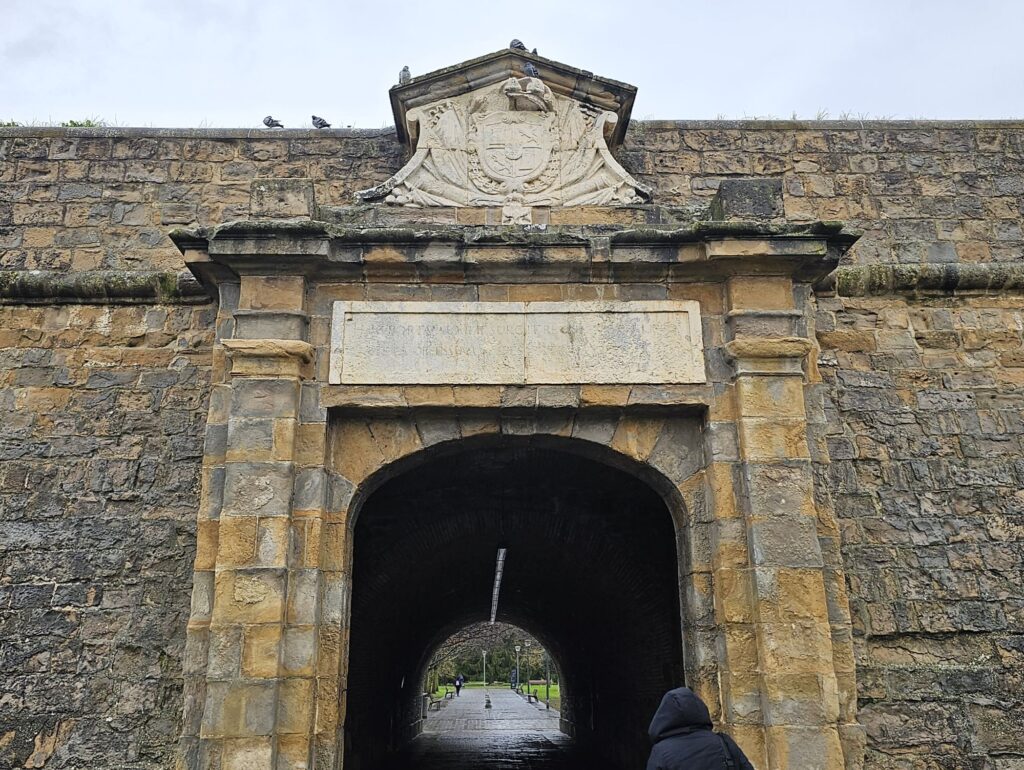
Ciudadela de Pamplona was commissioned by King Philip II of Spain in 1571 following the Italian military design principles of the time. This came shortly after the incorporation of the Kingdom of Navarre into the Spanish Crown. Keen to secure his dominion, Philip II wanted a stronghold that could protect Pamplona from foreign invasion—and just as importantly, suppress local uprisings by overseeing the city from within.
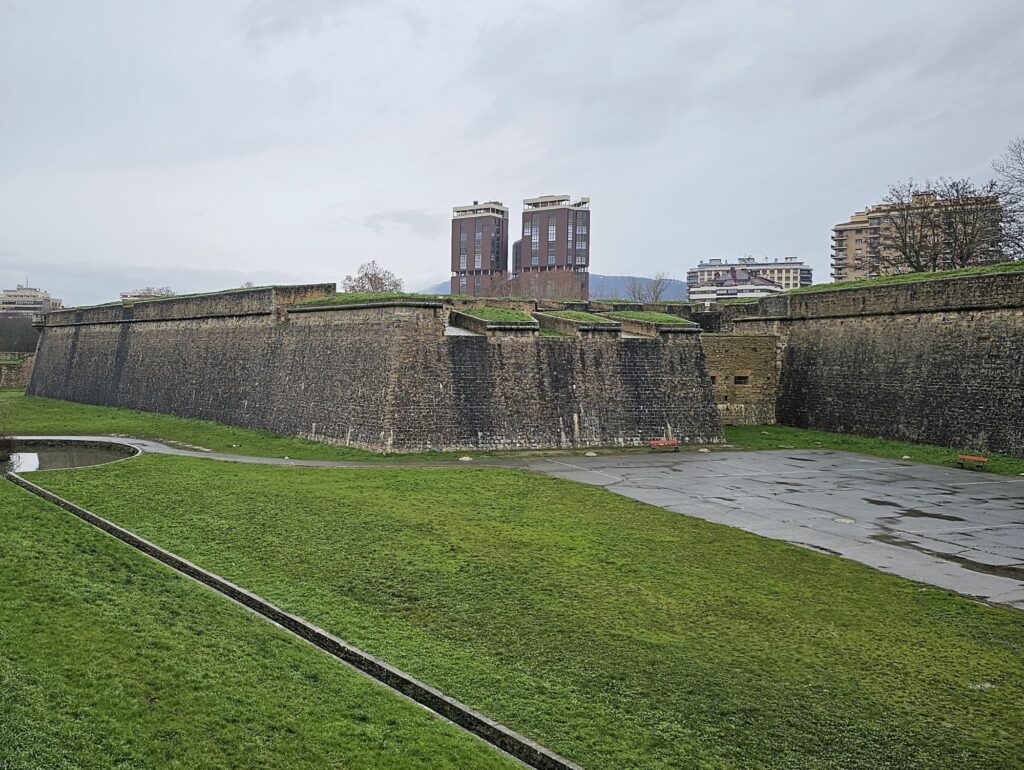
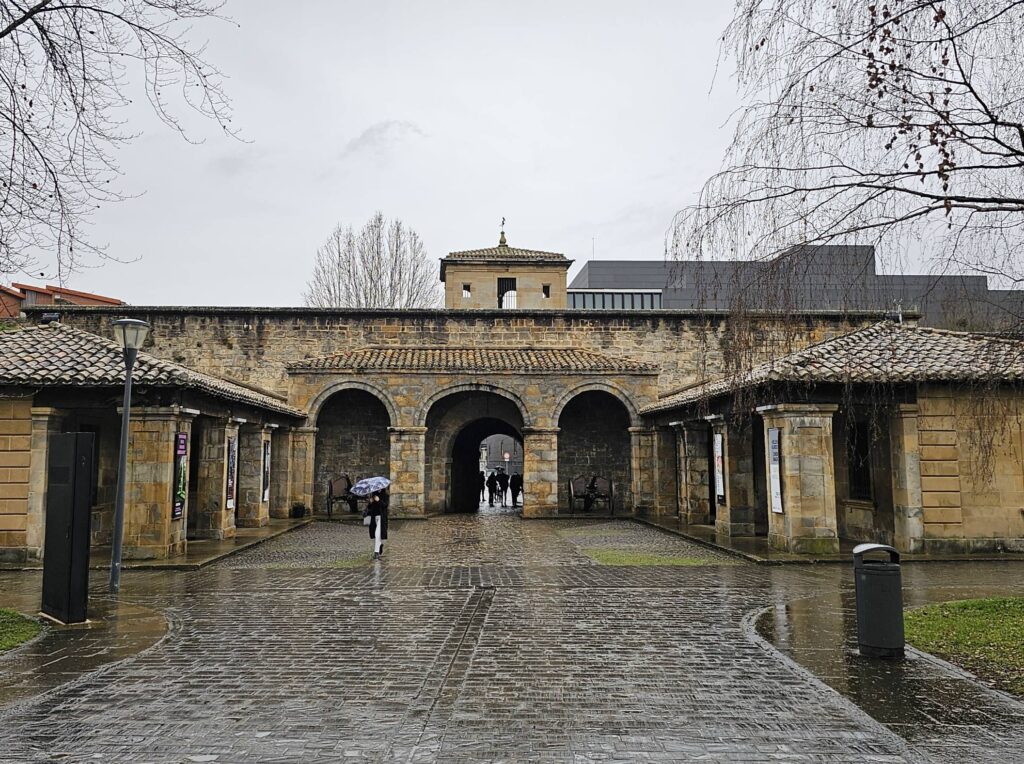
Italian engineer Giacomo Palearo “El Fratin”, and later military architect Antonelli, designed the pentagon-shaped structure with five bastions representing the ideal of perfect Renaissance fortification. The location was strategically selected at the southwest end of the city, integrating the walls into the city’s defense system. It served as a key military point in northern Spain for centuries.
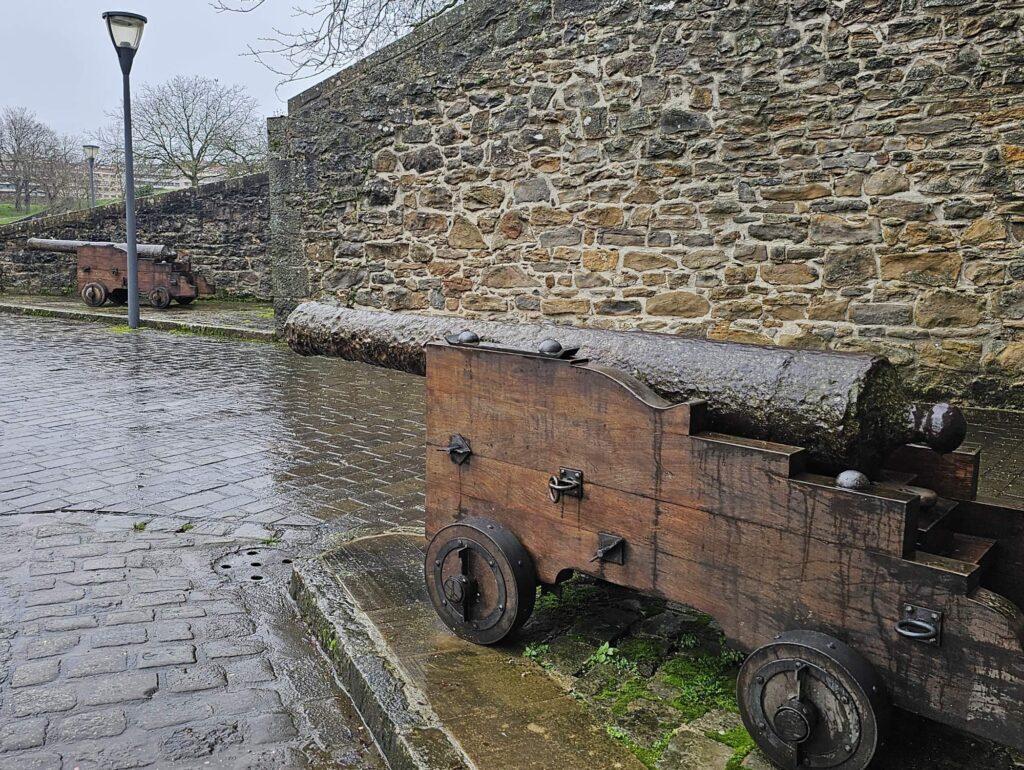
During the Peninsular War (1808–1814), Ciudadela de Pamplona played a significant role in resisting the Napoleonic forces. However, it was eventually taken by the French, who used it as a military base. It also saw action during the Carlist Wars in the 19th century. Over time, as Spain’s political climate stabilized and warfare tactics evolved, the fortress’s military role diminished. By the early 20th century, the Citadel had lost its strategic importance.
In addition to its defense function, Ciudadela de Pamplona also served as a prison at various times in its history. Its thick walls and guarded bastions made it suitable for detaining political prisoners, especially during times of civil unrest. The weight of these layers of history adds gravitas to any visit.
From Military Bastion to Peaceful Park
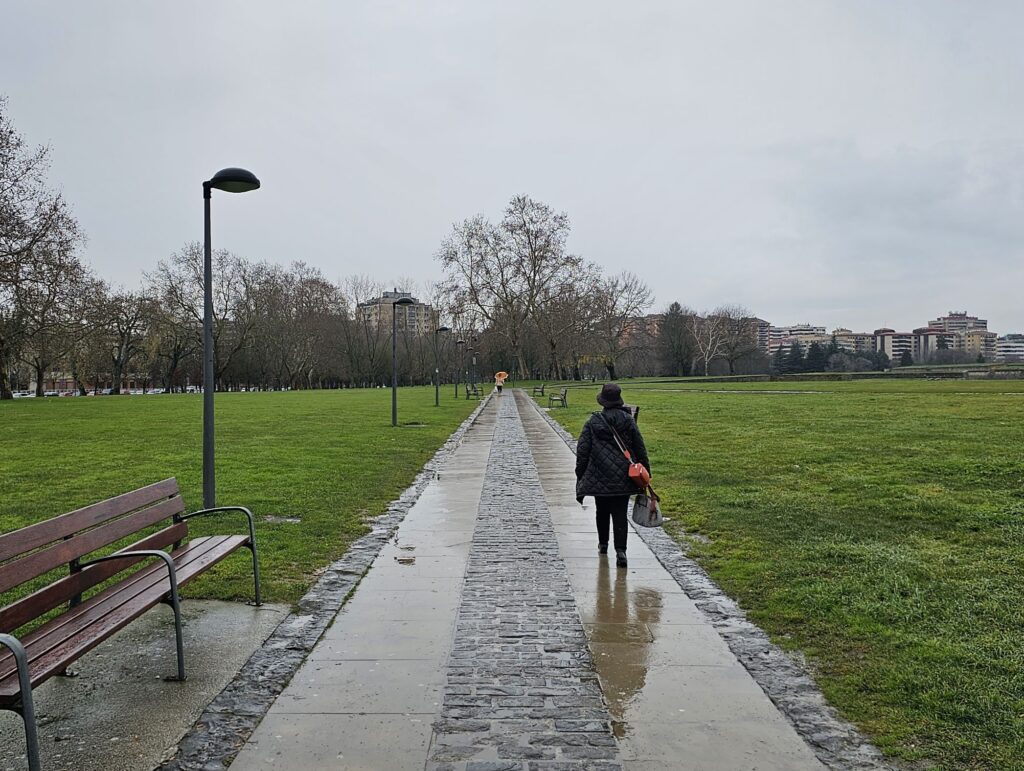
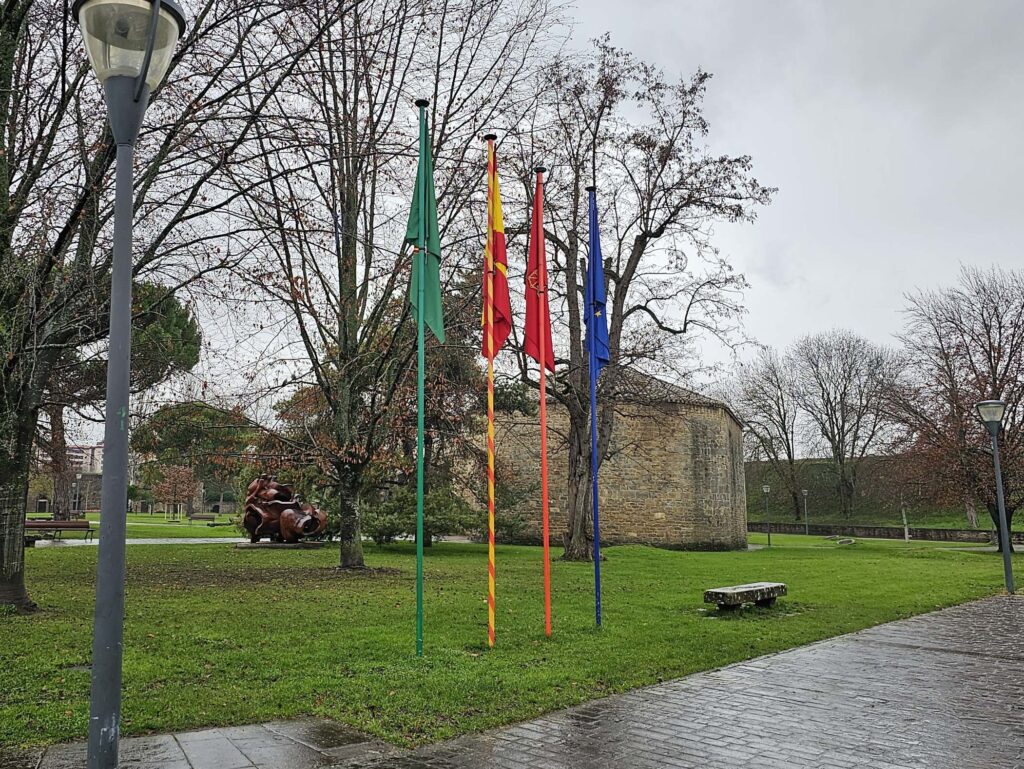
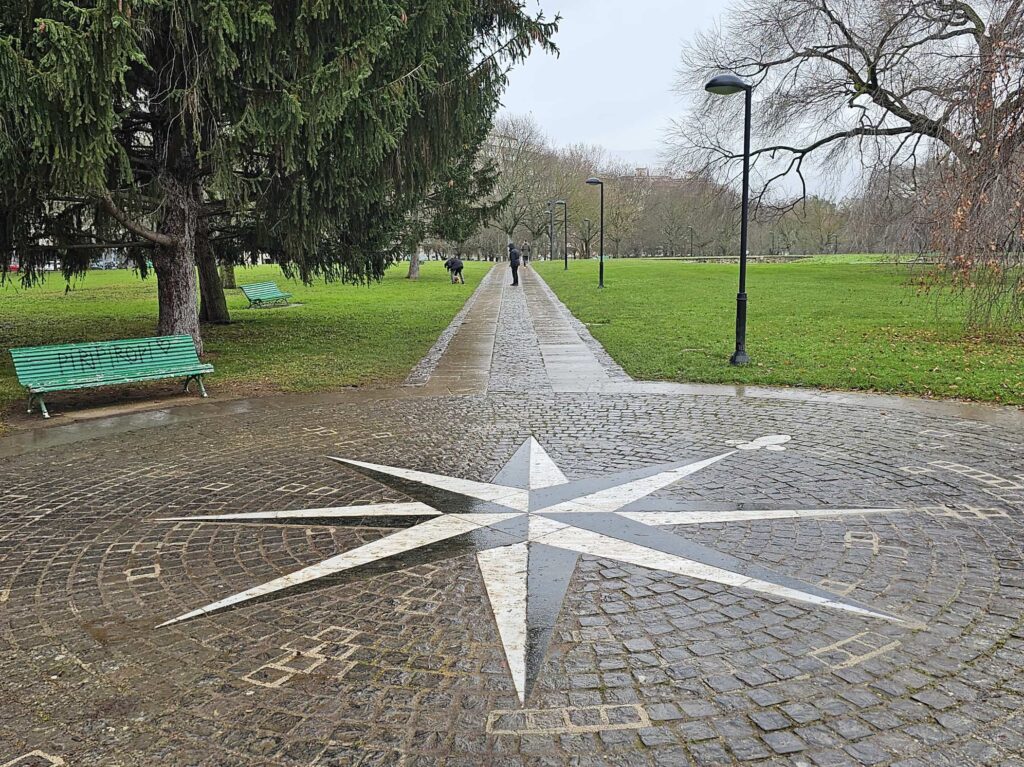
Once a structure built for war, Ciudadela de Pamplona today is a peaceful and well-maintained public park. After being officially handed over to the city in the 1960s, the area was transformed into an accessible space for all. The green lawns, tree-lined paths, and flower beds make it an ideal location for those seeking tranquility. Towering trees offer ample shade, and the lush greenery creates a serene and contemplative environment.
The transition from fortress to park is emblematic of Pamplona’s evolving identity—from a fortified city to a community-centered capital. The contrast between the formidable outer walls and the gentle landscape within gives the site a poetic sense of renewal. Benches dot the grounds, inviting solitary reflection or lively conversation. It’s a favored place for elderly residents to gather and for children to run freely in safety.
A Gateway and Landmark
Located near the city’s major bus terminal, Ciudadela de Pamplona is easily accessible for travelers arriving from across Spain. Its proximity to public transportation makes it a convenient first stop for visitors. For locals, it’s a daily retreat—a place to jog, walk dogs, read under the trees, or simply enjoy the calm in the midst of urban life.
The Citadel’s size and open layout make it a favorite among Pamplona’s residents for outdoor activities. Whether you’re enjoying a slow morning walk or an afternoon picnic, the space invites relaxation. Cyclists and skaters also frequent the wide paths, creating a harmonious rhythm of activity. The surrounding walls still exude quiet strength, reminding visitors of the site’s former role while now embracing peace.
Transformation into a Cultural Space
In addition to its natural beauty, the fortress houses several art galleries within its old military buildings. Structures such as the Polvorín (powder magazine), Horno (oven), and Pabellón de Mixtos (Mixed Pavilion) regularly host contemporary art exhibitions, photography shows, and cultural performances. The combination of cutting-edge artwork and ancient stone walls creates a unique atmosphere that draws visitors year-round.
Ciudadela de Pamplona is also the venue for music and theater events, especially during spring and summer months. The well-preserved historical backdrop adds depth and gravity to each cultural occasion. Its venues often highlight regional talent, making it not just a tourist destination but also a pillar of local identity.
A Local Favorite and Tourist Gem
Locals regard Ciudadela de Pamplona as one of the best places in Pamplona to walk, picnic, or simply unwind under the shade of towering trees. During summer, it becomes the setting for open-air concerts, outdoor movie nights, and yoga sessions. Art installations are often scattered throughout the gardens, providing new reasons to explore familiar paths.
Visitors are often surprised by the tranquility that this historical fortress offers. The grass-covered bastions provide sweeping views of the old city walls and nearby neighborhoods. It’s common to see people jogging, families with strollers, and students sketching within the grounds. The layout encourages exploration, with pathways leading to hidden corners and viewpoints.
Seasonal Events and Cultural Programming
Ciudadela de Pamplona is also a centerpiece for some of Pamplona’s most important annual events. While it is not used directly during the famous San Fermín Festival, many related cultural programs take place on its grounds. In autumn and spring, the citadel plays host to photography festivals, regional artisan markets, and open-air theater.
A unique draw is the “Ciudadela Iluminada” event, where the bastions are lit up with artistic lighting and projections, enhancing the emotional resonance of this historic monument. In recent years, the site has also been a venue for socially conscious exhibitions, focusing on themes like sustainability, migration, and cultural diversity. Visitors may also encounter educational programming aimed at school groups, reinforcing the fortress’s relevance as a historical and civic space.
Tips for Visiting
- Best time to visit: Early mornings or late afternoons when the light enhances the stone textures and the atmosphere is calm.
- What to bring: A picnic blanket, a book, or a camera. The sprawling green lawns are perfect for relaxing.
- Accessibility: The grounds are mostly flat and wheelchair-accessible, though some of the older buildings may have steps.
- Guided tours: Occasionally offered through the Pamplona tourism board, especially during summer months.
- Nearby transportation: Located close to Pamplona’s main intercity bus terminal, making it ideal for visitors arriving by coach.
Final Thought
The Ciudadela de Pamplona is a masterclass in adaptive reuse. What was once a stern symbol of royal control has blossomed into one of the city’s most beloved public spaces. It stands as a testament to Pamplona’s ability to honor its past while embracing modernity. Whether you’re drawn by its historical roots, architectural beauty, or cultural programming, Ciudadela de Pamplona is a must-see stop that captures the essence of Pamplona. As cities around the world struggle to integrate history with everyday life, Pamplona offers a living example of how to do it gracefully.
Practical Information
- Name: Ciudadela de Pamplona
- Location: Avenida del Ejército, 31002 Pamplona, Navarra, Spain
- Opening Hours: 6:30 AM – 9:30 PM (may vary seasonally)
- Admission: Free
- Website: https://www.pamplona.es
Savoring Traditional Navarrese Cuisine at El Burladero in Pamplona, Spain
Bodegón Sarría in Pamplona: Where Pintxos, Tradition, and Festivity Meet