
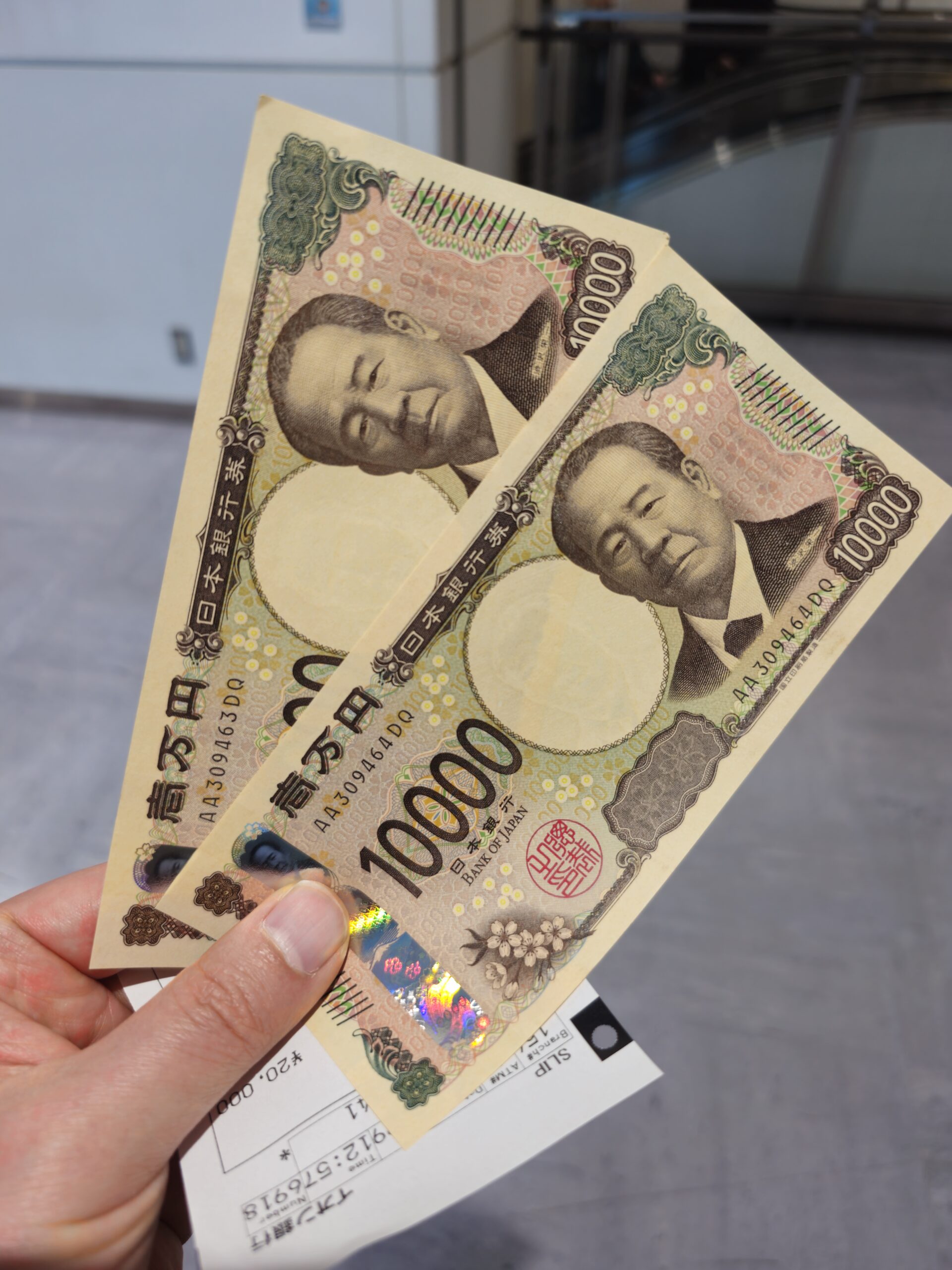
When planning an international trip, most of us tend to focus on booking flights, hotels, and creating an exciting itinerary—but one thing that’s often overlooked is how and where to exchange money. Currency exchange might seem like a small detail, but the wrong approach can result in unnecessary fees or poor exchange rates. I learned this the hard way during my first few trips, and now I always take a few extra steps to get the best value. In this post, I’ll share some of my best tips for handling currency exchange wisely so you can stretch your travel budget even further.
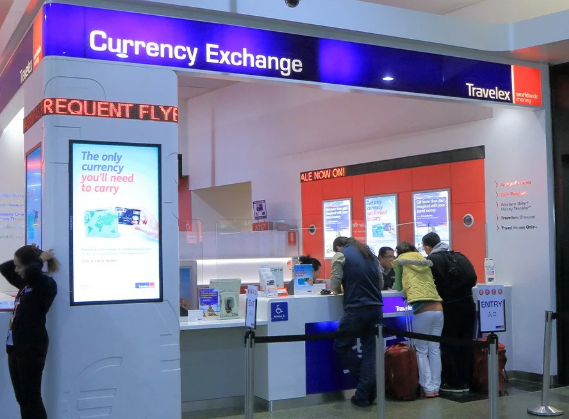
Let’s start with the biggest mistake many travelers make: exchanging large amounts of money at the airport. While it may seem convenient, airport exchange counters usually offer some of the worst rates and charge high service fees. I made this mistake on my first trip to Paris, where I exchanged a large sum at Charles de Gaulle Airport out of nervousness. Later, I found much better rates at a small exchange office near my hotel. Since then, I always exchange just a small amount at the airport—enough for transportation or a quick snack—and wait until I can find a better deal in the city center.
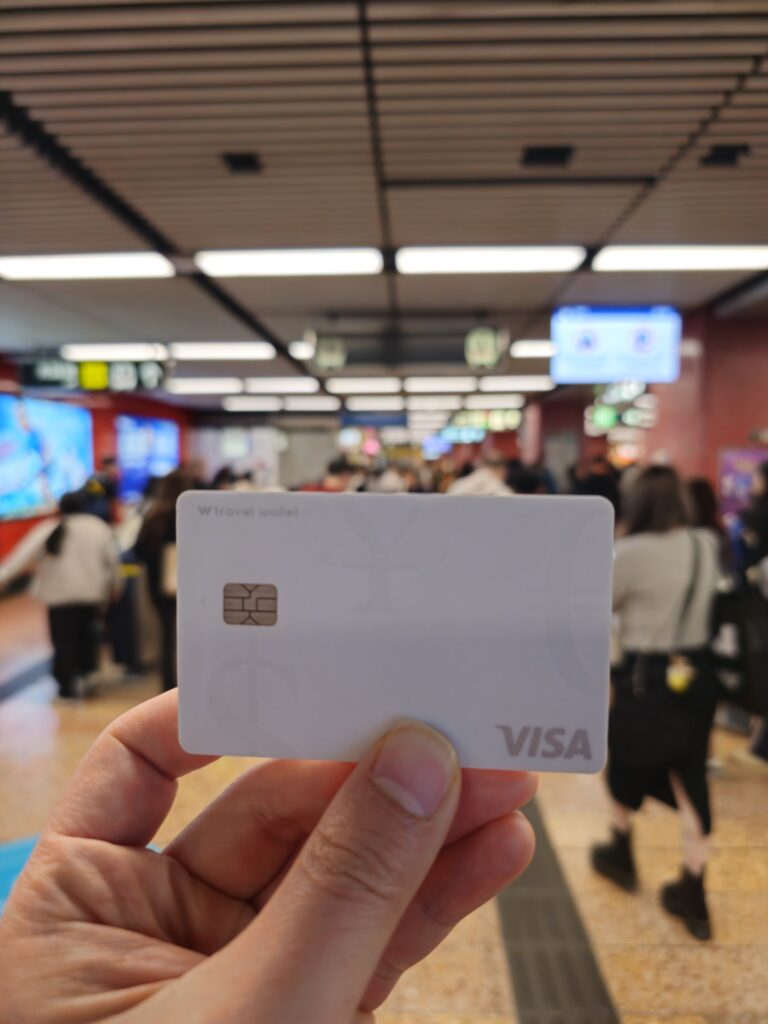
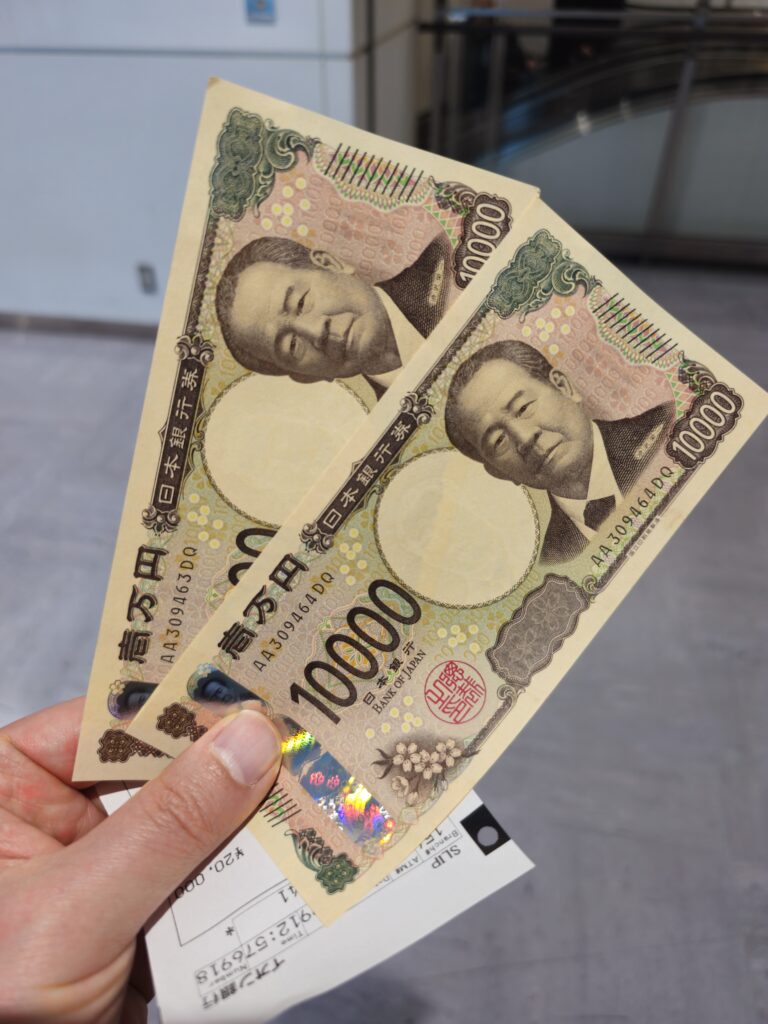
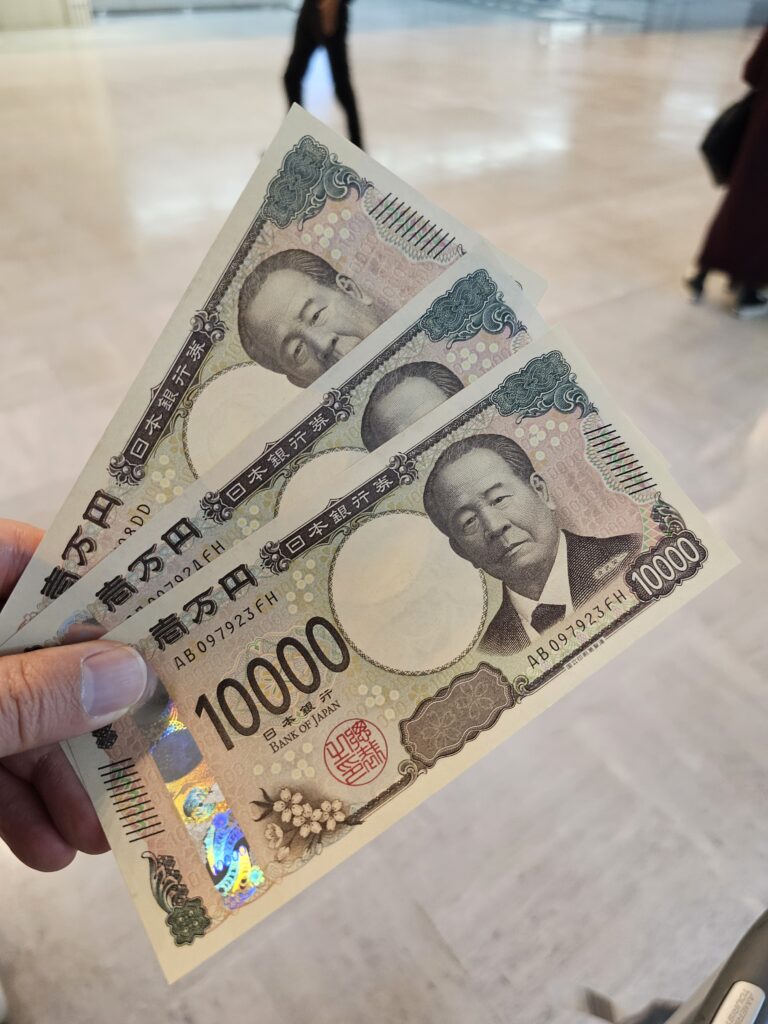
Another great tip is to take advantage of travel-friendly credit or debit cards. Many banks now offer cards that waive foreign transaction fees and provide competitive exchange rates. I personally use a multi-currency debit card that lets me hold balances in different currencies and withdraw money from ATMs abroad without hefty charges. During my trip to Tokyo, I used this card to withdraw Japanese yen directly at a local bank ATM, and the rate was far better than any exchange counter I’d seen. If you’re unsure which card to use, do some research before your trip and consider applying for one that’s traveler-friendly.
When using an ATM abroad, one critical piece of advice is to always choose to be charged in the local currency rather than your home currency. You might see an option that says something like “Convert to KRW” or “Charge in USD,” which is called Dynamic Currency Conversion (DCC). It might look safer, but it often comes with hidden fees and poor exchange rates. I fell for this once in Rome and ended up paying much more than I should have. Always decline DCC and let your bank do the currency conversion—it’s almost always cheaper.
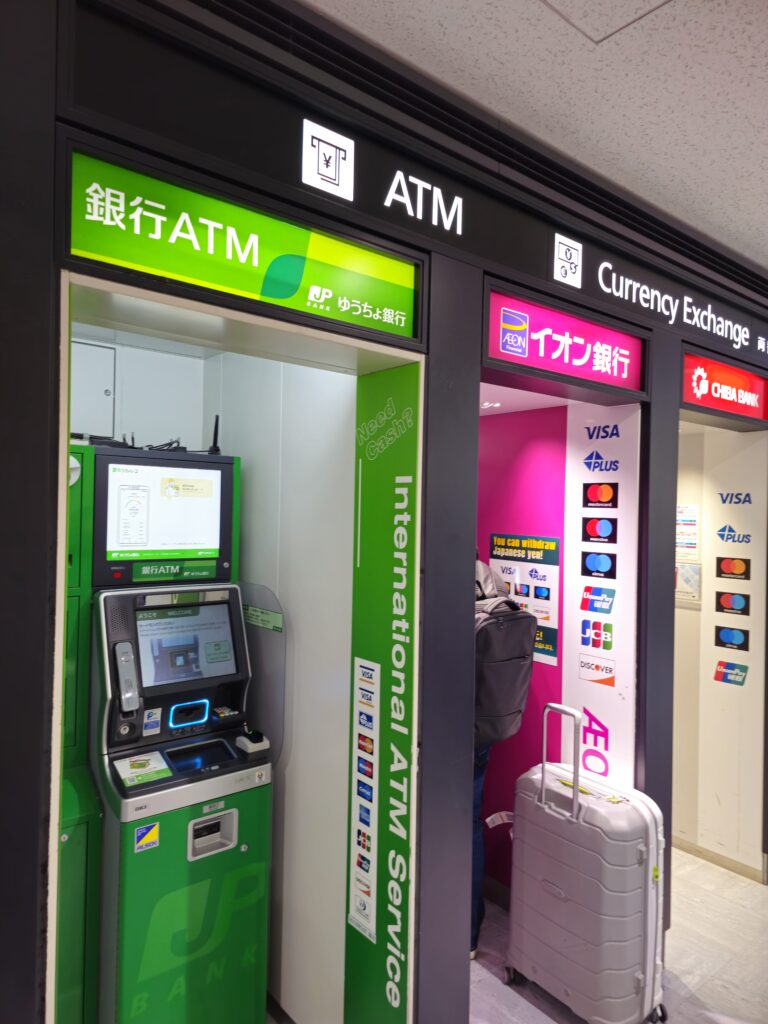
Before your trip, it’s also important to check current exchange rates using reliable sources like XE.com, OANDA, or even your own bank’s mobile app. This gives you a clear idea of what a fair rate looks like, and you’ll be less likely to fall for bad deals when you arrive. In some destinations, like Vietnam or Thailand, independent money changers display rates outside their shops, making it easy to compare. In Ho Chi Minh City, for example, I was able to compare three different places within a single street and saved quite a bit just by walking an extra block.
Some travelers are surprised to find that hotels also offer currency exchange services. While this can be convenient, especially if you’re arriving late or staying in a popular tourist area, the rates are usually slightly worse than banks or local exchange offices. Still, they can be a decent backup option in case of emergencies. I once used a hotel desk in Istanbul when my card wasn’t working at a nearby ATM, and although the rate wasn’t perfect, it was safe and hassle-free.
Lastly, don’t forget to bring some small denominations of your home currency or USD/EUR for backup, especially if you’re traveling to countries where ATMs aren’t widely available or reliable. I always keep a small emergency stash in a hidden travel wallet. It has saved me more than once—in Bali, my card was blocked unexpectedly, and the cash I had on hand helped me get through the next 24 hours comfortably until I resolved the issue with my bank.
With a little preparation and the right tools, managing currency exchange during your travels doesn’t have to be stressful or expensive. The key is to plan ahead, compare your options, and stay alert to hidden fees. These small efforts can make a noticeable difference in your travel budget, leaving you with more money for experiences, food, and souvenirs.
“Smart Currency Exchange Tips for Travelers: Save Money on Your Next Trip”에 대한 2개의 생각