
There are meals that warm your body, and then there are those that warm your memories. Ilcheungjib (일층집) in Imun-dong, Dongdaemun-gu is exactly that kind of place. On a chilly afternoon, I stepped into this humble eatery tucked away on a quiet corner near Hankuk University of Foreign Studies, and within moments, I understood why it’s considered the most beloved budae jjigae (부대찌개) spot in the area. It wasn’t just the food—it was the feeling of familiarity, comfort, and unpretentious heartiness.
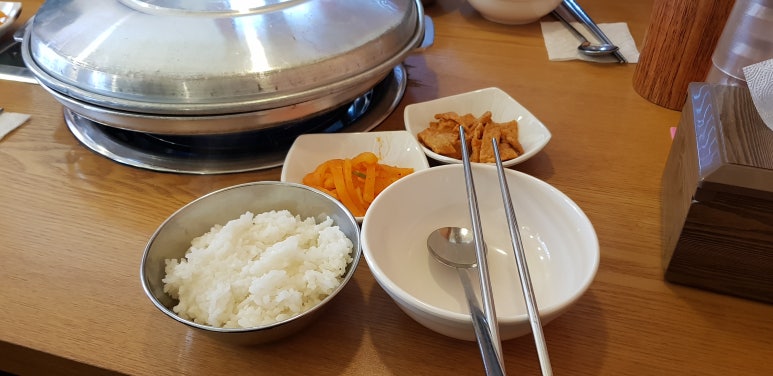
The atmosphere at Ilcheungjib is as no-frills as it gets: metal chopsticks clink against stainless steel bowls, the air hums with steam from bubbling pots, and the smell of kimchi and spicy broth wraps around you like an old friend. I was greeted warmly and guided to a simple table that already had all the essentials—side dishes (banchan), water bottles, and of course, a gas burner ready to fire up a pot of stew.
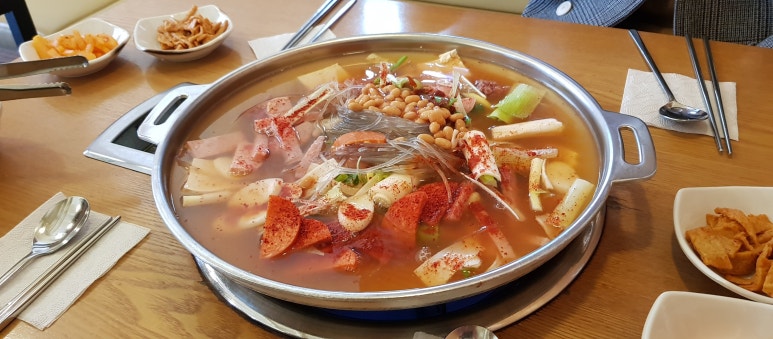
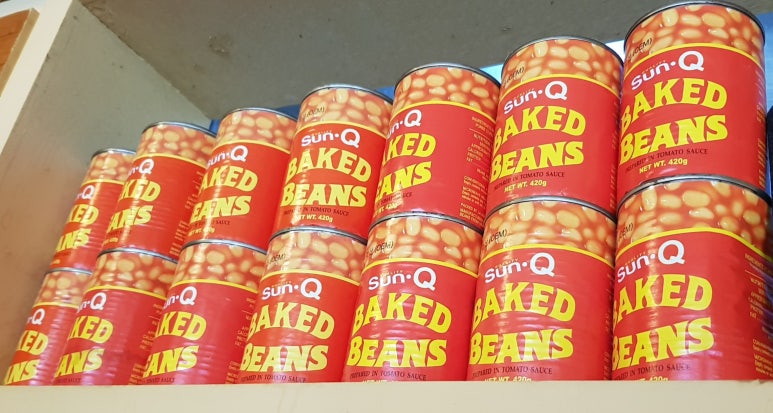
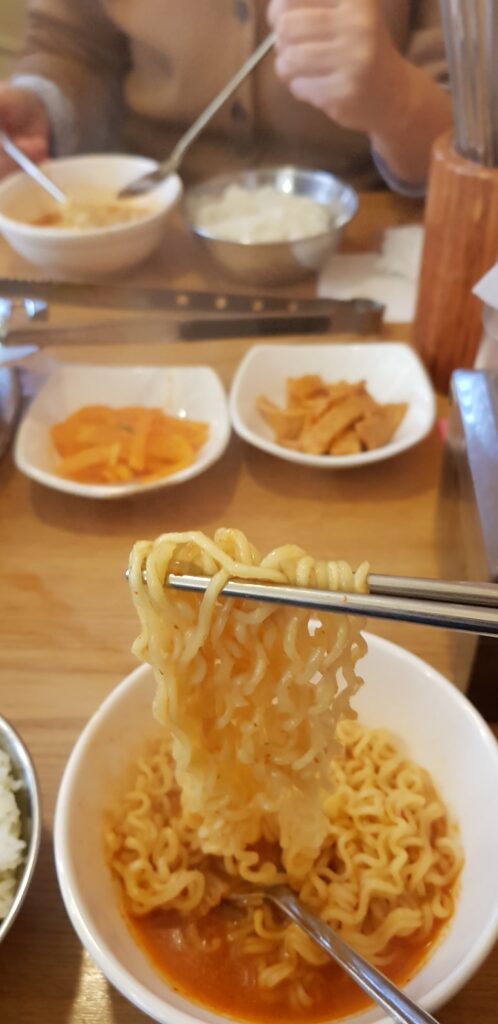
Without hesitation, I ordered the budae jjigae (Army Stew / 부대찌개), which is their signature and only main dish. Priced at ₩9,000 per person, the portion was impressively generous. The pot arrived brimming with familiar ingredients: sliced hot dogs, luncheon meat, tofu, baked beans, ramen noodles, and napa cabbage, all simmering in a fiery red broth. Watching it bubble at the table while I stirred the mix was part of the experience—and the anticipation made the first bite even more rewarding.
A Taste Born from History: The Origins of Budae Jjigae
Budae jjigae isn’t just another spicy Korean stew—it carries with it a post-war history. The dish originated in the 1950s, during the aftermath of the Korean War. At the time, food was scarce, and locals near U.S. military bases in areas like Uijeongbu began incorporating leftover American rations—Spam, hot dogs, and canned beans—into traditional Korean stews with kimchi and gochujang. It was a fusion born out of necessity, blending East and West in a single pot. Over time, it evolved into a beloved comfort food with a unique flavor profile that still carries echoes of that difficult but resilient era.
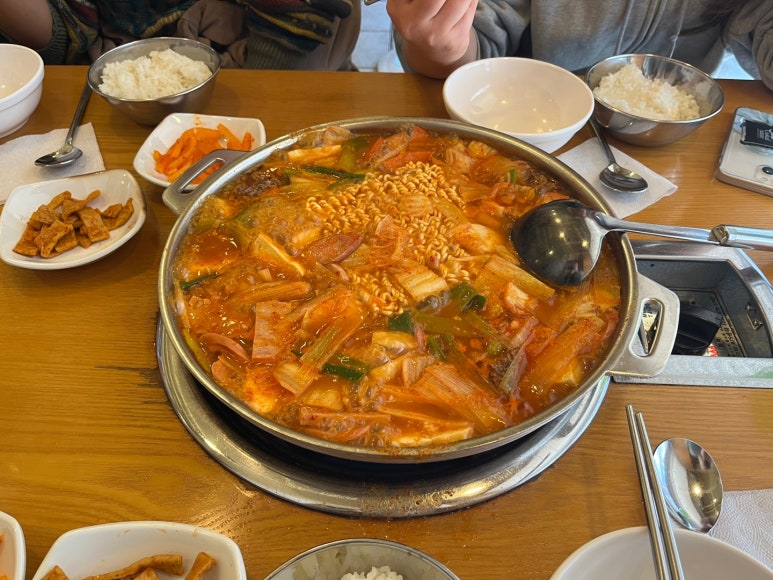
Back at Ilcheungjib, I added a modum-sari (모듬사리, assorted toppings) for ₩7,000, which came with extra ramen noodles, rice cakes, and cheese—essentials for a fully satisfying bowl. You can also choose ham-sari (햄사리, extra ham) for ₩5,000, especially if you’re craving that smoky, savory bite that defines the dish. The stew gradually thickened as the cheese melted and noodles softened, turning into the kind of meal you want to linger over, bite after bite.
Despite the humble setup, Ilcheungjib’s crowd tells you everything: tables filled with hungry HUFS students, professors eating quietly over lunch, and locals stopping by for their weekly fix. What’s more impressive is the steady stream of take-out orders—the owner busily packs silver containers of piping hot budae jjigae for families, couples, and solo diners taking it home for dinner. It’s clearly more than a restaurant; it’s part of the neighborhood’s daily rhythm.
Whether you’re trying budae jjigae for the first time or revisiting a nostalgic favorite, Ilcheungjib delivers every element just right. It’s not the flashiest place, but it stays true to what makes Korean comfort food so beloved: warmth, flavor, and community. For anyone exploring Imun-dong or studying at HUFS, this is one spot that deserves a seat on your must-visit list.
Practical Information
Address: 264-50 Imun-dong, Dongdaemun-gu, Seoul, South Korea
Phone: 02-959-5309
Opening Hours: Monday to Saturday, 10:00 AM – 9:00 PM (Closed Sundays)
Menu Highlights:
- Budae Jjigae (부대찌개 / Army Stew): ₩9,000
- Modum Sari (모듬사리 / Assorted Add-ons): ₩7,000
- Ham Sari (햄사리 / Extra Ham): ₩5,000
- Ramen Add-on (라면사리): ₩1,000
- Cheese Add-on (치즈 추가): ₩1,500
- Steamed Rice (공기밥): ₩1,000
Payment: Cash and credit card accepted
Take-out: Available
Nearest Subway: HUFS Station (외대앞역/Line 1, Exit 1 – 5 min walk)
Marugi (마루기) in Imun-dong, A Cozy Ramen Retreat in Northeast Seoul