
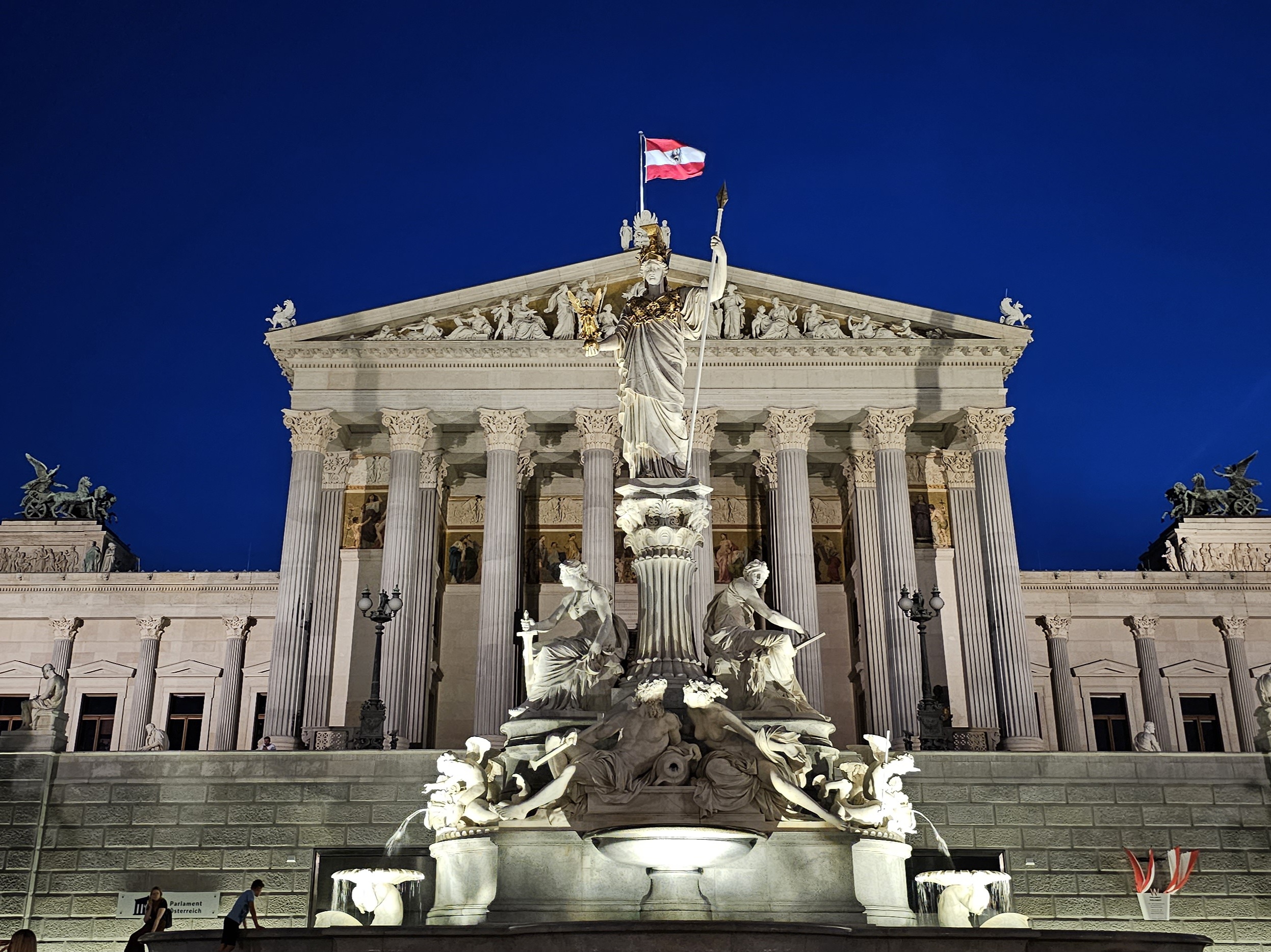
If you’re walking along Vienna’s historic Ringstraße, one monumental structure you simply can’t miss is the Austrian Parliament Building (Parlament Österreich). Not just a place of political discourse, this grand neoclassical edifice embodies Austria’s democratic identity and architectural pride. Whether you’re a first-time visitor or a returning traveler to Vienna, the Parliament offers a profound glimpse into the country’s political history and classical inspiration.
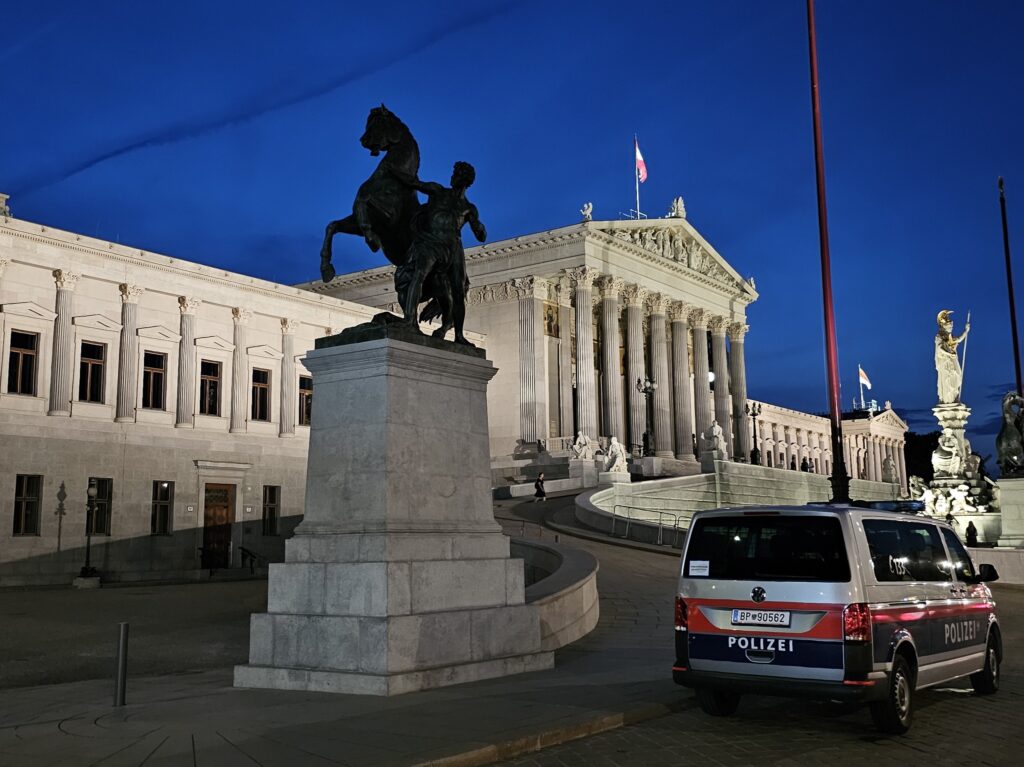
Architectural Brilliance and Greek Influence
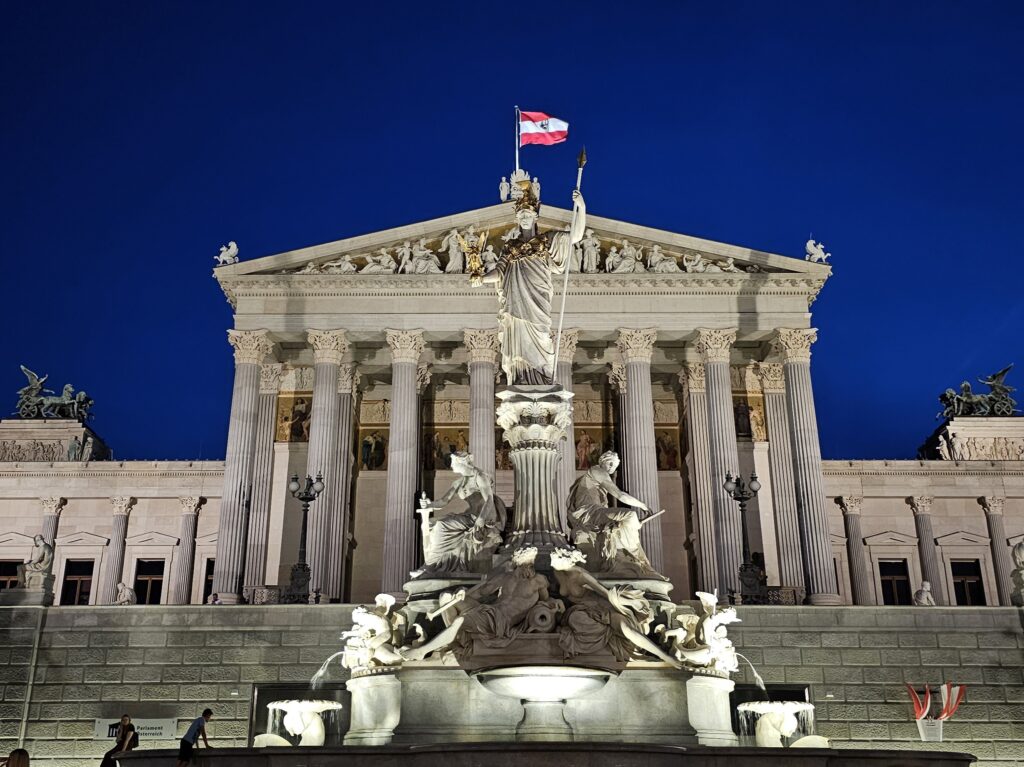
The Austrian Parliament Building was designed by Danish-Austrian architect Theophil Hansen and constructed between 1874 and 1883. Hansen envisioned a structure that paid tribute to classical Greek ideals—a fitting homage to the birthplace of democracy. As such, the building’s design incorporates massive Corinthian columns, a triangular pediment, and a grand portico that mirrors ancient Greek temples.
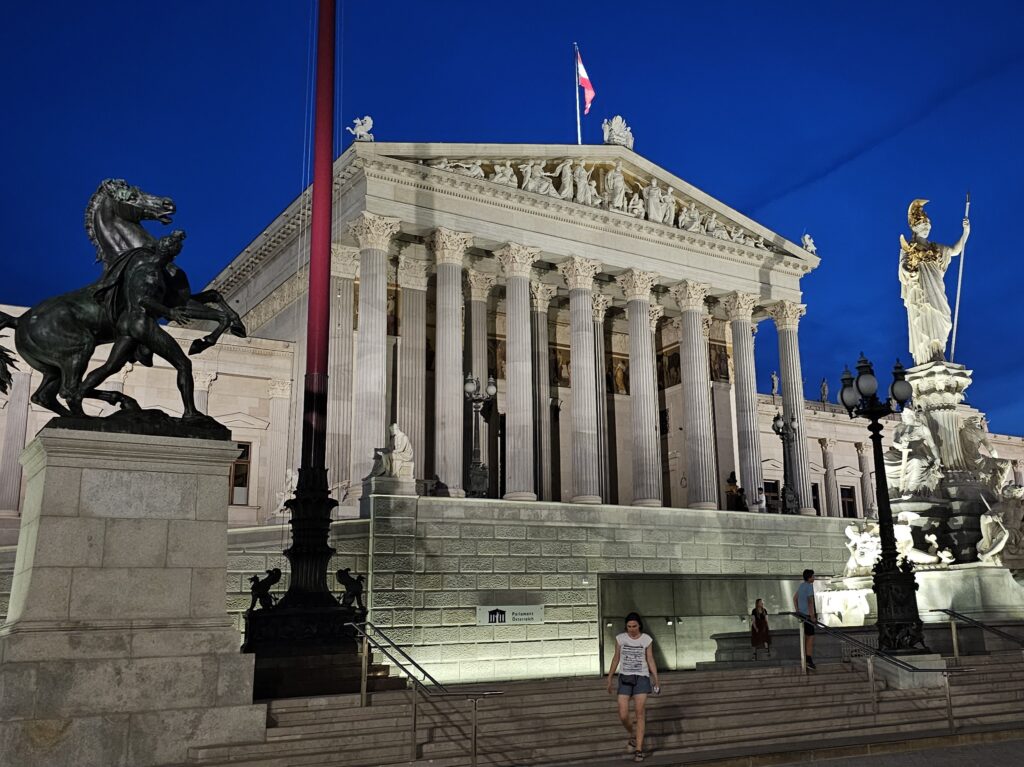
The Austrian Parliament building’s centerpiece, the Pallas Athena Fountain, dominates the forecourt. Athena, the goddess of wisdom, stands proudly with her helmet, spear, and Nike (goddess of victory) in hand, symbolizing the intellectual foundation and victorious aspirations of Austrian governance. The detailed allegorical figures surrounding the fountain represent legislative and executive powers, giving this structure not only beauty but symbolism at every turn.
Inside, the Parliament is equally magnificent. The Hall of Pillars (Säulenhalle) features 24 monolithic marble columns and leads to the chambers of the National Council (Nationalrat) and Federal Council (Bundesrat). Rich stucco decoration, detailed mosaics, and elegant coffered ceilings contribute to the building’s regal ambiance. Even the floor mosaics, with their mythological scenes and symbolic motifs, reflect the spirit of a state committed to its people and legacy.
A Functioning Heart of Austrian Democracy
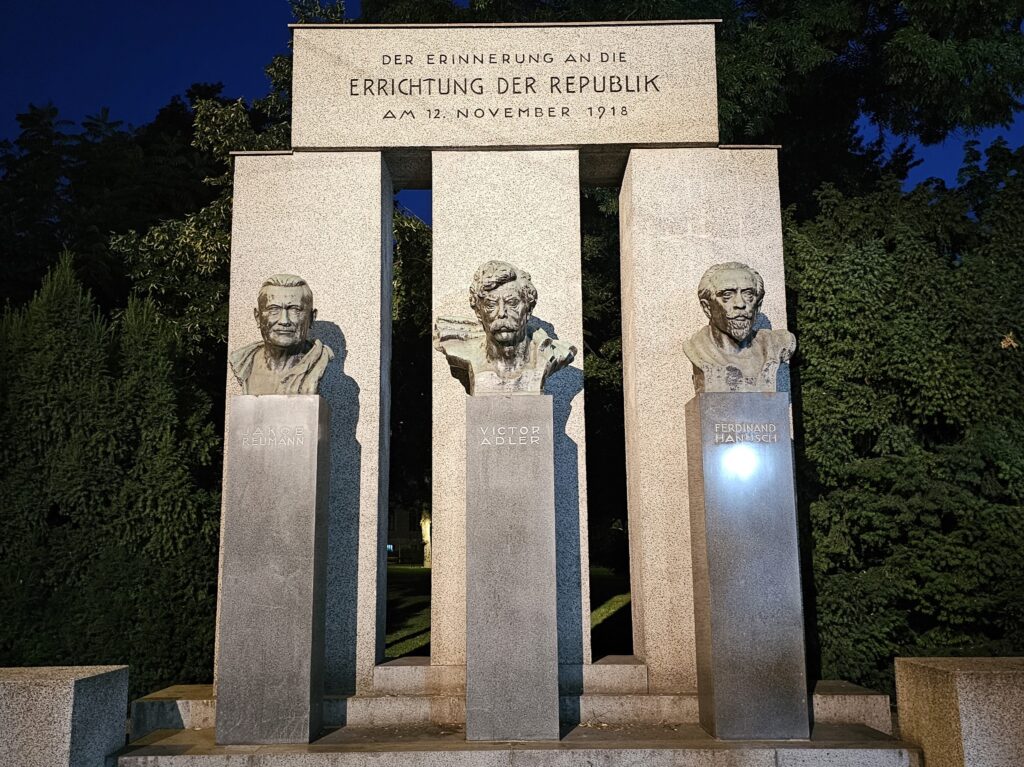
While it’s undoubtedly an architectural marvel, the building also plays a crucial political role. It houses Austria’s bicameral legislature—the National Council and the Federal Council—where major legislative decisions are debated and passed. The site has been the backdrop to pivotal events in Austrian history, including the 1918 proclamation of the Republic, making it a central piece of modern Austrian identity.
Between 2017 and 2022, the Parliament underwent extensive renovations to preserve its historic fabric while modernizing its infrastructure. These improvements enhanced energy efficiency, accessibility, and digital capacity—bringing 21st-century standards into 19th-century glory. Today, a mix of modern lighting, energy-saving systems, and sustainable materials coexist alongside the classical ornamentation.
In its renewed form, the Parliament stands as a testament to Austria’s balance between innovation and tradition—a beacon of modern democracy that still honors its classical foundations.
Visitor Experience and Guided Tours
The Austrian Parliament Building is open to the public and offers free guided tours in both German and English. These tours are highly informative, covering everything from the building’s history and architecture to the structure of Austria’s legislative process. The guides are professional, multilingual, and eager to answer questions.
Tour highlights include the historic chamber, the newly modernized National Council meeting room, and access to select exhibition areas. In addition to the physical tour, the Demokratikum Visitor Center offers an immersive, interactive experience with multimedia displays and educational materials aimed at engaging citizens and tourists alike.
One particularly memorable feature is the rooftop terrace, which not only houses an educational exhibition but also offers panoramic views of Vienna, including nearby landmarks like Hofburg Palace, Volksgarten, and the spires of Stephansdom in the distance.
Cultural Context and Location Appeal
Located on the Dr.-Karl-Renner-Ring, the Austrian Parliament Building sits at the heart of Vienna’s monumental Ringstraße. It’s part of a constellation of cultural and governmental buildings, including the Vienna City Hall (Rathaus), the University of Vienna, and several major museums.
The Austrian Parliament’s neoclassical façade stands out amid the baroque and gothic grandeur that typifies much of Vienna’s historic architecture. Its symmetrical form and marble austerity create a distinct visual identity that contrasts yet harmonizes with the surrounding environment. If you’re strolling through the area, you’re never more than a few minutes’ walk from tranquil parks, high-end cafés, or elegant boulevards.
For travelers who want to experience Vienna’s grand architecture and civil spirit all in one place, the Austrian Parliament is an essential stop. Many visitors combine this tour with visits to the nearby Hofburg complex, Museum of Natural History, or Kunsthistorisches Museum, creating a full day immersed in art, history, and political culture.
Tips for Visiting
- Book in Advance: Free guided tours are popular and often fill up quickly. Reserve online at the Parliament’s official website.
- Bring Your ID: You may need a valid ID or passport for security reasons when entering the building.
- Check the Calendar: The Parliament holds official sessions and special exhibitions that can enhance your visit.
- Time Your Visit: Mornings tend to be less crowded, and early afternoon sunlight creates spectacular photography conditions for the exterior.
- Combine with a Walk: After your visit, stroll through the adjacent Volksgarten to enjoy the well-manicured rose gardens or have coffee at one of the historic cafés along the Ringstraße.
Practical Information
- Name: Austrian Parliament Building (Parlament Österreich)
- Address: Dr.-Karl-Renner-Ring 3, 1017 Vienna, Austria
- Opening Hours: Guided tours available Monday to Saturday; check the official website for specific times
- Admission: Free guided tours (advance online booking recommended)
- Languages: Tours available in English and German
- Accessibility: Fully accessible for wheelchairs and mobility-impaired visitors
- Website: www.parlament.gv.at