
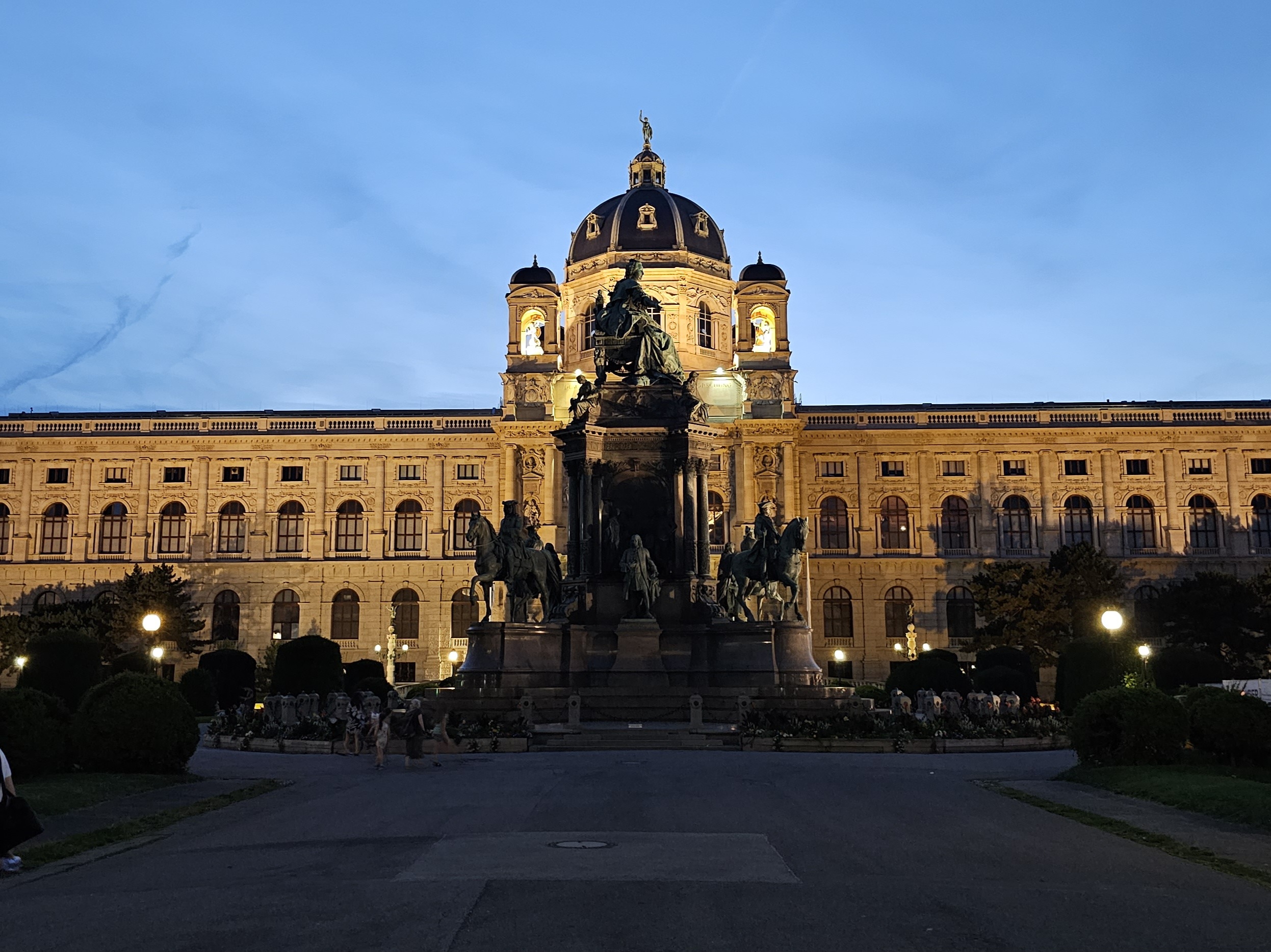
Vienna, the elegant capital of Austria, is a city where history and culture meet at nearly every street corner. Among its many open squares and grand plazas, Maria-Theresien-Platz holds a particularly majestic presence. Sandwiched between two of the city’s most prominent museums—the Kunsthistorisches Museum (Museum of Art History) and the Naturhistorisches Museum (Museum of Natural History)—this square is not just a crossroads of knowledge, but also a peaceful, photogenic space where the grandeur of the Austro-Hungarian Empire is still vividly alive.
The Architectural Grandeur of Maria-Theresien-Platz
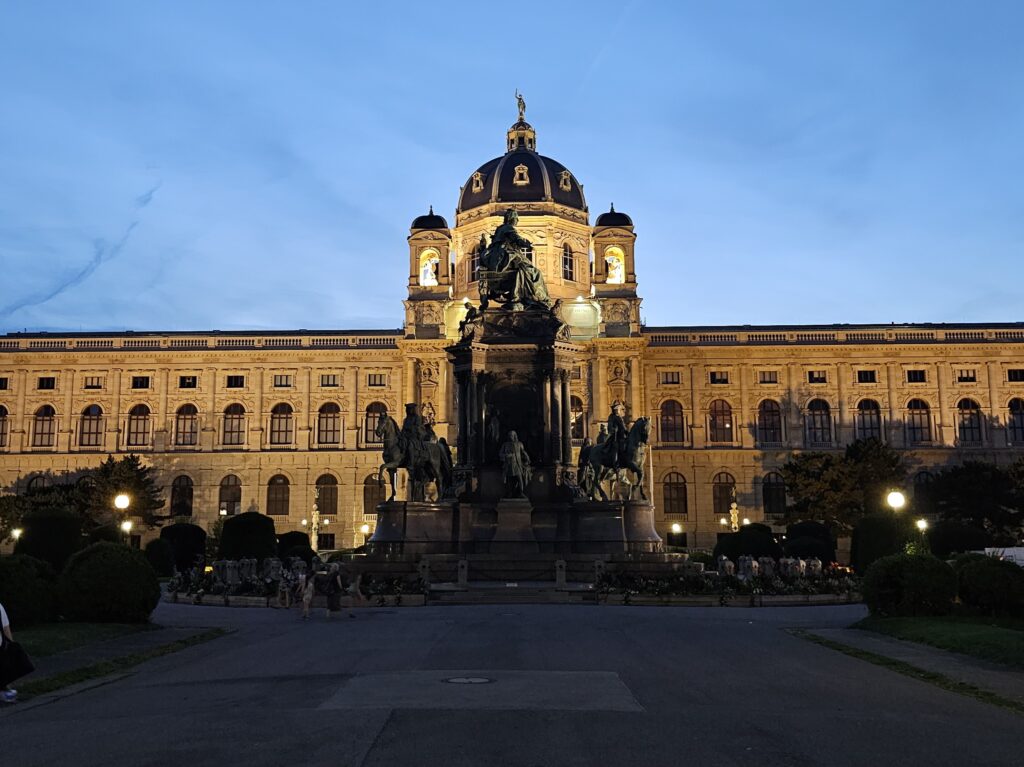
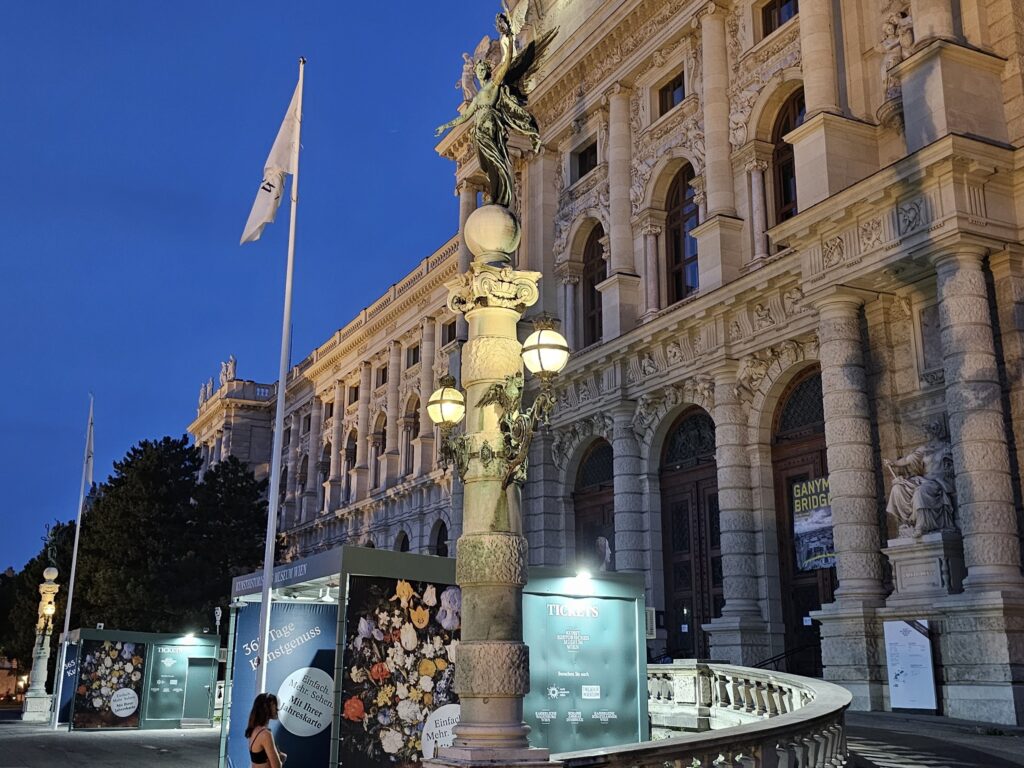
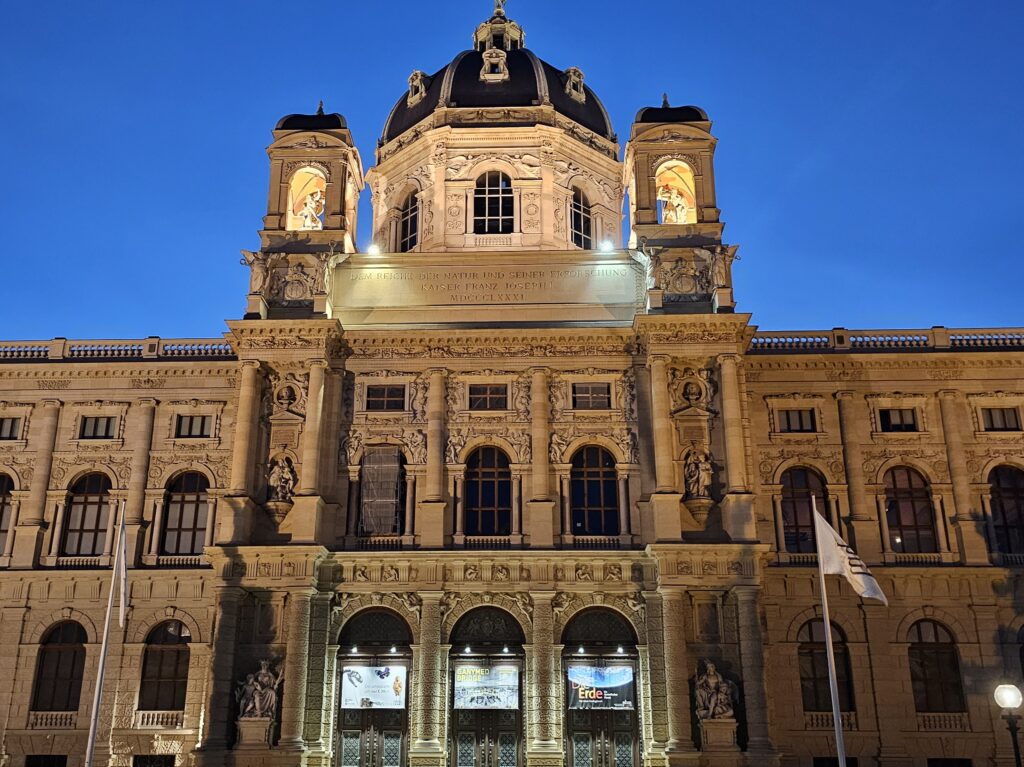
Approaching Maria-Theresien-Platz feels like stepping into a perfectly composed scene from a historical epic. On either side of the square stand two nearly identical, palatial buildings: the Kunsthistorisches Museum and the Naturhistorisches Museum. Built in the late 19th century under Emperor Franz Joseph I, both structures exemplify neo-Renaissance architectural design with their domed roofs, ornate façades, arched windows, and detailed reliefs. The symmetry of the two buildings creates a powerful visual balance that immediately draws the eye inward toward the square’s centerpiece: the imposing Maria Theresa Memorial (Maria-Theresien-Denkmal).
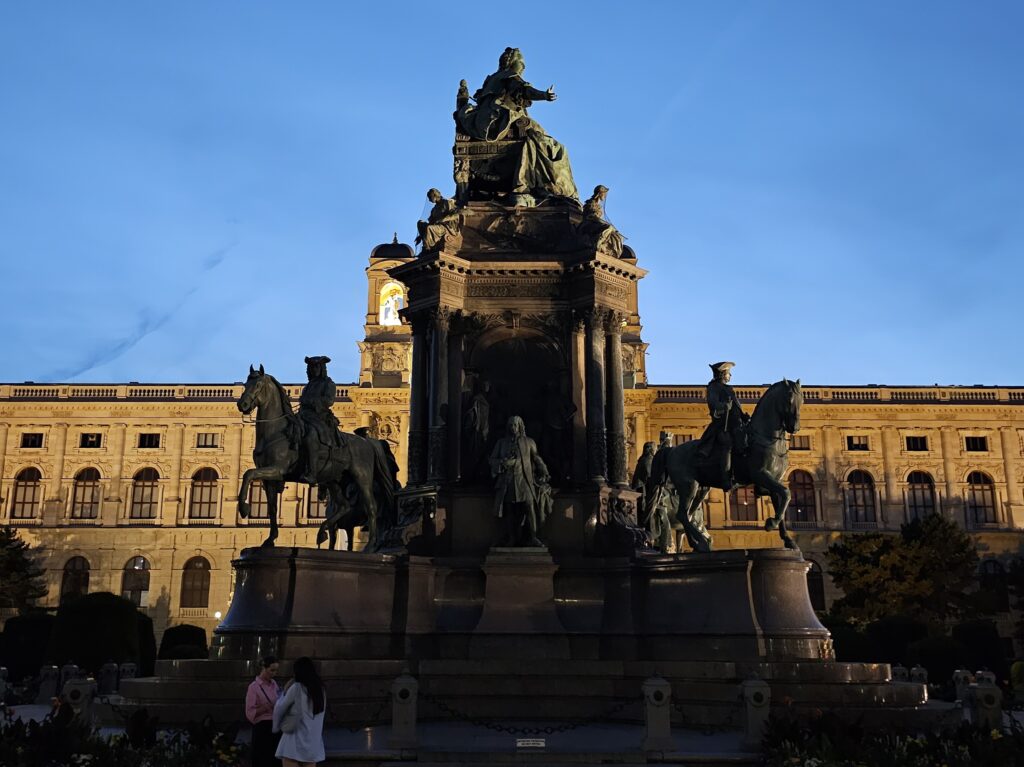
This towering bronze statue, erected in 1888, pays homage to Empress Maria Theresa, the only female ruler of the Habsburg dominions and one of the most influential monarchs in European history. The empress is depicted seated, flanked by generals, advisers, and allegorical figures representing the arts, science, and military power. The memorial, crafted by sculptor Kaspar von Zumbusch, serves as an elaborate visual narrative of the empress’s legacy and the strength of her reign.
A Personal Experience at Sunset
When I visited Maria-Theresien-Platz, I arrived later than expected. Unfortunately, I missed the last entry time for the Kunsthistorisches Museum, a disappointment given my anticipation to explore its vast collection of classical art, including works by Caravaggio, Velázquez, and Bruegel. But what I lost in access, I gained in ambiance.
The timing of my arrival coincided with the golden hour. As the sun began to set, the sandstone façades of the museum glowed warmly, casting long shadows across the square. The gentle hum of conversations, footsteps on cobblestones, and the occasional clicking of camera shutters filled the air. I found a seat near the central garden, surrounded by perfectly trimmed hedges and topiary, and took a moment to appreciate the way the architecture, sculpture, and landscape harmonized together. It was a reminder that not every memorable experience requires entering a building—sometimes, simply being present is enough.
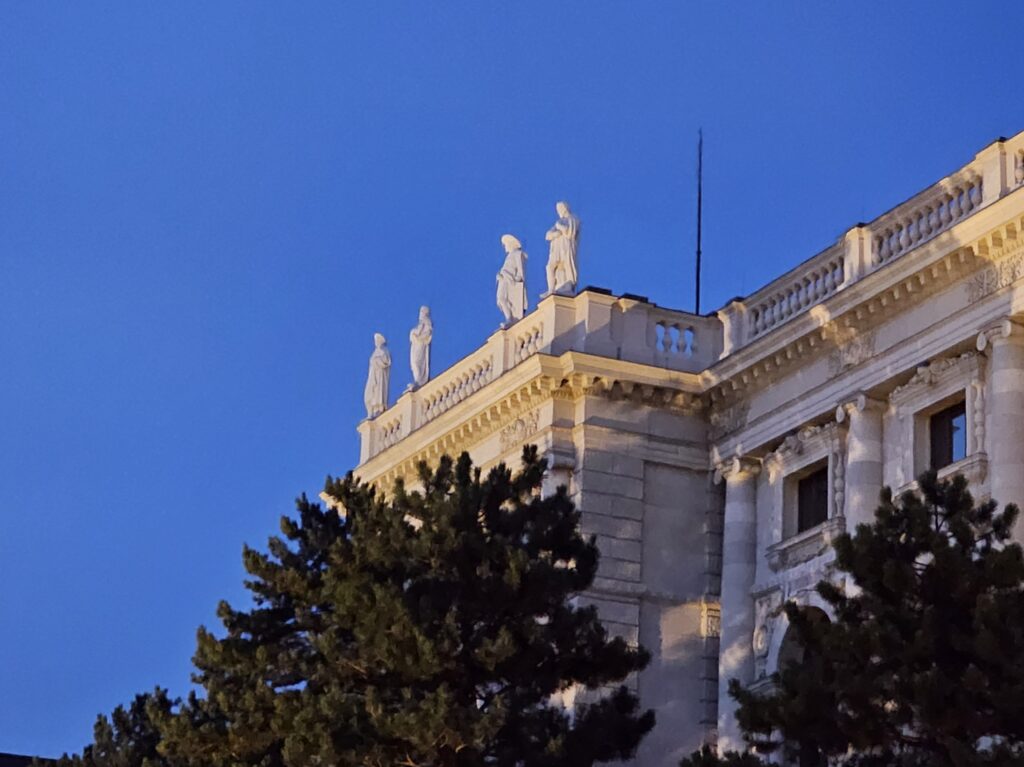
Watching the sunset behind the Kunsthistorisches Museum was a scene I will never forget. The massive dome and statuary atop the roof created striking silhouettes against the fading light. The Maria Theresa Memorial, now bathed in soft shadows, took on a more intimate, contemplative presence. Despite the crowds, there was an unmistakable sense of peace.
As I continued to walk slowly through the square, I couldn’t help but admire the way this site reflects Vienna’s historical soul. It’s a place of elegance without arrogance, of pride without pretense. The stone benches, the manicured shrubs, and the grand buildings all whispered stories of a bygone era. For me, the experience was meditative—a still moment in the middle of a fast-paced journey.
A Place Where Culture and Calm Coexist
Maria-Theresien-Platz is more than just a tourist stop—it’s a cultural and emotional anchor for the city. It’s a space that invites you to pause. Locals use it as a place to sit and chat, tourists explore the surroundings with curiosity, and art and architecture lovers marvel at the sheer historical weight of the site. This plaza offers both motion and stillness, energy and elegance.
The location also serves as a frequent venue for Vienna’s many public festivals and events, including Christmas and Easter markets. These transform the square into a bustling marketplace of artisan crafts, mulled wine, and festive decorations—all against the magnificent museum backdrop.
During these seasonal festivities, the entire plaza becomes a sensory experience. The scent of roasted almonds and Glühwein wafts through the air, while live music performances and artisan stalls breathe life into the historic environment. In these moments, Maria-Theresien-Platz transcends its architectural beauty and becomes a cultural living room where the city gathers to celebrate.
Layers of History Beneath Your Feet
It’s easy to become absorbed in the visual grandeur of the square, but beneath the surface lies centuries of layered history. The very ground you walk upon has witnessed the evolution of Vienna from imperial capital to modern metropolis. Every sculpture, bench, and flowerbed has been intentionally placed to serve a purpose, whether functional or symbolic.
The square, while grand in appearance, is intimate in scale. You can comfortably walk from one museum to the other in minutes, yet you may find yourself lingering for much longer. Perhaps it’s the way light plays off the bronze and stone, or how the domes frame the sky in a perfectly symmetrical composition. Whatever the reason, Maria-Theresien-Platz invites reflection.
Even those who may not be history buffs will find something to appreciate here. Whether you’re photographing the ornate museum facades, sketching the statue of Maria Theresa, or simply resting your feet after a day of sightseeing, the square delivers a sense of serenity rarely found in major capitals.
Tips for Visitors
If you plan to visit the Kunsthistorisches Museum, make sure to check its opening hours ahead of time, as it typically closes in the early evening. Giving yourself enough time to explore the exhibits thoroughly is highly recommended—this is not a museum to rush through. The Museum of Natural History, just across the plaza, is equally extensive and ideal for families.
That said, even if your visit aligns more with mine—a walk through Maria-Theresien-Platz after hours—you won’t be disappointed. The combination of architectural beauty, imperial history, and peaceful atmosphere creates an unforgettable experience. It’s a place where past and present converge in a single breath.
Whether you’re visiting Vienna for the first time or returning to soak in its charm once again, Maria-Theresien-Platz offers an experience that resonates on both visual and emotional levels. It’s an essential stop that brings the city’s imperial elegance and cultural richness into clear focus.
For anyone visiting Vienna, I strongly recommend including Maria-Theresien-Platz on your itinerary. Whether you’re an art enthusiast, a history buff, or simply someone looking to appreciate beauty in an urban setting, this square offers something profound. My experience—though cut short by time—was deeply moving and visually rewarding. Sometimes, the best moments of travel are those you didn’t plan for.
Practical Information
- Location: Maria-Theresien-Platz, 1010 Vienna, Austria
- Main Attractions: Kunsthistorisches Museum, Naturhistorisches Museum, Maria Theresa Memorial
- Nearest U-Bahn Station: Museumsquartier (U2) or Volkstheater (U2, U3)
- Recommended Visit Duration: 1–2 hours for the square itself; 2–3 hours per museum
- Opening Hours:
- Kunsthistorisches Museum: Typically 10:00 AM – 6:00 PM (closed Mondays, check for seasonal variations)
- Naturhistorisches Museum: Typically 9:00 AM – 6:30 PM
Powder Tower (Prašná brána), A Gothic Gateway to Prague’s Glorious Past