
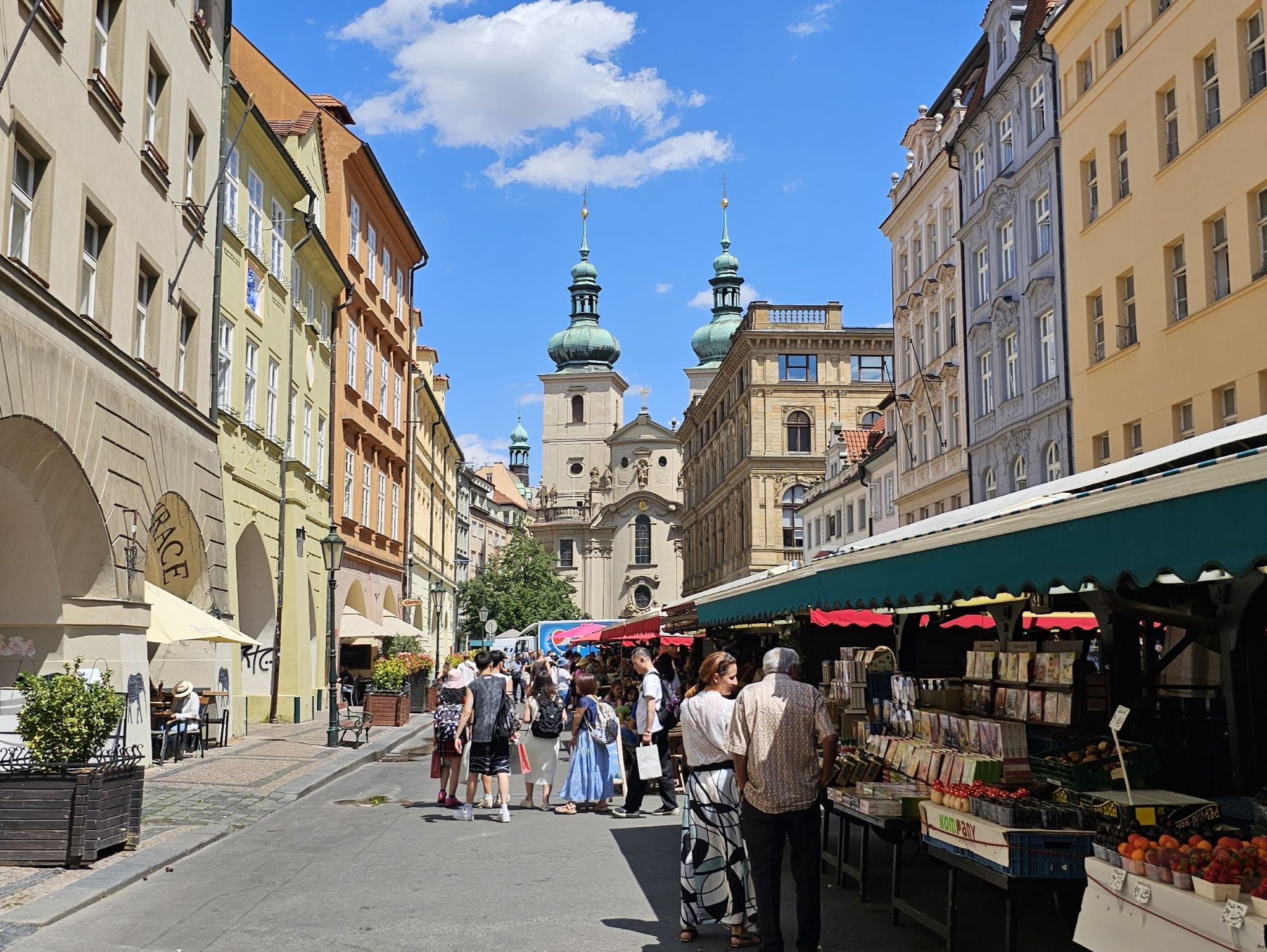
If you’re exploring Prague’s Old Town and want to experience something both lively and rooted in centuries of tradition, a stop at Havel Market is a must. Located conveniently between Wenceslas Square and Old Town Square, this open-air market offers a delightful mix of history, local culture, and an opportunity to bring home a piece of Prague. Whether you’re in the mood for handcrafted wooden toys, fresh seasonal produce, or traditional Czech souvenirs, Havel Market is an ideal destination.
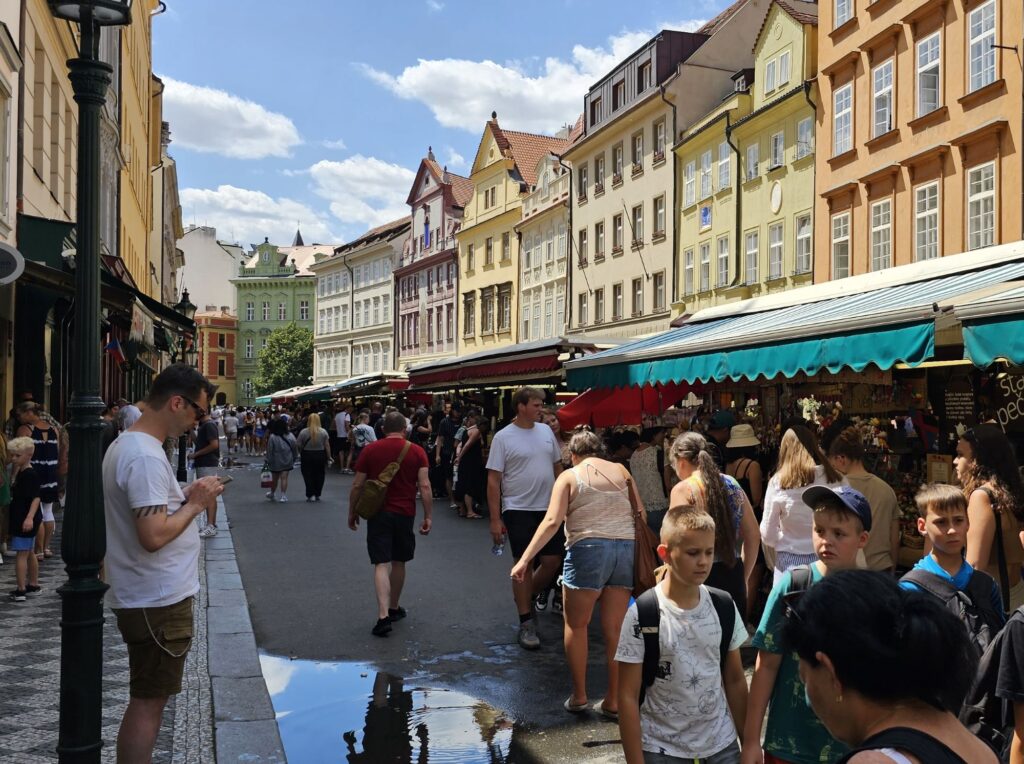
A Marketplace with 13th-Century Origins
Havel Market, or Havelské tržiště in Czech, was established in 1232, making it one of the oldest surviving markets in Europe. It was created as part of the expansion of Prague’s “New Town of St. Havel” by King Wenceslas I and was originally one of only a few official marketplaces within the city. Its location and purpose remained relevant through centuries of change, witnessing Prague’s evolution from a medieval trading hub to a modern European capital.
Back in its early days, Havel Market catered to local merchants and townspeople, offering food, household goods, and textiles. The street where the market is located—Havelská Street—still bears the name of its original patron saint and is lined with Renaissance and Baroque buildings that add a historic backdrop to the stalls.
What to Expect at Havel Market
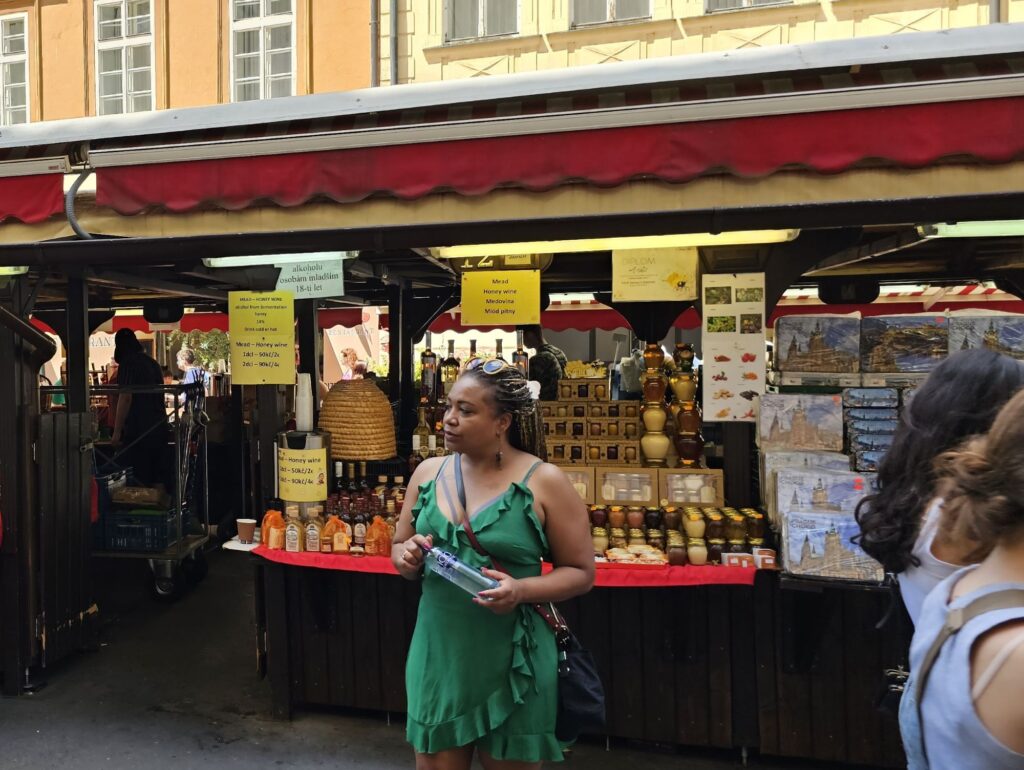
Today, Havel Market is a lively blend of the traditional and the contemporary. Stalls here offer everything from fresh fruits and vegetables to handcrafted wooden toys, fragrant soaps, Czech honey and liqueurs, and Bohemian glassware. If you’re seeking memorable souvenirs, you’ll find no shortage of options—from hand-painted Easter eggs and marionettes to Prague-themed magnets and ceramic mugs.
One of the best parts of Havel Market is its authentic Czech atmosphere. Many vendors are artisans themselves, passionate about their crafts and happy to share the stories behind their goods. I remember a vendor explaining the intricate process of hand-carving puppets—a Czech tradition that dates back centuries. These encounters give the market an added layer of cultural significance that goes beyond shopping.
Seasonal Highlights and Local Flavors
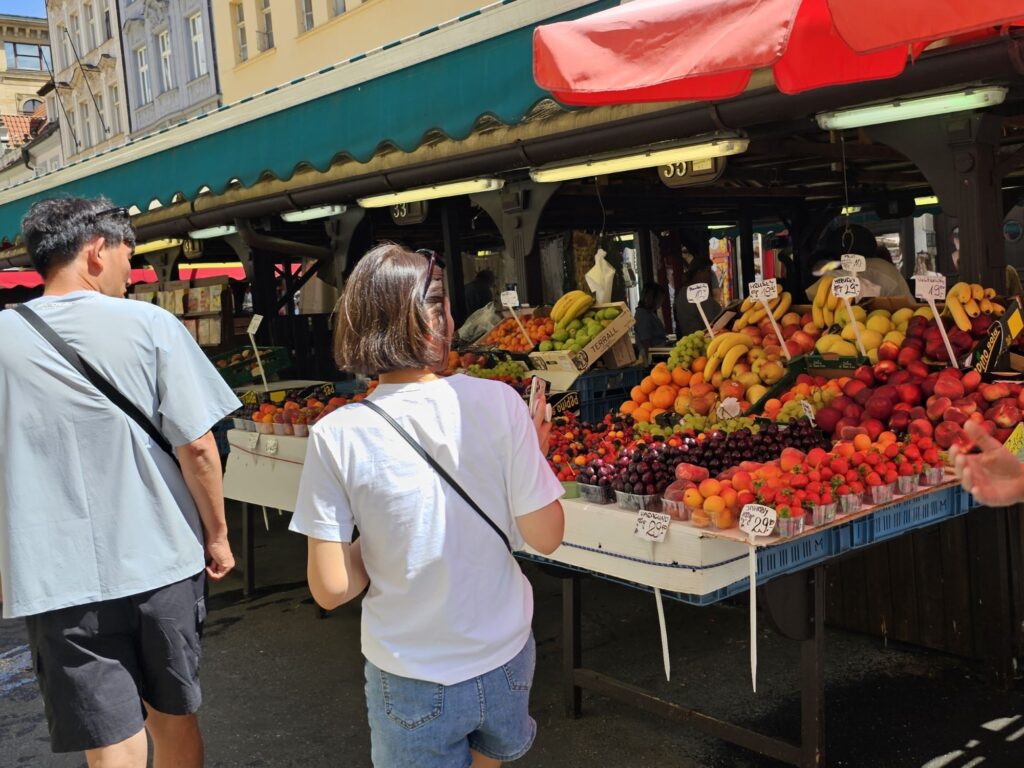
Depending on when you visit, the offerings at Havel Market change with the seasons. In the summer months, the fruit stalls are especially enticing, with heaps of ripe Czech-grown cherries, plums, and strawberries. In autumn, you might find pumpkins, wild mushrooms, and decorative gourds. Around Christmas, the market takes on a magical feel, with vendors selling handmade ornaments, gingerbread cookies, and mulled wine to warm up the chilly air.
A few local specialties to try include Czech honey, often sold in small jars or as honeycomb; Becherovka, a traditional herbal liqueur; and carved wooden items that range from spoons and bowls to intricate figures. For a quick snack, you can also find Trdelník, the popular chimney cake, though more touristy than local in origin.
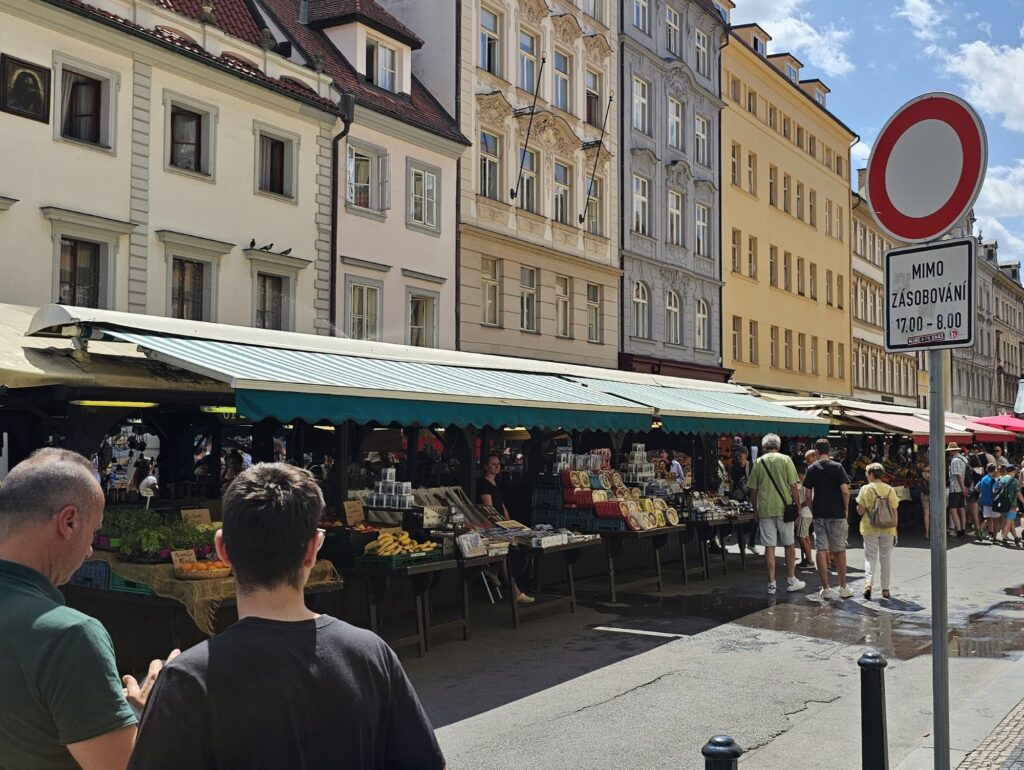
Accessibility and Atmosphere
Havel Market is centrally located, making it easy to access by foot if you’re already exploring the Old Town. The closest metro station is Můstek, which connects Lines A and B, just a few minutes away. From there, it’s a short walk through charming cobbled streets to reach the market. The vibe is lively but not overwhelming, and since the market is partially covered, it’s a great destination even on a rainy day.
What makes Havel Market particularly memorable is its setting—surrounded by historical facades and echoing with the sounds of musicians and street performers nearby. On my own visit, I stopped by in the late morning and found the market bustling with both locals shopping for produce and tourists hunting for souvenirs. I chatted with a vendor about the origin of the carved wooden mushrooms on display and walked away with a small collection that now decorates my kitchen.
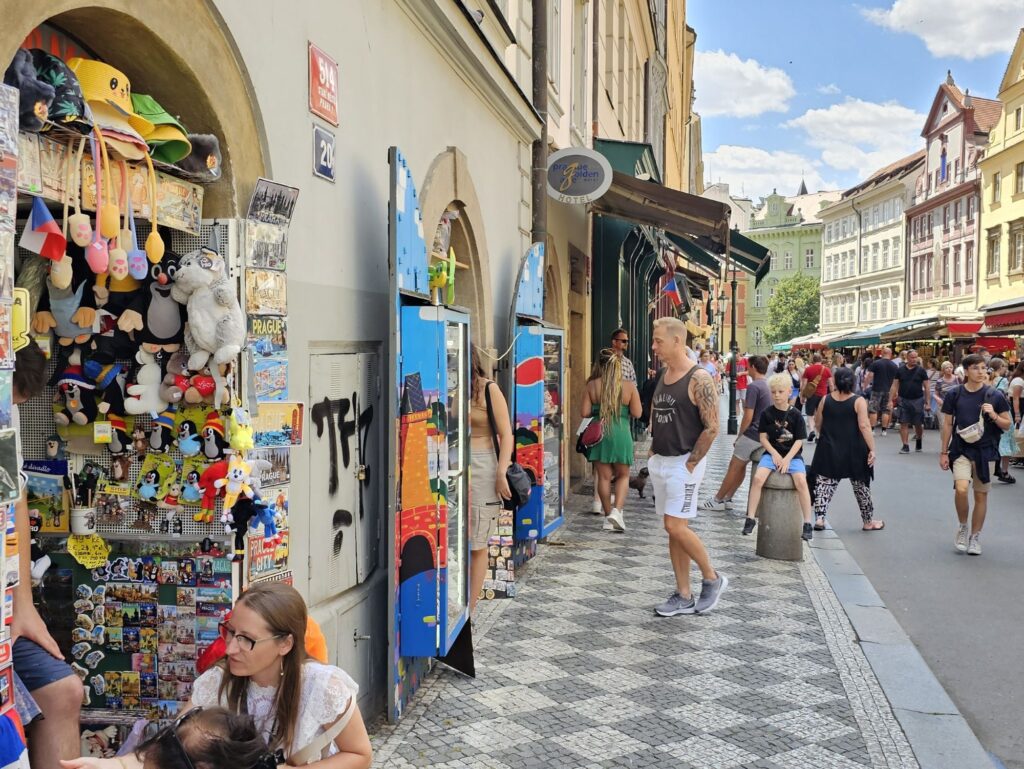
Practical Travel Tips
- Timing Your Visit: Visit in the morning for fresh produce, or later in the afternoon when the market is quieter for browsing souvenirs.
- Cash vs. Card: Some vendors accept credit cards, but carrying some Czech koruna (CZK) is still recommended.
- Bargaining: Polite negotiation is acceptable, especially if you’re buying multiple items.
- Photography: The colorful stalls make for great photo ops, but always ask before photographing people or close-ups of items.
Nearby Attractions
Thanks to its central location, Havel Market can easily be included in a walking itinerary. After shopping, you can head east to the Astronomical Clock and Old Town Square, or west to Wenceslas Square. Both are less than a 10-minute walk away. For something more relaxed, grab a coffee from one of the nearby cafés and people-watch as the city flows around you.
The market is also a short stroll from Charles Bridge, so if you’re heading to or from the Vltava River, it’s a pleasant detour that adds texture to your Prague experience.
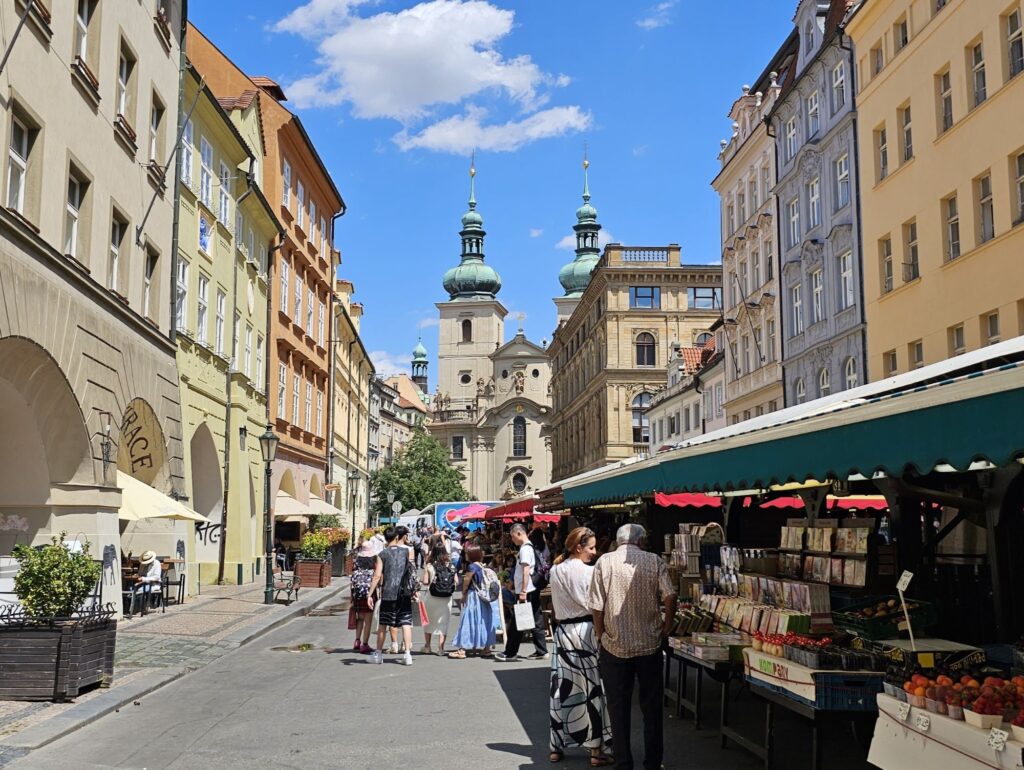
Final Thoughts
Havel Market offers a rare opportunity to shop and experience Prague’s living history at the same time. Whether you’re picking up a keepsake, sampling local flavors, or simply enjoying the atmosphere, the market remains true to its roots while embracing its role in modern tourism. For me, it was one of those unplanned yet unforgettable stops—the kind that stays with you long after your trip is over.
If you’re visiting Prague and want a truly local experience in the heart of the city, don’t miss Havel Market.
Practical Information
- Name: Havel Market (Havelské tržiště)
- Address: Havelská Street, 110 00 Prague 1 – Old Town
- Opening Hours: Daily, 6:00 AM – 6:30 PM (hours may vary seasonally)
- How to Get There: 3-minute walk from Můstek metro station (Lines A & B)
- Website: https://prague.eu/cs/objevujte/havelske-trziste
Restaurace U Dvou velbloudů: Where Classic Czech Flavors Shine in the Heart of Prague
Powder Tower (Prašná brána), A Gothic Gateway to Prague’s Glorious Past
Havel Market sounds like such a charming place! I love how it blends history with everyday life, making it feel alive and authentic. The description of the Renaissance and Baroque buildings as a backdrop is so vivid—it must be stunning to see in person. I’m curious about the carved wooden mushrooms; what’s the story behind them? They seem like such a unique souvenir. Do you think the market has managed to maintain its local charm despite the influx of tourists? I’d love to hear more about your experience and any tips for someone visiting for the first time. What’s the best time to go to really soak in the atmosphere?
Yes, Havel Market has definitely become more touristy over the years, but it still holds onto its traditional charm—especially if you visit early in the morning before the crowds. The carved wooden mushrooms are a lovely nod to Czech culture, where mushroom picking is a beloved national pastime. They represent a deep connection to nature and childhood memories for many locals. If you’re visiting for the first time, I recommend going on a weekday morning to enjoy a more peaceful atmosphere and explore the stalls at your own pace. Don’t forget to bring cash and look out for handmade crafts like wooden toys, candles, and ceramics!