
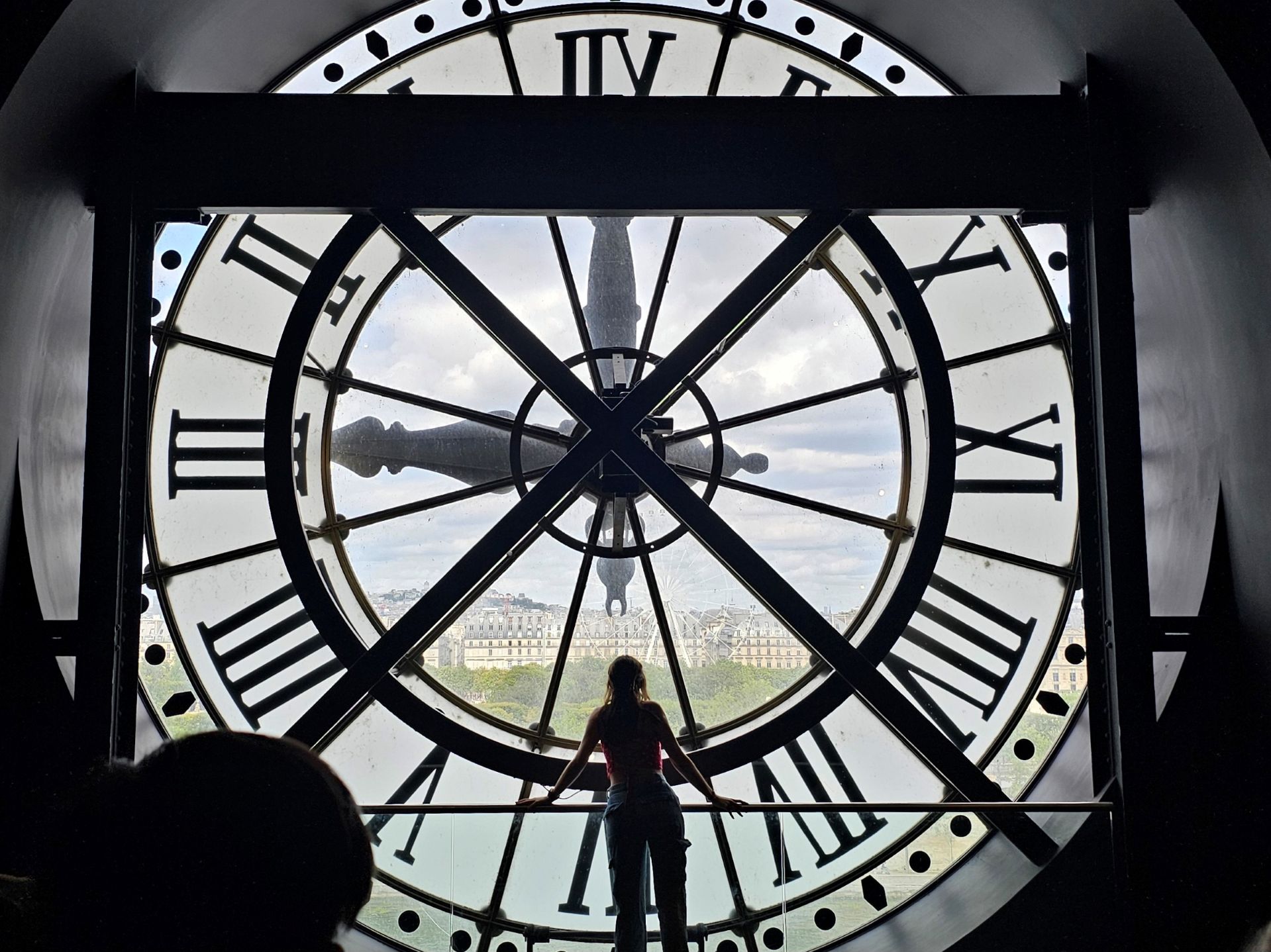
Nestled along the left bank of the Seine River, the Musée d’Orsay is one of Paris’s most celebrated art museums, especially renowned for its vast collection of Impressionist and Post-Impressionist masterpieces. With its roots in a former railway station and its present identity as an artistic powerhouse, the museum offers a fascinating blend of history, architecture, and culture that enchants visitors from around the world.
From Train Station to Art Institution
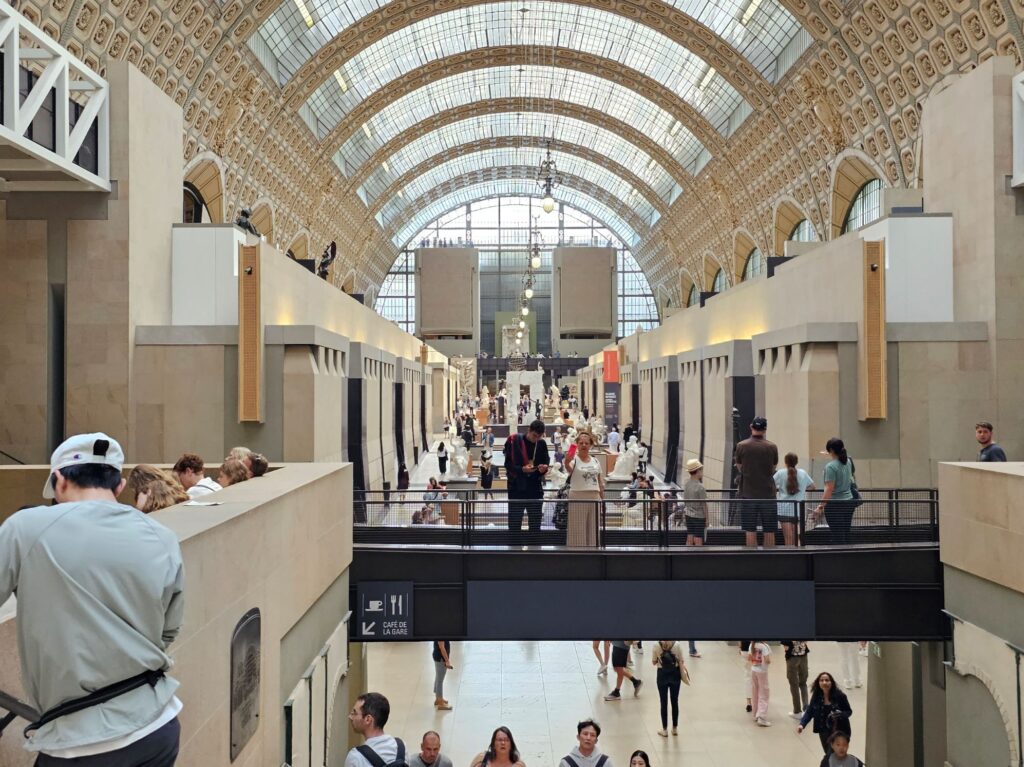
Musée d’Orsay building originally served as the Gare d’Orsay, a railway station inaugurated for the 1900 Exposition Universelle (World’s Fair). Designed by architect Victor Laloux, it was an architectural marvel of its time, combining Beaux-Arts elegance with cutting-edge steel and glass construction. This magnificent train station symbolized Paris’s status as a center of progress and modernity.
However, as longer trains came into use, the station could no longer accommodate the new carriages, and by 1939, it ceased serving long-distance routes. Over the following decades, the building was repurposed for various functions, including a mailing center during World War II, a shelter for prisoners of war, and even a film set. A plan to demolish the building in the 1970s was met with strong resistance from preservationists and art lovers, leading to its rescue and transformation into a museum.

The French government officially approved the conversion project in 1977, and Italian architect Gae Aulenti led the interior redesign, creating a harmonious space that preserved the grandeur of the original architecture while adapting it to showcase fine art. After years of meticulous restoration, the Musée d’Orsay opened to the public in December 1986, filling a crucial chronological gap between the classical works at the Louvre and the modern art at the Centre Pompidou.
Masterpieces to Discover
Musée d’Orsay’s collection spans 1848 to 1914 and boasts the world’s largest collection of Impressionist and Post-Impressionist paintings.
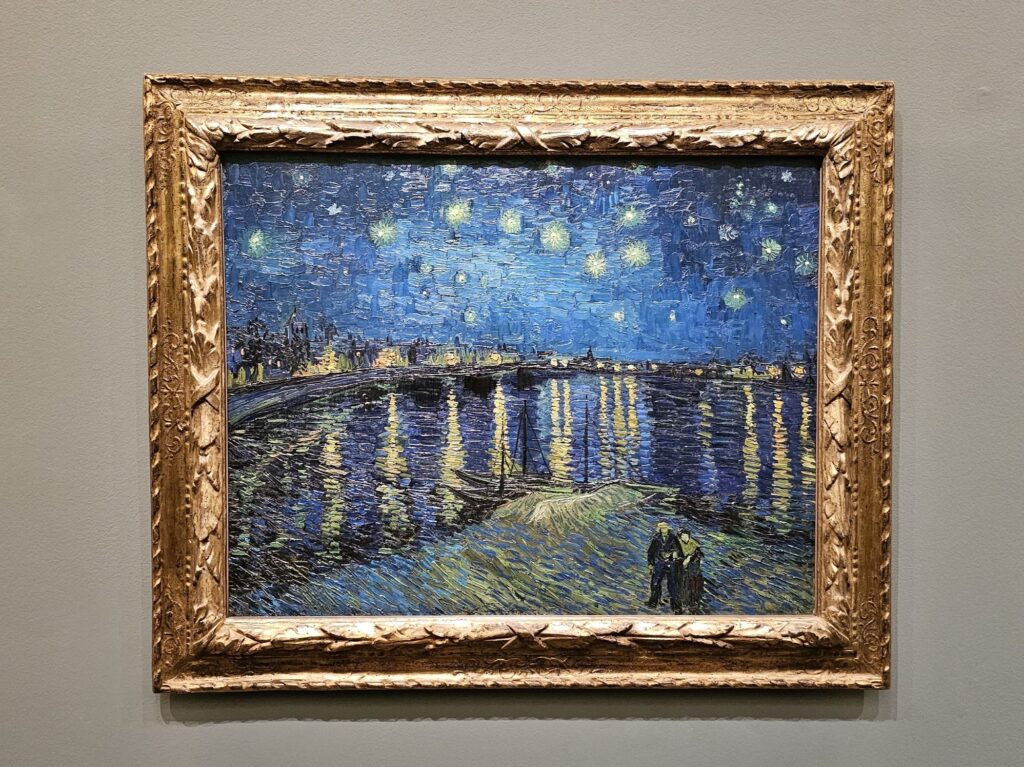

Vincent van Gogh: Among the most emotionally resonant works are Van Gogh’s Starry Night Over the Rhône, Self-Portrait, and Bedroom in Arles. These masterpieces showcase his expressive brushwork and vivid colors, offering a glimpse into the artist’s psychological turmoil and groundbreaking style.
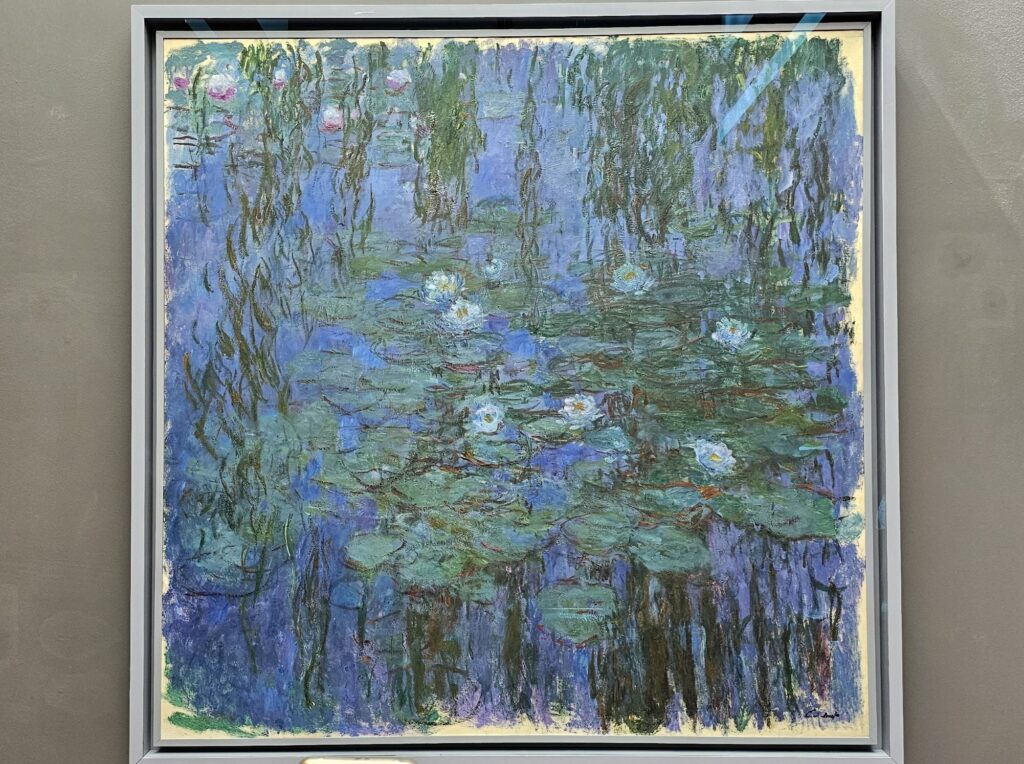
Claude Monet: Monet’s works in the Musée d’Orsay, such as The Saint-Lazare Station, capture the transience of light and atmosphere. His iconic treatment of urban and natural landscapes marks a shift from traditional representation to modern sensory impression.
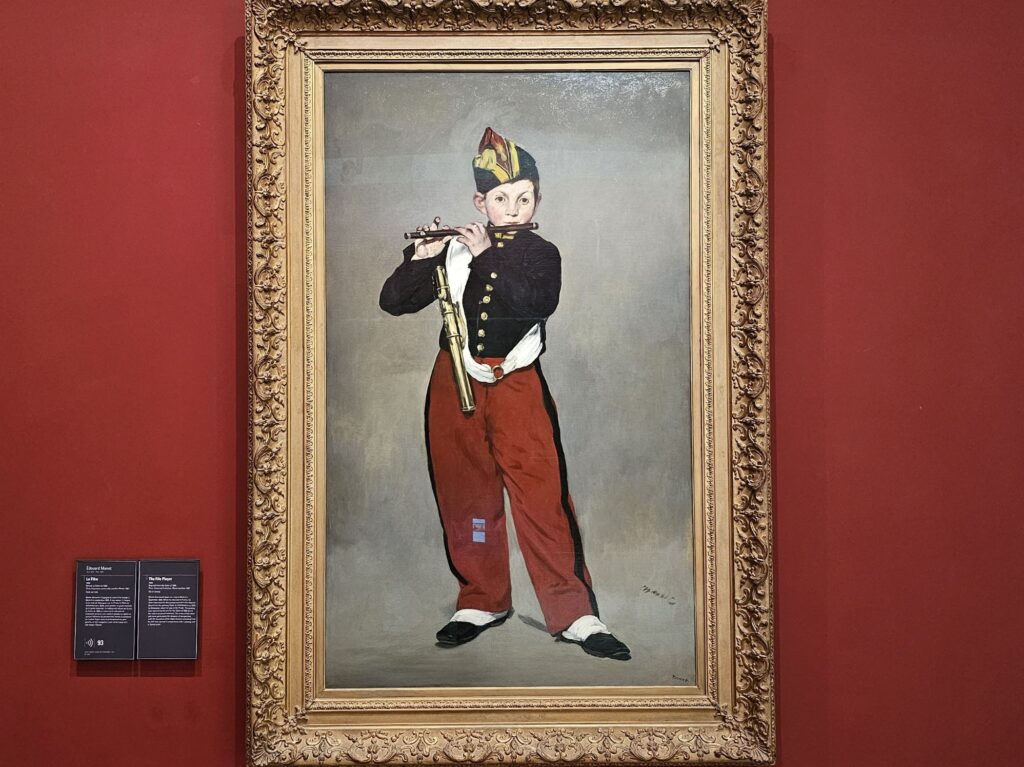


Édouard Manet: His painting Olympia—a provocative and defiant portrayal of a reclining nude—challenged the artistic and moral standards of the time. It marked a turning point in the transition from realism to modern art.
Edgar Degas: The Orsay holds several of Degas’s finest works, including The Ballet Class and the bronze sculpture Little Dancer of Fourteen Years. Degas’s focus on dancers and domestic scenes captures the nuance of human movement and emotion.
Paul Cézanne: A precursor to Cubism, Cézanne’s paintings like The Card Players reveal a structured, almost architectural approach to form. His work bridged the gap between Impressionism and the avant-garde.
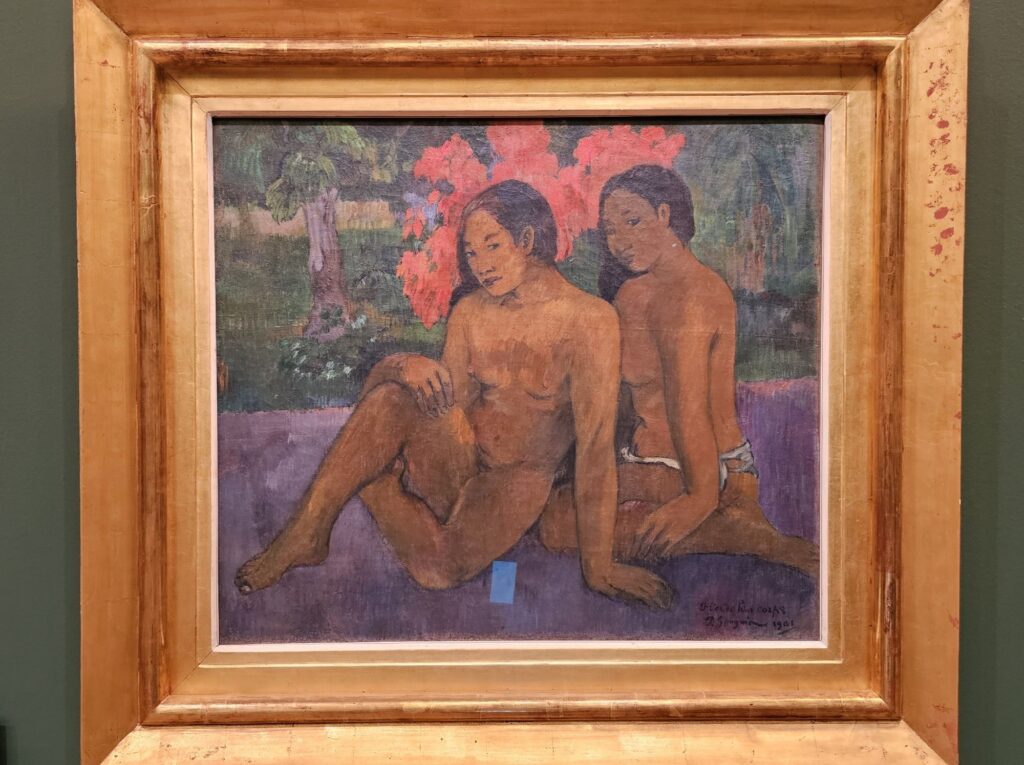
Paul Gauguin: Known for his vibrant use of color and symbolism, Gauguin’s pieces such as Where Do We Come From? What Are We? Where Are We Going? reflect his quest for purity and meaning in Tahitian life.
Auguste Rodin: Though the Musée Rodin is dedicated to the sculptor, the Orsay features pivotal pieces like The Age of Bronze, which showcases his departure from classical stiffness to naturalistic poses.
Jean-Baptiste Carpeaux: His dynamic sculpture Dance, originally created for the façade of the Paris Opera House, embodies movement and emotion in dramatic form.
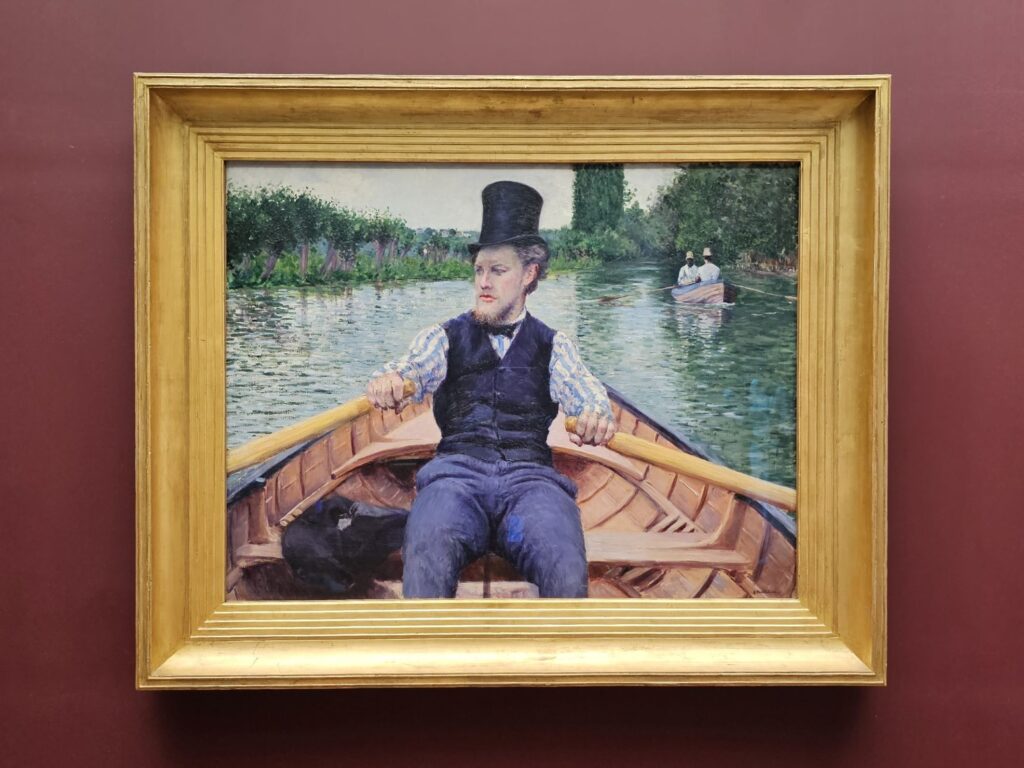
Art Nouveau Designs: Musée d’Orsay also features elegant Art Nouveau pieces—furniture, lamps, and decorative arts by designers like Hector Guimard and Émile Gallé—highlighting the harmony between form and function during the Belle Époque.
Visiting Tips and Atmosphere
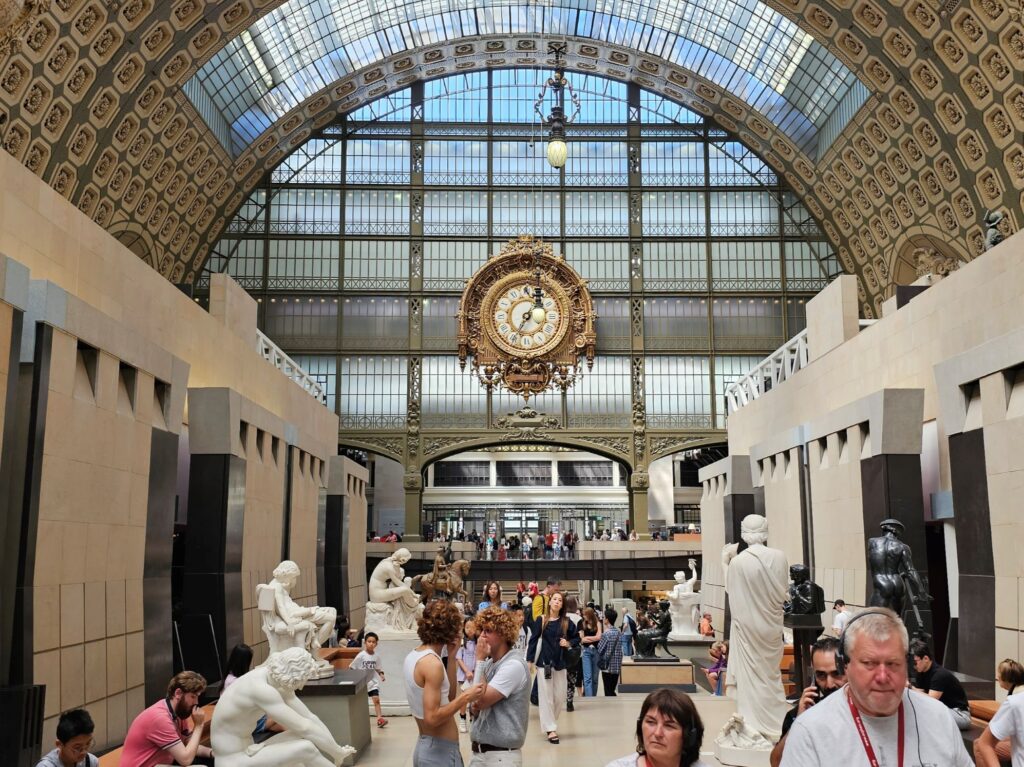
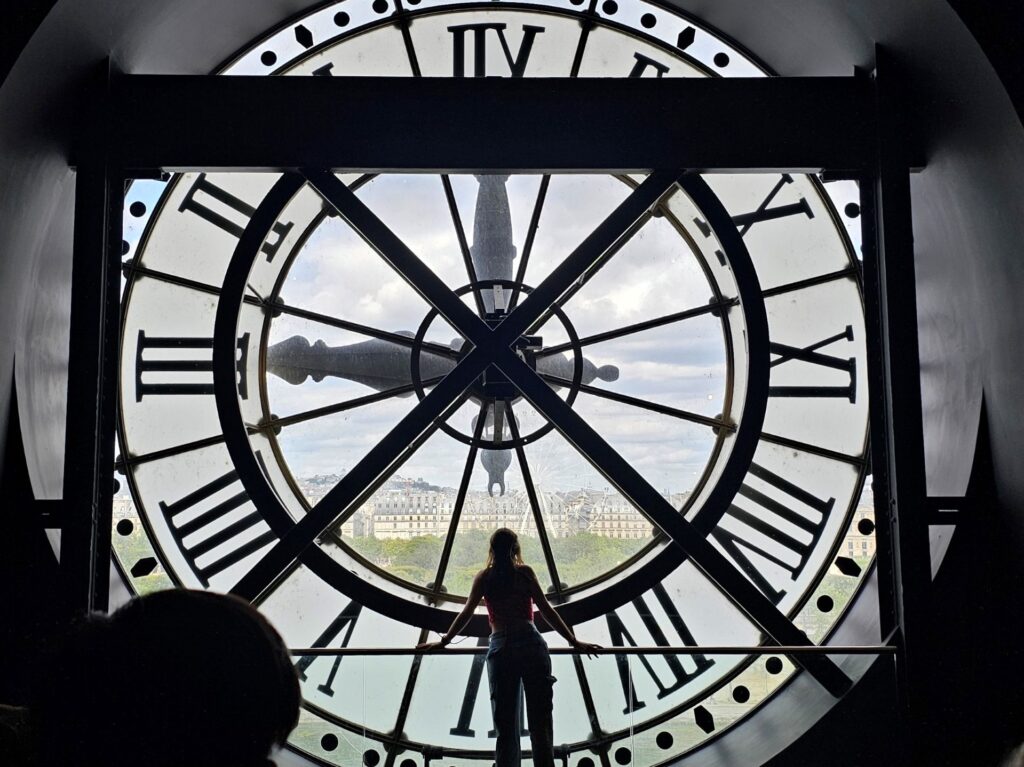
Musée d’Orsay’s spacious interior and natural lighting make for a comfortable and inspiring viewing experience. Its central nave, high ceilings, and enormous station clocks offer striking perspectives, both on the art and the city beyond. Visitors can enjoy panoramic views of Paris through the iconic upper-level clock face—a favorite spot for photographs.

To optimize your visit, consider purchasing tickets online to bypass queues. Musée d’Orsay offers audio guides for a richer experience. These are available in several languages including French, English, Spanish, German, Italian, Japanese, and Chinese. The audio guide rental costs approximately €5 and provides commentary on a wide range of highlighted pieces, enhancing your understanding and appreciation of the collection. Alternatively, a mobile app is available for download with similar content.
Guided tours are also offered for those looking for more structured insight. On Thursday evenings, extended hours create a quieter, more contemplative ambiance, perfect for art enthusiasts who wish to take their time.
For convenience, the museum provides luggage storage and cloakroom services, allowing you to explore unencumbered. Dining options within the museum include a casual café and the elegant Restaurant du Musée d’Orsay, adorned with Belle Époque décor and chandeliers. The museum shop is ideal for purchasing art books, postcards, and design-focused souvenirs to commemorate your visit.

Nearby Attractions
The Musée d’Orsay is ideally located for a full day of exploration. Just across the Seine is the Louvre Museum, home to da Vinci’s Mona Lisa and countless historical works. A walk through the nearby Tuileries Garden brings you to the Orangerie Museum, known for Monet’s Water Lilies mural series. The Seine River promenade is ideal for a scenic stroll, while the Eiffel Tower is just a short distance to the west.
The surrounding Saint-Germain-des-Prés neighborhood is also worth visiting, offering historic cafés like Les Deux Magots and Café de Flore, along with boutique shops, art galleries, and a quintessentially Parisian atmosphere.

Practical Information
- Location: 1 Rue de la Légion d’Honneur, 75007 Paris, France
- Opening Hours: Tuesday to Sunday, 9:30 AM – 6 PM (open until 9:45 PM on Thursdays); closed on Mondays
- Admission: €16 (free for EU residents under 26); included with the Paris Museum Pass
- Audio Guide: €5 rental; available in English, French, Spanish, German, Italian, Japanese, Chinese
- Services: Cloakroom and luggage storage available onsite
- Nearest Metro: Solférino (Line 12) or Musée d’Orsay RER C station
- Website: https://www.musee-orsay.fr
Why Consider the Paris Museum Pass?
Musée Rodin, Paris: A Sculptural Haven in the Heart of the City