
If you’re planning a trip to Paris and want to experience the city beyond the Eiffel Tower and croissants, the Paris Museum Pass can be your ultimate travel companion. As someone who enjoys visiting museums and historical sites, I found this pass to be a convenient and valuable investment during my recent journey to the City of Light. Whether you’re a first-time visitor or a seasoned traveler, the Paris Museum Pass can help you unlock some of Paris’s most treasured landmarks without the hassle of waiting in long lines or purchasing tickets individually.
What Is the Paris Museum Pass and How Much Does It Cost?
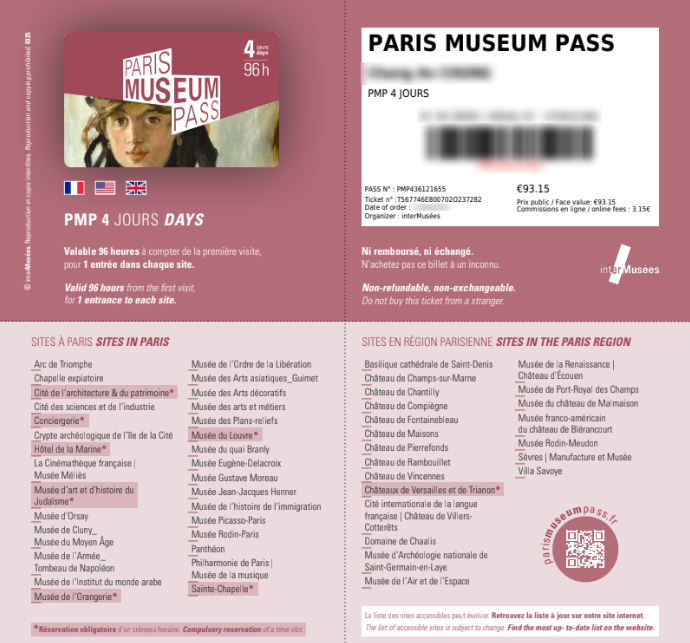
The Paris Museum Pass is a prepaid card that allows you unlimited access to over 50 museums and monuments in Paris and the surrounding area. These include world-famous sites such as the Louvre Museum, the Palace of Versailles, the Arc de Triomphe, and more hidden gems like the Musée des Arts et Métiers or the Château de Vincennes.
The pass is available in three durations—2, 4, and 6 consecutive days—and the price varies accordingly. As of 2025, the costs are €70 for 2 days, €90 for 4 days, and €110 for 6 days. Unlike many other city passes that include public transport or dining discounts, the Paris Museum Pass focuses solely on cultural institutions, making it ideal for history buffs, art lovers, students, and anyone who wants to experience Paris’s deep cultural roots in a structured, affordable way.
Where and How to Buy the Paris Museum Pass
I purchased the 4-day Paris Museum Pass at the Carrousel du Louvre, an underground shopping center that’s directly connected to the Louvre Museum. There were several ticket counters clearly marked, and buying the pass was both quick and easy. You can also find the pass at Charles de Gaulle and Orly airports, major train stations such as Gare de Lyon and Gare du Nord, tourist information offices scattered around Paris, and select bookstores and hotels.
Alternatively, it’s possible to purchase it online through the official website and receive it by email. If you buy the Paris Museum Pass online, you’ll receive a digital version via email that includes a scannable QR code. This version can be conveniently downloaded and stored on your smartphone, allowing you to access each museum simply by scanning the QR code at the entrance. This digital format was incredibly easy to use and saved me from carrying around a paper ticket.

My Personal Itinerary Using the Paris Museum Pass
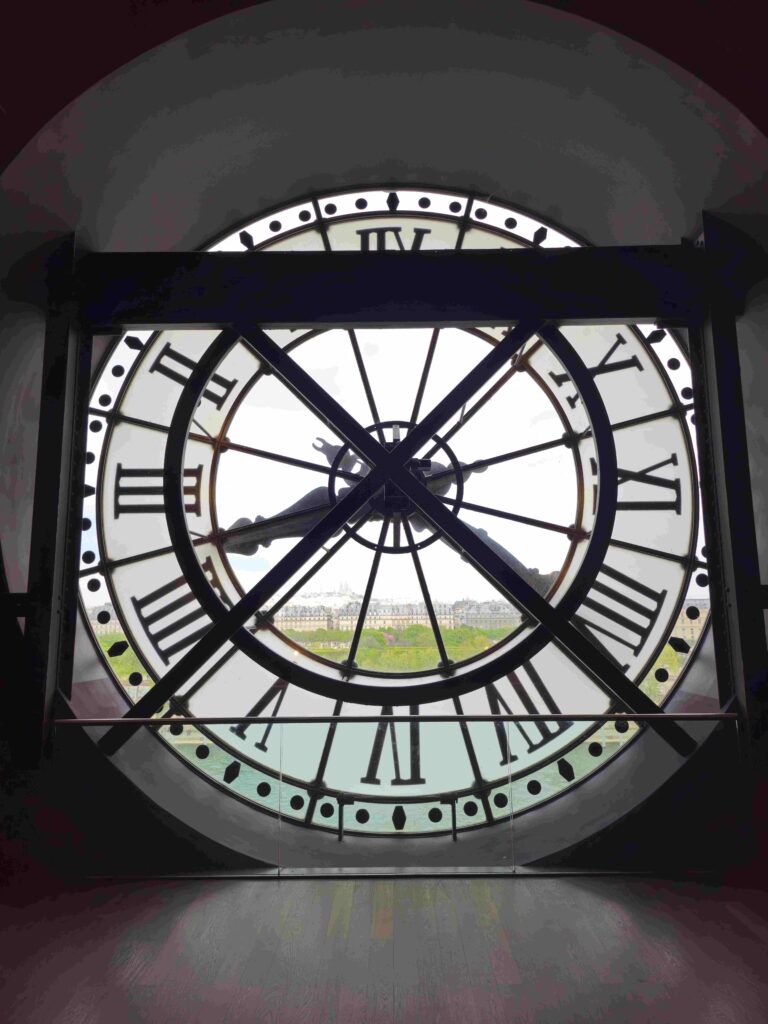

During my four-day use of the Paris Museum Pass, I was able to visit some of Paris’s most celebrated sites without feeling rushed. My itinerary included the Louvre Museum, Musée d’Orsay, Centre Pompidou, Sainte-Chapelle, Conciergerie, Rodin Museum, Panthéon, and Arc de Triomphe. Each experience was unique and culturally enriching—from admiring Monet’s water lilies at Orsay to standing under the magnificent stained glass of Sainte-Chapelle.
The ability to skip ticket lines was one of the biggest perks. At the Louvre, for instance, the standard ticket queue extended out the door, but pass holders had a separate entrance and significantly faster access. This saved me at least 45 minutes. The Paris Museum Pass gave me the freedom to explore at my own pace and also allowed me to revisit favorite sites like the Rodin Museum on a whim, since no extra cost was involved.
Attractions Requiring Advance Reservations with the Paris Museum Pass

That said, not all attractions operate on a walk-in basis. Some high-demand locations require time-slot reservations in advance, even if you have the Paris Museum Pass. The most notable include the Louvre Museum, Palace of Versailles, Sainte-Chapelle, and Musée de l’Orangerie. These reservations are free and can be booked via each museum’s official website.
I secured my Louvre slot five days prior to visiting and had no issue selecting a morning entry time. Versailles, being outside the city center, also needs a bit more logistical planning, so I booked that on my second day. Be sure to check each site’s specific policy on reservations before your trip and try to plan your visit to these major attractions early in your stay.

Tips to Maximize the Value of Your Paris Museum Pass
Maximizing the Paris Museum Pass means being strategic with your itinerary. The best approach is to group nearby attractions together, saving time and avoiding unnecessary transit. For example, Sainte-Chapelle and Conciergerie are both located on Île de la Cité and can be visited within the same morning. Similarly, Musée d’Orsay and the Orangerie are conveniently situated along the Seine. Most museums close one day per week (often Monday or Tuesday), so check operating hours in advance. I managed to visit 2 to 3 locations per day, balancing indoor art immersion with leisurely café stops nearby.
Because the Paris Museum Pass is valid for consecutive calendar days, it’s essential to plan your travel route carefully in advance. Poor planning can result in wasted time moving between distant locations, reducing the value you get from the pass. Creating a daily itinerary that clusters sites geographically and accounts for necessary reservations can make a huge difference in how much you’re able to see and enjoy.
If you’re traveling with family or friends, note that children under 18 and EU citizens under 26 enjoy free admission to most state-run museums. So if you’re accompanying younger travelers, they may not need their own pass. Some museums also offer free entry to all on the first Sunday of each month, though this comes with heavy crowds. For long-term visitors or those who plan to take short day trips (like to Château de Fontainebleau or the National Archaeology Museum in Saint-Germain-en-Laye), the 6-day Paris Museum Pass offers excellent flexibility and cost efficiency.
Final Thoughts: Is the Paris Museum Pass Worth It?
In my experience, the Paris Museum Pass offers exceptional value for travelers who want to explore Paris’s cultural heritage intensively over several days. Not only does it save you money compared to buying individual tickets, but it also spares you the frustration of standing in line or fumbling with cash or card at every entrance. It encourages spontaneous discovery—you can pop into a smaller museum without wondering if it’s worth the ticket price.
More importantly, the pass adds rhythm and purpose to your sightseeing, especially if you’re passionate about art, history, and architecture. For me, it turned a packed sightseeing schedule into an enjoyable, enriching flow of discovery. With the added convenience of digital access via QR code, the Paris Museum Pass has become even more user-friendly, making it a top recommendation for any traveler to Paris.
Summary of Key Information
- Pass Durations & Prices: 2-day (€70), 4-day (€90), 6-day (€110)
- Where to Buy: Online (email delivery), airports, train stations, Carrousel du Louvre, tourist info centers, select hotels and bookstores
- Free Entry to: Over 50 sites including Louvre, Orsay, Rodin Museum, Centre Pompidou, Panthéon, Arc de Triomphe, Conciergerie, Cluny Museum, Château de Vincennes, and more
- Reservation Required (Even with Pass): Louvre Museum, Palace of Versailles, Sainte-Chapelle, Musée de l’Orangerie
- Digital Use: Online pass includes scannable QR code for easy entry via smartphone
- Website: www.parismuseumpass.fr
Paris in May: Weather, What to Wear, and Travel Tips for a Perfect Spring Trip
The Paris Museum Pass sounds like a fantastic way to dive deep into the rich cultural heritage of Paris without the usual hassle of long queues. It’s impressive that it covers over 50 sites, including both iconic landmarks like the Louvre and hidden treasures such as the Musée des Arts et Métiers. The pricing seems reasonable, especially for those planning to visit multiple attractions. I appreciate how it caters specifically to cultural institutions, making it a must-have for art and history enthusiasts. Your experience of buying the pass at the Carrousel du Louvre sounds convenient—did you encounter any challenges while planning your itinerary? I’d love to hear more about how you managed to balance your visits so effectively. Do you think the pass would also be suitable for someone who prefers a more leisurely pace or is it better for those who want to pack in as much as possible?
Your perspective on the Paris Museum Pass is spot on—it really does offer an efficient and enriching way to explore the city’s incredible cultural scene. Buying it at the Carrousel du Louvre is definitely convenient, especially since you can start using it right away from a central location.
In terms of itinerary planning, one of the biggest challenges can be balancing ambition with energy levels. Since the pass is activated by days (not by hours or per entry), it’s smart to group nearby sites together. For example, visiting Sainte-Chapelle, Conciergerie, and Notre-Dame crypt on the same day minimizes transit time and maximizes the pass’s value.
As for your question—yes, the pass can work well for a leisurely traveler too. The key is selecting fewer attractions per day and focusing on ones that are close to each other. Even with just 2–3 visits daily, you can make the most of it without feeling rushed. It’s ideal for both types of travelers—as long as the itinerary aligns with their pace and interests.
Thank you for visiting 🙂