

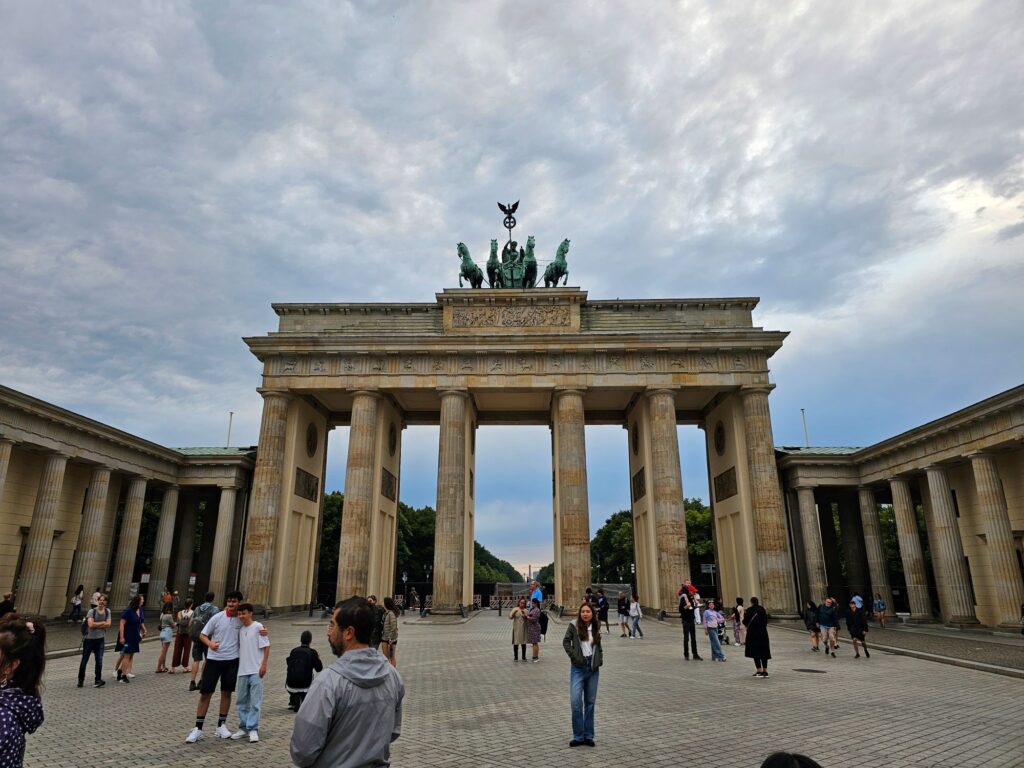
Standing proudly at the heart of Berlin, the Brandenburger Tor (Brandenburg Gate) is more than just a historic monument—it is a powerful symbol of German unity, freedom, and resilience. Whether you are visiting Berlin for the first time or returning to explore its layered history, this landmark is an essential stop. In this detailed SEO-optimized guide, you will discover the history, symbolism, visiting tips, and practical information to make the most of your experience.
The History of Brandenburger Tor
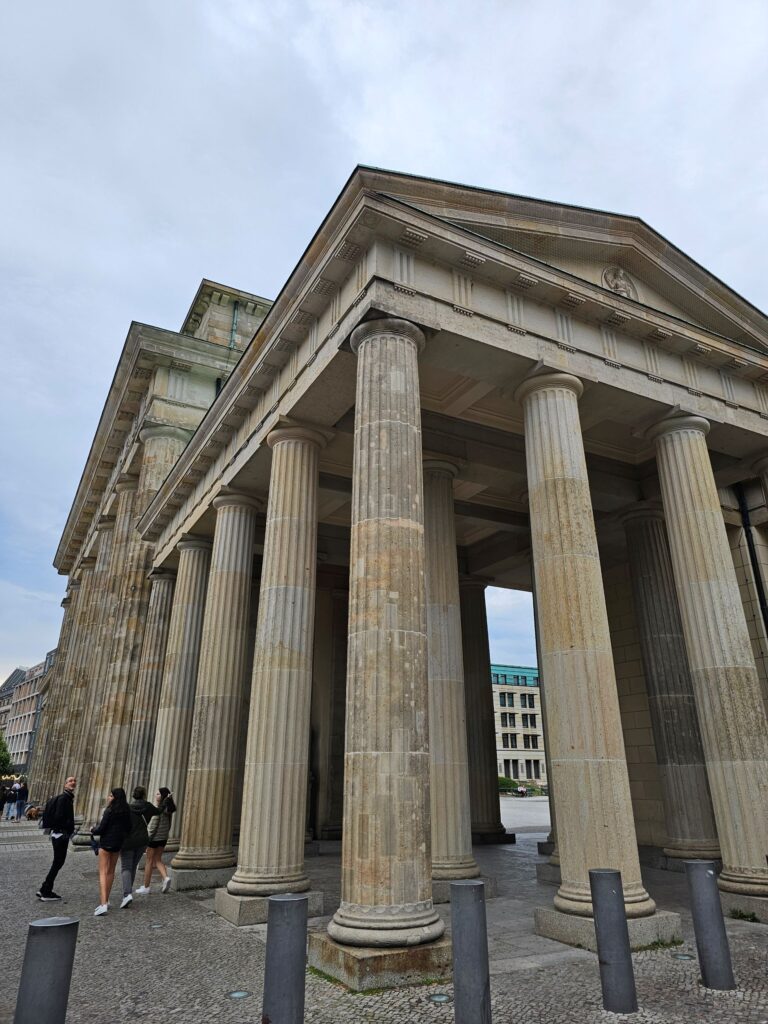
The Brandenburg Gate was commissioned in 1788 by King Frederick William II of Prussia and completed in 1791. Designed by architect Carl Gotthard Langhans, the gate was inspired by the Propylaea of the Acropolis in Athens, reflecting the neoclassical architectural trends of the time.
Originally built as a symbol of peace, the gate later witnessed some of Europe’s most dramatic historical events. Napoleon famously marched through it in 1806 and took the Quadriga statue to Paris before it was eventually returned. During World War II, the gate was heavily damaged but remained standing.
Perhaps the most defining moment in its modern history came during the Cold War. The Brandenburg Gate stood in the restricted zone between East and West Berlin, becoming a stark symbol of division. When the Berlin Wall fell in 1989, crowds gathered at the gate in celebration, transforming it into a global symbol of reunification and hope.
The Meaning Behind the Quadriga
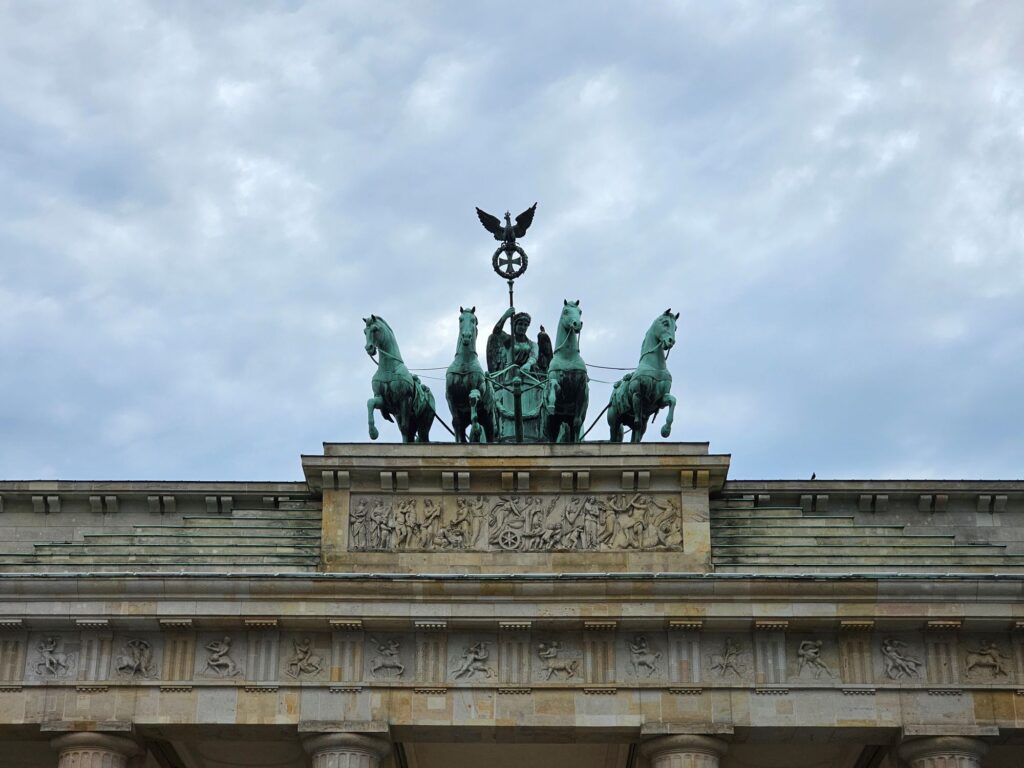
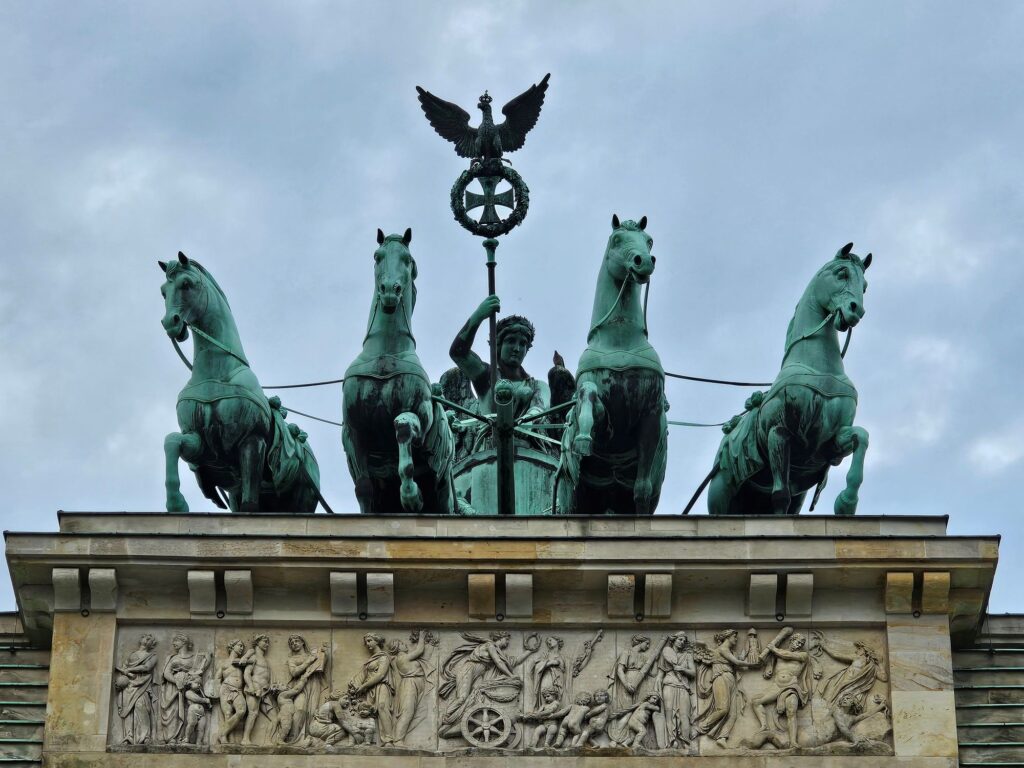
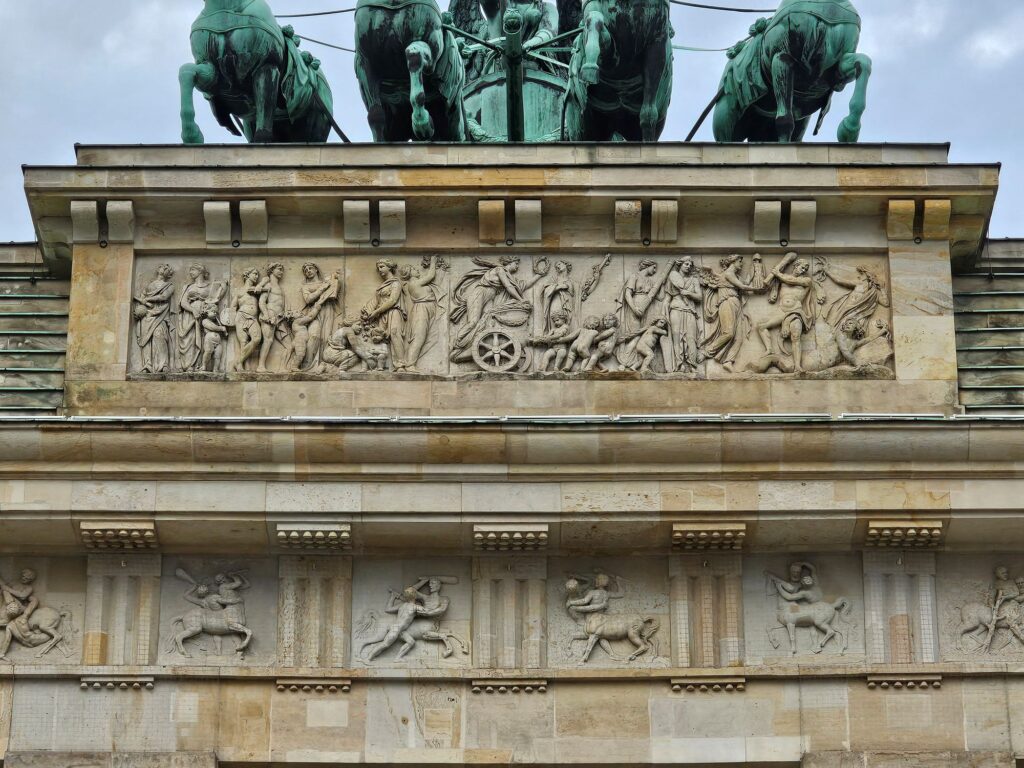
Atop the gate sits the famous Quadriga—a chariot drawn by four horses and driven by Victoria, the Roman goddess of victory. Originally representing peace, it later came to symbolize triumph and unity.
Today, the Quadriga faces east toward the former city center, a detail that often sparks curiosity among visitors. The sculpture has been restored multiple times due to war damage, but it remains one of the most recognizable features of Berlin’s skyline.
Location and Surroundings
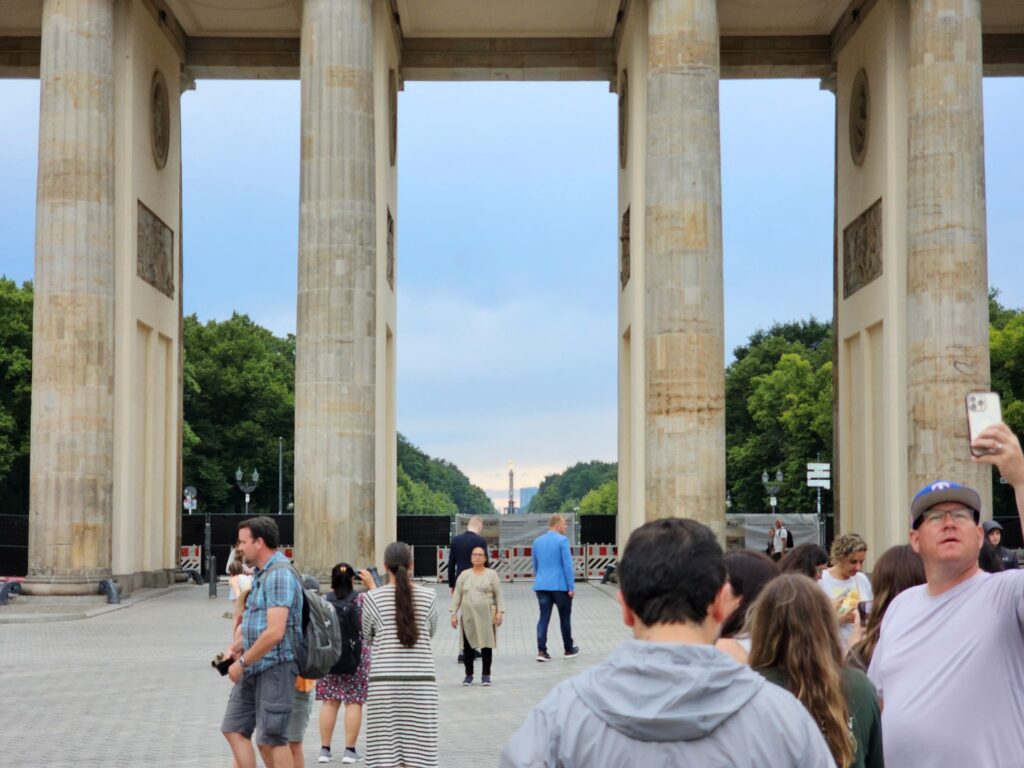
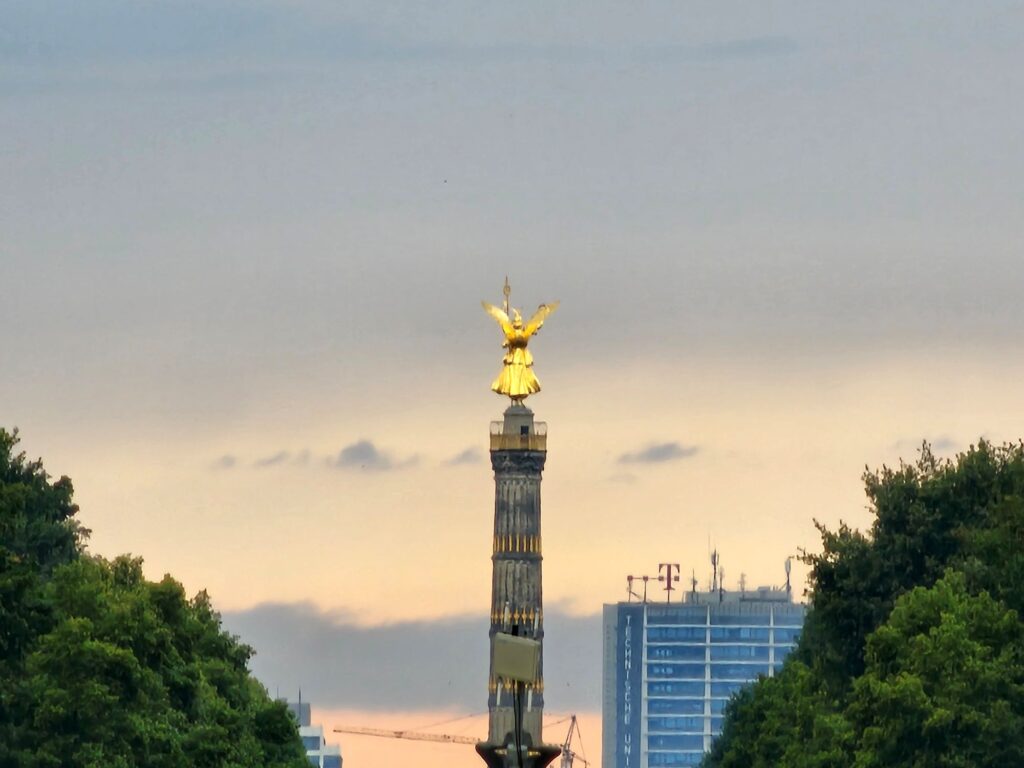
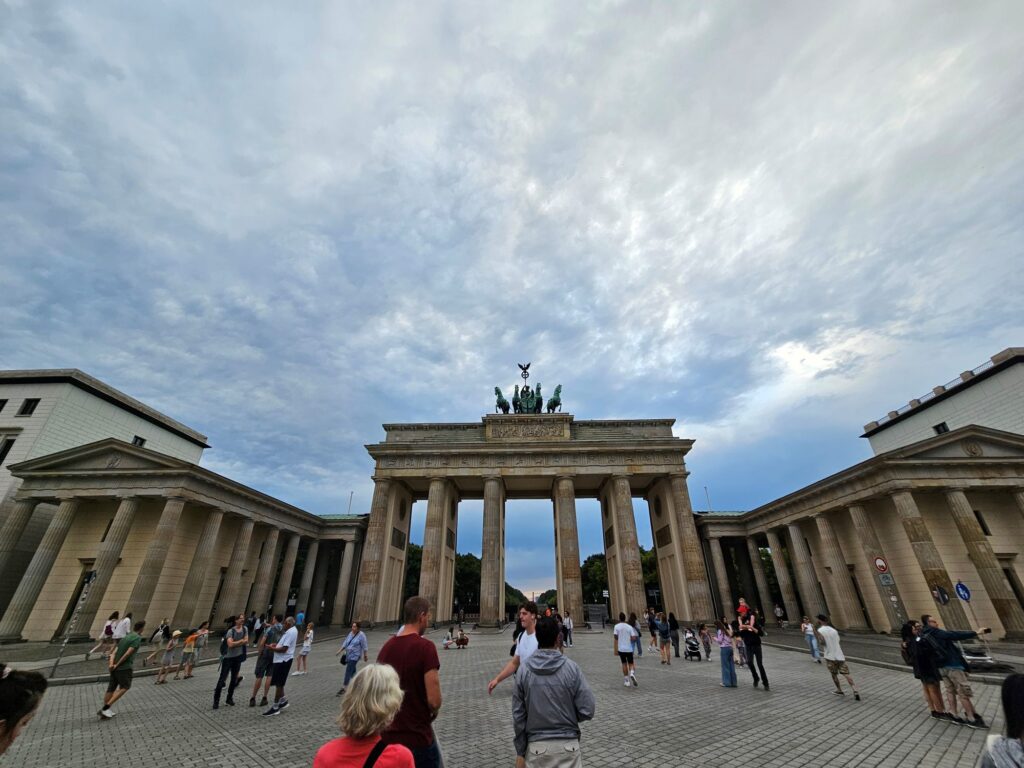
Brandenburger Tor is located at Pariser Platz in the Mitte district of Berlin. It stands at the western end of Unter den Linden boulevard and marks the entrance to Tiergarten park.
Nearby attractions include:
- Reichstag Building
- Holocaust Memorial
- Tiergarten Park
- Unter den Linden
Because of its central location, it is easy to combine a visit to the Brandenburg Gate with other major Berlin landmarks in one walking itinerary.
Best Time to Visit Brandenburg Gate
The Brandenburg Gate is open to the public 24 hours a day, as it is an outdoor monument. However, your experience can vary depending on the time of day.
Morning visits offer fewer crowds and soft lighting ideal for photography. During sunset, the warm glow enhances the gate’s neoclassical columns. At night, the monument is beautifully illuminated, creating a dramatic and elegant atmosphere.
If you visit during major national events or New Year’s Eve, Pariser Platz transforms into a vibrant celebration space.
Photography Tips
For the best photos:
- Stand in the center of Pariser Platz for a symmetrical shot.
- Capture the Quadriga with a zoom lens for detailed close-ups.
- Visit at blue hour (just after sunset) for striking night photography.
- Walk slightly into Tiergarten for a different perspective facing east.
Because the gate is pedestrian-friendly, you can freely move around to experiment with angles.
How to Get There
Brandenburger Tor is easily accessible by public transport.
- S-Bahn: Brandenburg Tor station
- U-Bahn: Unter den Linden
- Bus: Several city routes stop nearby
Berlin’s transportation system is efficient, making the gate simple to reach from anywhere in the city.
If you are walking from Alexanderplatz or Museum Island, the scenic route along Unter den Linden offers a beautiful approach to the monument.
Why Brandenburg Gate Is More Than a Tourist Spot
What makes Brandenburger Tor so powerful is not just its architecture, but its symbolism. It has witnessed monarchy, war, division, and reunification. Today, it stands as a reminder of peace and European unity.
When standing beneath its columns, you are not just looking at an 18th-century structure—you are standing at a crossroads of European history.
Practical Information
Name: Brandenburger Tor (Brandenburg Gate)
Location: Pariser Platz, 10117 Berlin, Germany
Opening Hours: Open 24 hours (outdoor monument)
Entrance Fee: Free
Nearest Station: Brandenburg Tor (S-Bahn)
Final Thoughts
A visit to Berlin is incomplete without seeing the Brandenburg Gate. Whether you come for history, architecture, photography, or simply to experience one of Europe’s most iconic landmarks, this monument leaves a lasting impression.
Take your time to walk around, observe the details of the Quadriga, and reflect on the events this gate has witnessed. It is not just a photo spot—it is a living symbol of resilience and unity.
Memorial to the Murdered Jews of Europe, Berlin