
Tsim Sha Tsui moves at a pace that requires occasional interruption. The harbor promenade, Nathan Road, the MTR — all are efficient and purposeful in the way Hong Kong is efficient and purposeful. Kowloon Park is the interruption: a large public park occupying a significant block of land between Nathan Road and Austin Road that provides the most accessible green space in southern Kowloon and a genuine contrast to the urban density immediately outside its gates.
I visited on the morning of my second day in Hong Kong — after breakfast at the Australian Dairy Company in Jordan, before heading to the Hong Kong Museum of Art on the waterfront. The park in the morning, when the tai chi practitioners occupy the open spaces and the flamingo lake has few visitors, is a version of Tsim Sha Tsui that most visitors who stay in the neighborhood never find. It’s worth finding.
This guide covers Kowloon Park — what it contains, how to use it, and why it belongs in a Tsim Sha Tsui itinerary rather than being treated as filler between more obviously significant stops.
What Is Kowloon Park?
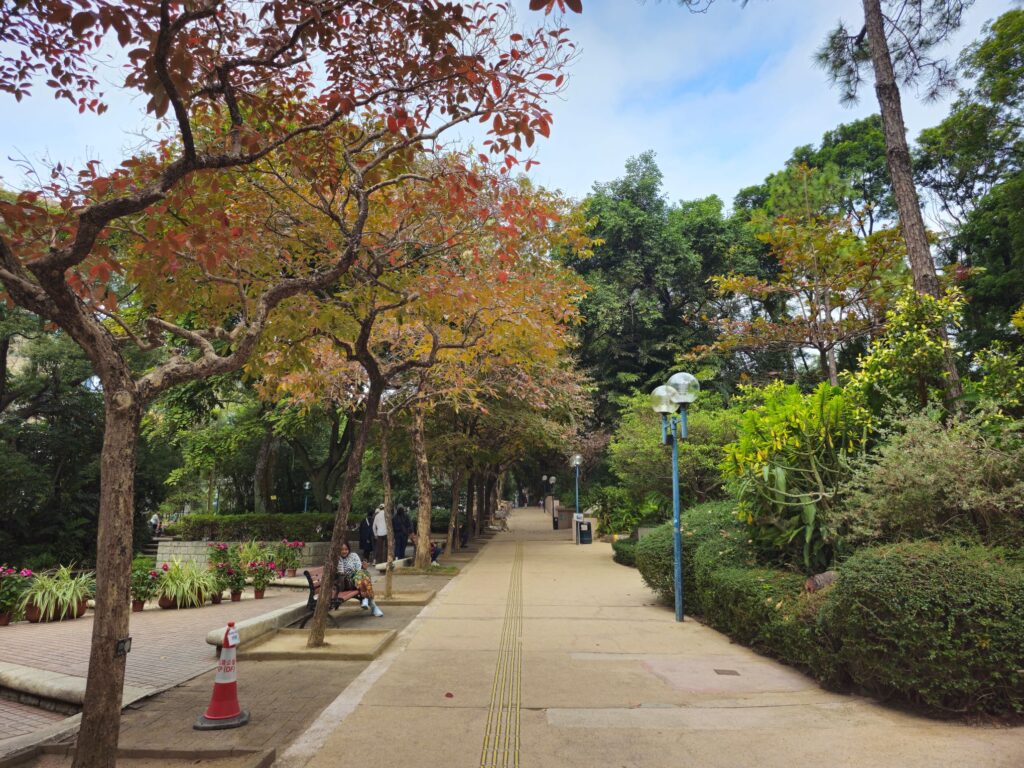
Kowloon Park (九龍公園) is a public park occupying approximately 13.5 hectares in the heart of Tsim Sha Tsui — bounded by Nathan Road to the east, Austin Road to the north, Canton Road to the west, and Haiphong Road to the south. The park was developed on the site of a former British military barracks and opened to the public in 1970, making it one of the older public parks on the Kowloon Peninsula.
The park is managed by the Leisure and Cultural Services Department of the Hong Kong government and is free to enter — a significant and underutilized public resource in a neighborhood where most attractions charge admission.
The park contains a substantial range of facilities and features: formal gardens, a flamingo lake and aviary, sports facilities including an Olympic-standard swimming pool complex, a jogging path, open lawns, the Hong Kong Avenue of Comic Stars, and the Sculpture Walk — a collection of outdoor sculptures installed throughout the park grounds.
Getting There
From Tsim Sha Tsui hotels: Walking distance from most accommodation in the neighborhood. The main entrance on Nathan Road is approximately 10 minutes’ walk north of the harbor promenade.
From the YMCA Salisbury Hotel: Walk north along Salisbury Road then turn north onto Nathan Road — the park entrance is on the right side of Nathan Road, identifiable by the distinctive park signage and the vegetation visible above the street-level walls. Approximately 8–10 minutes on foot.
From Tsim Sha Tsui MTR (Exit A1): The exit deposits you directly near the Nathan Road entrance — the park is immediately accessible from the station.
From Jordan MTR: Walk south along Nathan Road approximately 5 minutes to the park’s northern entrance on Austin Road.
The Flamingo Lake
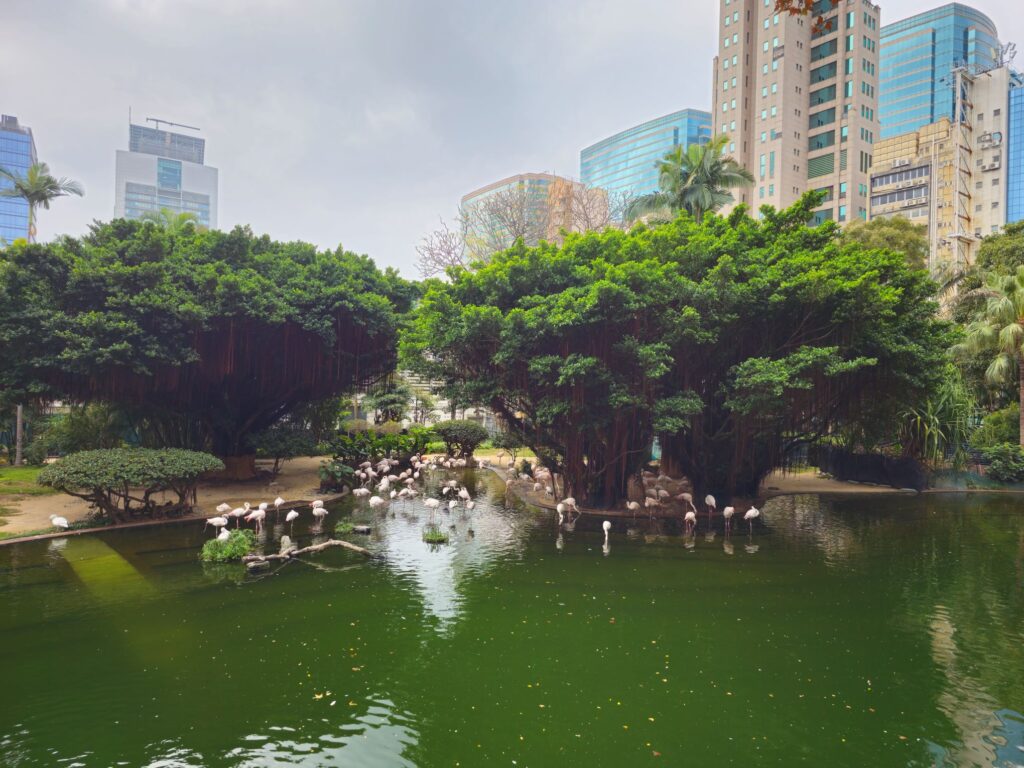
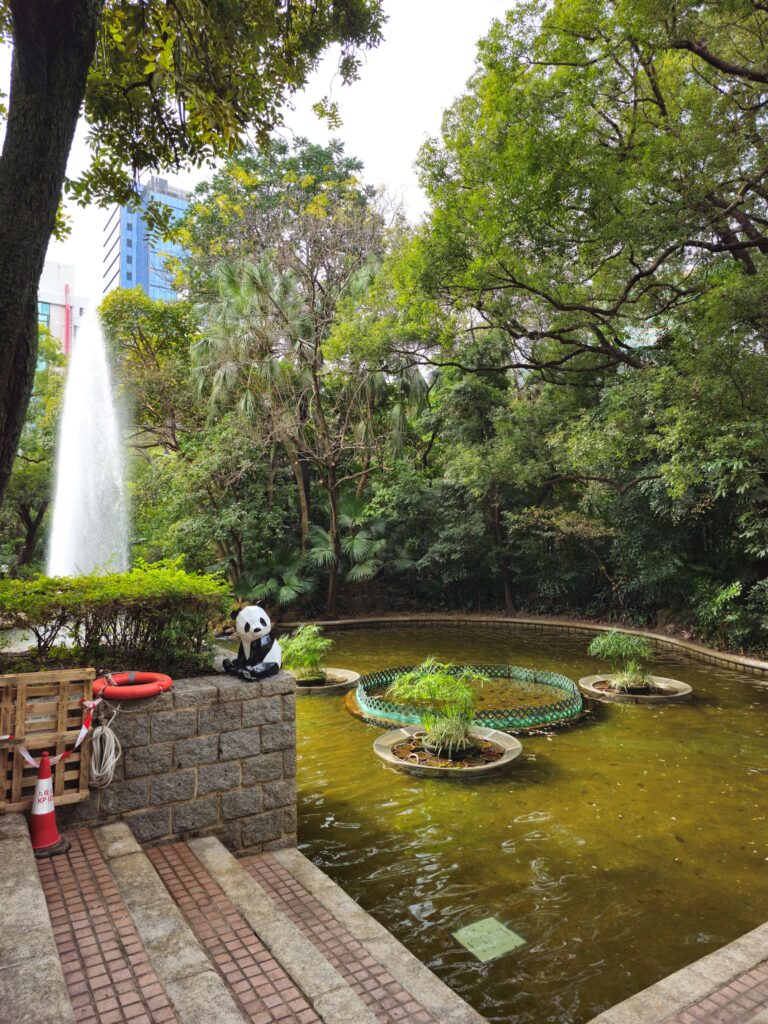
The flamingo lake is Kowloon Park’s most distinctive feature — a lake in the park’s lower section populated by a colony of flamingos that have been resident in the park for decades. The flamingos are Caribbean flamingos — the most vividly pink species — and the colony typically contains 20–30 birds that have become sufficiently accustomed to the park environment and its human visitors to behave naturally rather than retreating.
Seeing flamingos in the middle of Kowloon — in a park surrounded by the density of Tsim Sha Tsui — produces the particular cognitive dissonance that Hong Kong specializes in: the unexpected natural element in an urban context that makes the city feel larger and more layered than its geography suggests.
The lake is best visited in the morning, when the flamingos are most active — feeding, grooming, and moving through the shallows with the particular awkward grace that makes them interesting to watch. By midday the birds tend to be less active, standing in clusters in the water with their characteristic one-legged posture.
Photography: The flamingos are close enough to the path around the lake to photograph without a telephoto lens — a smartphone camera in good morning light produces adequate results. The contrast between the flamingos’ pink coloring and the park’s green vegetation is the most visually interesting angle; mid-morning light illuminates both effectively.
The Aviary
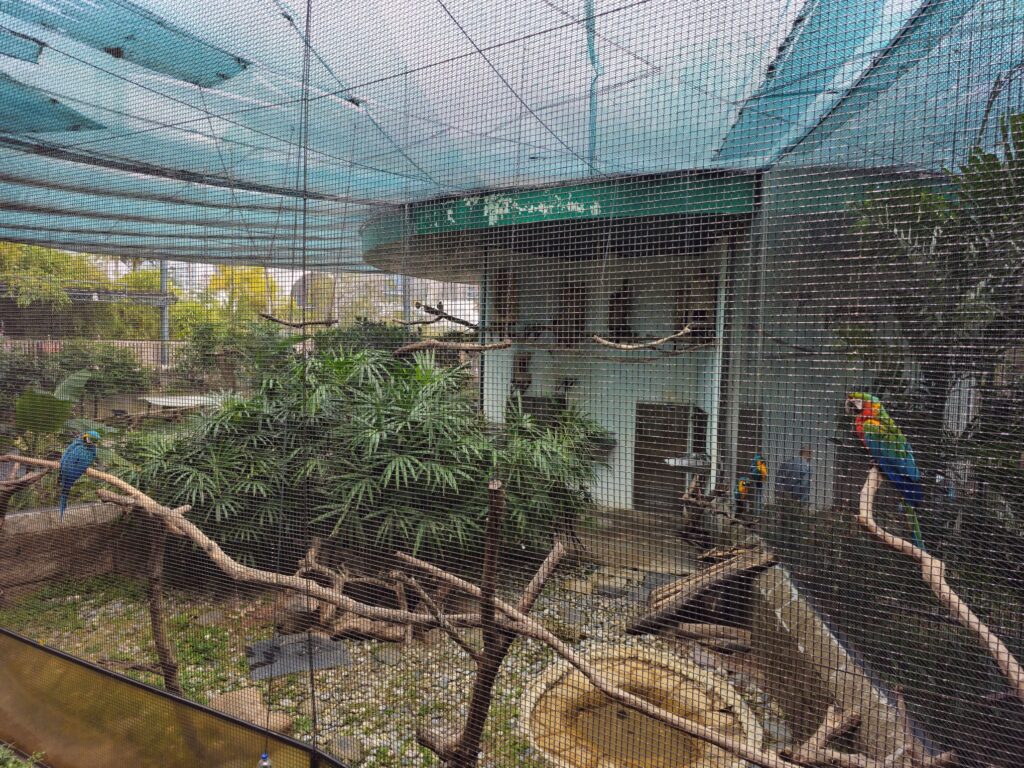
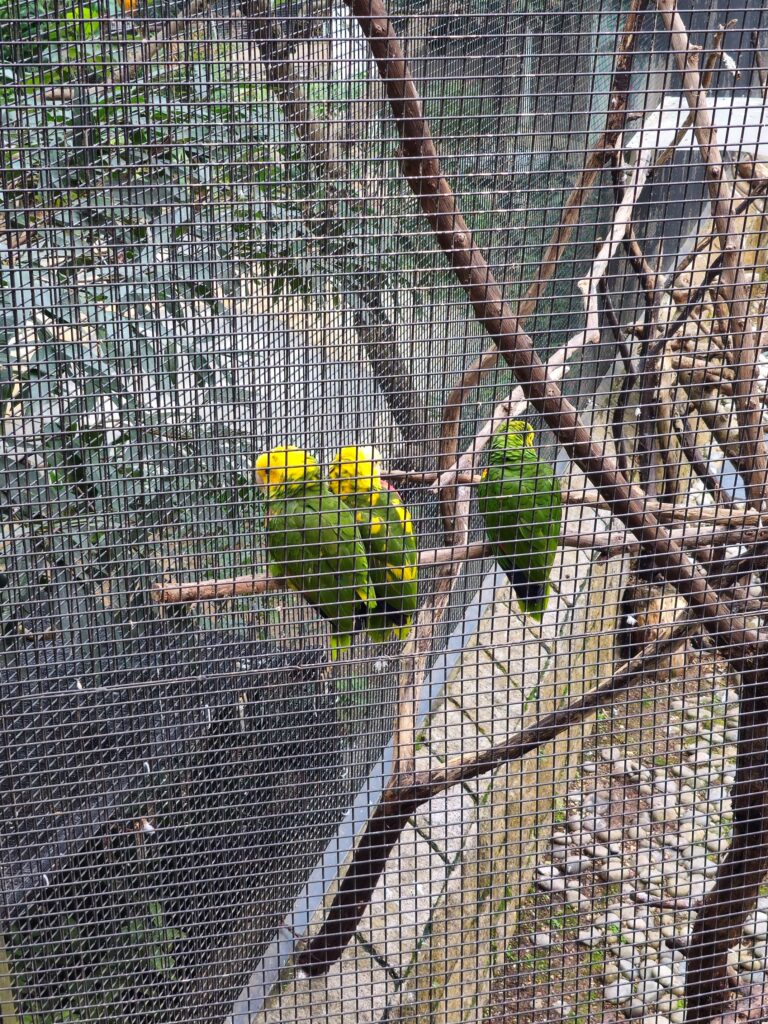
Adjacent to the flamingo lake, the park aviary houses a collection of birds in a landscaped enclosed space — a more contained version of the Hong Kong bird-keeping tradition visible in its more specific form at the Mong Kok Bird Garden.
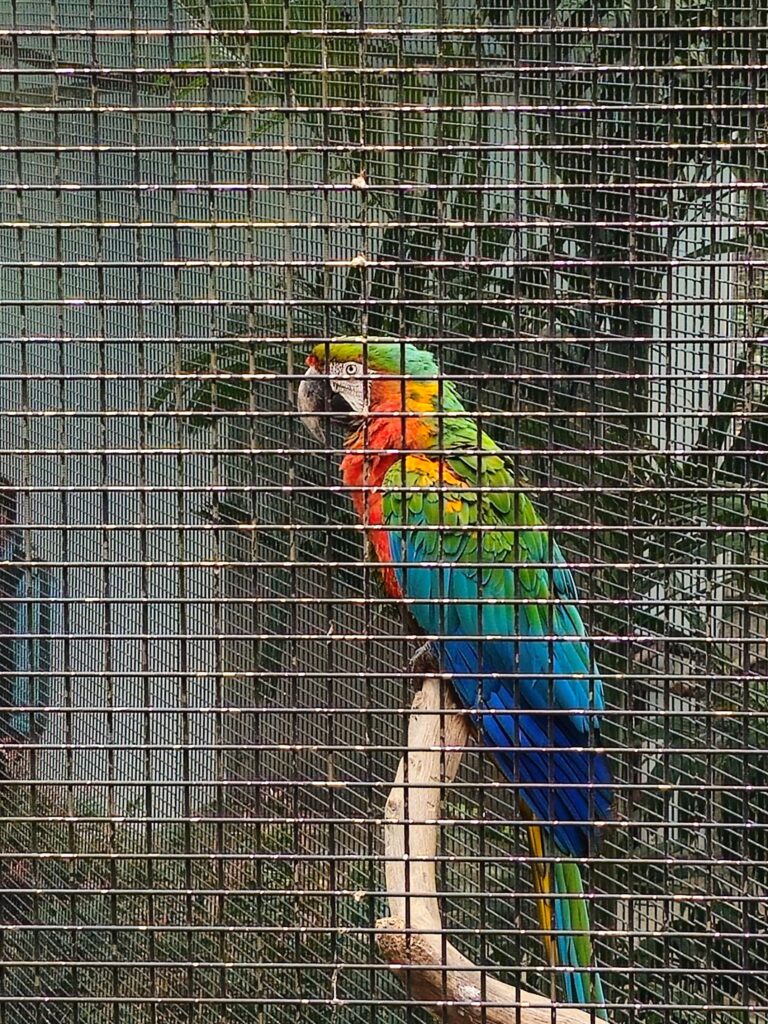
The aviary contains a mix of species — various finches, doves, and other birds in an environment that allows relatively natural behavior within the enclosure. The space is well-maintained and the density of birds gives the aviary a particular ambient sound quality — the accumulated singing of many species simultaneously — that is pleasant to sit near for a few minutes.
For visitors who have also visited the Mong Kok Bird Garden, the aviary provides a different dimension of Hong Kong’s bird culture: institutional and accessible rather than commercial and social. For visitors who haven’t been to the Bird Garden, the aviary provides a brief introduction to the bird-keeping tradition that animates the Mong Kok operation.
The Tai Chi Morning
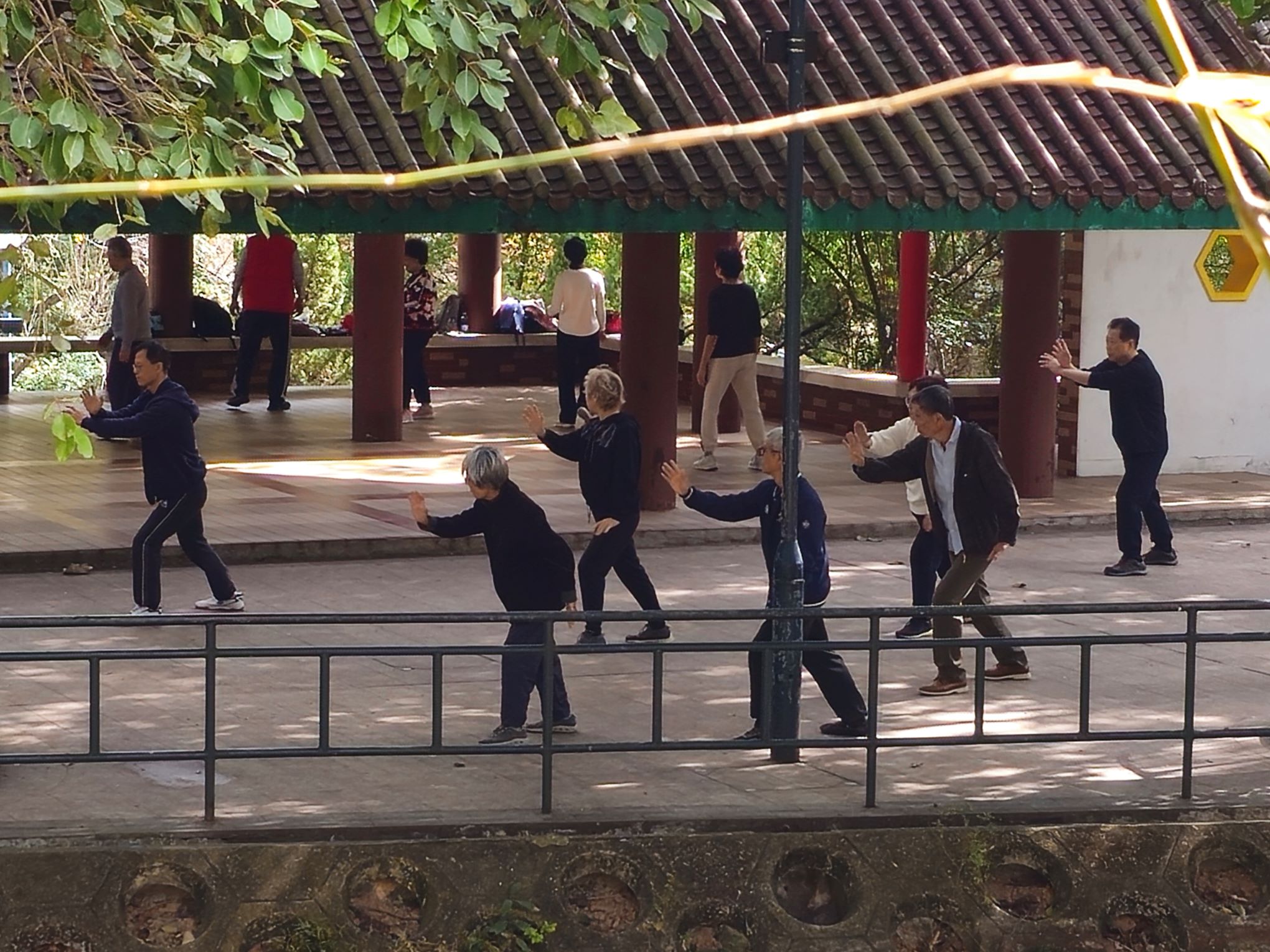
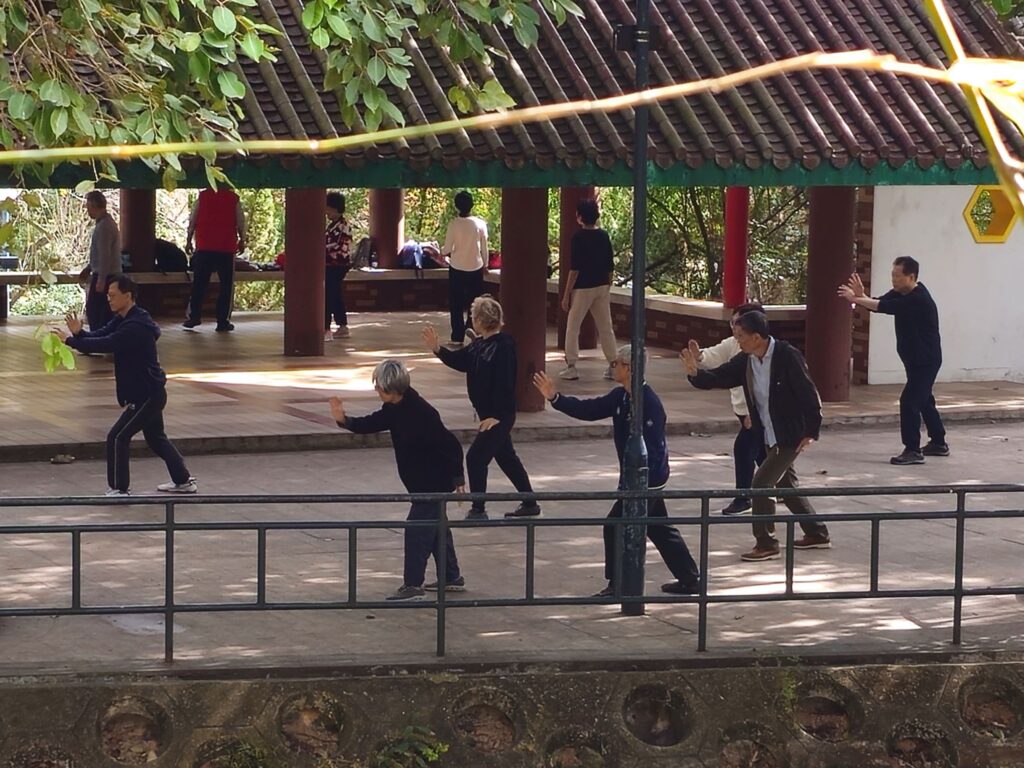
The park in the early morning — before 9am — has a specific atmosphere that the midday version doesn’t replicate. Open spaces throughout the park are occupied by practitioners of tai chi (太極拳) — the slow, meditative martial art that Hong Kong’s older population practices in public spaces throughout the city’s parks and open areas.
Tai chi in a public park is one of the most specifically Chinese urban experiences available in Hong Kong — the practitioners performing their slow, deliberate movements in the open air, sometimes in small groups following a more experienced practitioner, sometimes independently working through forms they know by heart. The concentration is visible; the movements are considered rather than performative.
Watching tai chi practitioners in Kowloon Park in the morning — particularly in the lower park sections near the flamingo lake — gives a dimension of Hong Kong life that the harbor view and the night market don’t show. The city contains its slower, more meditative side alongside the famous efficiency and pace, and the morning park is where that side is most visible.
My January morning visit coincided with the peak of the tai chi period — the park occupied by practitioners at various skill levels, from clearly experienced elderly practitioners moving through complex forms to younger people learning the basics. The combination of the tai chi practitioners, the flamingos, and the park’s green space against the towers visible above the walls gave a version of Tsim Sha Tsui that felt different from anything the harbor promenade provides.
Hong Kong Avenue of Comic Stars
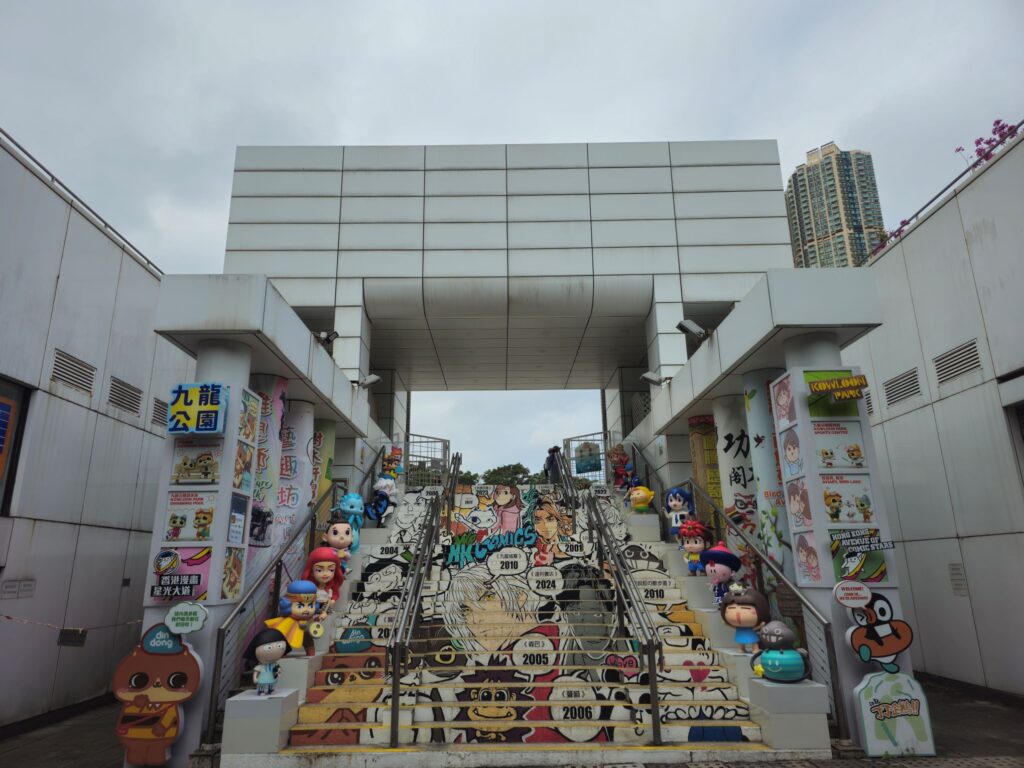
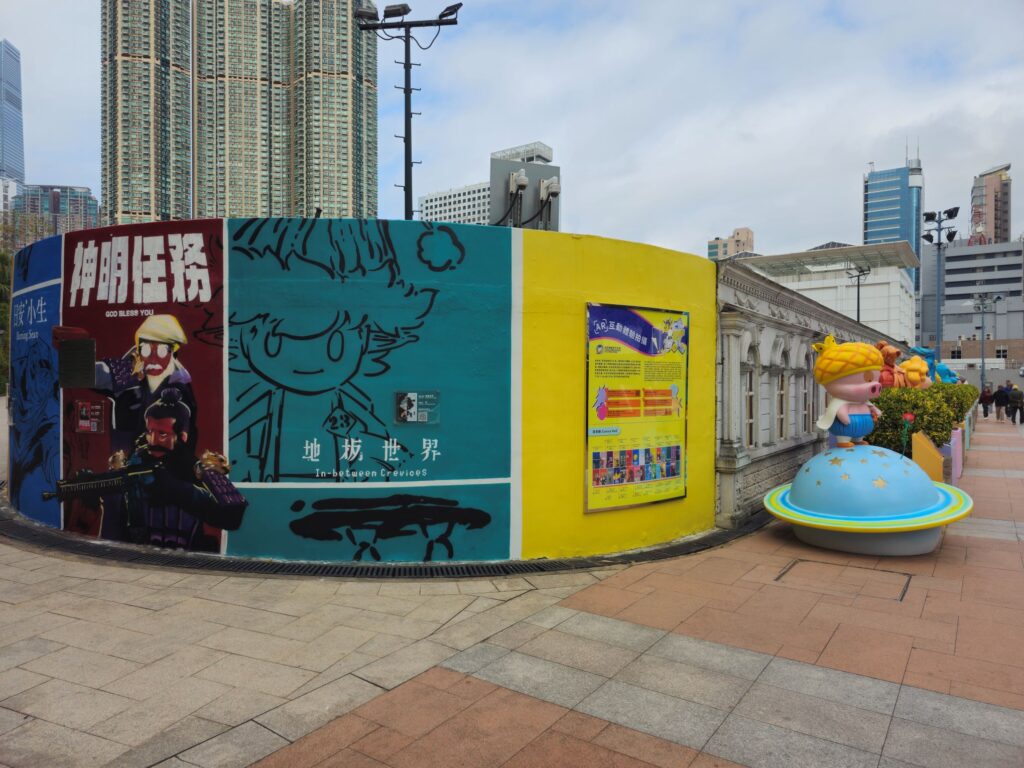
The Hong Kong Avenue of Comic Stars (香港漫畫星光大道) is a walkway within Kowloon Park celebrating Hong Kong’s manga and comic culture — bronze statues of beloved local comic characters arranged along a dedicated path through the park grounds.
Hong Kong has a significant comic book tradition — particularly the martial arts comics (武俠漫畫) that developed alongside the kung fu film genre and produced characters that have been part of Hong Kong popular culture for generations. The Avenue of Comic Stars honors the artists and characters that defined this tradition.
For visitors unfamiliar with Hong Kong comics, the statues are interesting as art objects — well-cast bronze figures in dynamic poses that reflect the action-oriented visual language of the martial arts comic tradition. For visitors familiar with the works referenced, the avenue is a more specific engagement with a significant dimension of Hong Kong’s cultural history.
The path is short — the full length can be walked in 10–15 minutes — and is best combined with the surrounding park areas rather than visited as a standalone destination.
The Sculpture Walk
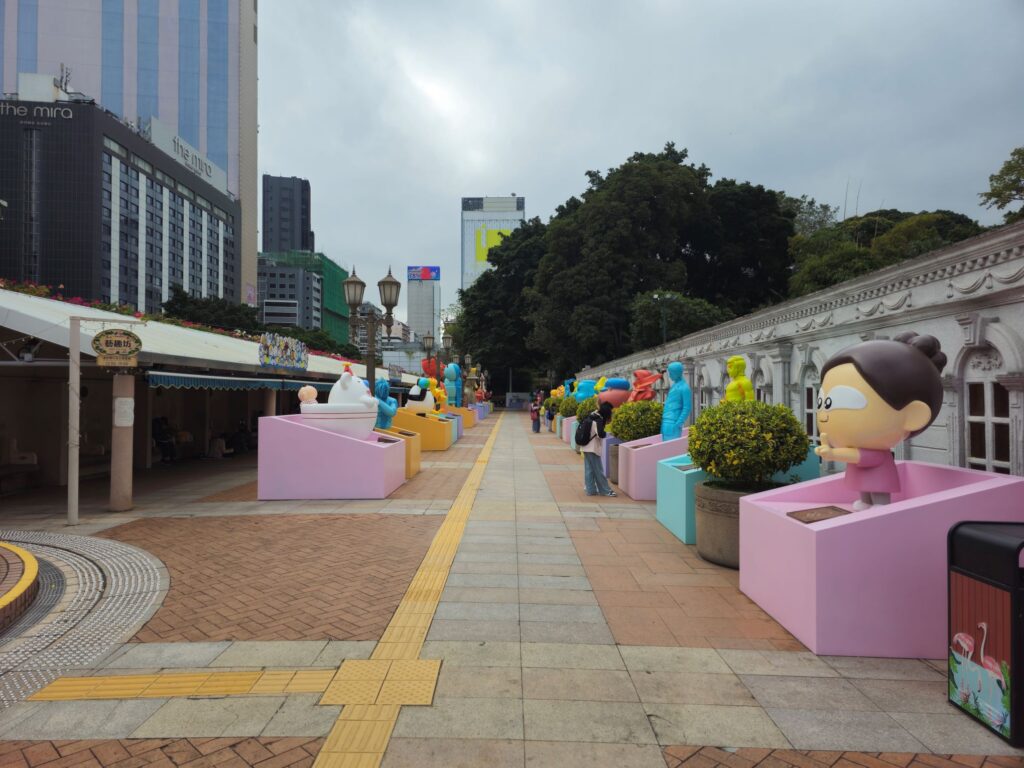
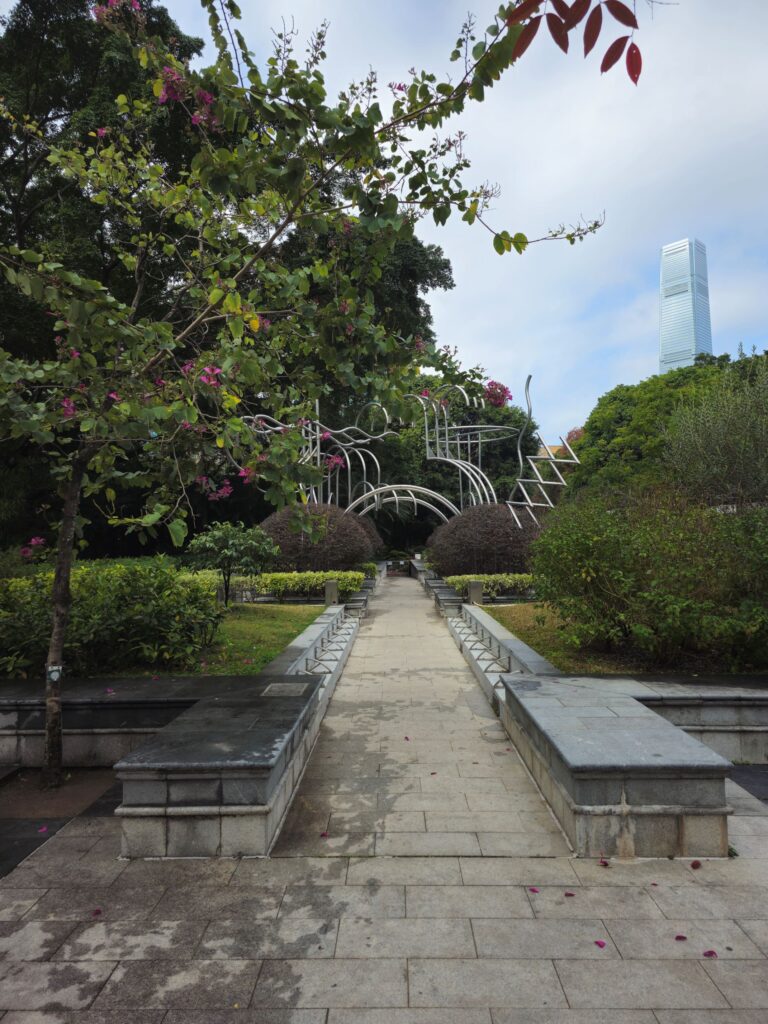
The Sculpture Walk distributed throughout Kowloon Park’s grounds is a collection of outdoor sculptures installed at various points along the park’s paths — a public art program that gives the park a dimension beyond its recreational function.
The sculptures vary in style and period — some figurative, some abstract, some specifically referencing Hong Kong’s history and culture. The quality and interest of individual pieces varies; the overall effect of encountering sculpture throughout a park walk rather than in a dedicated gallery space is pleasant.
Walking the park’s main paths rather than taking the most direct route between features reveals most of the Sculpture Walk installations — they’re integrated into the landscape rather than clustered in a single area.
The Swimming Pool Complex
Kowloon Park’s swimming pool complex is one of the finest public swimming facilities in Hong Kong — an Olympic-standard indoor pool alongside outdoor pools and leisure facilities that are heavily used by local residents throughout the year.
For visitors who want to swim during their Hong Kong stay, the Kowloon Park pool provides a high-quality option at minimal cost. The facilities are well-maintained and the pools are serious rather than leisure-oriented — appropriate for lap swimming rather than recreational splashing.
Practical note: The pool complex charges a modest admission fee separate from park entry, and has specific operating hours. Check current hours and fees before planning a swim visit.
The Formal Gardens
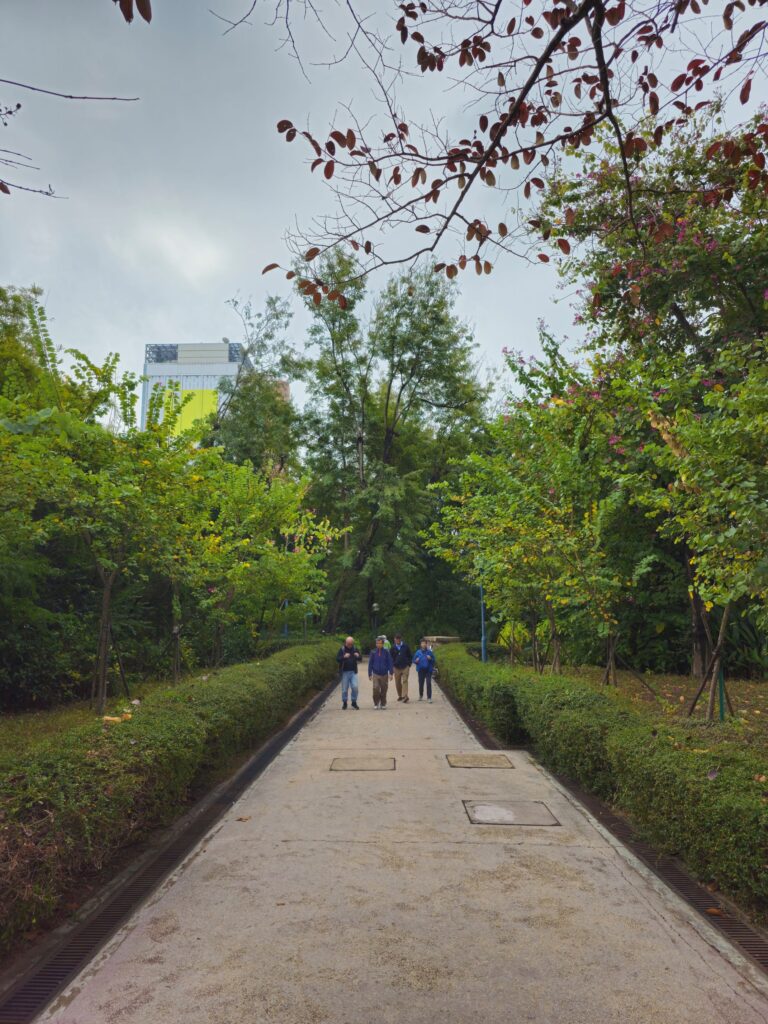
The park contains several formal garden sections — a Chinese garden with traditional pavilions and ornamental plantings, and more general formal garden areas with maintained flowerbeds and structured plantings.
The formal gardens are pleasant rather than exceptional — well-maintained spaces that provide visual variety within the park and are most attractive during flowering seasons. In January, the garden plantings reflect the winter period — some species dormant, others in the early stages of the late winter to spring transition that becomes more apparent in February and March.
The garden pavilions — traditional Chinese architectural forms — provide sheltered seating within the park and are popular with local users throughout the day, particularly in the warmer months when shade is a priority.
The Bird Lake Walk
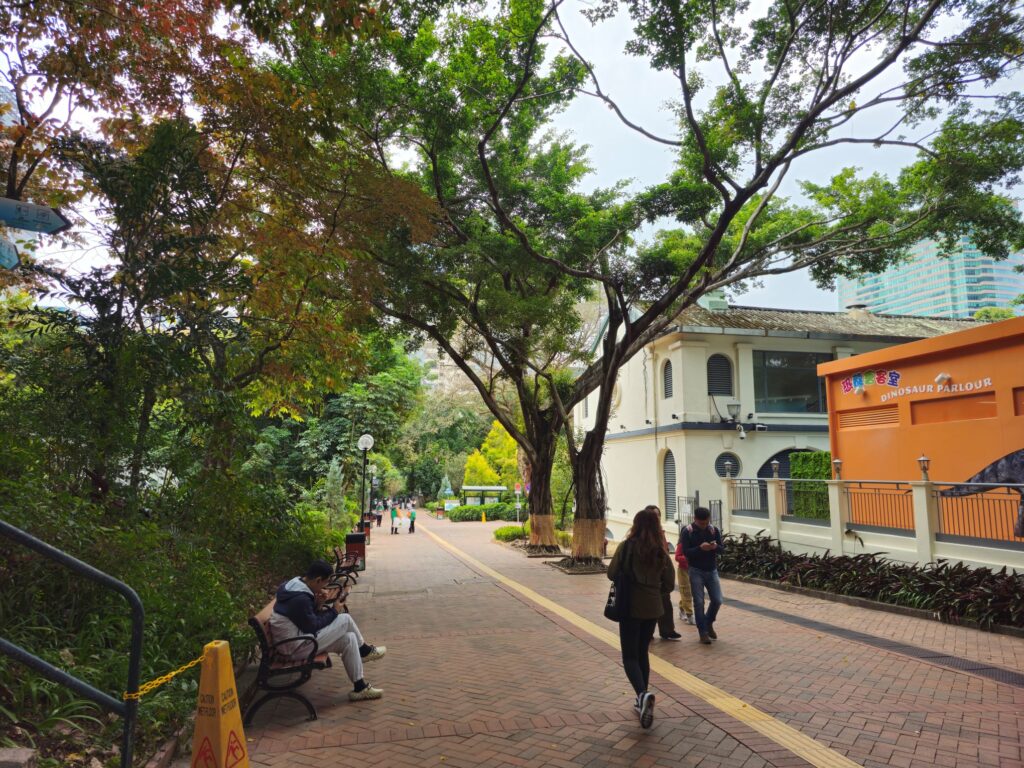
A secondary lake within the park — smaller than the flamingo lake and occupied by local waterfowl rather than introduced flamingos — provides a quieter, less visited walking circuit that connects several of the park’s garden areas. This lake and its surrounding path is less frequently mentioned in visitor guides but offers a peaceful alternative to the main flamingo lake circuit when that area is more crowded.
Walking the bird lake path in the morning gives the park’s most local atmosphere — local residents using the path for their morning walks, the sounds of the park birds audible from the surrounding vegetation, and the visual calm of a small lake in an urban park that has been used the same way for decades.
Kowloon Park vs Victoria Park: Comparing Hong Kong’s Two Major Urban Parks
Kowloon Park (Tsim Sha Tsui) and Victoria Park (Causeway Bay) are the two most significant urban parks in the tourist-accessible areas of Hong Kong. Understanding their differences helps contextualize what Kowloon Park provides:
| Kowloon Park | Victoria Park | |
|---|---|---|
| Size | 13.5 hectares | 19 hectares |
| Location | Tsim Sha Tsui (Kowloon) | Causeway Bay (HK Island) |
| Distinctive features | Flamingos, aviary, Comic Stars | Large open lawns, sports facilities |
| Morning atmosphere | ✅ Tai chi practitioners | ✅ Morning exercisers |
| Seasonal highlight | Year-round | ✅ CNY flower market |
| Swimming pool | ✅ Olympic-standard | ✅ Available |
| Best for | Tsim Sha Tsui-based visitors | Causeway Bay-based visitors |
Both are worth visiting — they serve different neighborhoods and provide different experiences of Hong Kong’s public park culture. Kowloon Park is the more compact and layered of the two; Victoria Park is larger and more sports-focused.
Combining Kowloon Park with the Broader Tsim Sha Tsui Morning
Kowloon Park fits naturally into a Tsim Sha Tsui morning itinerary — the combination I used positions the park between breakfast at the Australian Dairy Company and the Hong Kong Museum of Art on the waterfront:
8:00am:  Australian Dairy Company breakfast
          (Jordan, 15 minutes from park)

9:00am:  Kowloon Park
          Nathan Road entrance
          Flamingo lake, tai chi observation,
          Avenue of Comic Stars
          (45 minutes to 1 hour)

10:15am: Walk south along Nathan Road
          then east along Salisbury Road
          to the waterfront promenade

10:30am: Hong Kong Museum of Art
          (waterfront, free entry)

12:30pm: Museum café
          or continue to Star Ferry
This sequence — breakfast, park, museum — covers the three distinct dimensions of a Tsim Sha Tsui morning without overlap: the cha chaan teng culture, the local public park life, and the waterfront cultural institution.
Seasonal Considerations
January (my visit): The park in winter has a particular calm — the vegetation is at its least lush, the crowds are smaller than in warmer months, and the cooler temperatures make the morning walk more comfortable than the summer equivalent. The tai chi practitioners are present year-round; January mornings see them in light jackets rather than summer clothing, but the practice continues regardless of season.
Spring (March–May): The park’s garden sections are at their most colourful as spring plantings come into bloom. The flamingo colony is typically more active in warmer weather. The swimming pool complex becomes more heavily used.
Summer (June–September): The park is busiest in summer — the shade provided by the park’s mature trees makes it a refuge from the city’s heat and humidity. The swimming pool complex sees its highest usage. Early morning visits are advisable to avoid the peak heat.
Autumn (October–November): Pleasant temperatures and reduced humidity make this one of the best seasons for the park — the formal gardens are often at their best in early autumn, and the park crowds are smaller than summer.
Practical Tips
Free entry: The park has no admission charge — enter from any of the gates on Nathan Road, Austin Road, Canton Road, or Haiphong Road.
Best morning timing: Arrive before 9am for the tai chi practitioners and the flamingo lake before the midday crowds. The park is at its most local and atmospheric in the early morning.
Nathan Road entrance: The most convenient entrance for visitors staying in Tsim Sha Tsui — directly accessible from the MTR station and from the main hotel area.
Flamingo lake: Follow the signs from the Nathan Road entrance — the flamingo lake is in the lower section of the park, approximately a 5-minute walk from the main entrance.
Swimming pool: Check current hours and admission fees before visiting — the pool complex operates on its own schedule separate from general park hours.
Combining with the Museum of Art: The park and the Hong Kong Museum of Art are natural consecutive stops — the park first (morning, free, outdoor) then the museum (free, air-conditioned, cultural). The walk between them along Salisbury Road takes approximately 10 minutes.
Restrooms: Available at multiple points throughout the park — well-maintained and accessible.
Final Thoughts
Kowloon Park is the Tsim Sha Tsui experience that most visitors don’t plan for and many discover by accident. The flamingos in the morning, the tai chi practitioners in the open spaces, the quiet bird lake walk, and the Comic Stars avenue together give a version of the neighborhood that exists in complete counterpoint to the harbor promenade and the Symphony of Lights.
Both versions are real. The harbor view communicates what Hong Kong looks like from the outside; the morning park communicates something about how Hong Kong lives from the inside. A Tsim Sha Tsui visit that includes both — the park in the morning, the promenade in the evening — is more complete than one that includes only the harbor.
Enter from Nathan Road. Find the flamingo lake. Sit near the tai chi practitioners for a few minutes. Walk through the Comic Stars avenue. Then walk south to the Museum of Art.
It takes a morning. It’s one of the better mornings available in Tsim Sha Tsui.
Hong Kong 4-Day Itinerary: The Perfect First-Timer’s Guide
Australian Dairy Company Hong Kong Review: The Cha Chaan Teng That Earns Every Queue