
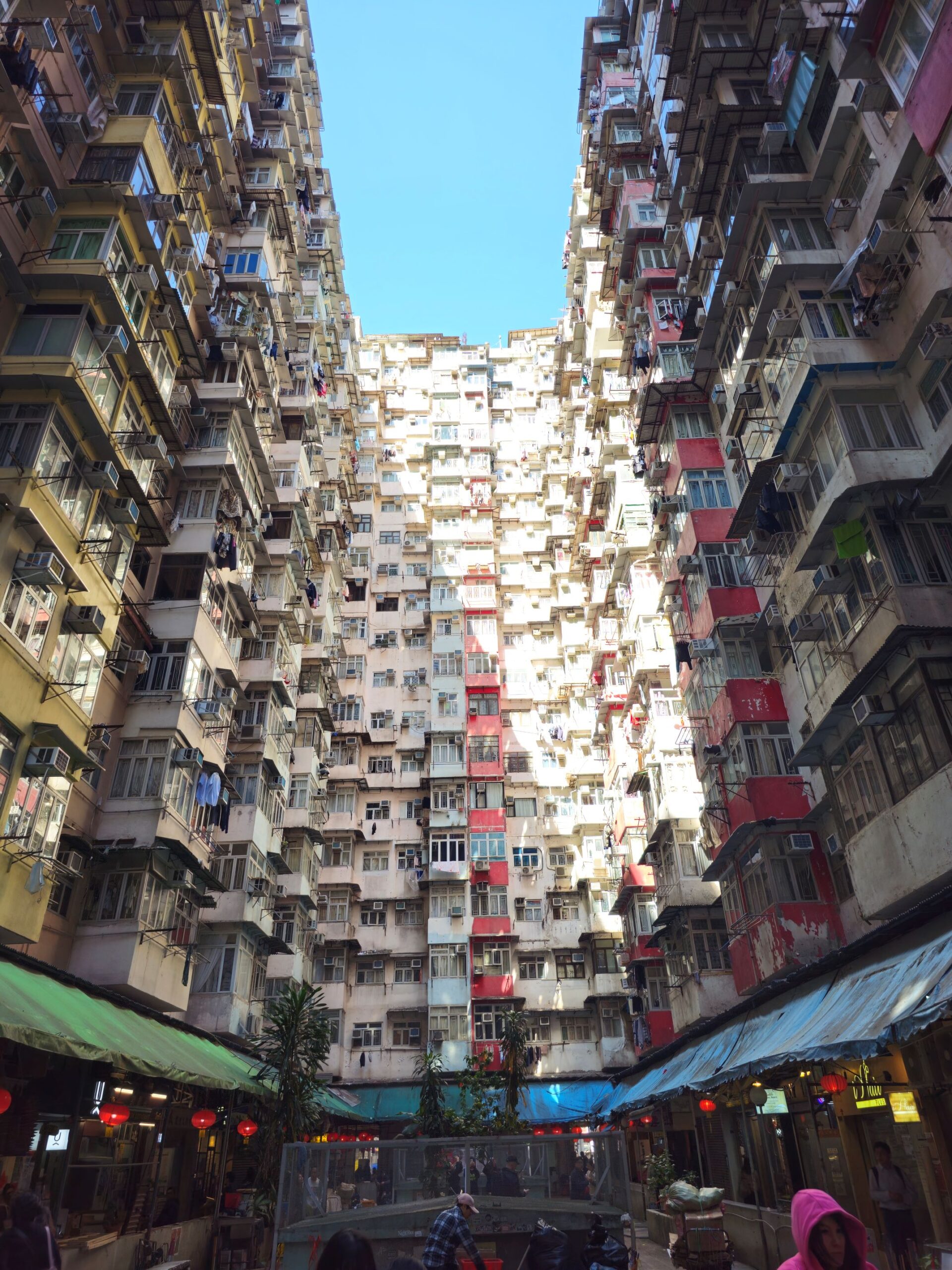
Planning your first trip to Hong Kong and not sure where to start? I spent 4 days there in January and here’s the honest truth: nothing quite prepares you for the scale of it. Towers packed so tightly together they almost touch, streets buzzing with millions of people — and yet the whole city runs with a calm, quiet efficiency that caught me completely off guard. It’s one of the most organized “overwhelming” places I’ve ever been.
Here’s exactly how I’d structure those 4 days, split the way I actually did it: two days on the Kowloon side, two days on Hong Kong Island.
Before You Go: Quick Essentials
Getting around Hong Kong’s public transport is genuinely world-class. I used a mix of MTR and bus throughout the trip — both are cheap, reliable, and cover almost everywhere you’ll want to go. Get an Octopus Card the moment you land at the airport. It works on the MTR, buses, trams, ferries, and even some convenience stores. You’ll tap it dozens of times a day without thinking about it.
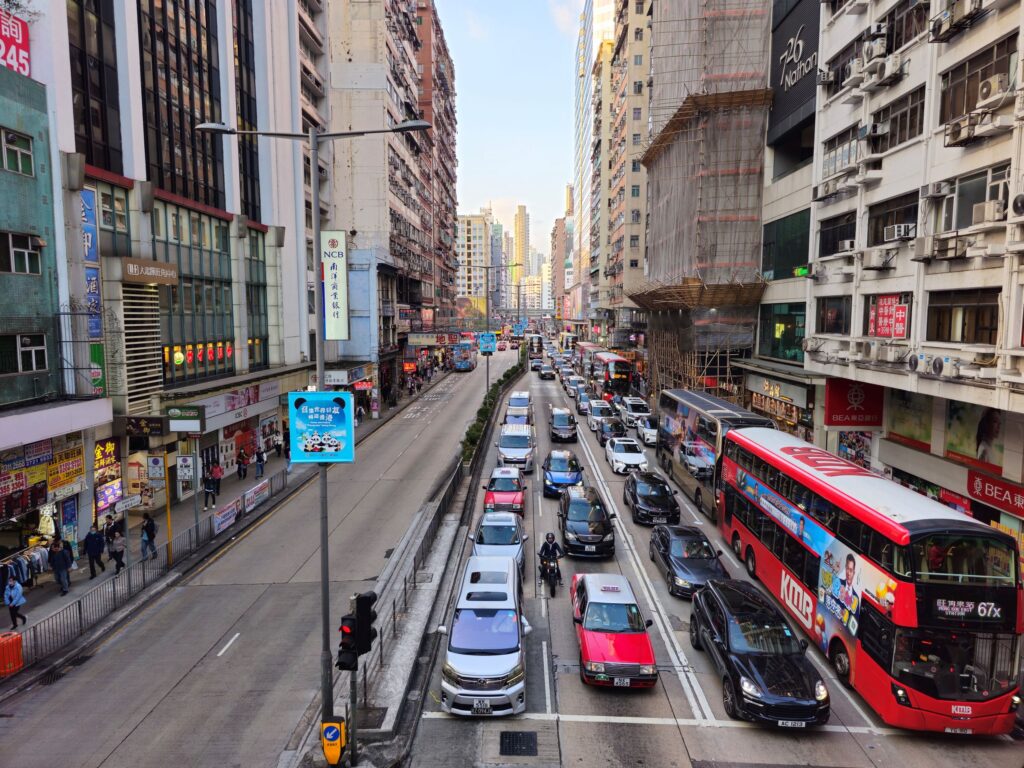
The MTR is the fastest option for longer distances, but don’t overlook the buses — especially the double-deckers on Hong Kong Island. Grabbing a front seat on the upper deck and watching the city roll by is one of those small travel pleasures that costs almost nothing.
Tip on getting from the airport: Take the Airport Express directly into the city. It takes about 24 minutes to reach Hong Kong Station and is by far the smoothest option after a long flight. You can even check your luggage in at the city station on the way back, which saves a lot of hassle on departure day.
Weather in January January sits around 15–18°C, occasionally cooler in the evenings near the harbor. Pack a light jacket — you won’t need anything heavy, but you’ll want a layer when the wind picks up. One real upside of visiting in winter: the sky is significantly clearer than in the hazy summer months, which makes a genuine difference for views from Victoria Peak and the harbor.
Practical tips before day one
- Download the MTR app and Google Maps before you land
- Carry some Hong Kong dollars for street markets and small local eateries — many don’t take cards
- English is widely spoken throughout the city, so getting around is much easier than you might expect
- A portable battery pack is worth bringing — you’ll be on your phone for maps constantly
Day 1 & 2 — Kowloon (Tsim Sha Tsui)
Base yourself in Tsim Sha Tsui for the first two days. It puts you right on the harbor waterfront with excellent MTR connections to everywhere else, and it’s one of the most walkable parts of the city.
Victoria Harbour
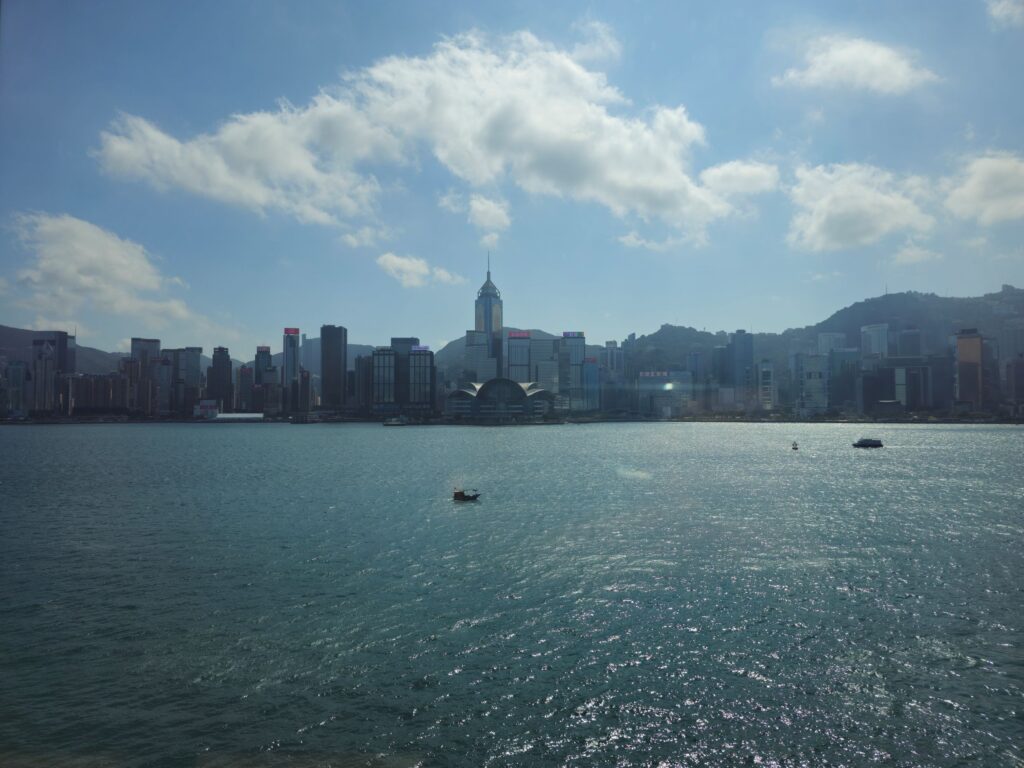
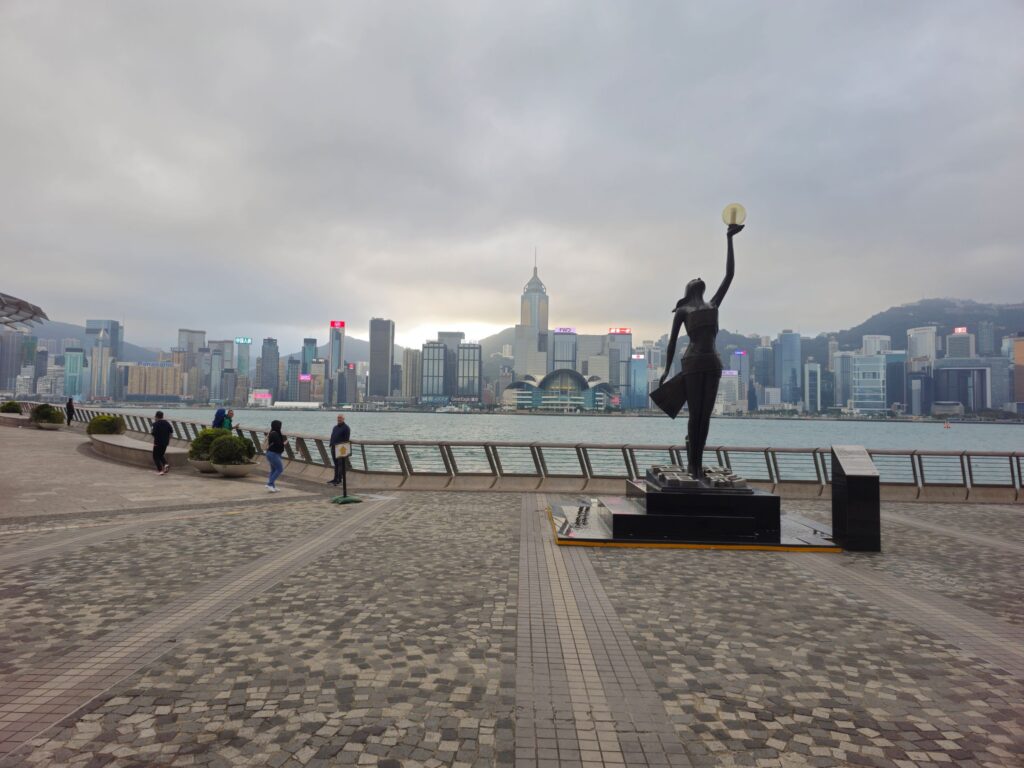
Start your first morning at Victoria Harbour. Walk the Tsim Sha Tsui promenade and just take it in for a few minutes before doing anything else. The skyline across the water is one of those views that genuinely stops you mid-step — and no photo fully captures how tall and how densely packed those buildings actually are when you’re standing in front of them.
What struck me most wasn’t just the height of the buildings — it was how close together they were. Towers pressed shoulder to shoulder along the waterfront, climbing up the hillside behind, with barely any space between them. Dense in a way that feels almost architecturally impossible, yet somehow completely intentional.
The promenade itself is a great place to spend an easy morning — wide, well-maintained, with benches facing the water and a constant stream of locals jogging, tourists photographing, and fishing lines hanging off the railings.
Star Ferry
From the promenade, hop on the Star Ferry to cross to the Hong Kong Island side. The crossing takes about 10 minutes, costs next to nothing, and has been running since 1888. It’s one of those experiences that’s simultaneously practical and iconic — you’re not just taking a ferry, you’re doing something that millions of people have done for over a century.
Always take the upper deck. The views are better, the breeze is better, and the small price difference is genuinely not worth thinking about. Watch the skyline shift as you cross — the perspective from the water is completely different from the promenade, and it’s one of the best vantage points in the city.
Hong Kong Museum of Art
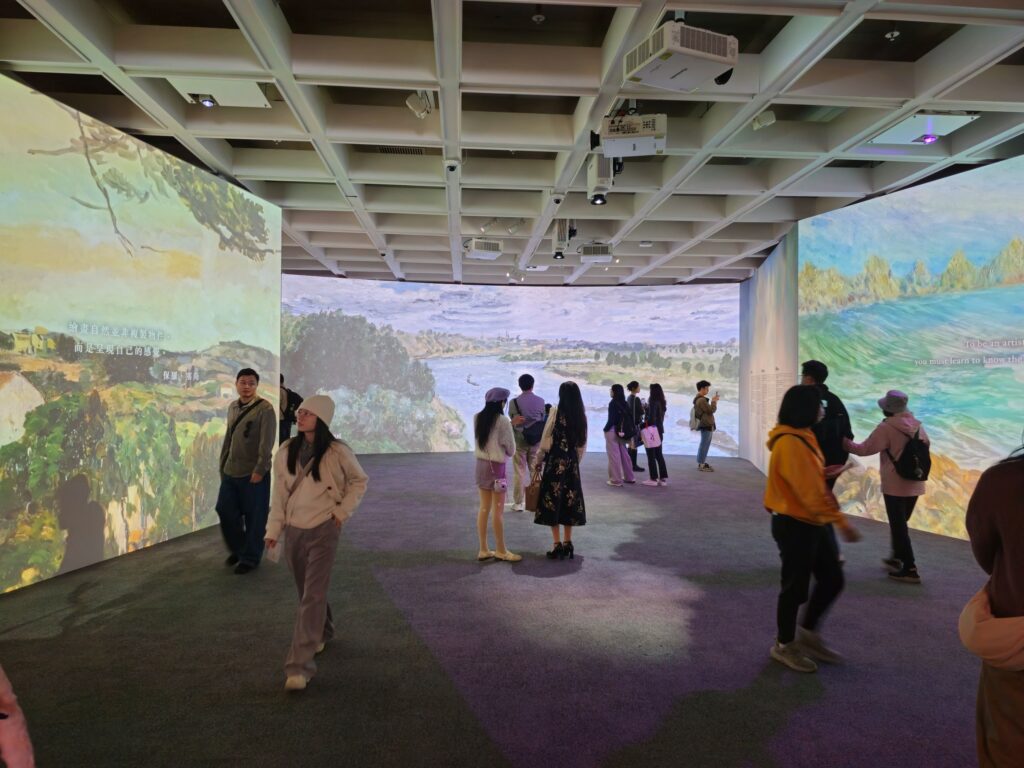
Just a short walk along the waterfront from the Star Ferry pier sits the Hong Kong Museum of Art — and it’s considerably better than its modest reputation among tourists might suggest. The building itself is elegant and modern, positioned right on the water’s edge with harbor views from its upper floors.
The permanent collection covers Chinese ink paintings, ceramics, and decorative arts alongside a strong contemporary Hong Kong art section that gives real insight into the city’s cultural identity. It’s not a museum you rush through — budget at least 2 hours to do it properly. Admission to the permanent collection is free, which makes it one of the best value stops in the city.
If you need a break mid-visit, the museum café has harbor views and is a perfectly good spot to sit and reset before the evening ahead.
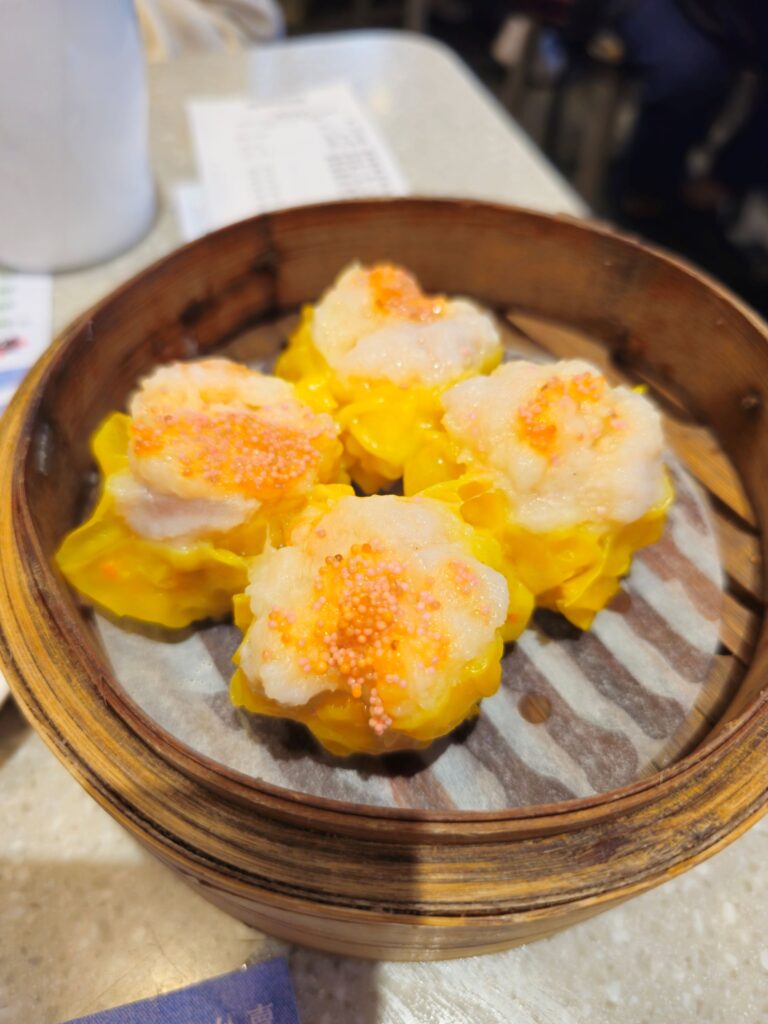
Dim Sum at One Dim Sum
For dim sum, One Dim Sum near Prince Edward is the place. Take the MTR two stops from Tsim Sha Tsui to Prince Edward station and you’re almost there. It’s a local institution — consistently ranked among the best value dim sum in Hong Kong, frequented far more by locals than tourists, which is always a good sign.
The space isn’t fancy. It’s loud, efficient, and packed — exactly what a proper dim sum restaurant should feel like. Arrive when they open to get ahead of the queue. Order the har gow (steamed prawn dumplings), siu mai (pork and prawn dumplings), and cheung fun (rice noodle rolls) as your baseline, then point at whatever else comes around on the cart and looks good. The turnover is fast, everything is fresh, and the bill will be far lower than you expect.
Temple Street Night Market
Head to Temple Street Night Market as the sun goes down. The market starts setting up from around 5–6pm, and arriving on the earlier side gives you the chance to browse before it reaches full evening capacity. The street stretches for several blocks and is lined on both sides with stalls selling everything from jade jewelry and custom-made watches to phone cases, souvenirs, and street food.
Bargaining is not just acceptable here — it’s expected. Start lower than you’re willing to pay and meet somewhere in the middle. Vendors are generally good-natured about it.
What makes Temple Street worth visiting isn’t really what you buy. It’s the atmosphere — the noise, the smells, the narrow lanes packed with stalls and people, fortune tellers set up between the clothing racks, and the occasional live Cantonese opera performance in the side streets. It’s chaotic in a way that feels completely managed, which is very Hong Kong.
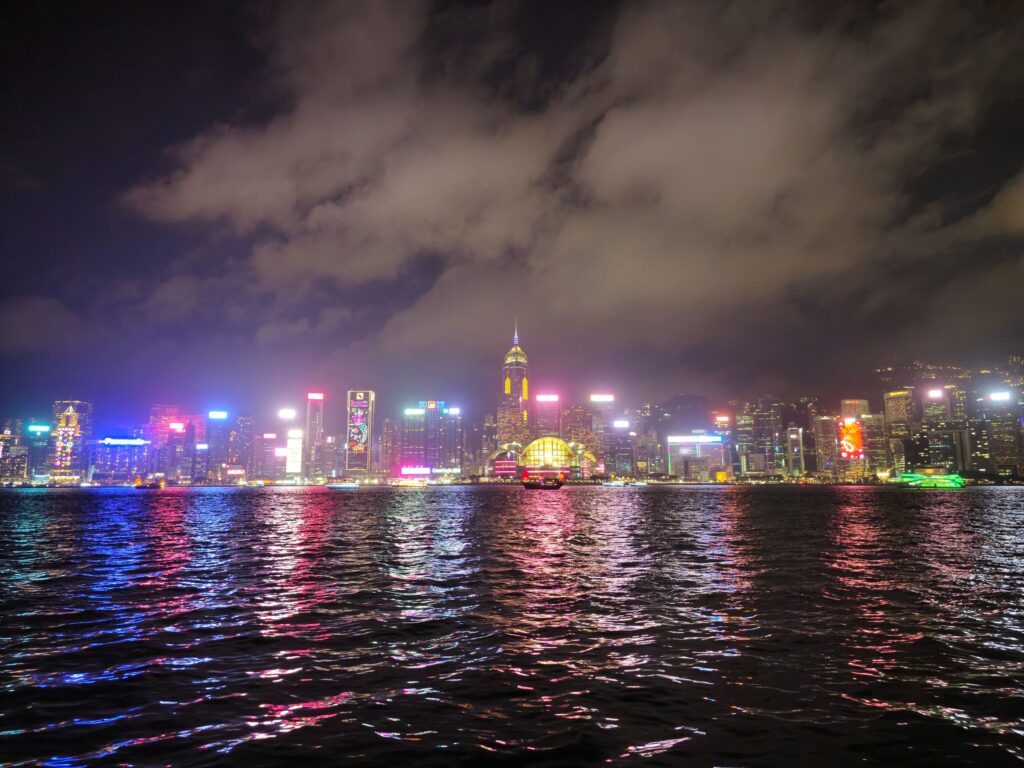
Symphony of Lights
Every evening at 8pm, the harbor puts on a show. The Symphony of Lights is a synchronized light, laser, and music display across the skyline. Head back to the Tsim Sha Tsui promenade by 7:45pm, find a good spot along the railing, and wait.
It runs for about 15 minutes and is completely free. The lasers sweep across the water, the buildings flash in sequence, and the whole skyline transforms in a way that’s genuinely impressive even if you’ve seen it in photos before. Watching it live, with the harbor in front of you and the crowd going quiet around 8pm, is one of those travel moments that earns its reputation.
🗓 Local tip for Days 1–2: For One Dim Sum, no reservations are taken — arrive right when they open to beat the queue. For the Symphony of Lights, the promenade gets crowded fast after 7:45pm, so stake out your spot early. The section closest to the Avenue of Stars tends to offer the widest unobstructed view.
Day 3 & 4 — Hong Kong Island (Central)
On day three, cross to the Island side and base yourself in Central. The shift in atmosphere is immediate — it feels slightly more polished and international, with the steep green mountains rising sharply behind the towers. The street level is more varied too, with old tram lines running along the north shore and escalators climbing the hillside above.
Victoria Peak
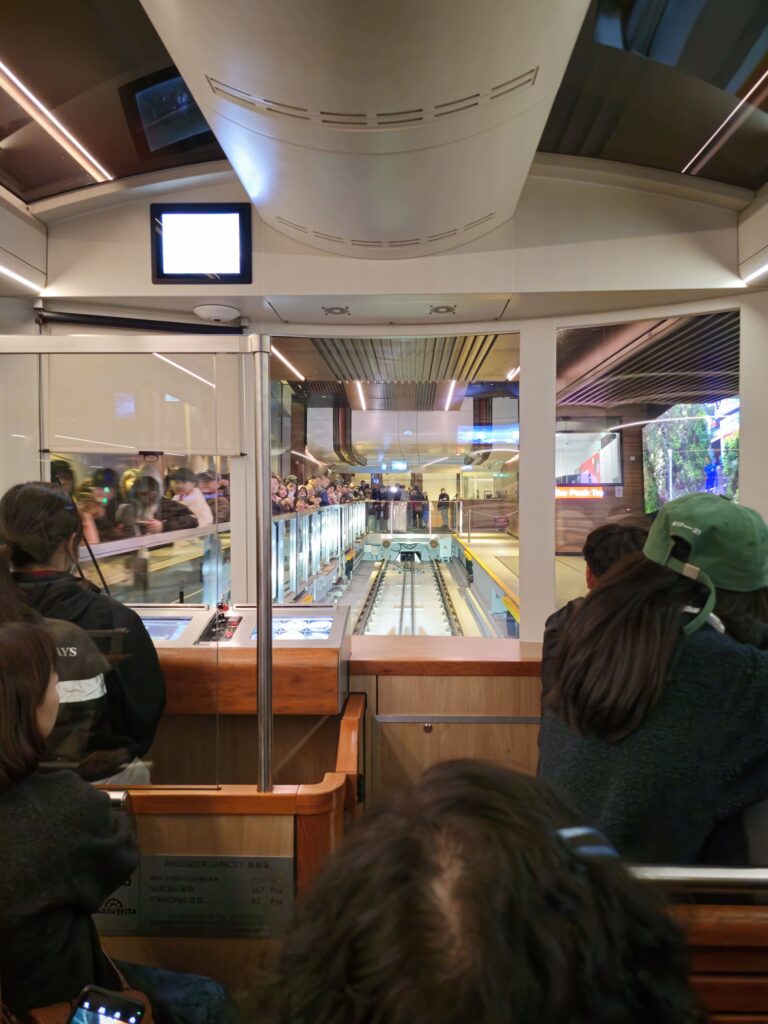
This is the one non-negotiable on Hong Kong Island. Take the Peak Tram from the lower terminus near Central — the ride itself is half the experience. The tram climbs at a steep angle through the dense urban hillside, buildings tilting at impossible-looking angles as you ascend, before delivering you to the plateau at the top.
Victoria Peak in January has one significant advantage over the more popular summer months: the air is clear. Summer brings heat and haze that can significantly soften the views. In January, on a good day, the skyline below is sharp and detailed — you can pick out individual buildings, trace the harbor, and see all the way across to Kowloon beyond.
Spend at least 90 minutes up here. Walk the Lugard Road Loop if you have time — it circles the peak and gives you shifting views as you walk, including angles of the harbor that you don’t get from the main lookout point. It takes about 45 minutes at a relaxed pace and is far quieter than the main viewing area.
Timing tip: Go in the late afternoon and stay for sunset. The transition from the full daylight city to the lit-up evening skyline is one of the most impressive things Hong Kong has to offer. The tram runs until midnight, so there’s no rush to head down.
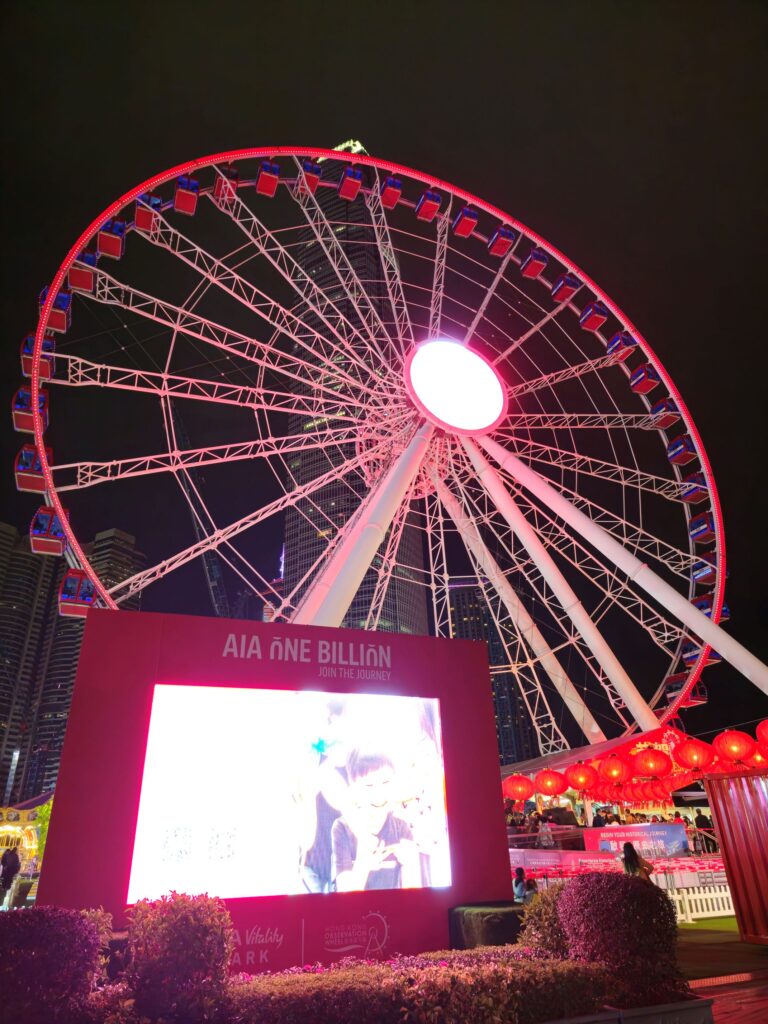
Hong Kong Observation Wheel
Right on the Central Harbourfront sits the Hong Kong Observation Wheel — a 60-metre Ferris wheel that gives you a slowly rotating, 360-degree view of Victoria Harbour and the skyline. The perspective here is completely different from the Peak — you’re at water level, right in the middle of the harbor, watching the Star Ferries and cargo ships pass below while the skyline rises around you.
Each gondola is air-conditioned and fully enclosed, which in January means a comfortable, unhurried ride. One full rotation takes about 15–20 minutes — long enough to properly take in the view without feeling rushed. It’s a quieter, more relaxed alternative to the Peak Tram crowds, and the harbor views from mid-air hit differently from every angle.
Tip: Go in the early evening just before sunset. The light on the harbor turns golden, and by the time your rotation finishes the city lights are starting to come on.
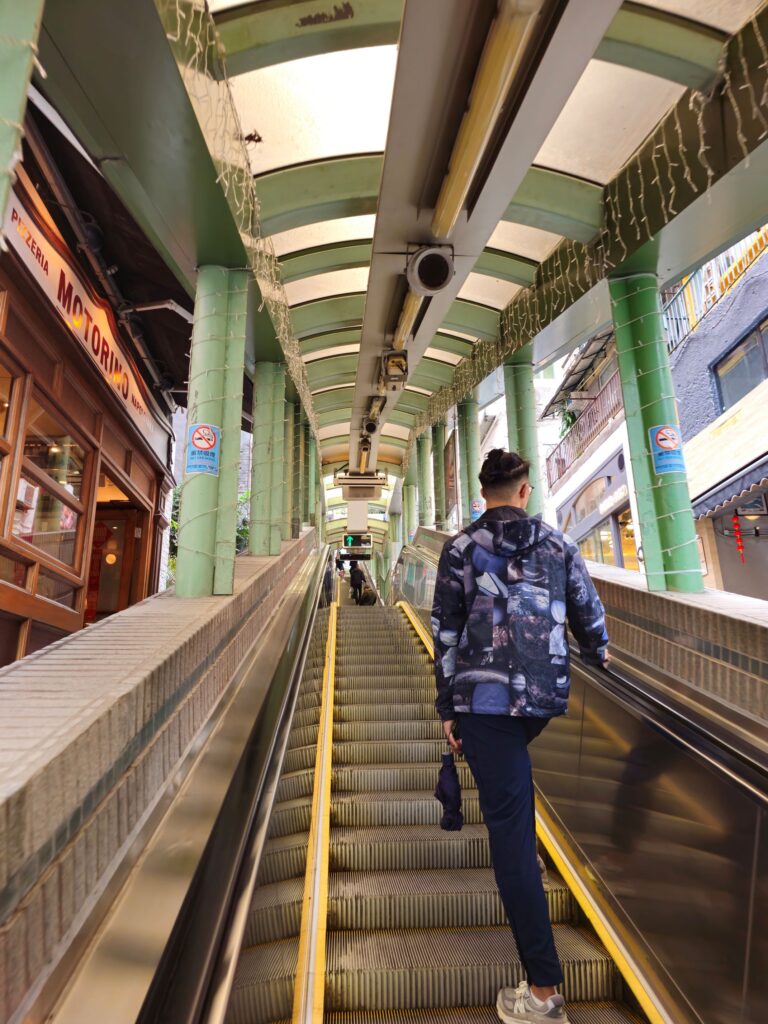
Mid-Levels Escalator + Soho
The Mid-Levels Escalator is the world’s longest outdoor covered escalator system — a series of moving walkways stretching from Central up through the Mid-Levels residential neighborhoods above Soho. It’s a legitimate piece of daily infrastructure that locals use to commute, and also one of the more unusual things to experience in a city already full of unusual things.
Ride it uphill through the neighborhoods — you pass through street-level markets, past apartment buildings with laundry hanging from the windows, through the Soho dining district, watching the city’s layers reveal themselves as you climb.
Important note on direction: The escalator only runs uphill from 10am to midnight. In the early morning (6–10am) it runs downhill for commuters. If you’re heading up to Soho in the morning, you’ll need to walk or take a bus up and ride it down.
Soho is where you’ll want to spend your evening. The streets are lined with restaurants and bars at every price point — Japanese, Italian, Thai, and everything in between alongside solid local options. It’s relaxed, walkable, and the kind of neighborhood where you can wander without a plan and still eat well.
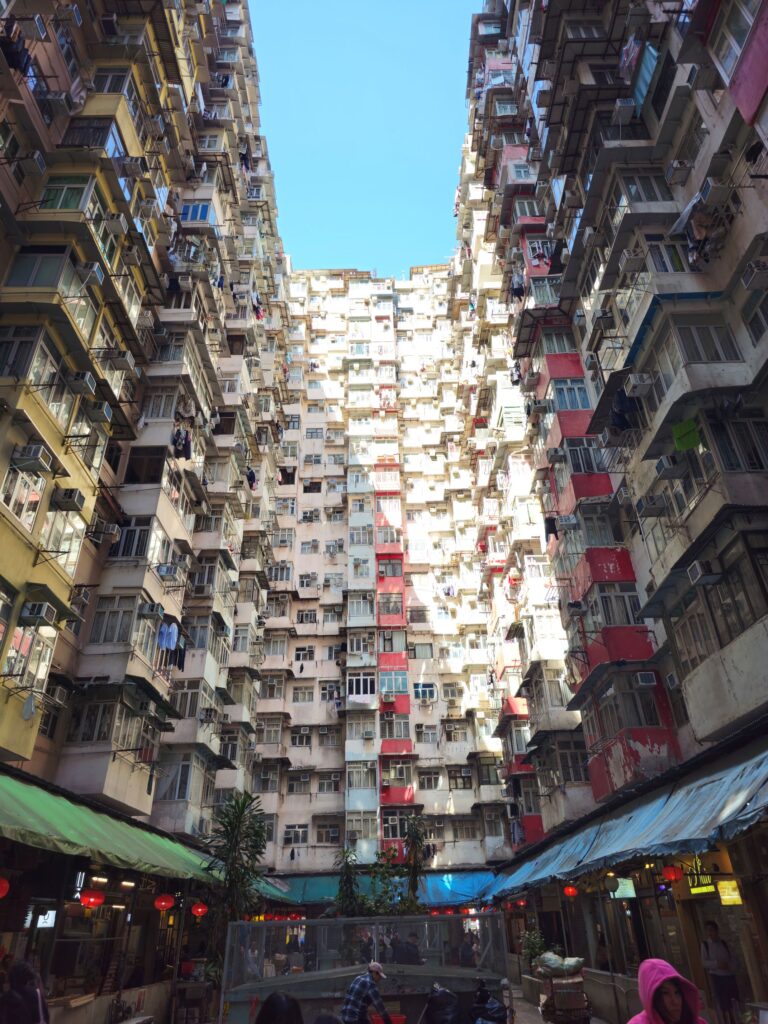
Monster Building (Montane Mansions)
If there’s one place in Hong Kong that will genuinely stop you in your tracks, it’s the Monster Building — officially called Montane Mansions — in Quarry Bay. It’s a complex of five interconnected residential towers that, when viewed from the inner courtyard, creates one of the most visually striking architectural sights in Asia.
The building became widely known through its appearance in various films and photography projects, and the courtyard shot — looking straight up through the layers of apartments, walkways, and windows stacked impossibly high — has become one of the most iconic images of the city. Seeing it in person, the scale is something photos simply don’t communicate.
To get there, take the MTR to Quarry Bay station and walk about five minutes to Fook Cheung Street. Walk into the inner courtyard and look up. That’s the shot — and it’s as impressive as advertised.
A few things worth knowing: this is an actual residential building where people live and work. Be respectful of residents, keep noise down, and don’t wander beyond the open courtyard. Most visitors spend 20–30 minutes here — enough to explore, take your photos, and take in the atmosphere.
Lan Kwai Fong
Just downhill from Soho, Lan Kwai Fong is Hong Kong’s most well-known nightlife district — a cluster of bars, restaurants, and clubs packed onto a few steep, narrow streets in Central. It’s busy every night of the week, but particularly alive on weekends.
Even if nightlife isn’t your thing, it’s worth walking through for the energy alone. The streets are narrow enough that the sound and light spills into a single continuous atmosphere, and in January the weather is pleasant enough to stand outside comfortably. Grab a drink from one of the outdoor bars, find a spot on the street, and watch the city do its thing.
🗓 Local tip for Days 3–4: For Victoria Peak, go on a weekday if possible — weekend queues for the Peak Tram can stretch to 45 minutes or more. For the Monster Building, visit in the morning when the light comes in from above and the courtyard is quieter.
Where to Stay in Hong Kong
Tsim Sha Tsui (Kowloon side) Best for first-timers. You’re right on the harbor promenade, with easy MTR access everywhere and some of the best harbor-view hotels in the city. Generally slightly more affordable than the Island side.
Central / Sheung Wan (Hong Kong Island) Ideal if you want to be on the Island from the start. Great food scene right outside the door, walkable to the Peak Tram, and well-connected by MTR and tram.
Wan Chai / Causeway Bay A solid middle-ground on the Island side — lively neighborhood, excellent food options at all price points, and easy MTR access. Often better value than Central for similar connectivity.
Wherever you stay, the single most important factor is proximity to an MTR station. In Hong Kong, that makes a real daily difference.
What to Eat Beyond Dim Sum
Hong Kong’s food scene runs deep. Beyond One Dim Sum, here’s what shouldn’t be missed:
- Egg waffles (鷄蛋仔) — Buy from a street stall, eat immediately while hot and crisp
- Pineapple bun with butter (菠蘿包) — No actual pineapple involved. A Hong Kong bakery staple with a sweet crunchy top and thick slab of butter inside. Best from a local cha chaan teng
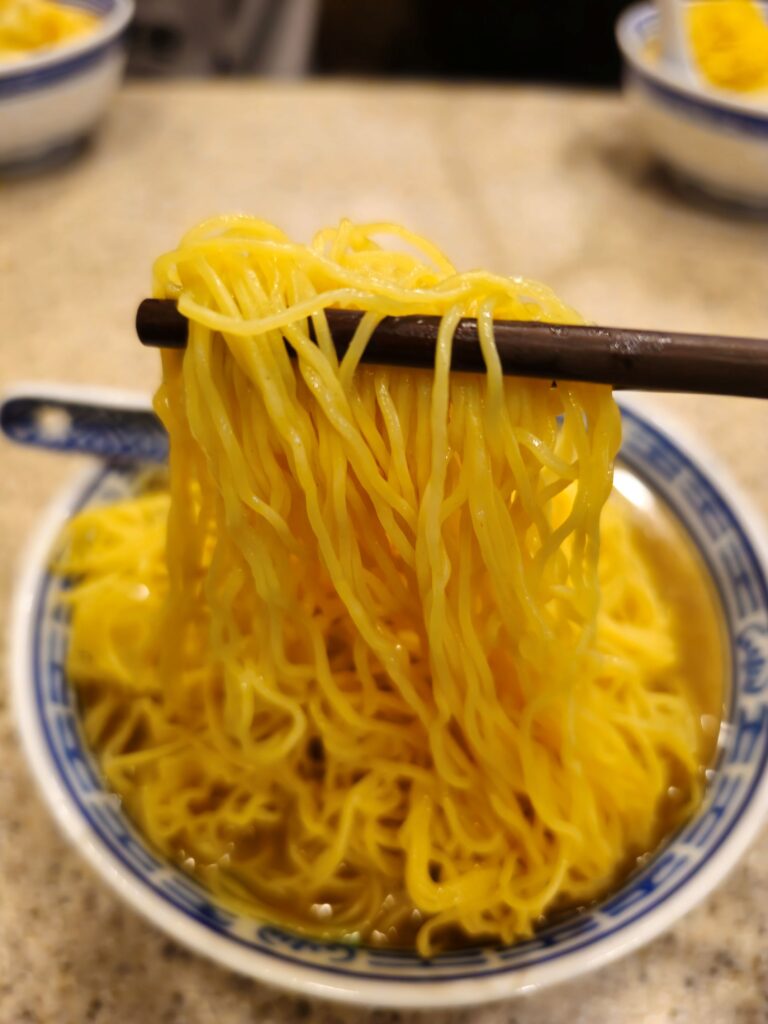
- Wonton noodle soup — Simple, cheap, and deeply satisfying. Find a small local noodle shop rather than a tourist-facing restaurant
- Hong Kong milk tea (絲襪奶茶) — Strong black tea blended with evaporated milk, served hot or iced. The real version pulled through a cloth filter is nothing like what you get elsewhere
- Roast goose — If you eat meat, this is non-negotiable. Crispy skin, rich meat, served over rice
- Curry fish balls — A Hong Kong street food staple. You’ll smell them before you see them. Get a skewer
Practical Tips Recap
- Octopus Card: Get it at the airport. Top it up at any MTR station or 7-Eleven
- Cash: Carry HKD for markets, street food, and small local restaurants
- Shoes: Comfortable walking shoes are essential — Hong Kong involves a lot of walking and some steep hills, especially on the Island side
- Data: Pick up a local SIM at the airport or activate an eSIM before you arrive
- Tipping: Not expected in most local restaurants. More common in hotel restaurants and Western-style dining
Final Thoughts
Four days in Hong Kong is enough to fall genuinely in love with it — and just short enough to leave you already thinking about when you’ll go back. What surprised me most wasn’t the famous skyline or the food, though both delivered completely. It was the way the city manages to be simultaneously overwhelming and totally functional. Millions of people, towers stacked against towers, streets packed at all hours — and yet everything moves with a quiet, confident efficiency that you don’t expect until you experience it.
Split your days between Kowloon and Central. Take the buses as well as the MTR. Eat dim sum early. Stand at the harbor at night and give it a moment. Hong Kong earns every second of that attention.
How to Get from Hong Kong International Airport to Tsim Sha Tsui