

There is a type of restaurant that every neighbourhood in Seoul quietly depends on, and that visitors almost never find. It doesn’t have a neon sign optimised for Instagram. It doesn’t run a delivery app promotion or pay for placement on food ranking websites. It simply opens at the same time every day, cooks the same things it has always cooked, and earns the loyalty of its regulars one bowl at a time. In the Hoegi-dong neighbourhood near Kyung Hee University, that restaurant is Pungtae (풍태).
Ask anyone who has lived near Hoegi Station for more than a semester — whether a Kyung Hee University student, a KAIST researcher, a local family, or a long-term resident of the Dongdaemun-gu area — and the name Pungtae will come up quickly when the conversation turns to Chinese food. Not the Korean-Chinese hybrid cuisine that defines the typical neighbourhood jjajangmyeon shop, but proper, Chinese-leaning cooking with a directness and depth of flavour that the average delivery-app Chinese restaurant in Seoul simply cannot replicate.
Pungtae is the real thing. And finding it, knowing what to order, and understanding what makes it different from the dozens of other Chinese restaurants within walking distance of Hoegi Station — that’s what this guide is for.
The Story: From Gwangheungchang to Hoegi-dong
Pungtae did not begin in Hoegi-dong. Its original home was in Gwangheungchang, in the Mapo district of western Seoul, where it built its reputation over years as a hand-pulled noodle specialist. The restaurant was known in that neighbourhood for the kind of deeply personal, technique-driven cooking that marks a serious Chinese kitchen — hand-pulled (sutamyeon) noodles made to order, broths built from scratch, flavour that comes from craft rather than from commercial seasoning bases.
When Pungtae relocated to Hoegi-dong, the reaction in Gwangheungchang was reportedly one of genuine disappointment. Regulars who had built their lunch habits around the restaurant found themselves making the longer journey east, or simply mourning what they’d lost from their immediate neighbourhood. That kind of reaction tells you something important: this is not a restaurant that people visit once and forget. It is the kind of place that rewires your expectations of what a neighbourhood Chinese restaurant can be, and then leaves you slightly dissatisfied with everywhere else.
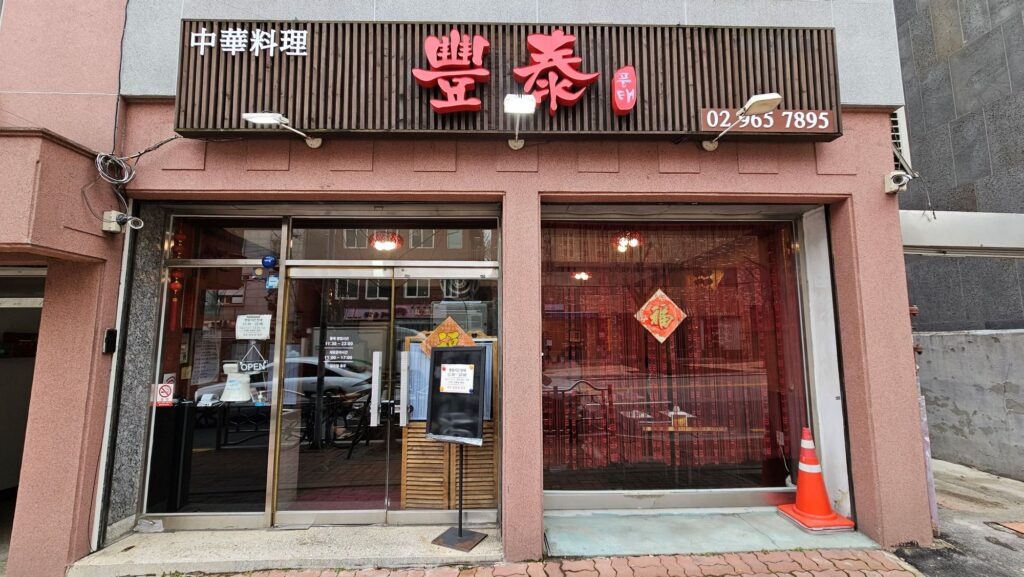
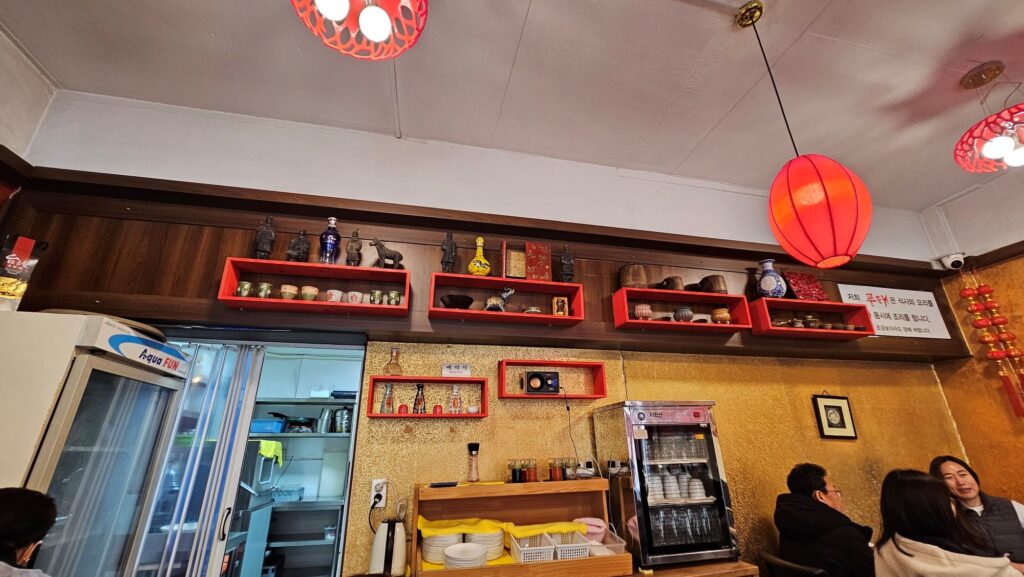
The current Hoegi-dong location — on the first floor of a building on Hoegiro, just a short walk from Hoegi Station — has since established its own loyal following from the surrounding university community and residential population. The restaurant occupies a basement-adjacent ground floor space with unpretentious decor and the quietly purposeful atmosphere of a kitchen that is focused entirely on the food rather than the presentation. Chinese patrons make up a significant part of the regular clientele, which is one of the more reliable indicators that what’s being cooked here is the real thing.
What to Expect: A Different Kind of Chinese Restaurant
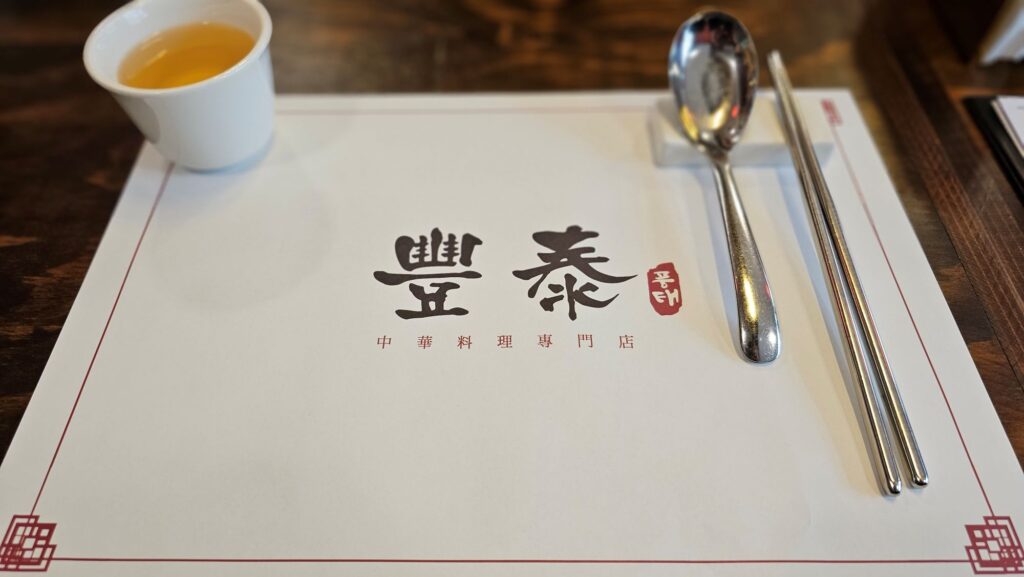
Walking into Pungtae for the first time, the first thing you notice is the absence of the visual vocabulary that defines most Korean-Chinese restaurants. There is no big laminated menu poster with photographs of every dish lit to look more appealing than they are in person. The service is direct and efficient rather than elaborate. The Chinese signage on the exterior (the name 豊泰 in Chinese characters) has reportedly left some Korean visitors uncertain whether they’ve found the right place until they see the Korean name written inside.
What takes the place of all the usual signage and marketing is something more fundamental: the smell of a kitchen working at full intensity, the sound of a wok under high heat, and the sight of dishes arriving at tables that look and smell exactly like food that was made with genuine care and technique.
The clientele is a mix that perfectly reflects the neighbourhood — university students on lunch breaks eating alone with their phones, groups of researchers from KAIST who have evidently made Pungtae part of their weekly routine, local families who arrive with the ease of long familiarity, and the occasional visitor who has done their research and made the journey specifically. The atmosphere is unhurried without being slow, and the table turnover is efficient without feeling rushed.
One aspect of Pungtae worth noting in advance: it operates as a no-kids zone (노키즈 존). Children are not admitted for dine-in service, though takeaway is available for families with young children who want to enjoy the food at home. This is a policy that has generated some discussion in online reviews, and it’s worth knowing before you visit with family.
The Menu: What to Order and Why
Jjamppong (짬뽕): The Dish That Defines the Place
For most visitors and regulars, the first and most important order at Pungtae is the jjamppong — and it is a version of this dish that consistently distinguishes the restaurant from its competitors in the neighbourhood.
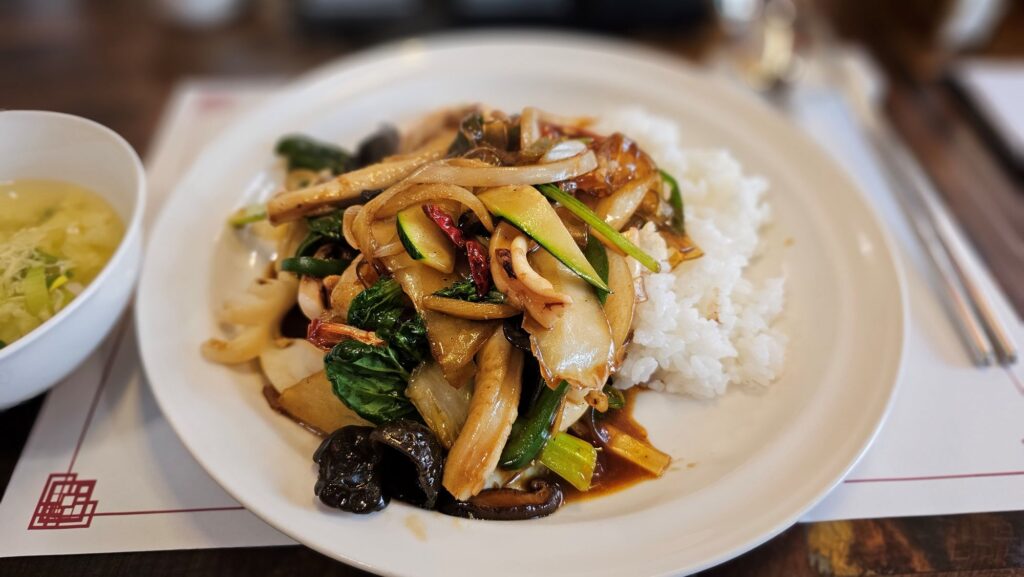
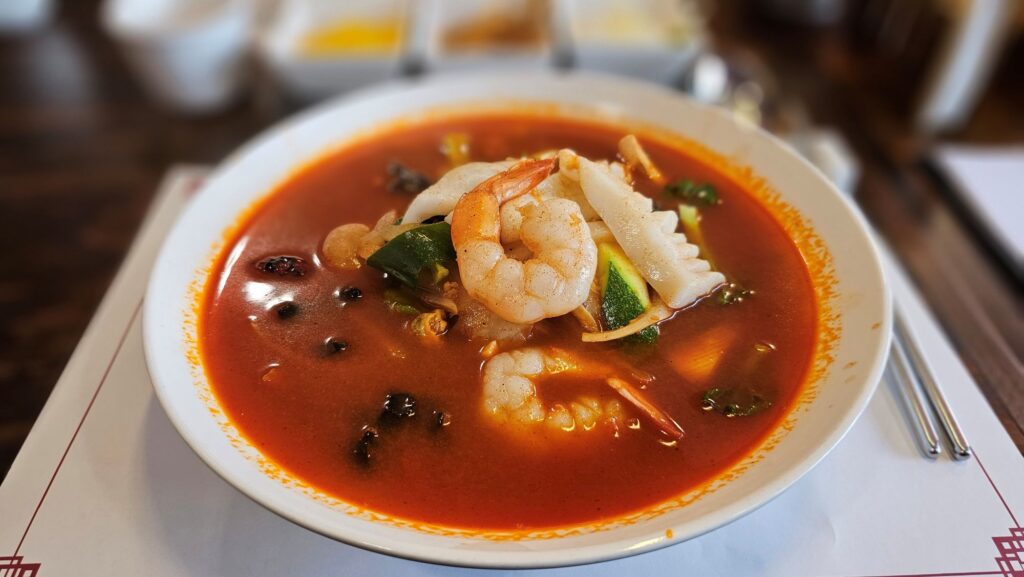
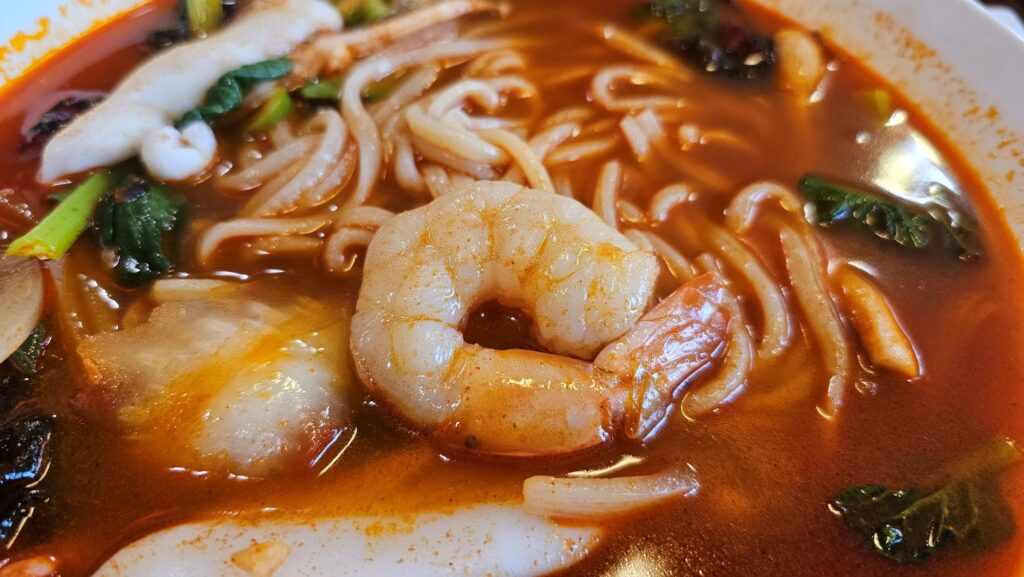
Korean-style jjamppong (a spicy seafood noodle soup) exists on a spectrum from the overseasoned and aggressively spiced to the carefully crafted and genuinely flavourful. Pungtae’s version lands firmly at the better end of that spectrum. The broth is built with real depth — spicy without being one-dimensionally hot, with a base that suggests genuine stock-making rather than commercial seasoning powder. The seafood is generously portioned and of noticeably good quality: large pieces of squid and shellfish that arrive in the bowl rather than as token garnish. Reviewers consistently note that the broth does not overwhelm the ingredients, and that the heat level is present and serious without crossing into the kind of capsaicin punishment that makes a dish difficult to actually taste.
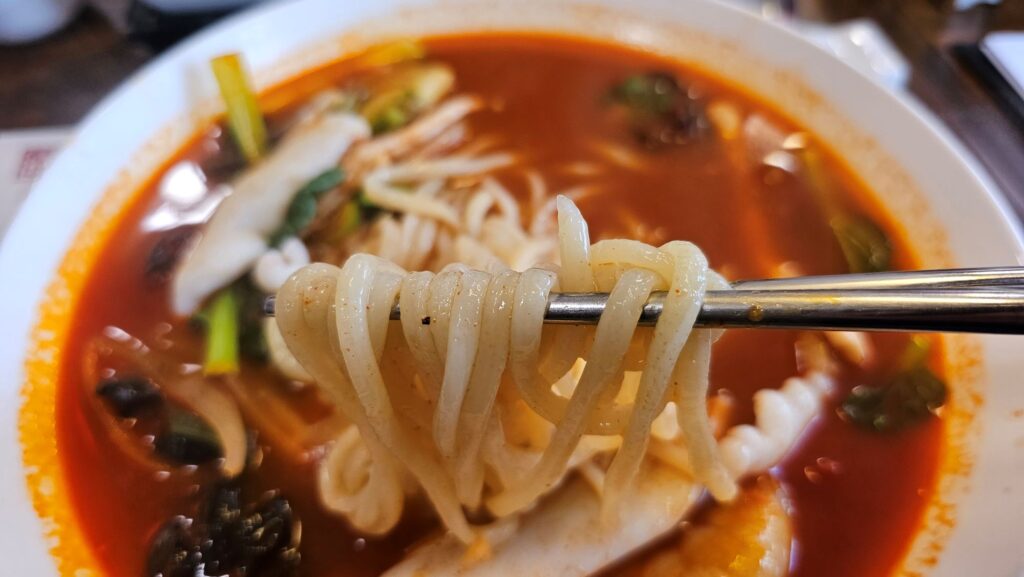
The noodles — a legacy of the restaurant’s hand-pulled noodle tradition — are a point of particular note. Pungtae’s noodles have a texture and character that reflects genuine technique: springy, with a slight resistance that holds up in the hot broth rather than collapsing into softness. Multiple reviews specifically mention the noodles as a distinguishing feature of meals here, which is not something you commonly see written about jjamppong at the average Korean-Chinese restaurant.
For those who prefer a non-spicy option, the Ulmeong (울면) — a thickened, mild white seafood noodle soup — is available and well-regarded as a gentler alternative that still showcases the kitchen’s stock-making and noodle quality without the heat.
Tangsuyuk (탕수육): The Undisputed Star
If jjamppong is what brings people to Pungtae for the first time, tangsuyuk — sweet and sour pork — is what keeps them coming back. It appears in review after review as the standout dish at this restaurant, described with the kind of specificity that only comes from genuine enthusiasm.
Pungtae’s tangsuyuk is notable for the quality of its pork, which is consistently described as fresh, free of the gamey undertones that characterise lower-quality versions of this dish, and properly tender inside its crisp coating. The batter is applied with restraint — enough to give a proper, sustained crunch without obscuring the flavour of the meat inside. The sauce, served separately in the traditional style for self-dipping, has the right balance of sweet and sour without the cloying intensity that defines the worst versions of this dish.
The consensus across reviews is straightforward: this is among the best tangsuyuk in the Hoegi area, and possibly the best in the broader Dongdaemun-gu neighbourhood. It is available in small (소), medium (중), and large (대) sizes, and the recommendation for two people is to order the medium and consider upgrading to large on a second visit.
Jajangmyeon and Ganjajang (짜장면 / 간짜장)
Pungtae’s jajangmyeon is not a flashy interpretation of the Korean-Chinese classic — it is a version that takes the dish seriously at its foundations. The sauce has genuine depth, the noodles hold their texture well, and the overall character is one of honest quality rather than novelty. The ganjajang — a version of the dish made with less water and a more intensely concentrated sauce — is frequently recommended by regulars as the preferred order if you’re choosing between the two. Several reviewers specifically note the quality of the noodle itself as a distinguishing feature of both versions.
Bokkeum-bap (볶음밥): Fried Rice Done Right
The fried rice at Pungtae receives consistent praise for a specific quality that is easy to overlook in a less technically accomplished kitchen: the individual grains remain separate, each one coated and flavoured by the wok rather than clumping or steaming together. This sounds like a basic requirement for fried rice, but it is in fact the direct result of high wok heat and proper technique — the kind of wok hei (불향, or wok breath) that is extremely difficult to replicate at home or in a kitchen that lacks the equipment or the skill. At Pungtae, the fried rice serves as a reliable indicator of the kitchen’s overall approach.
Uryuk Tangmyeon (우육탕면): For the Dedicated Visitor
Among the more dedicated regulars and serious food reviewers, the uryuk tangmyeon — a beef noodle soup influenced by the Taiwanese and mainland Chinese beef noodle tradition — stands out as one of Pungtae’s most interesting dishes and one of the best versions of this style available in Seoul. It has been described as the best Korean-adapted version of the dish among several competing options in the neighbourhood, notable for its balance between the Korean palate and the Chinese original. This is a dish worth ordering on a second visit once you’ve established your relationship with the more canonical menu items.
Jjamppong-bap (짬뽕밥): The Rice Alternative
For those who prefer a rice-based meal over noodles, the jjamppong-bap — the same spicy seafood soup served over rice rather than noodles — is available and consistently well-reviewed. The soup-to-rice ratio suits the character of the broth, and the dish is recommended as a particularly satisfying option for colder weather visits.
Gunmandu (군만두): The Essential Side
Pungtae’s pan-fried dumplings are described with particular fondness in reviews focused on the smaller items: crispy on the outside, properly filled, and made with the kind of care that distinguishes house-made dumplings from commercial alternatives. They are the natural order alongside jajangmyeon or as an addition to any meal, and at the price point involved they represent excellent value.
Practical Information
Address
서울 동대문구 회기로 116, 1층 (116 Hoegi-ro, Dongdaemun-gu, Seoul — 1st floor)
The restaurant is located on Hoegi-ro, the main commercial street running through the Hoegi-dong neighbourhood, within easy walking distance of Hoegi Station. Look for the Chinese characters 豊泰 on the exterior.
Opening Hours
| Day | Hours |
|---|---|
| Monday | 11:30 AM – 10:00 PM |
| Tuesday | 11:30 AM – 10:00 PM |
| Wednesday | 11:30 AM – 10:00 PM |
| Thursday | 11:30 AM – 10:00 PM |
| Friday | 11:30 AM – 10:00 PM |
| Saturday | 11:30 AM – 10:00 PM (no break time) |
| Sunday | Closed |
Break time (weekdays): 3:00 PM – 5:00 PM Last order: 9:00 PM No break time on Saturdays
Prices (Approximate)
| Menu Item | Approximate Price |
|---|---|
| Jjamppong (짬뽕) | ₩9,000–₩11,000 |
| Jajangmyeon (짜장면) | ₩7,000–₩9,000 |
| Ganjajang (간짜장) | ₩8,000–₩10,000 |
| Ulmeong (울면) | ₩9,000–₩11,000 |
| Uryuk Tangmyeon (우육탕면) | ₩11,000–₩13,000 |
| Jjamppong-bap (짬뽕밥) | ₩9,000–₩11,000 |
| Bokkeum-bap (볶음밥) | ₩9,000–₩11,000 |
| Tangsuyuk 소 (Small) | ₩18,000–₩22,000 |
| Tangsuyuk 중 (Medium) | ₩25,000–₩30,000 |
| Tangsuyuk 대 (Large) | ₩33,000–₩38,000 |
| Gunmandu (군만두) | ₩6,000–₩8,000 |
Prices are approximate and based on available review data. Confirm current pricing at the restaurant, as costs may have been updated.
Reservations
Pungtae does not take reservations. It operates on a walk-in basis. The restaurant is generally quieter during weekday lunch hours outside of peak semester periods, and the most reliable way to be seated immediately is to arrive just after opening (11:30 AM) or shortly after the break time ends (5:00 PM).
Weekend lunches — particularly Saturdays — can see a wait, as the restaurant draws visitors from beyond the immediate neighbourhood who make the trip specifically. Arriving before 12:00 PM on Saturdays is recommended.
No-Kids Policy
Pungtae operates as a no-kids zone (노키즈 존) for dine-in service. Families with young children wishing to enjoy the food can order takeaway.
Parking
No dedicated parking is available. Street parking in the Hoegi-dong area is limited, particularly on weekends. Public transport is the strongly recommended option.
Phone
02-965-7895
How to Get There
By Subway (가장 추천)
Hoegi Station (회기역) on Seoul Metro Line 1 is the closest station, approximately a 5–7 minute walk from the restaurant. Take Exit 1 or 2 and walk toward Hoegiro — the main commercial street running through the neighbourhood. The restaurant is on the ground floor of a building on the right-hand side heading toward Kyung Hee University.
Hoegi Station is also served by the Gyeongui–Jungang Line (수도권 전철 경의중앙선), which connects directly from Seoul Station, Hongik University Station, Suseo, and Deokso. This makes Pungtae accessible from a wide range of starting points across the city without requiring a transfer.
By Bus
Several bus routes serve the Hoegi Station area, including routes 130, 147, 261, 1224, and the Dongdaemun-gu community bus (마을버스) network. Alight at the Hoegi Station (회기역) stop and walk in the direction of Hoegiro.
On Foot
From Kyung Hee University Seoul Campus main gate: approximately 5–8 minutes walking east along Hoegiro. From Korea University (고려대학교): approximately 15–20 minutes walking west, or a short ride on Line 6 (Anam Station) followed by a transfer. From Dongdaemun History & Culture Park Station: approximately 15 minutes by Line 1 to Hoegi Station.
The Neighbourhood: Hoegi-dong and Why It’s Worth Your Time
Pungtae is not the only reason to come to Hoegi-dong, though it might be the best one. The neighbourhood occupies an interesting position in Seoul’s geography — flanked by Kyung Hee University to the west and KAIST Seoul Campus to the east, with a residential population that gives it a more lived-in, less self-consciously trendy character than the more heavily visited university neighbourhoods of Sinchon or Hongdae.
The Hoegi-dong Mural Street (회기동 벽화골목) — which was featured on the Korean television programme Baek Jong-won’s Alley Restaurant (백종원의 골목식당) — is a short walk from the restaurant and worth 30 minutes of exploration. The murals were created as part of a 2016 collaboration between Seoul City and Kyung Hee University under the “Breathe Project” (숨 프로젝트), a campus town initiative that brought artists to the neighbourhood to transform the alleyway walls. The results are charming and unpretentious, a significant step above the average Korean mural alley in terms of quality and variety.
The streets immediately surrounding Pungtae are lined with the kind of small, independent businesses — bakeries, stationery shops, small cafés, used bookstores — that characterise a healthy Korean university neighbourhood. The area has resisted the homogenisation that has transformed some of Seoul’s more famous university districts into processions of chain cafés and franchise restaurants, and a walk through the streets before or after your meal at Pungtae is a pleasant way to spend an hour.
Tips for Your Visit
Order the tangsuyuk. Whatever else you order, the tangsuyuk at Pungtae is the dish most consistently cited as the restaurant’s best, and the one most likely to explain why people come back specifically. For two people, the medium size is the right call on a first visit.
Come on a weekday if possible. The neighbourhood is quieter Monday through Friday outside of peak lunch hours, and the restaurant’s atmosphere is easier and more relaxed on a weekday afternoon than on a Saturday when visitors from further afield mix with the regular local crowd.
Arrive at opening or after break time. The most reliable times to walk in and be seated immediately are just after 11:30 AM and just after 5:00 PM. The lunchtime period between 12:00 and 1:30 PM is the busiest, and the dinner hour from 6:00 PM on Saturdays can involve a short wait.
Note the Saturday schedule. Saturday is the only day with no break time, making it a convenient option for visitors who can’t arrive at the standard lunch or dinner windows. On all other days, the kitchen is closed from 3:00 to 5:00 PM.
Try the uryuk tangmyeon on a second visit. If you’re a returning visitor or someone with a particular interest in Chinese noodle soups, the beef noodle soup is the dish at Pungtae most commonly described as the restaurant’s most distinctive offering beyond the classics. It rewards the visit of someone who already knows the standard menu.
Use the Gyeongui–Jungang Line from central Seoul. If you’re coming from the Hongdae, Sinchon, or Seoul Station area, the Gyeongui–Jungang Line runs directly to Hoegi Station without requiring a transfer, making the journey considerably more straightforward than the multi-line route via Line 1 from central Seoul.
Quick Reference
| Info | Details |
|---|---|
| Address | 서울 동대문구 회기로 116, 1층 |
| Phone | 02-965-7895 |
| Hours (Mon–Fri) | 11:30 AM – 10:00 PM (Break: 3:00–5:00 PM) |
| Hours (Sat) | 11:30 AM – 10:00 PM (No break) |
| Closed | Every Sunday |
| Last Order | 9:00 PM |
| Reservations | Not accepted (walk-in only) |
| Kids Policy | No kids zone (dine-in); takeaway available |
| Parking | None |
| Nearest Station | Hoegi Station (Line 1 / Gyeongui–Jungang Line) |
Cheongnyangni Fruit and Vegetable Wholesale Market: Seoul’s Early Morning Symphony of Freshness
Majang-dong Jeonbotdae-jip: Where Seoul Locals Go for Legendary Hanwoo BBQ