
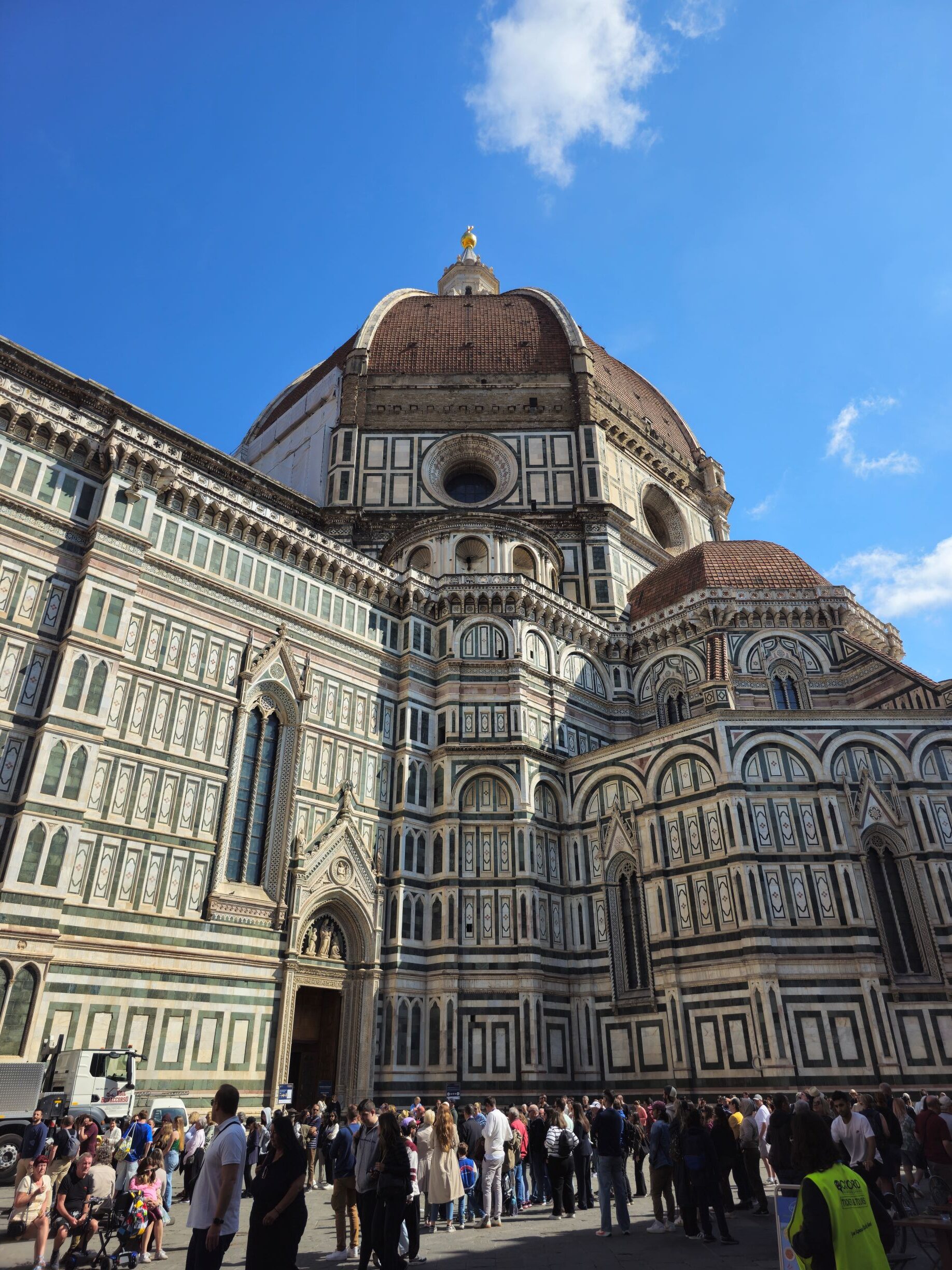
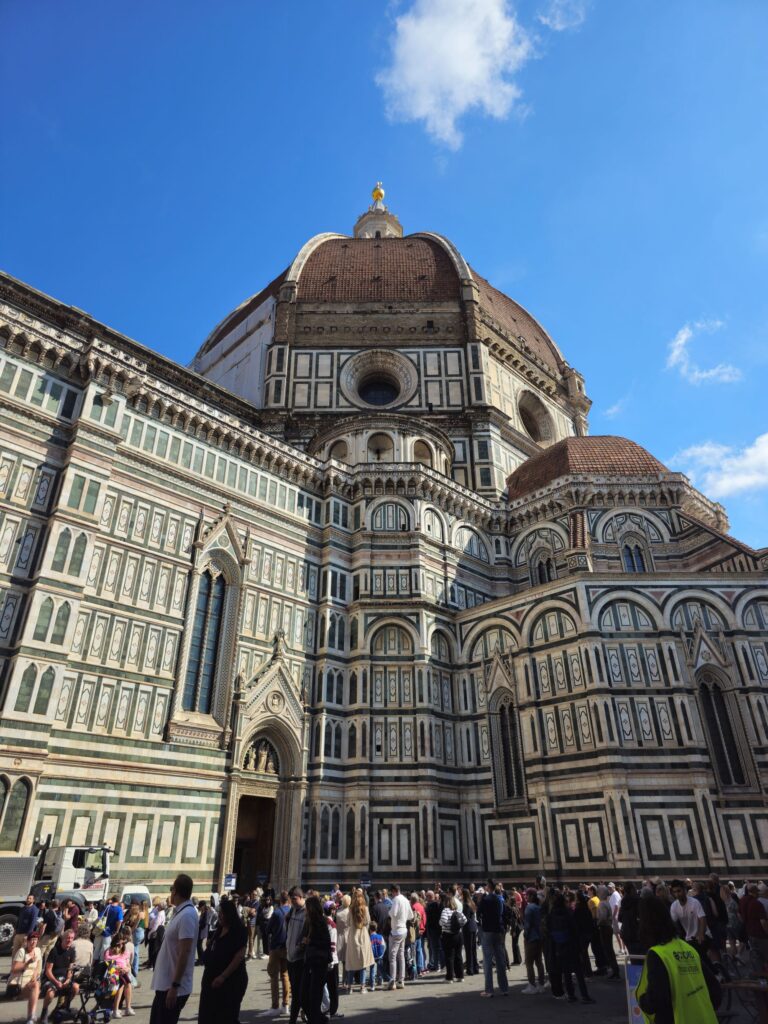
Towering above the heart of Florence, the Cathedral of Santa Maria del Fiore—commonly known as the Florence Duomo—is one of Italy’s most awe-inspiring architectural masterpieces. With its iconic red-tiled dome designed by Filippo Brunelleschi, elegant Gothic façade, and a richly adorned interior, Cathedral of Santa Maria del Fiore stands as both a spiritual sanctuary and a testament to the city’s artistic and engineering legacy. A visit here is not only a journey through sacred space but also through centuries of innovation, devotion, and civic pride. Whether seen glowing under the Tuscan sun or illuminated against the night sky, the Duomo is an unforgettable symbol of Florence’s enduring cultural brilliance.
Origins and Historical Significance
The history of the Cathedral of Santa Maria del Fiore stretches back to the late 13th century, when Florence was rapidly rising as one of Europe’s wealthiest and most influential cities. In 1296, construction began on the cathedral under the design of architect Arnolfo di Cambio, who envisioned a grand new church to replace the aging structure of Santa Reparata. The project was intended to reflect Florence’s growing prosperity and its ambition to rival other major Italian cities like Siena and Pisa.
The name “Santa Maria del Fiore” means “Saint Mary of the Flower,” symbolizing both the Virgin Mary and the emblem of Florence, the lily. The cathedral was consecrated in 1436 by Pope Eugene IV, even though its crowning architectural glory—the massive dome—was not yet completed. It was Filippo Brunelleschi who solved the daunting challenge of constructing the dome without traditional wooden scaffolding, a feat that had puzzled architects for decades. His innovative approach involved a herringbone brick pattern and an internal support system that revolutionized architectural design in Europe.
The dome remains the largest brick masonry dome ever constructed and a defining feature of Renaissance engineering. Its creation marked a pivotal moment in architectural history, inspiring countless other works and cementing Florence’s place at the heart of the Italian Renaissance. Over time, the cathedral complex evolved into a powerful symbol of civic pride and spiritual identity for the people of Florence.
Throughout its long history, Cathedral of Santa Maria del Fiore has witnessed major religious and political events. During the 15th century, it was at the center of Florence’s powerful Medici dynasty and a site of resistance during the Savonarola period. It has hosted coronations, sermons by key historical figures, and remains a working church to this day.
Artistic and Architectural Highlights
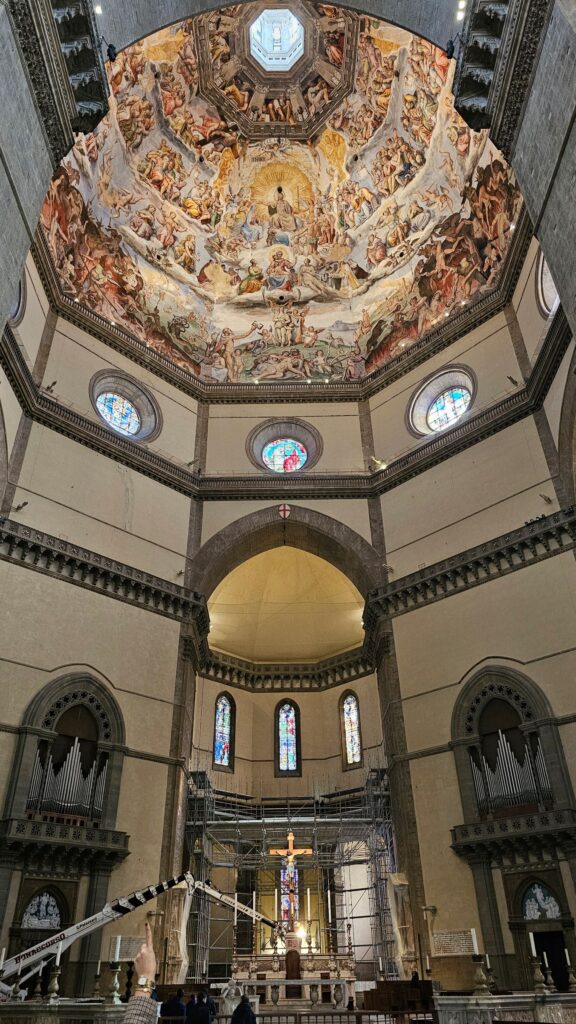
Inside, the vast nave leads the eye directly toward the interior of the dome, where the “Last Judgment” frescoes—begun by Giorgio Vasari and completed by Federico Zuccari—envelop visitors in a stunning spiritual panorama. Spanning more than 3,600 square meters, this fresco cycle is the largest of its kind in the world. Vivid scenes of saints, angels, and tormented sinners spiral upward in a breathtaking narrative designed to provoke awe and reflection.
Beneath your feet, the marble floors unfold in intricate geometric patterns that guide the visitor’s journey through the sacred space. Sculptural works by artists like Donatello and Luca della Robbia add yet another layer of richness. Cathedral of Santa Maria del Fiore houses tombs of notable Florentines and religious leaders, preserving their legacy within this sacred monument.
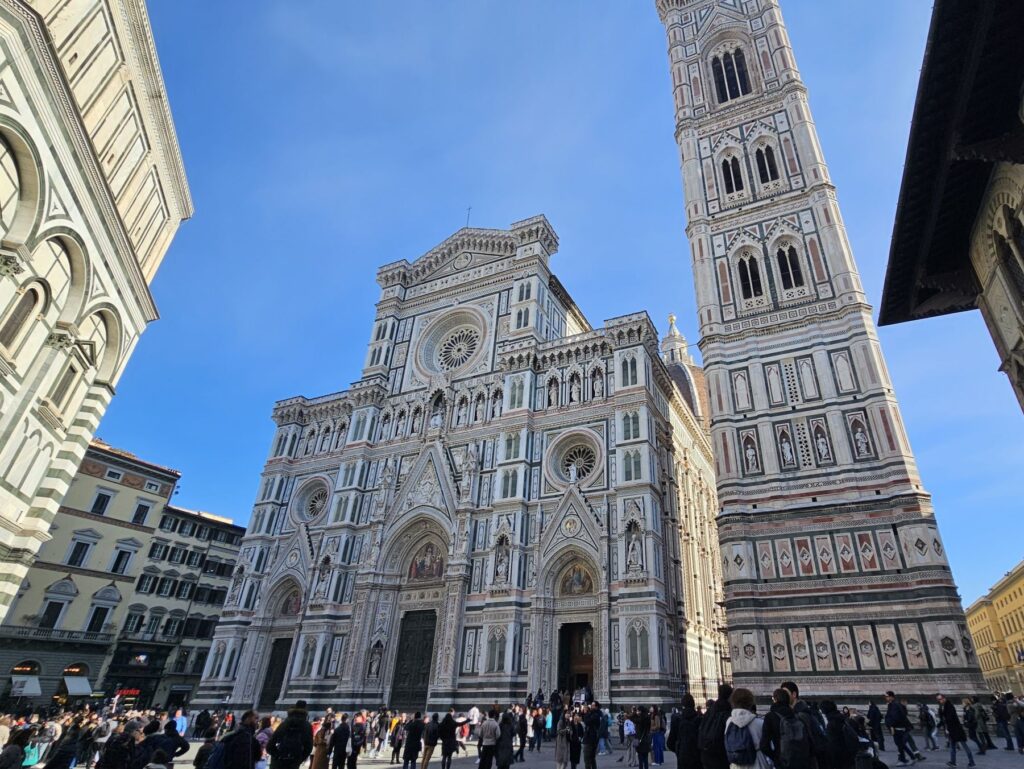
Outside, the neo-Gothic façade by Emilio De Fabris—completed in the 19th century—features colorful marble panels, elaborate carvings, and detailed statues. The entire exterior radiates grandeur and harmony, capturing the creative spirit of multiple centuries.
The Dome and Its Frescoes
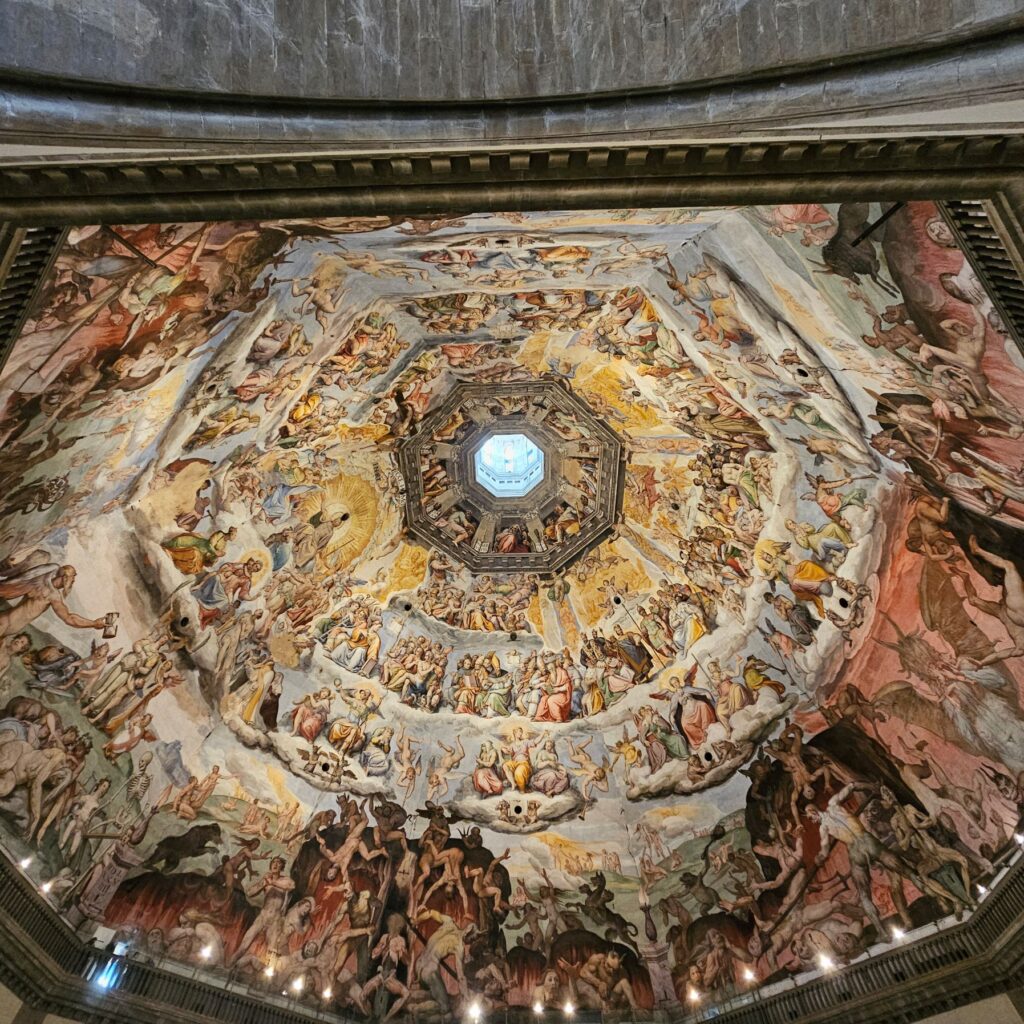
One of the most captivating features of the Duomo is its massive inner dome, adorned with an epic fresco cycle. The “Last Judgment,” with its vivid scenes of heaven and hell, stretches across the interior in concentric circles. The upper tiers depict serene scenes of paradise and angelic hosts, while the lower sections descend into darker depictions of damnation, complete with demons, fire, and contorted figures of the condemned.
This artistic marvel is both a religious warning and a display of Renaissance artistic skill. The collaboration between Vasari and Zuccari blends theological symbolism with striking human emotion, bringing the fresco to life. As visitors ascend to the dome’s base during the climb, they are afforded an intimate view of these artworks—an experience that is both humbling and unforgettable.
Climbing the Dome and Bell Tower
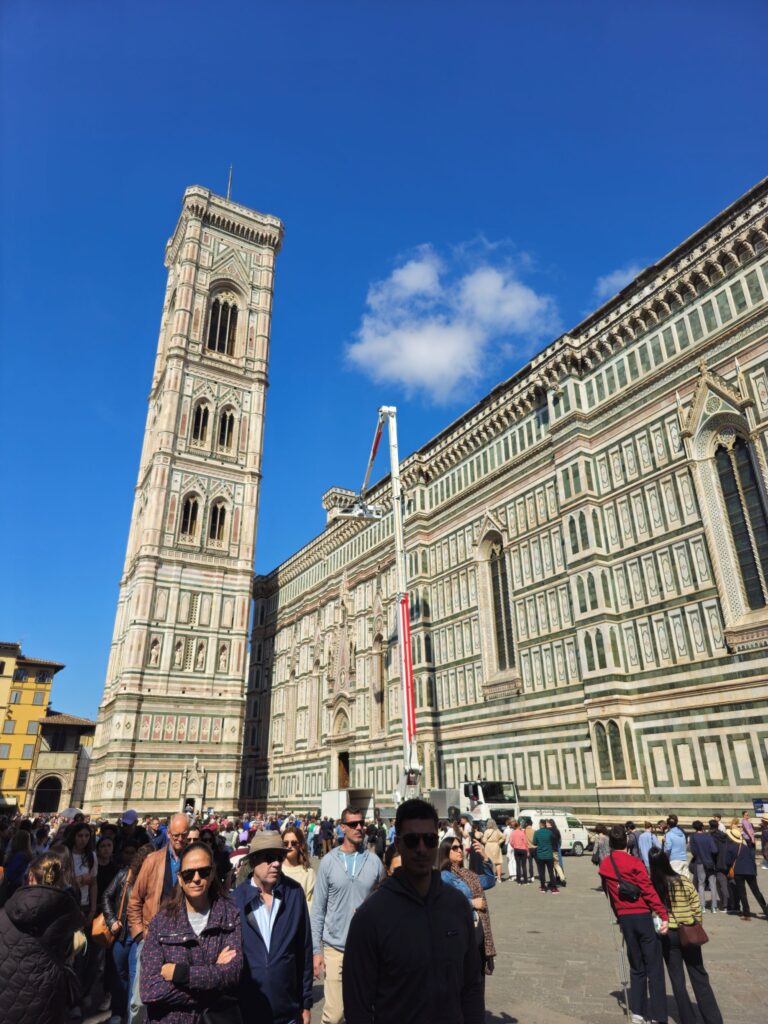
Climbing Brunelleschi’s Dome is both a physical and visual journey. The climb involves 463 narrow and winding steps, with no elevator in sight. Similarly, Giotto’s Bell Tower requires a separate 414-step ascent. Both climbs pass through confined corridors, so those with claustrophobia or mobility issues should take caution.
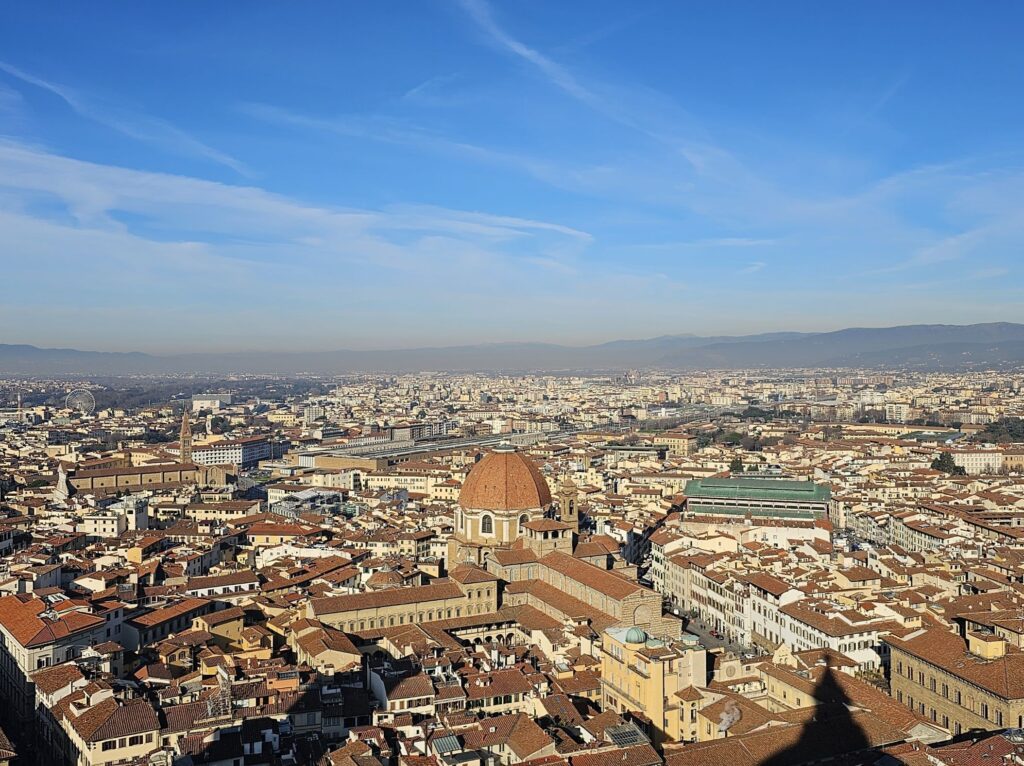
Despite the challenge, the reward is immense. The view from the top of the dome offers a sweeping panorama of Florence—from terracotta rooftops to the distant Tuscan hills. It is a view that has enchanted travelers for centuries. Between the two climbs, the dome provides the superior vantage point, with no obstructions and a higher elevation than the bell tower, whose view is partially enclosed by a metal grille.
To fully enjoy the experience, visitors should wear comfortable footwear and clothing, bring water, and prepare for a moderately strenuous hike. Reservations are essential, particularly in high season, as ticket availability is limited and time slots fill up quickly.
Choosing Between Dome and Tower
For visitors wishing to capture the best panoramic views of Florence, ascending the dome is the preferred option over Giotto’s Bell Tower. Not only is the dome taller, but it also lacks the metal grates that can obstruct photographs at the bell tower. However, both climbs offer breathtaking perspectives and insights into the architectural ingenuity of the time.
It’s worth noting that reaching the dome’s summit also provides a closer look at the internal frescoes before stepping outside. The journey becomes a layered experience of art, devotion, and unforgettable scenery.
Visitor Experience and Piazza del Duomo
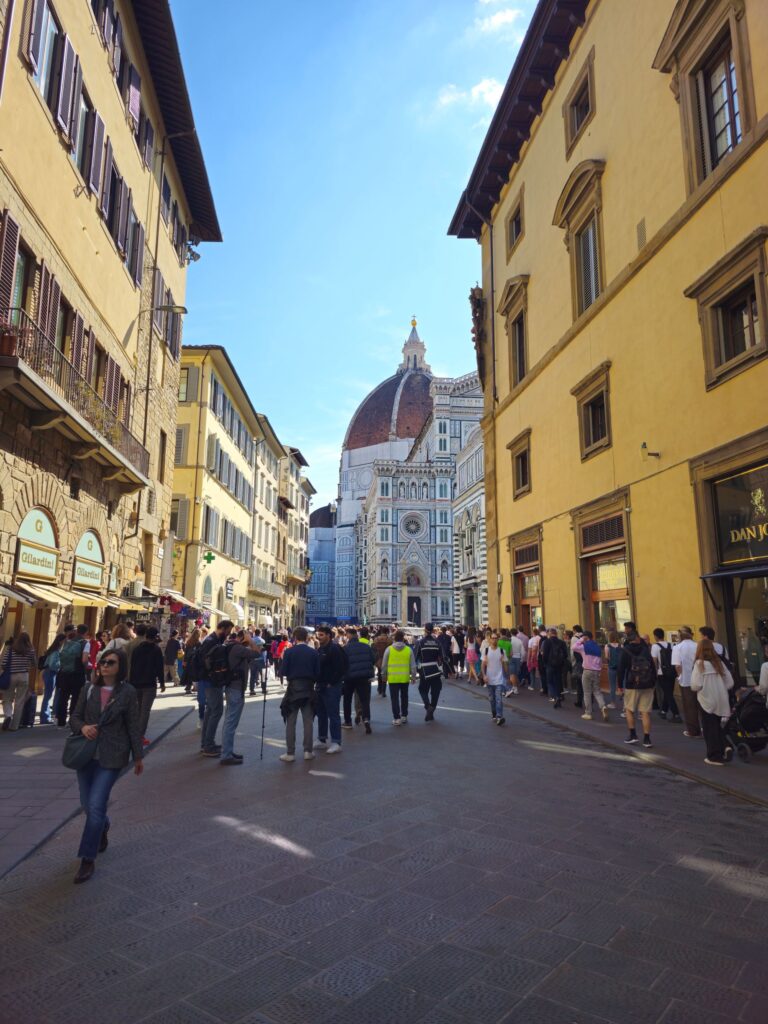
The area surrounding Cathedral of Santa Maria del Fiore, known as Piazza del Duomo, is one of Florence’s most dynamic urban spaces. Musicians, artists, and street performers add a lively atmosphere, while the surrounding cafés offer excellent views of Cathedral of Santa Maria del Fiore’s façade. Tourists and locals alike gather to admire the structure’s splendor and to take photos that capture the magnificence of this cultural icon.
Guided tours are readily available and highly recommended for those who wish to gain a deeper understanding of the Duomo’s history and art. Audio guides and interactive museum exhibits further enhance the educational experience. The square also connects to nearby attractions such as the Museo dell’Opera del Duomo and the Baptistery of San Giovanni, making it an essential cultural hub.
Additionally, the area around the Duomo is dotted with gift shops selling souvenirs that reflect the spirit of Florence. Visitors will find everything from magnets, snow globes, and mugs to artisanal crafts and replicas of the dome itself—perfect mementos of their time in the city.
Admission Options and Ticket Types
Access to the interior of the main cathedral remains free, allowing everyone to appreciate its spiritual ambiance. However, to explore the dome, bell tower, baptistery, and Santa Reparata archaeological site, visitors must choose from the following ticket packages:
- Brunelleschi Pass (€30): Full access to the dome, bell tower, baptistery, and crypt.
- Giotto Pass (€20): Includes the bell tower, baptistery, and crypt (dome excluded).
- Ghiberti Pass (€15): Covers only the baptistery and crypt.
All passes are valid for 72 hours from activation and permit a one-time entry to each site. Online booking is highly advisable due to limited daily capacity.
Practical Information
- Location: Piazza del Duomo, 50122 Florence FI, Italy
- Opening Hours: Vary by attraction. Cathedral open 10:15 AM – 4:45 PM. Dome, bell tower, and baptistery follow different schedules.
- Admission Fees: Cathedral free; Combination passes available for €15–30 depending on access.
- Climb Details: Dome – 463 steps; Bell Tower – 414 steps. No elevator. Bring water and wear suitable attire.
- Website: https://duomo.firenze.it/
Karlskirche in Vienna: A Baroque Masterpiece and Spiritual Landmark