
A Cultural Gem in the Heart of Málaga
Located in the southern coastal city of Málaga, Spain, the Museo de Málaga is a must-visit destination for anyone interested in Spanish history and art. Known for its year-round sunshine, delicious food, and rich cultural heritage, Málaga is also the birthplace of legendary artist Pablo Picasso. This museum offers visitors a unique opportunity to explore both classical and contemporary art, as well as archaeological treasures that trace the city’s long and layered history.

Housed in a Historic Customs Palace
The Museo de Málaga is located in the Palacio de la Aduana, originally constructed in 1788 under the order of King Charles III of Spain as a royal customs house. The name literally means “Palace of Customs,” reflecting Málaga’s important role in trade during the Age of Exploration. Over the years, the building served as a government office and even a tobacco factory, before being restored and reopened as a museum in the 2000s. It now brings together two earlier institutions: the Fine Arts Museum (established in 1913) and the Archaeological Museum (established in 1947).

Museo de Málaga Details and Visitor Info
- Address: Plaza de la Aduana, Distrito Centro, 29015 Málaga, Spain
- Opening Hours: 09:00 – 21:00 (Closed on Mondays)
- Admission Fee: Free for EU citizens; €1.50 for non-EU visitors
- Facilities: Free lockers available, photo-friendly (without flash), and free audio guides
Museo de Málaga’s clean, modern interior contrasts beautifully with the classical exterior. Visitors begin their tour through a grand hallway on the first floor and are guided through a well-organized layout covering art, archaeology, and rotating special exhibitions.

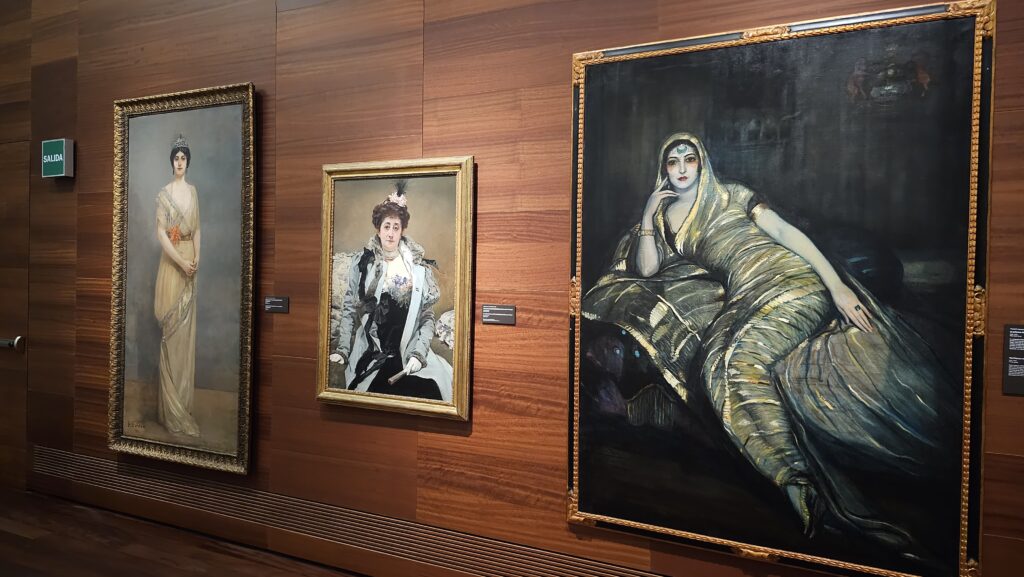
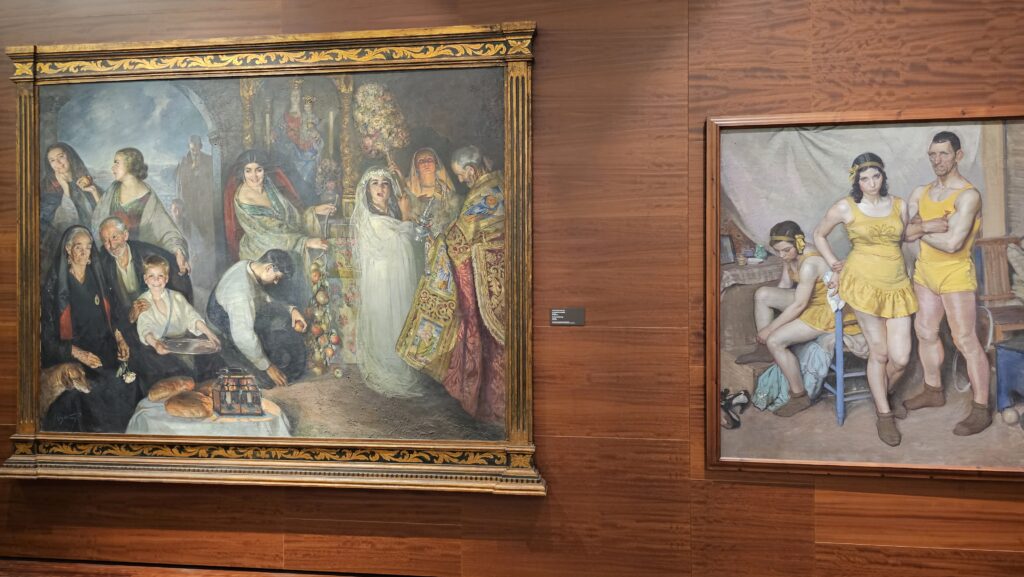


A Stunning Collection of Spanish and Andalusian Art
The fine arts section showcases paintings and sculptures from the 15th to the 20th century. Works by iconic Spanish artists such as Francisco de Goya, Antonio María Esquivel, and Joaquín Sorolla are prominently featured. Many pieces reflect the distinctive cultural character of Andalusia. Although Spanish art tends to have more subdued tones than the vivid colors of artists like Matisse or Monet, the collection offers a fascinating and authentic experience.


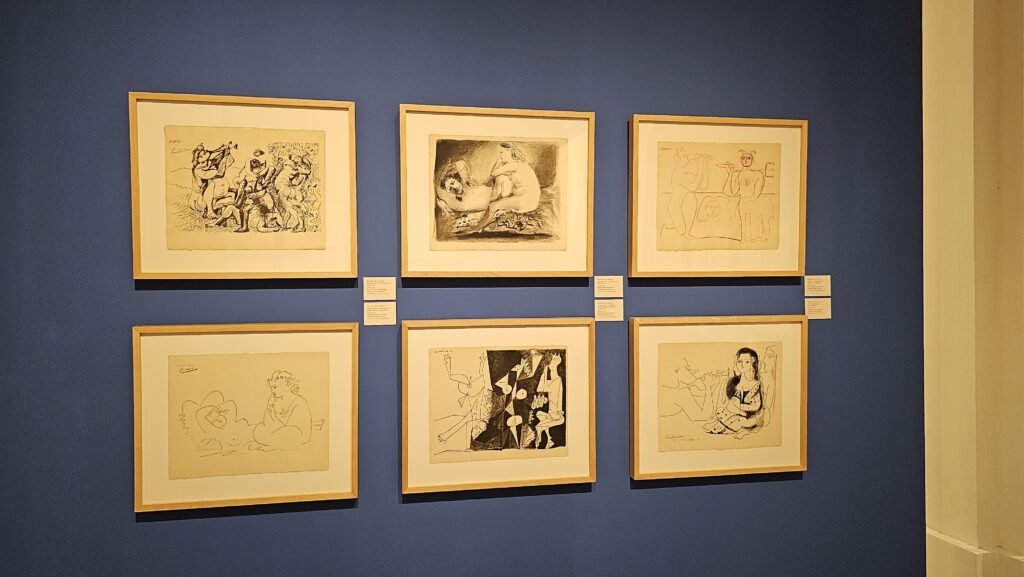
A Special Picasso Exhibition in His Hometown
During my visit, I was lucky to see a special Picasso exhibition. Viewing his early sketches and experimental works in the city where he was born made the experience even more meaningful. From Paris to Vienna, Rome to Madrid, I had seen traces of Picasso’s legacy across Europe, but nothing compares to seeing his work in Málaga. It gave me a deeper appreciation of his genius beyond the bold, unconventional images he’s often associated with.

Ancient Civilizations and Archaeological Wonders
Museo de Málaga’s archaeological collection includes artifacts from the Phoenician, Roman, Islamic, and Christian periods, as well as prehistoric items. These exhibits help tell the story of Málaga’s evolution as a cultural crossroads of the Mediterranean. As you explore, you’ll find ancient pottery, sculptures, tools, and more—each piece offering a glimpse into the past civilizations that shaped this vibrant city.

A Hidden Courtyard and Final Impressions
One of the most pleasant surprises was the large central courtyard nestled within the building. It provides a peaceful resting spot during your visit, offering fresh air and natural light. After a long day of sightseeing, including visits to Gibralfaro Castle and the Alcazaba, I found it to be the perfect place to relax and recharge.
The Museo de Málaga, located in the historic Palacio de la Aduana, is one of the most important cultural institutions in southern Spain. As the largest museum in Andalusia, it brings together an impressive collection of fine arts and archaeology that reflects the rich and diverse history of Málaga and the surrounding region.
Museo de Málaga’s fine arts section showcases over 2,000 works, including pieces by famous Spanish masters such as Goya, Zurbarán, and Murillo. It also features the Málaga School of Painting, with works by local artists like Moreno Carbonero and Enrique Simonet. For those interested in modern art, there are pieces by Picasso and other contemporary Spanish artists.
The archaeological collection spans over 15,000 objects and takes visitors on a journey from prehistoric times to the Islamic period. You’ll find fascinating relics from Phoenician, Roman, and Moorish civilizations, such as sculptures, ceramics, coins, mosaics, and even a Corinthian helmet. These exhibits provide deep insight into the cultural evolution of the region across centuries.
Museo de Málaga’s neoclassical building enhances the experience with its grand architecture and peaceful courtyard filled with orange trees. Inside, the spaces are bright and well-organized, offering a calm atmosphere to explore the artworks and artifacts. There’s also a rooftop terrace where visitors can enjoy panoramic views of Málaga, including the nearby Alcazaba and Gibralfaro Castle.
Whether you’re passionate about history, art, or architecture, the Museo de Málaga offers something for everyone. It’s a must-visit for anyone looking to understand the soul of Málaga through its artistic and historical legacy.
Centre Pompidou Málaga: Discover Modern Art in the Heart of Andalusia
Alcazaba of Malaga, A Breathtaking Blend of History and Scenic Views
“Museo de Málaga, Exploring Art and History in Picasso’s Hometown”에 대한 1개의 생각