
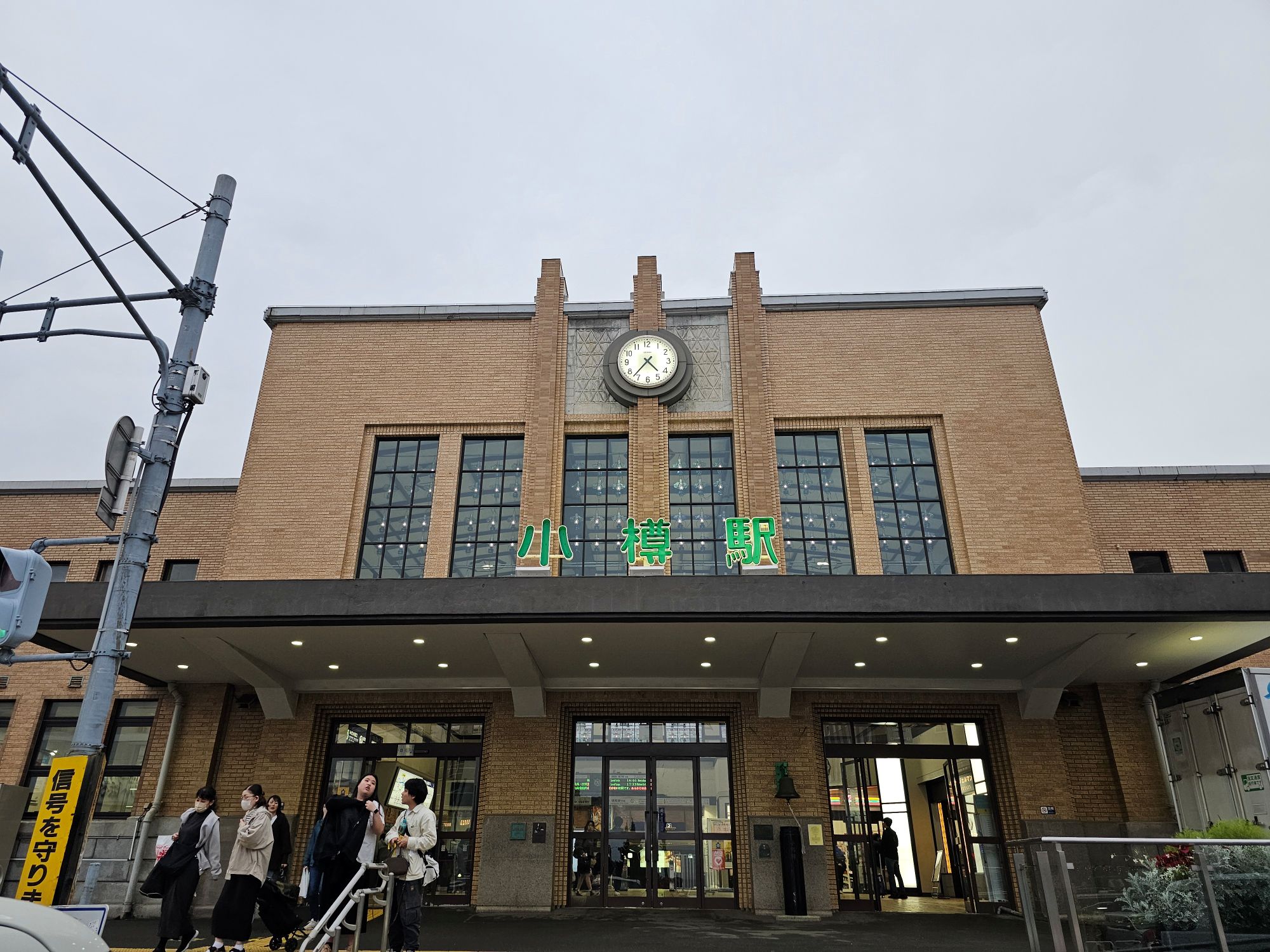
Otaru Station is more than just a transportation hub—it is the emotional starting point of any journey to Otaru. The moment you step off the train here, the atmosphere immediately feels different from larger cities like Sapporo. The pace slows, the air feels crisper, and the town’s nostalgic charm quietly reveals itself. For many travelers, Otaru Station is where the first impression of this historic port city is formed, and it does so with understated elegance rather than grandeur.
Located at the heart of the city, Otaru Station connects visitors directly to Otaru’s most beloved attractions while also serving as a reminder of the city’s prosperous past. It is a place where modern railway functions coexist naturally with architectural simplicity and a sense of time gently passing.
Historical Background and the Role of Otaru Station
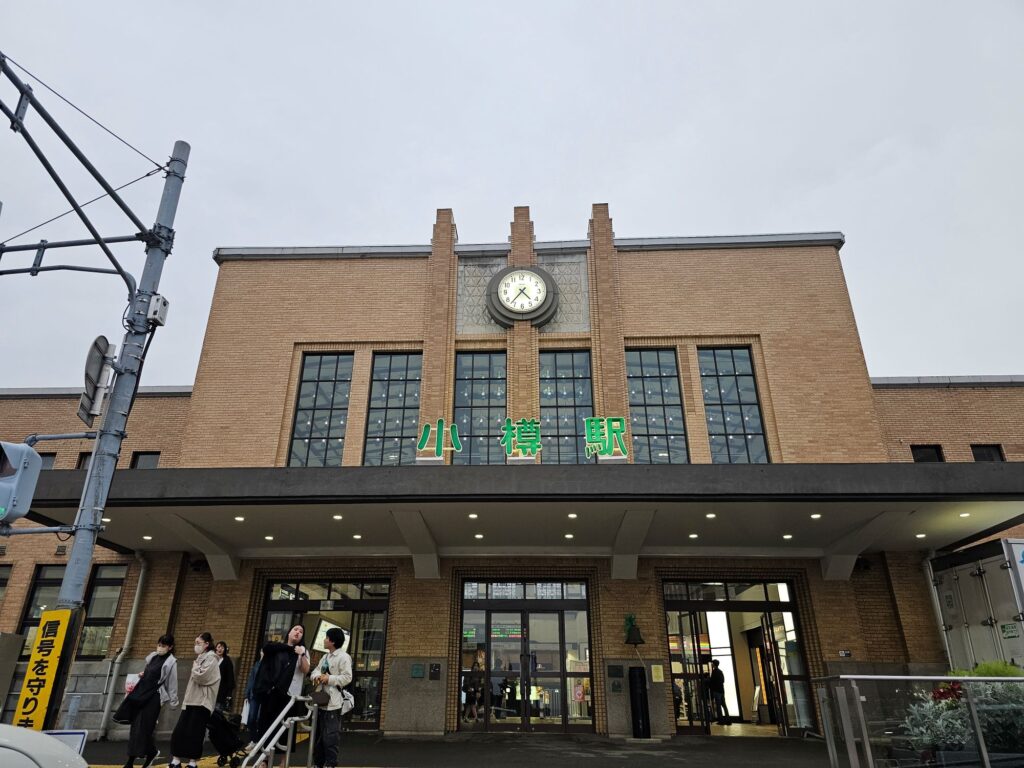
Otaru developed rapidly in the late 19th and early 20th centuries as one of Hokkaido’s most important ports. During this period, the railway played a critical role in transporting goods, people, and culture between Otaru and Sapporo. Otaru Station emerged as a key node in this network, supporting the city’s rise as a commercial and financial center.
Although the current station building reflects later reconstruction and modernization, the role of Otaru Station as the city’s gateway has remained unchanged. It continues to symbolize connection—between past and present, between urban Hokkaido and the Sea of Japan, and between travelers and the quiet charm of Otaru.
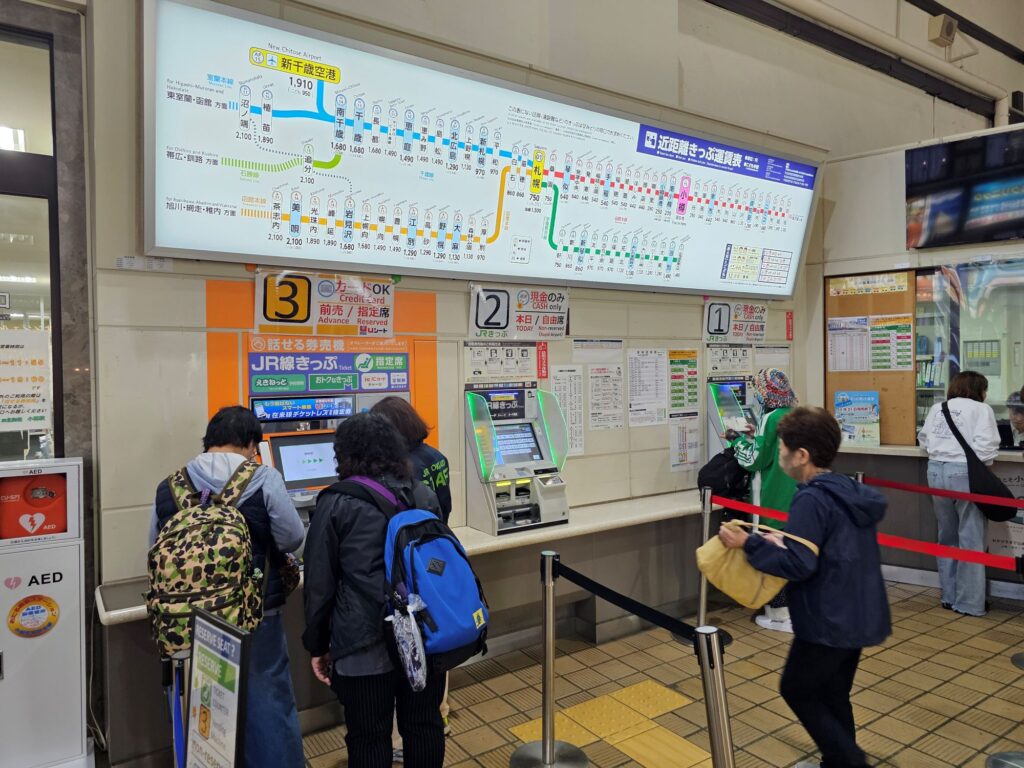
Architecture and First Impressions
Unlike the massive, complex stations found in major Japanese cities, Otaru Station feels compact and approachable. The exterior is clean and functional, yet it blends harmoniously with the surrounding urban landscape. There is no overwhelming signage or chaotic crowd movement here. Instead, the station feels calm and orderly, reflecting the character of the city itself.
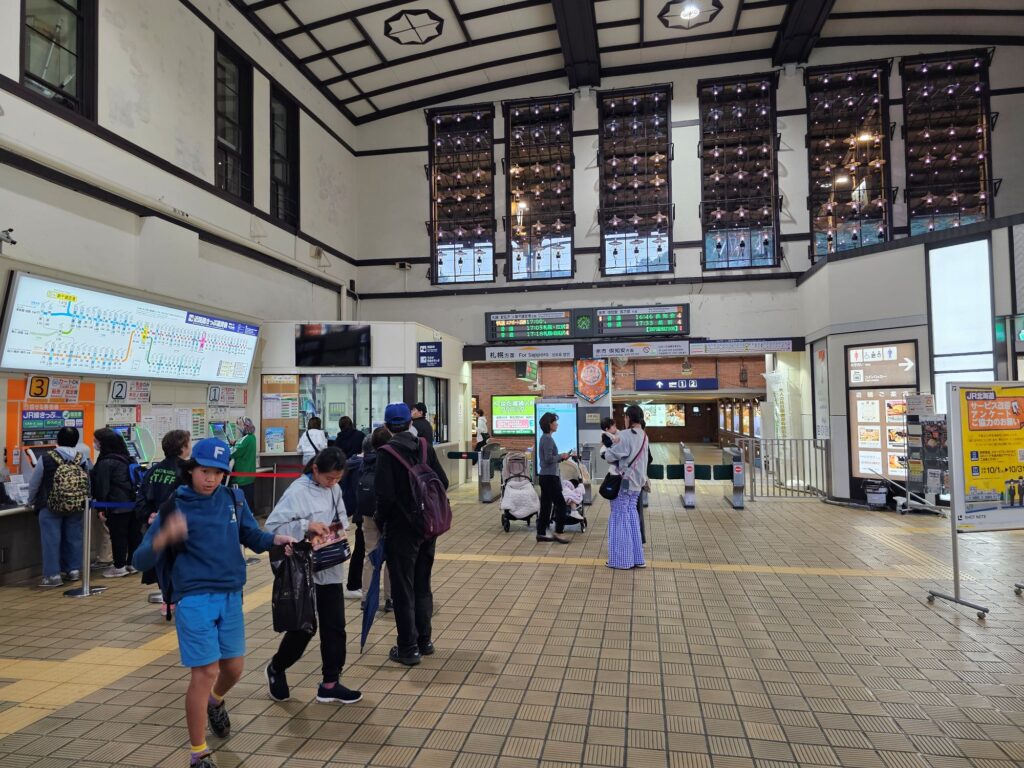
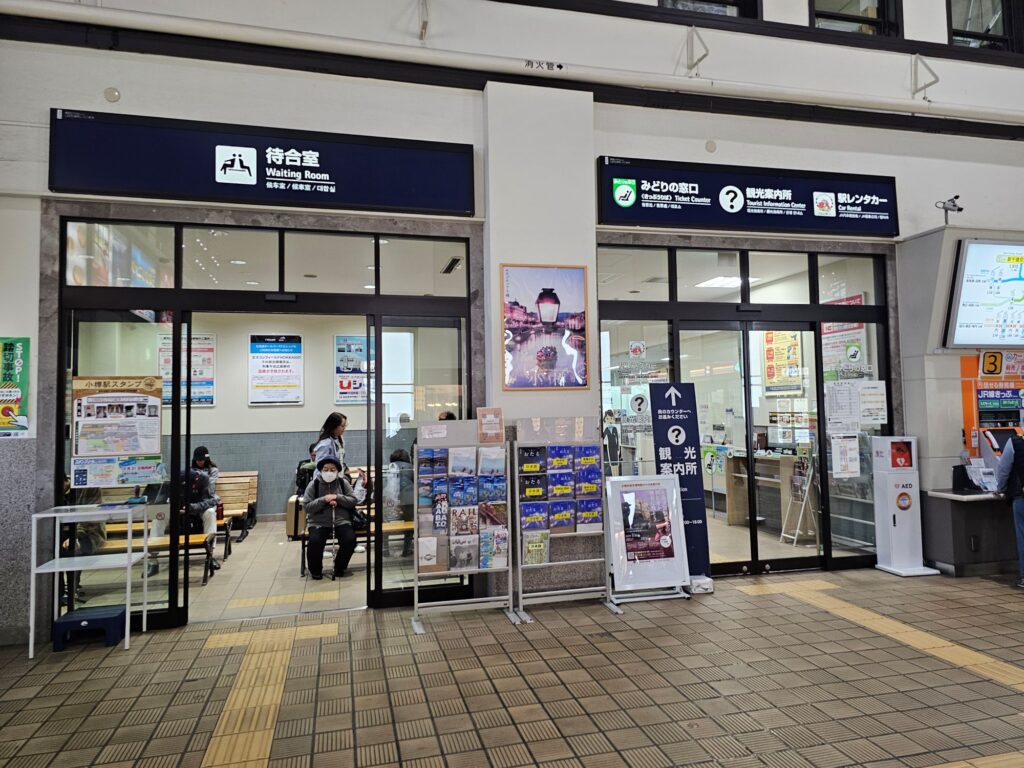
Inside, the station is straightforward and easy to navigate. Ticket machines, JR service counters, and exits are clearly marked, making it stress-free even for first-time visitors to Japan. The absence of unnecessary complexity adds to the station’s charm—it feels human-scaled and traveler-friendly.
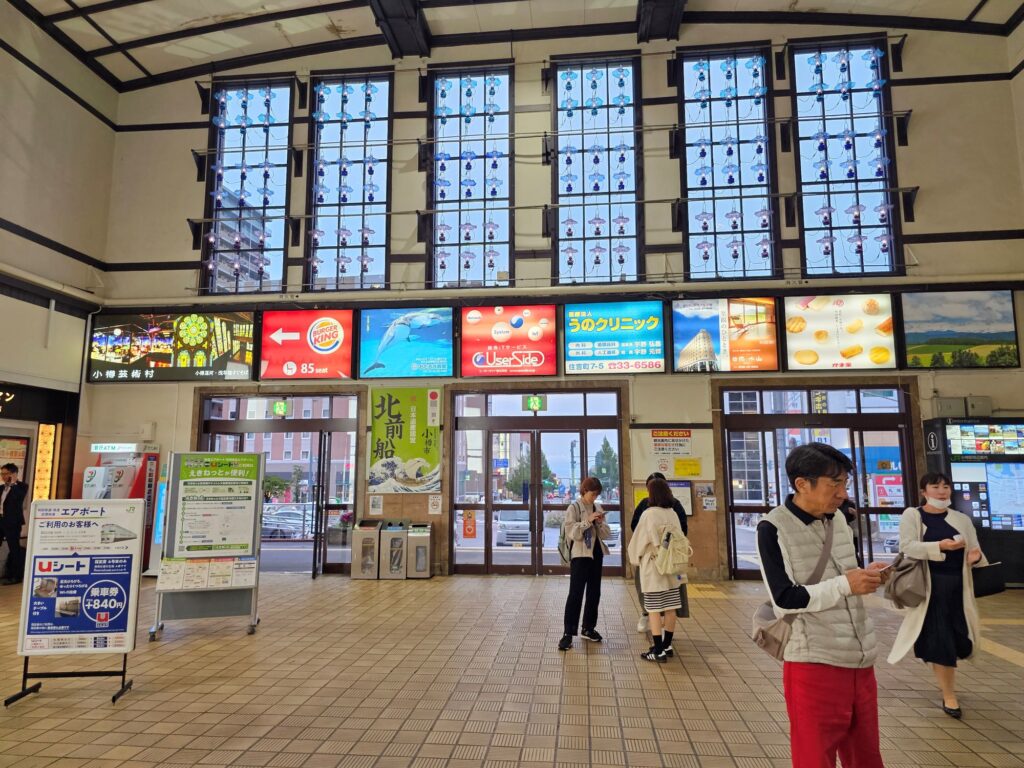
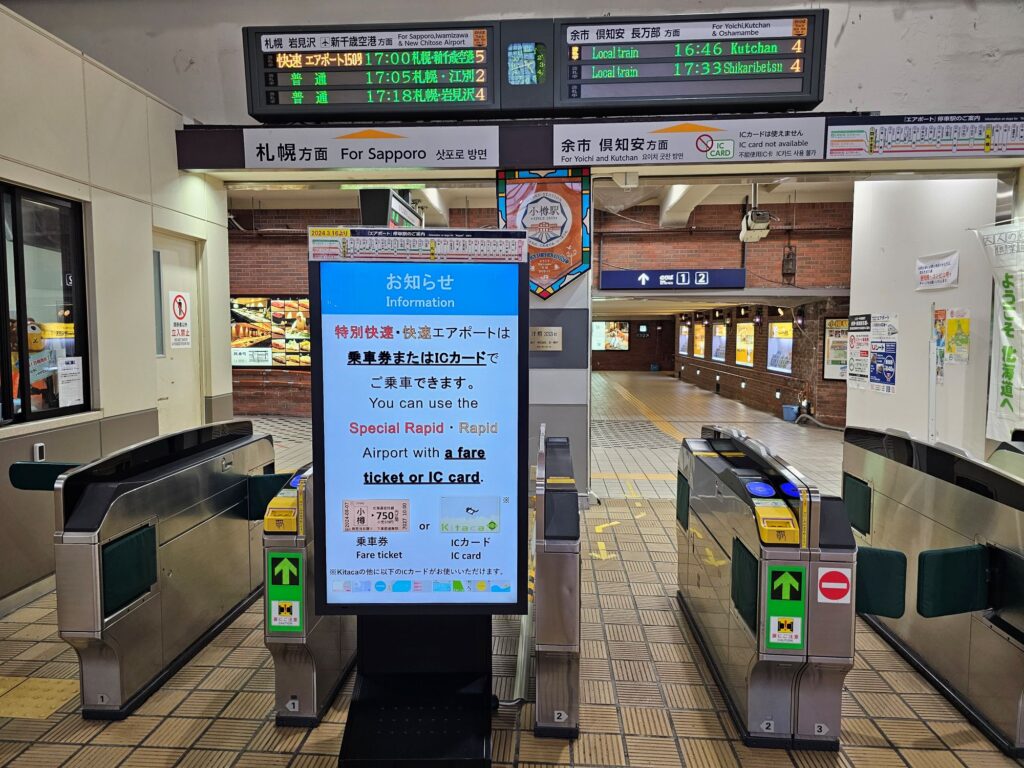
Arrival Experience: A Gentle Transition into Otaru
Arriving at Otaru Station feels like a gentle landing rather than an abrupt arrival. As you step out of the ticket gates, you’re immediately met with streets that slope gently downward toward the port. This natural geography subtly guides you through the city, drawing you toward the canal, markets, and historic districts.
In winter, the experience becomes especially memorable. Snow gathers softly around the station, platforms glisten with frost, and the air carries a quiet stillness. Trains arrive and depart smoothly, steam rising briefly into the cold air. It is in these moments that Otaru Station feels almost cinematic—a perfect introduction to the city’s winter atmosphere.


Practical Convenience and Connectivity
Otaru Station serves JR Hakodate Main Line, making it easily accessible from Sapporo. The journey from Sapporo Station typically takes around 30 to 45 minutes, depending on the train type, and the route itself offers scenic coastal views as the train approaches Otaru.
From Otaru Station, most major attractions are within walking distance. The famous Otaru Canal, Sakaimachi Street, and Otaru Music Box Museum can all be reached on foot, making the station an ideal starting point for exploration. For travelers carrying luggage, coin lockers inside the station provide a convenient solution, allowing you to explore the city hands-free.


The Station as a Daily Space for Locals
While tourists pass through Otaru Station with cameras and guidebooks, the station remains firmly rooted in daily local life. Commuters, students, and elderly residents use the station regularly, giving it a lived-in authenticity. This blend of travelers and locals creates an atmosphere that feels genuine rather than staged.
Watching locals move through the station—calmly, purposefully, without rush—adds to the sense that Otaru operates at its own rhythm. It’s a reminder that beyond its role as a tourist destination, Otaru is a real, functioning city with deep roots and everyday routines.

Seasonal Changes and Atmosphere
Otaru Station changes character with the seasons. In spring, the air feels fresh and expectant as travelers arrive to enjoy mild weather and coastal walks. Summer brings brighter light and a relaxed vacation mood. Autumn introduces cooler air and a sense of transition, while winter transforms the station into a quiet, snow-dusted threshold to one of Hokkaido’s most picturesque cities.
Each season offers a different emotional entry point into Otaru, but all of them share a sense of calm and nostalgia that begins right at the station.
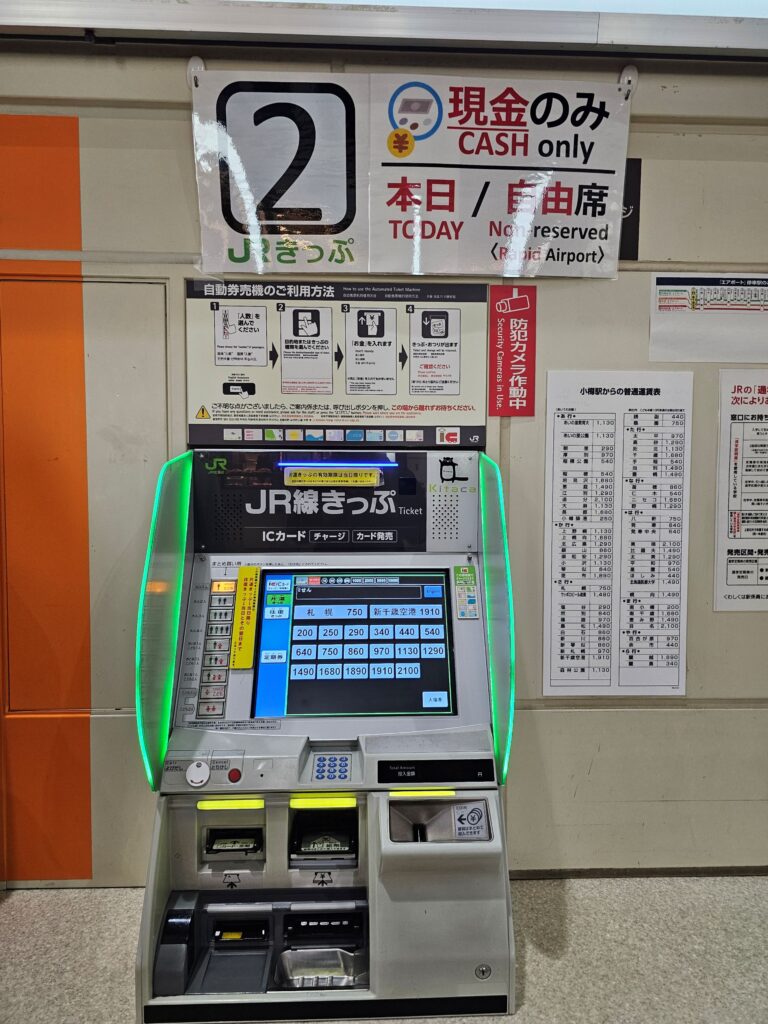
Why Otaru Station Leaves a Lasting Impression
Otaru Station may not be architecturally extravagant or filled with shops and restaurants, but that is precisely why it stands out. It doesn’t compete for attention—it simply welcomes you. It sets the tone for your visit, gently preparing you for a city where history lingers in the streets, where walking is more important than rushing, and where atmosphere matters more than spectacle.
For many travelers, the memory of Otaru Station becomes inseparable from their overall impression of the city. It is the first step into Otaru and, often, the last quiet moment before departure—a place that bookends the journey with understated grace.

Practical Information
Name: Otaru Station
Location: Otaru, Hokkaido, Japan
Rail Line: JR Hakodate Main Line
Access: Approx. 30–45 minutes from Sapporo Station
Facilities: Ticket counters, vending machines, coin lockers, restrooms
Best Time to Visit: Any season; winter offers the most atmospheric experience
Hokkaido Otaru Sankaku Market 小樽三角市場
LeTAO Main Store in Otaru: The Sweetest Landmark of Hokkaido