
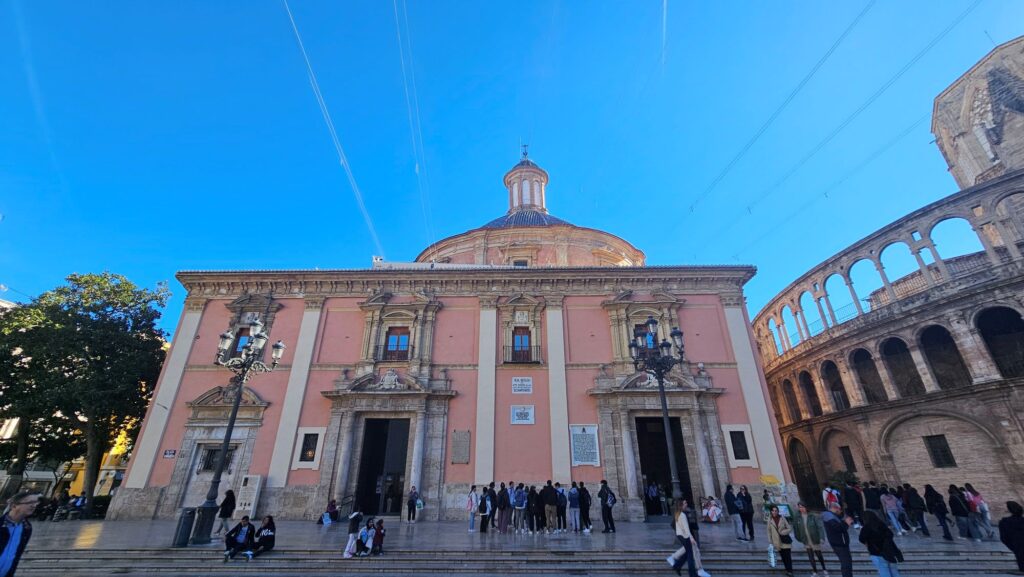
In the heart of Valencia’s old town, surrounded by lively cafés and the soft echo of bells, stands one of the city’s most sacred and beloved buildings — the Reial Basílica de la Mare de Déu dels Desemparats, or the Royal Basilica of Our Lady of the Forsaken. It is not only a masterpiece of Baroque architecture but also a living emblem of compassion and devotion that has shaped Valencian identity for centuries.
A History Rooted in Compassion
Reial Basílica de la Mare de Déu dels Desemparats’s story begins in the 15th century, when a brotherhood called La Cofradía de los Inocentes y Desamparados was established. Their mission was revolutionary for its time — to care for orphans, the poor, and those society had abandoned. To symbolize their work, they dedicated their service to the Virgin Mary under the name Mare de Déu dels Desemparats, meaning “Our Lady of the Forsaken.”
As devotion spread, miracles were attributed to the Virgin, and she soon became the protector of Valencia. In the 17th century, the city decided to build a basilica worthy of her name. Construction began in 1652 and was completed in 1667, under the direction of architect Diego Martínez Ponce de Urrana, marking a period when faith and architecture intertwined to define the city’s spiritual heart.
Architectural Elegance and Symbolism
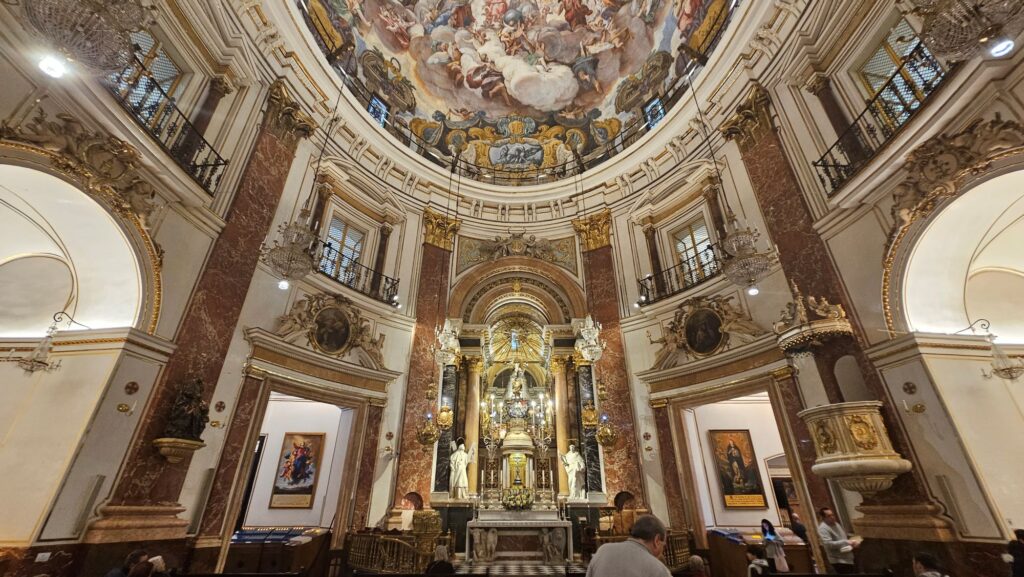
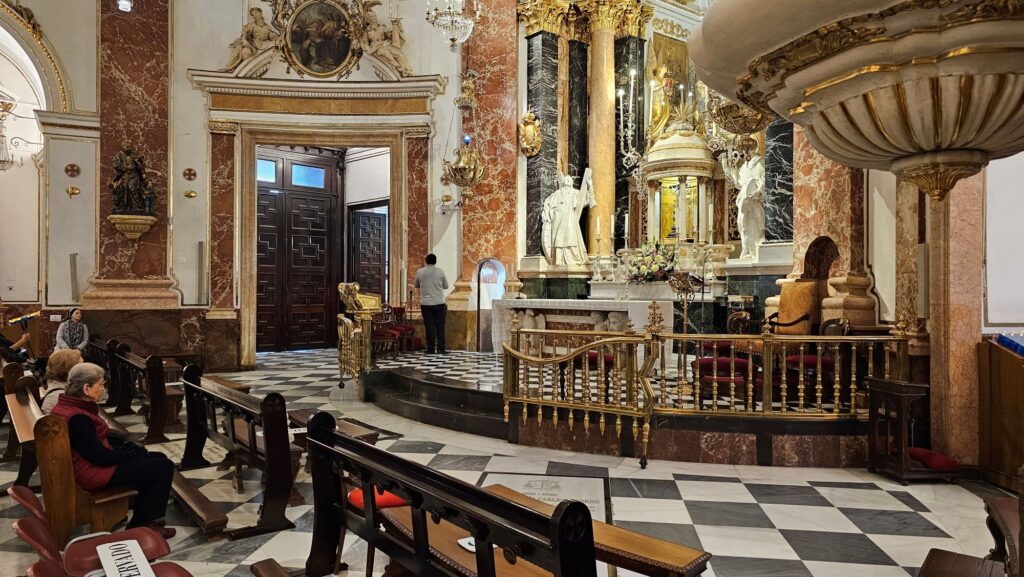
Reial Basílica de la Mare de Déu dels Desemparats is one of Valencia’s finest examples of Baroque art and architecture, characterized by warm colors, intricate details, and light that dances across its frescoes and marble columns. What makes it truly unique is its oval-shaped floor plan, an unusual design intended to symbolize a continuous embrace — a reflection of the Virgin’s compassion toward all people.
Outside, the basilica’s blue-tiled dome stands out against the skyline, glimmering in the Mediterranean sun. Its placement is not accidental: the building sits slightly askew to face the Valencia Cathedral, a symbolic gesture that connects the two holiest spaces in the city.
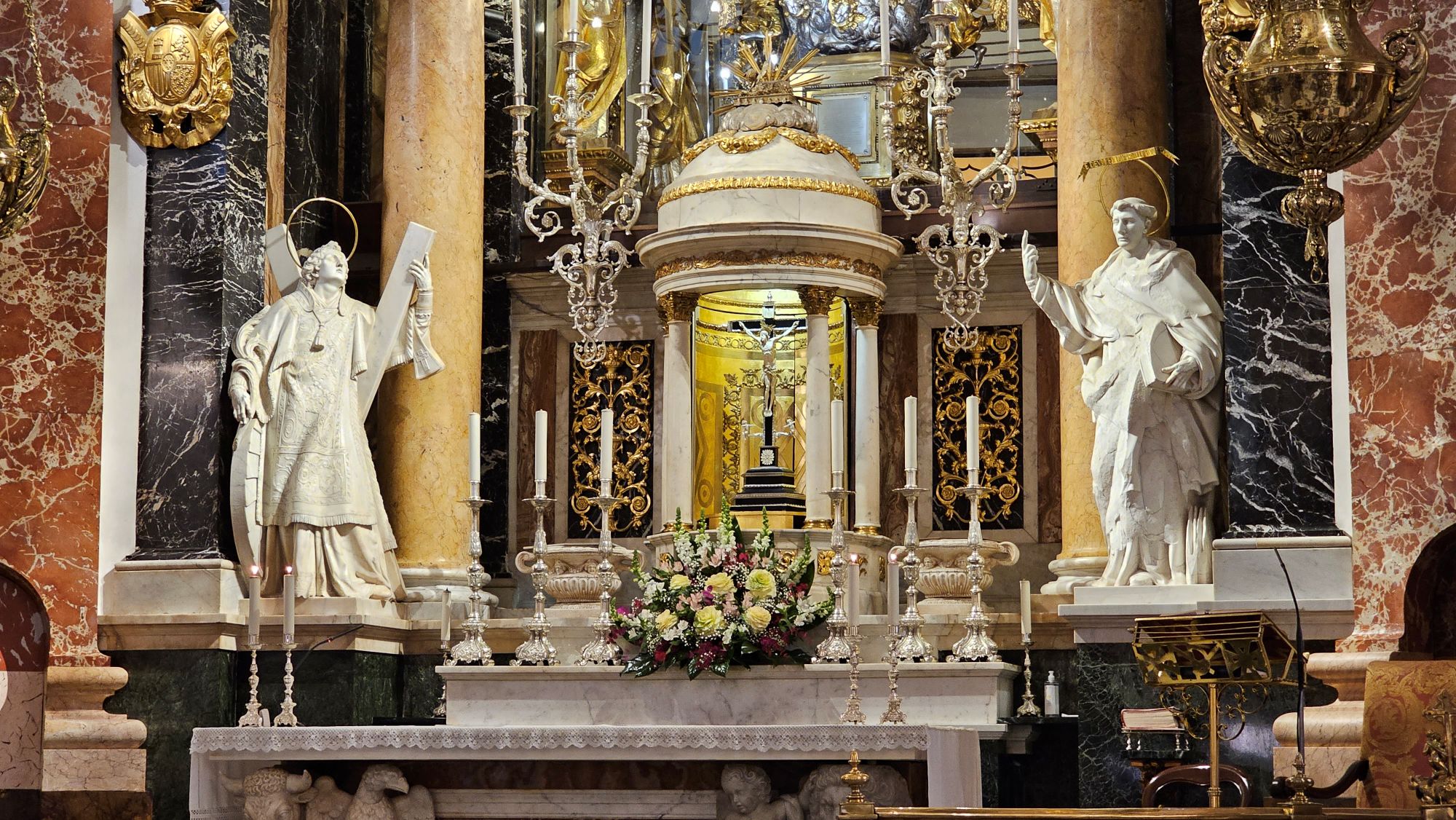
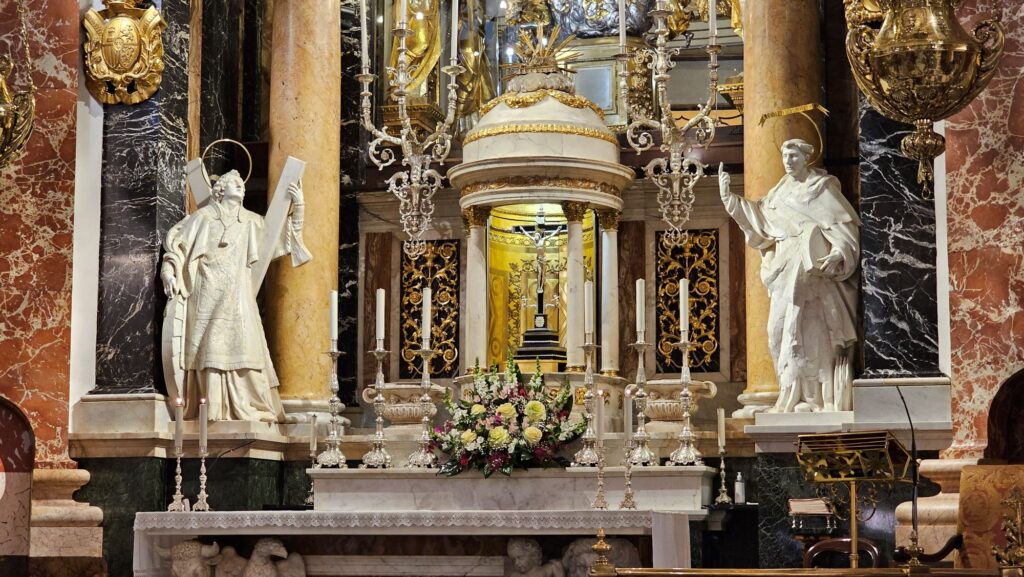
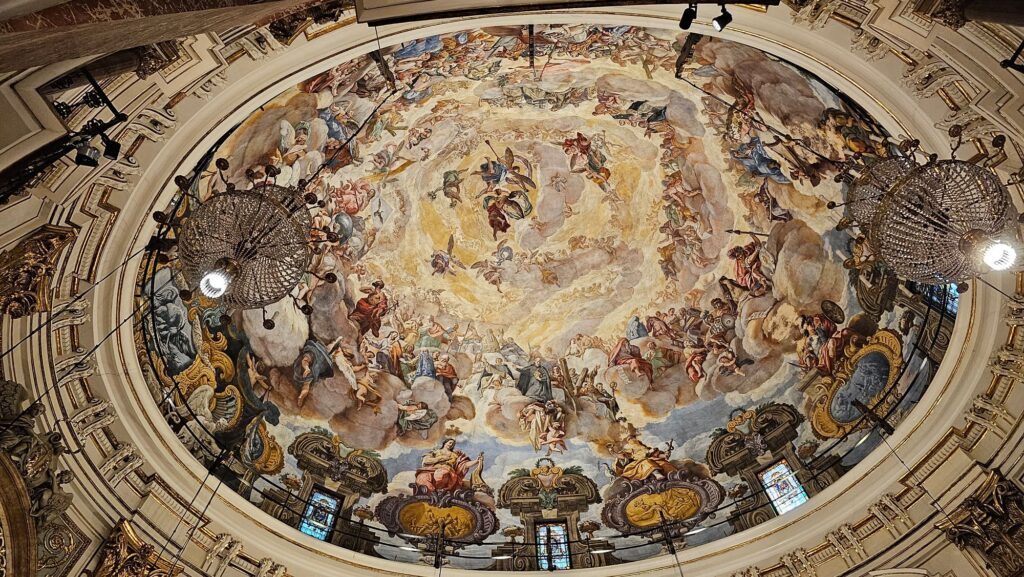
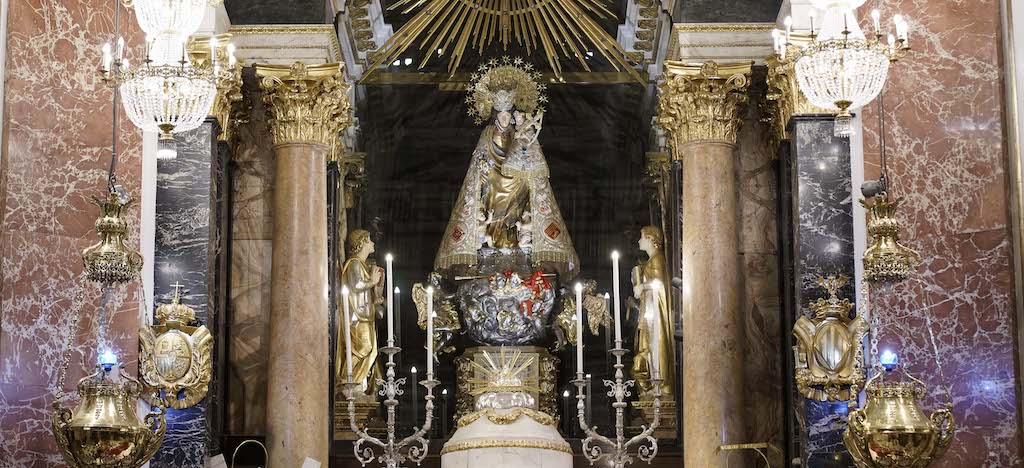
Inside, soft light pours through arched windows, illuminating gilded decorations and delicate frescoes. The ceiling is adorned with paintings by Antonio Palomino, depicting angels and scenes of the Virgin’s miracles. The grand altar holds the cherished statue of the Virgin of the Forsaken, a beautifully carved figure of Mary holding the Christ child. Her head tilts slightly forward as though she is gazing down with kindness — a detail that has earned her the affectionate nickname La Geperudeta, “the little hunchbacked one.”
Faith That Lives and Breathes
Unlike many historic churches that have become silent monuments, the Reial Basílica remains alive with devotion. Every day, Valencians visit to pray, light candles, and leave flowers before the Virgin’s statue. The air is filled with the fragrance of incense and the soft hum of whispered prayers.
The most moving moment of the year comes in May, during the Festival of Our Lady of the Forsaken, one of Valencia’s largest celebrations. Thousands gather in the Plaza de la Virgen, surrounding the basilica with flowers and music. The statue of the Virgin is carried through the streets in a solemn yet emotional procession known as the Traslado, where people reach out their hands to touch her robe or simply watch in tears as she passes by.
This event is more than a religious ceremony — it’s a reflection of how deeply the Virgin is woven into the fabric of Valencian life. To the people here, she is not distant or abstract; she is a mother figure, a protector, and a part of daily existence.
A Masterpiece of Art and Atmosphere
Every corner of the basilica tells a story. The frescoes on the dome create a sense of endless movement, angels appearing to hover between heaven and earth. The side chapels display intricate carvings and devotional art from the 17th and 18th centuries, offering moments of quiet contemplation.
Below the main altar lies a crypt, where members of the original brotherhood rest. Though small, this space carries immense symbolic weight — a reminder of the basilica’s original mission to serve those whom society had forgotten.
Even the basilica’s soundscape adds to its charm: footsteps echo on marble floors, candles flicker softly, and the choir’s hymns rise through the dome with gentle reverberation. It’s easy to lose track of time in this tranquil atmosphere, feeling both humbled and uplifted at once.
My Visit and Reflections
When I visited the basilica, morning sunlight filled the square outside. The sound of pigeons fluttering near the Turia Fountain mixed with the murmur of locals greeting one another in Valencian. Stepping inside, the contrast was immediate — a calm hush replaced the noise of the city.
The interior glowed with golden light. Elderly women knelt in prayer, while a few tourists stood quietly near the altar. The Virgin’s statue was surrounded by white lilies and roses, their scent mingling with candle wax. I took a seat in one of the wooden pews and simply observed — people coming and going, each carrying their own silent hopes.
When the organ began to play, its notes filled the dome like sunlight through stained glass. In that moment, I understood why this basilica is not merely a tourist attraction, but a sacred space that continues to nourish the hearts of Valencians.
Stepping back outside, the Plaça de la Mare de Déu shimmered in the late morning light. Around me stood three of Valencia’s most iconic landmarks — the Cathedral, the Turia Fountain, and the Basilica — together forming a perfect triangle of faith, history, and beauty.
Practical Information
- Name: Reial Basílica de la Mare de Déu dels Desemparats
- Address: Plaça de la Mare de Déu, s/n, 46001 Valencia, Spain
- Built: 1652–1667
- Architectural Style: Baroque with early Renaissance influences
- Highlights: Oval floor plan, frescoed dome, statue of the Virgin of the Forsaken, marble altarpiece, and crypt
- Opening Hours: Daily 7:00 AM – 2:00 PM and 4:30 PM – 9:00 PM
- Admission: Free entry (donations encouraged)
- Best Time to Visit: Early morning for quiet reflection; second Sunday in May for the Virgin’s festival
- Nearby Attractions: Valencia Cathedral, Plaza de la Virgen, and the Turia Fountain
Horchatería de Santa Catalina, Valencia: A Sweet Tradition in the Heart of the City