
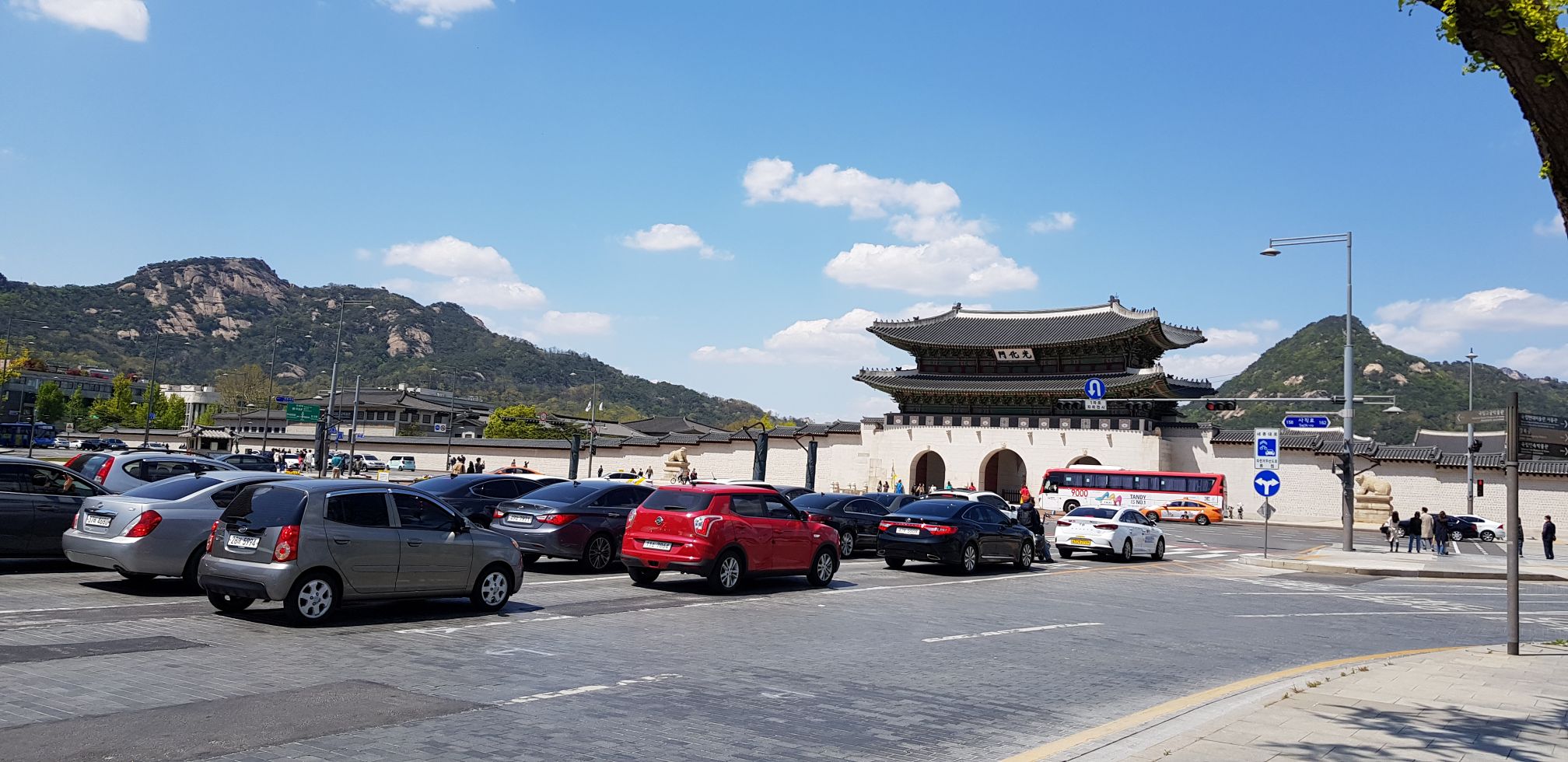
Seoul is one of those cities that arrives faster than you expect. You land at Incheon, take the Airport Express into the city, and within an hour you’re standing in a neighborhood where a 600-year-old palace sits three blocks from a convenience store selling the best fried chicken you’ve ever had, with a K-pop song playing from somewhere you can’t quite locate. The city moves quickly, eats constantly, and stays up later than almost anywhere in Asia.
I live here. That gives me a particular angle on Seoul that most travel guides don’t have — not just the famous spots, but how the city actually works, where locals actually eat, and which parts of the tourist circuit are worth your time versus which ones you can safely skip. This 4-day itinerary covers the essential Seoul for a first visit, built around neighborhoods rather than isolated sights, because Seoul makes the most sense when you understand how its parts connect.
Before You Go: Quick Essentials
Getting around Seoul Seoul’s Metro is one of the finest urban rail systems in the world — 9 lines covering the entire city, clean, punctual, cheap, and comprehensively signposted in Korean and English. For a first-time visitor, it handles virtually every journey you’ll need to make without difficulty.
Get a T-money card at the airport or any convenience store — a rechargeable transit card that works on the metro, buses, and taxis, and gives a small discount over single tickets. Top it up at any convenience store or metro station machine. Keep a balance of at least ₩10,000–20,000 at all times.
Buses complement the metro for routes between stations and are cheap and reliable once you understand the numbering system (blue buses cover long distances; green buses cover local neighborhoods). Google Maps handles Seoul transit routing well — input your destination and follow the instructions including bus numbers and stop names.
Taxis in Seoul are metered, cheap by international standards, and widely available. Kakao T (Korea’s equivalent of Grab/Uber) is the most reliable app for hailing taxis — download before arrival, set up with an international card, and use it for any journey where the metro feels inconvenient. Most taxi drivers speak limited English, but showing a destination address in Korean on your phone works consistently.
Getting from Incheon Airport The Airport Railroad Express (AREX) runs directly from Incheon Airport to Seoul Station in 43 minutes (express) or about 66 minutes (all-stop). From Seoul Station, the metro connects to the rest of the city. The express requires a separate ticket; the all-stop train uses the T-money card and is cheaper — adequate for most visitors who aren’t in a rush.
Weather Seoul has four distinct seasons. Spring (April–May) and autumn (September–November) are the most comfortable — 15–22°C, good light, and the city at its most beautiful with cherry blossoms or autumn foliage. Summer (June–August) is hot and humid, with a rainy season (jangma) typically in July. Winter (December–February) is cold and dry — temperatures regularly below freezing, occasional snow. Each season has its own character; spring and autumn are the most visited and most rewarding for first-timers.
Practical tips
- Korea operates heavily on mobile payments and cards — cash is needed less frequently than in many Asian cities, but carry some won for traditional markets and smaller restaurants
- Download Naver Maps alongside Google Maps — it handles Korean transit and walking directions more accurately in some areas
- Convenience stores (CU, GS25, 7-Eleven) are everywhere and genuinely useful — good food, ATMs that accept foreign cards, and open 24 hours
- English signage is comprehensive in tourist areas; less so in residential neighborhoods — having a translation app helps
- Tipping is not practiced in Korea — leaving money on the table causes confusion
Where to Stay in Seoul
Myeongdong The most convenient base for first-timers — central location, walking distance from Gyeongbokgung, Insadong, and Namsan Tower, with the best concentration of budget-to-mid-range hotels in the city. Busy and tourist-facing but unbeatable for access.
Hongdae (Hongik University area) Best for younger visitors and those interested in Seoul’s creative and nightlife scene. Well-connected by metro, surrounded by independent cafés, restaurants, and bars. Good value accommodation options.
Gangnam Seoul’s upscale district — further from the historic center but well-connected by metro. Best for visitors who want a more polished, modern Seoul experience. Higher average hotel prices.
Insadong/Jongno The most atmospheric base — close to the palaces, traditional markets, and Bukchon Hanok Village. Quieter in the evenings than Myeongdong or Hongdae. Good choice for visitors prioritizing Korean culture and history.
Day 1 — Historic Seoul: Gyeongbokgung, Insadong, and Bukchon
Give your first day to the historic heart of Seoul — the layer of the city that predates the modern metropolis and gives context to everything else.
Gyeongbokgung Palace
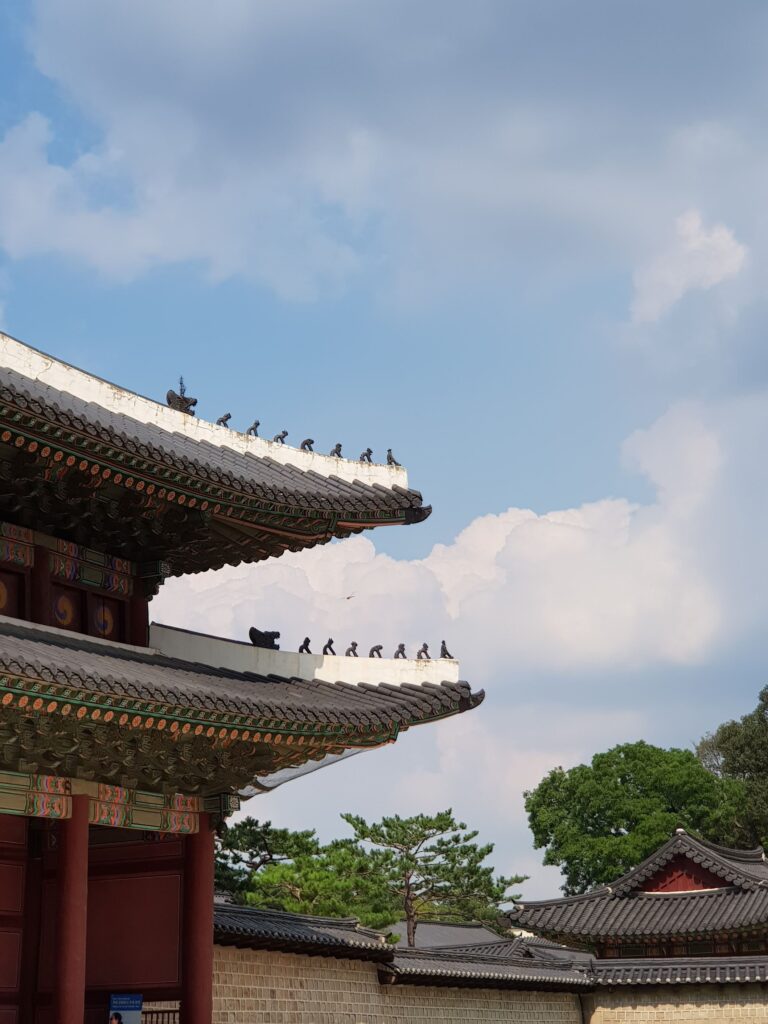
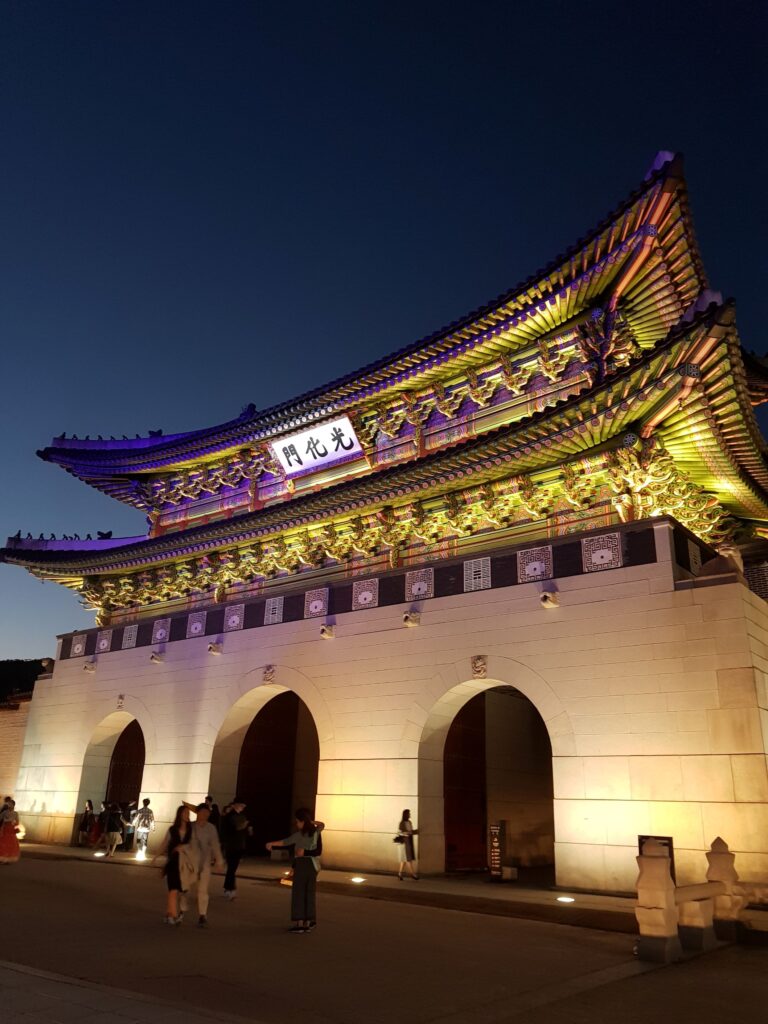
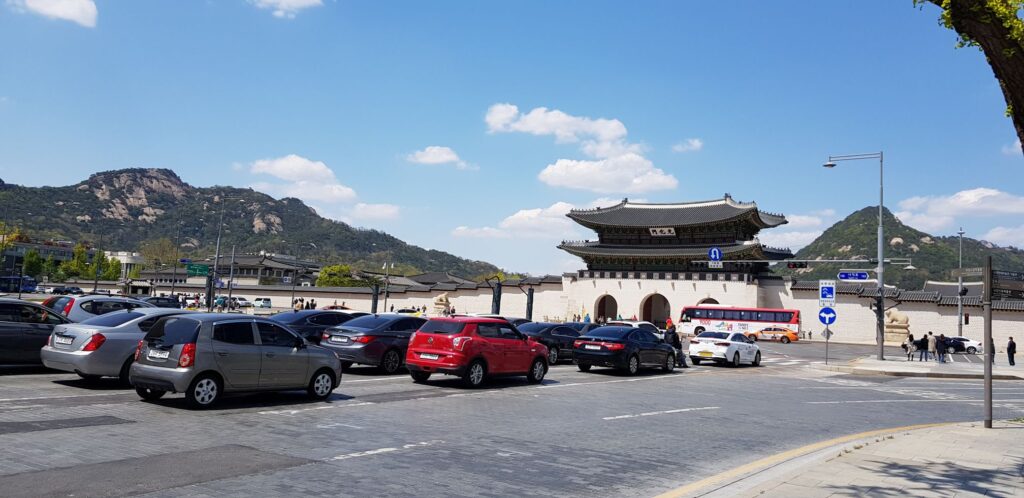
Start at Gyeongbokgung Palace (경복궁) — the largest and most impressive of Seoul’s Five Grand Palaces, built in 1395 as the primary palace of the Joseon Dynasty and extensively restored after destruction during the Japanese colonial period. The main gate Gwanghwamun faces south toward the mountains, and the approach through the gate into the main courtyard gives the first clear sense of the scale of the complex.
The Geunjeongjeon (throne hall) at the center of the palace complex is the most impressive single building — a double-roofed ceremonial hall where kings held court, surrounded by stone officials arranged in rows in the courtyard according to rank. The Gyeonghoeru Pavilion on the western side of the complex — a two-story wooden pavilion on a stone island in an artificial lake — is the most photographed image of the palace and genuinely beautiful in morning light.
The National Folk Museum of Korea within the palace grounds is free with palace admission and covers Korean traditional life from the Three Kingdoms period through the Joseon era — well-curated and worth an hour.
Hanbok rental: Wearing traditional Korean hanbok for a palace visit has become one of Seoul’s most popular tourist experiences — and wearing hanbok grants free admission to all five royal palaces. Rental shops cluster around the Gyeongbokgung and Changdeokgung areas, offering 1–2 hour rentals at ₩15,000–30,000. It’s genuinely enjoyable and produces excellent photographs, particularly in the palace courtyards.
Changing of the Guard: The ceremonial changing of the royal guard at Gwanghwamun Gate happens multiple times daily — a colorful, well-staged performance in traditional military costume worth timing your arrival around.
Bukchon Hanok Village
A 15-minute walk from Gyeongbokgung, Bukchon Hanok Village (북촌한옥마을) is a hillside neighborhood of traditional Korean hanok houses — curved tile roofs, wooden beams, and walled courtyards — preserved between the palaces of Gyeongbokgung and Changdeokgung. The narrow lanes running between the houses, with the city visible below and the mountains above, give the clearest sense available in Seoul of what the pre-modern city looked like.
The area is a living residential neighborhood — many hanok are still inhabited — so respectful, quiet visiting is important. The main photo spot on Gahoe-ro (the lane with the descending view of tiled rooftops) gets crowded by late morning; arriving before 9am gives a significantly better experience.
Insadong
Walk down from Bukchon to Insadong (인사동) — Seoul’s traditional arts and crafts district, a pedestrianized main street lined with galleries, antique shops, tea houses, and vendors selling traditional Korean snacks and crafts. It’s tourist-facing but in a more authentic way than Myeongdong — the galleries are real, the crafts are often genuinely handmade, and the side streets off the main road have quieter teahouses and small restaurants worth exploring.
Ssamziegil — a multi-level open courtyard mall within Insadong — hosts independent Korean designers, craft stalls, and food vendors in an architecturally interesting setting. Worth 30 minutes of browsing.
Traditional snacks to try in Insadong:
- Hotteok (호떡) — sweet pancakes filled with brown sugar, honey, and cinnamon, cooked on a griddle. Best eaten hot from the stall.
- Dalgona (달고나) — sugar candy made by melting sugar and baking soda, pressed into shapes. Familiar to international audiences from Squid Game.
🗓 Local tip for Day 1: Gyeongbokgung is busiest on weekends. A weekday morning visit — arriving at opening (9am) — gives you the palace with dramatically fewer crowds and better light for photography.
Day 2 — Namsan, Myeongdong, and Gwangjang Market
Namsan Tower (N Seoul Tower)
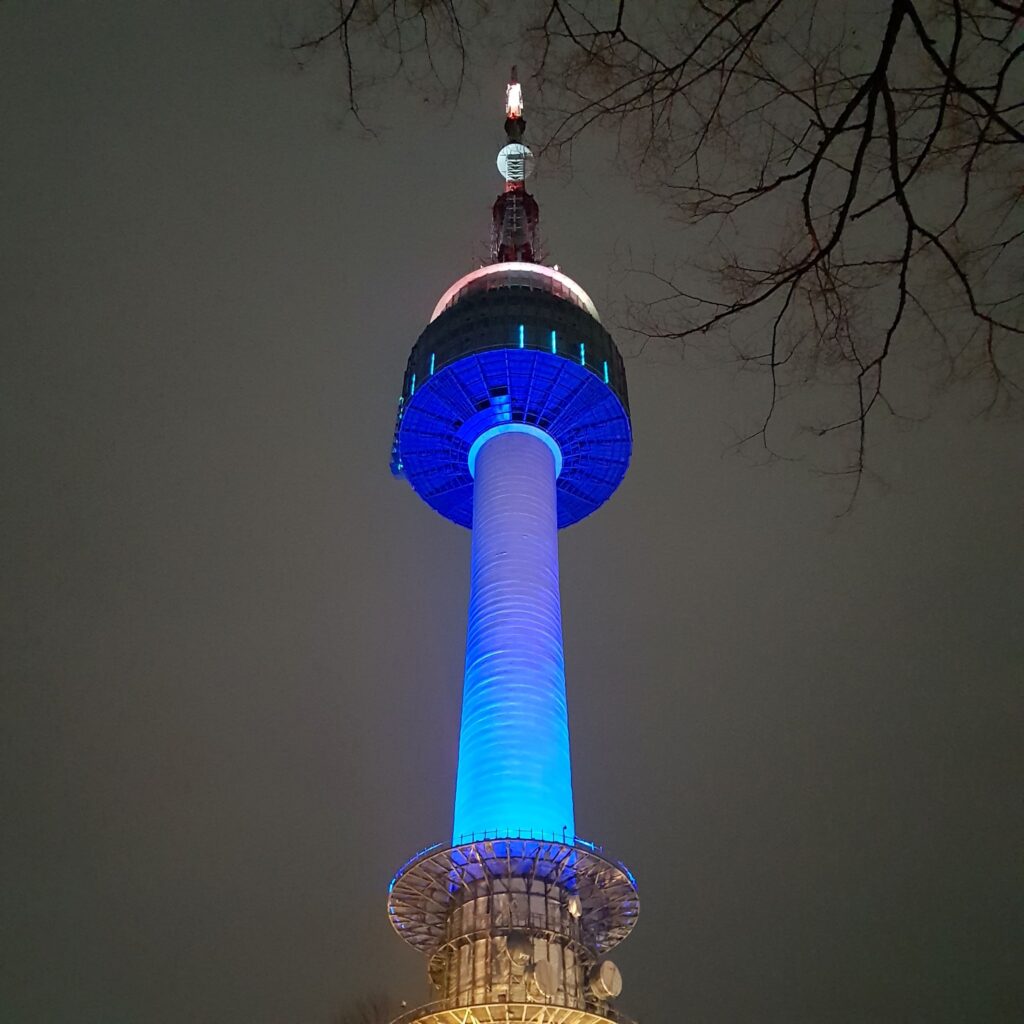
Start the morning at Namsan Tower (N서울타워) — the most iconic landmark on Seoul’s skyline, sitting atop Namsan (South Mountain) at 479 meters above sea level. The tower itself rises a further 236 meters, and the observation deck offers a 360-degree panoramic view over the entire city — the Han River to the south, the historic palaces to the north, and the mountains ringing the city on all sides.
Getting there: Take the Namsan Cable Car from the Myeongdong area (short and scenic, 3-minute ride) or walk up through Namsan Park — a pleasant 20–30 minute uphill walk through forested paths with city views opening as you climb. The walk down through the park after visiting the tower is one of the most pleasant things to do in central Seoul.
The love locks attached to the fences around the tower base — thousands of padlocks inscribed with couples’ names and messages — have become one of Seoul’s most photographed features. Touristy but endearing.
Myeongdong
Walk down from Namsan to Myeongdong (명동) — Seoul’s most famous shopping and street food district, a dense grid of streets packed with Korean cosmetics brands, fashion retailers, international chains, and the most concentrated street food scene in the city.
Myeongdong street food is one of the best casual eating experiences in Seoul — stalls lining both sides of the pedestrian streets sell tteokbokki (spicy rice cakes), hotteok, tornado potato (spiral-cut potato on a skewer), Korean fried chicken, mandu (dumplings), and seasonal specialties. Eat as you walk — that’s how it’s done.
The Korean cosmetics shopping in Myeongdong — Innisfree, Etude House, The Face Shop, Laneige, and dozens of others — represents some of the best value skincare shopping available anywhere, with frequent promotions and sample culture that makes browsing genuinely enjoyable even without a shopping agenda.
Gwangjang Market
Take the metro to Gwangjang Market (광장시장) — one of Seoul’s oldest and most atmospheric traditional markets, established in 1905 and still operating as a working wholesale fabric and clothing market alongside one of the city’s finest street food halls.
The covered food hall running through the center of the market is the reason most visitors come — rows of stalls serving bindaetteok (mung bean pancakes, fried to order and eaten with makgeolli rice wine), mayak gimbap (small rice rolls called “drug gimbap” for their addictive quality), yukhoe (Korean beef tartare), and memil jeon (buckwheat pancakes). Sit at a stall, order several things, and share — that’s the Gwangjang way.
Tonggin Market (통인시장) near Gyeongbokgung is smaller and less crowded than Gwangjang — worth visiting if you’re in the area. The dosirak café system (buy old coins, spend them on small portions from different vendors, create your own lunch box) is a genuinely fun format.
🗓 Local tip for Day 2: Myeongdong is significantly more crowded on weekends — if possible, visit on a weekday afternoon when the street food stalls are set up but the crowds are thinner. Gwangjang Market is best for lunch (the bindaetteok is fried fresh to order and best eaten immediately).
Day 3 — Hongdae, Yeonnam, and Han River
Hongdae and Yeonnam-dong
Spend the morning in Hongdae (홍대) — the neighborhood around Hongik University, historically the center of Seoul’s indie music, street art, and youth culture scene. The streets around the university are packed with independent cafés, vintage clothing shops, record stores, and the kind of creative energy that comes from a neighborhood built around an art school.
Yeonnam-dong — immediately west of Hongdae, connected by a linear park built on an old railway line (Gyeongui Line Forest Park) — is the most interesting part of the area for visitors: quieter than Hongdae proper, with a concentration of independent cafés, brunch restaurants, and concept stores that reflect Seoul’s contemporary creative culture at its most interesting. Walk the park path, stop at whatever café looks good, and spend the morning slowly.
Street performances around the Hongdae main street area happen most afternoons and evenings — buskers, dance crews, and occasional pop-up concerts are a consistent feature of the neighborhood’s character.
Gangnam and Garosu-gil
Take the metro south across the Han River to Gangnam (강남) — the district that gave the world Psy’s “Gangnam Style” and represents the most affluent, modern side of Seoul. The neighborhood around Apgujeong and Cheongdam-dong is Korea’s luxury fashion and beauty district — flagship stores, high-end restaurants, and the clinics of Korea’s renowned cosmetic surgery industry concentrated in a small area.
Garosu-gil (가로수길) — “tree-lined street” — is a pleasant boulevard of independent boutiques, cafés, and restaurants in Sinsa-dong, Gangnam. Less overwhelming than the main Gangnam commercial strips, with a more relaxed atmosphere for walking and browsing. The side streets off Garosu-gil (the “Sero-su-gil” area) have some of Seoul’s best independent coffee shops and are worth exploring slowly.
Han River (Hangang) Parks
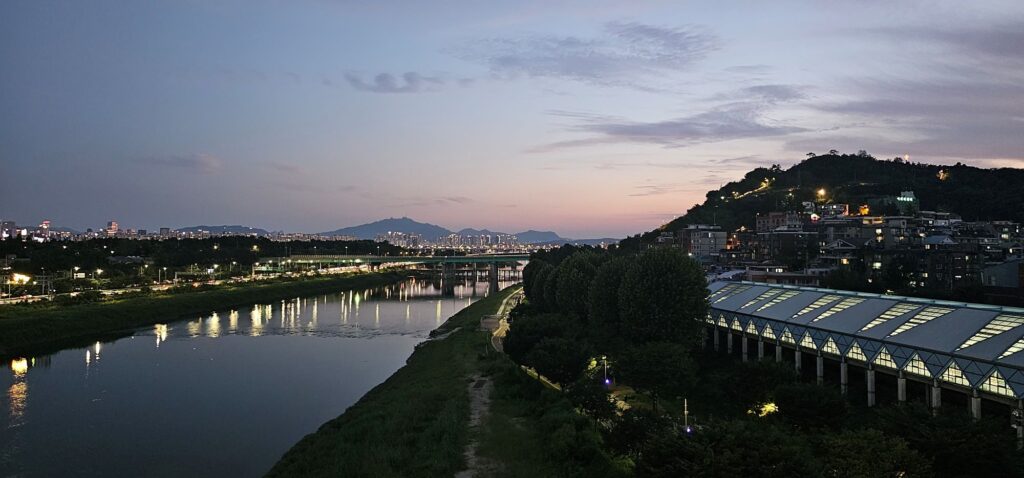
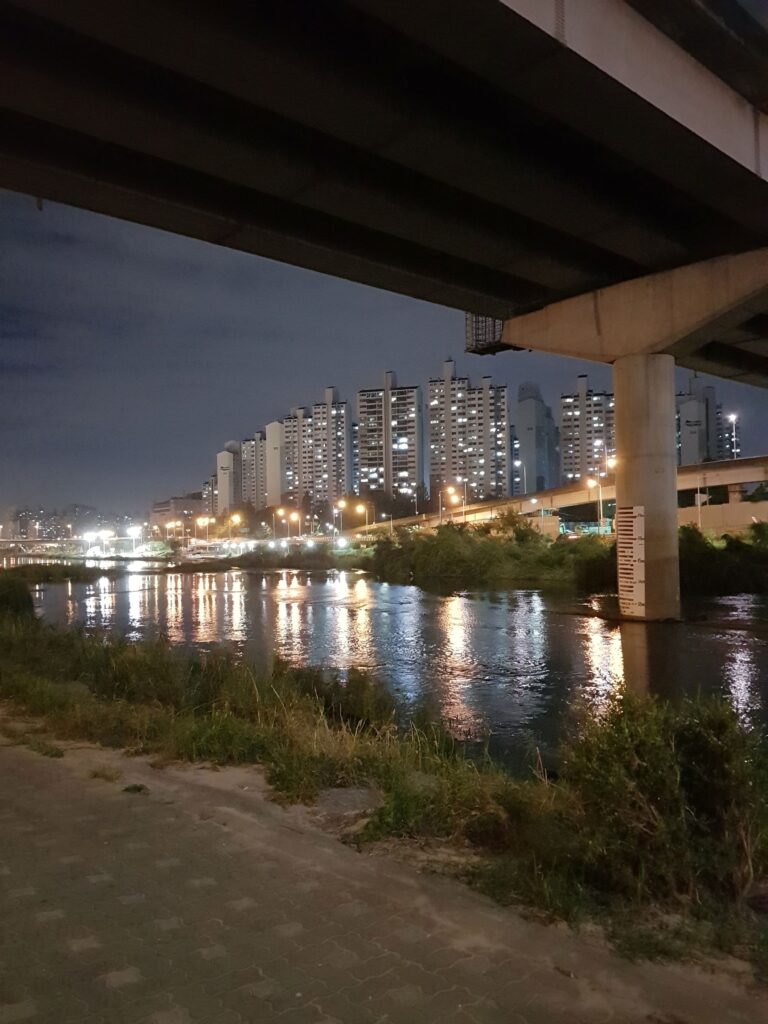
In the late afternoon, make your way to the Han River (한강) — the wide river that bisects Seoul, lined on both banks with a continuous chain of parks that serve as the city’s primary outdoor leisure space. Yeouido Hangang Park and Banpo Hangang Park are the most popular with both locals and visitors.
The Han River parks are where Seoul’s residents actually relax — on weekends particularly, the riverbanks fill with families on picnic mats, couples on bicycles, students studying, and groups playing badminton. Renting a bicycle and cycling along the river path is one of the best ways to experience this side of Seoul.
Convenience store picnic: One of Seoul’s most enjoyable local rituals is buying food and drinks from a convenience store (CU or GS25 branches are in or near every park) and eating on the grass by the river. Fried chicken delivered to the park via app is another option — genuinely popular with locals.
Banpo Bridge Rainbow Fountain: The fountain show on Banpo Bridge — water shooting from both sides of the bridge, illuminated at night — runs on a schedule in the evenings from spring through autumn. Check the current schedule and time your river visit accordingly for the best effect.
🗓 Local tip for Day 3: Hongdae is liveliest in the late afternoon and evening — the cafés and shops open late and the street performance culture peaks around 5–8pm. Plan your Gangnam visit for midday and come back to Hongdae for the evening.
Day 4 — Dongdaemun, K-Culture, and Final Seoul
Dongdaemun Design Plaza and Market
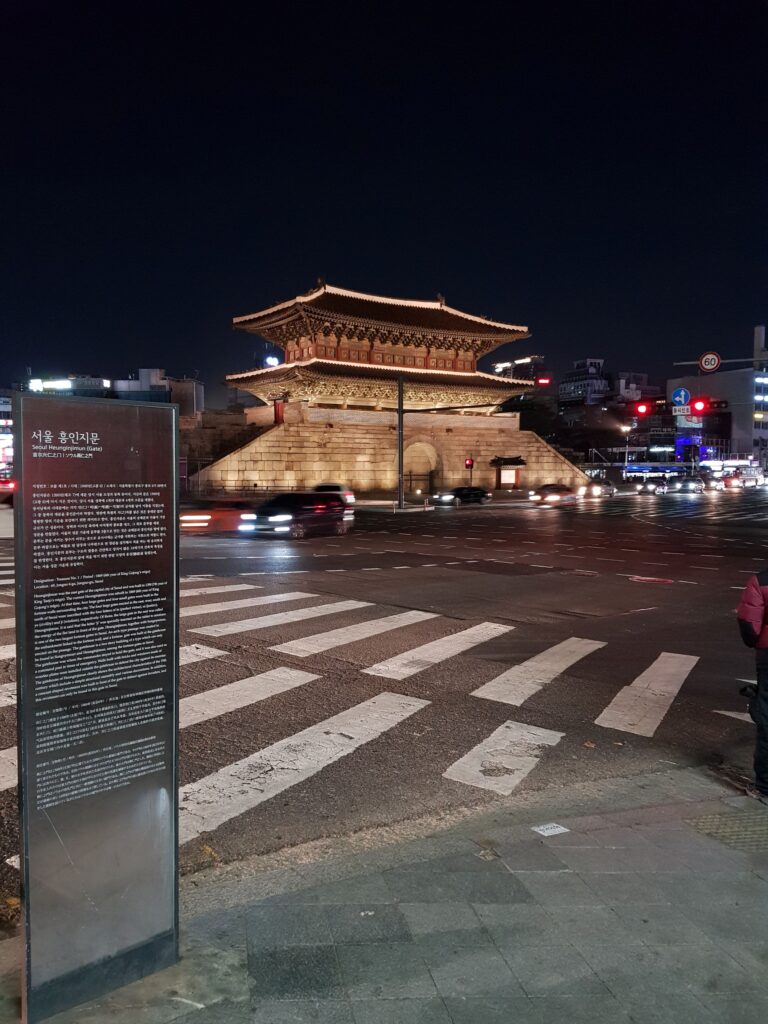
Start at Dongdaemun Design Plaza (DDP) — the extraordinary curved building designed by Zaha Hadid, opened in 2014 on the site of an old sports stadium. The building itself — a flowing, irregular surface covered in 45,000 aluminum panels, with no straight lines — is one of the most dramatic pieces of contemporary architecture in Asia. The DDP hosts design exhibitions, fashion shows, and cultural events, and is worth visiting even if nothing specific is on — the building and the surrounding restored ancient city walls are the experience.
Dongdaemun Market surrounding the DDP is one of Asia’s largest wholesale and retail fashion markets — 26 shopping malls and thousands of individual stalls selling clothing, accessories, and fabric, operating on a schedule that runs through the night (many wholesale operations run 9pm–6am). For visitors, the retail malls open from afternoon and the market atmosphere builds through the evening — good for browsing affordable Korean fashion.
Itaewon and the International Side of Seoul
Itaewon (이태원) has historically been Seoul’s most international neighborhood — developed around the US military base, it became home to the city’s most diverse food scene and the center of its LGBTQ+ community. The neighborhood went through a difficult period following a tragic crowd crush in 2022 and has been gradually recovering and reinventing itself.
The Itaewon/Haebangchon (HBC) area and the streets around Gyeongnidan-gil adjacent to it offer some of Seoul’s most interesting independent restaurants — Middle Eastern, South Asian, African, and fusion options that reflect the neighborhood’s international character. Worth an evening visit for dinner.
K-Culture Experiences
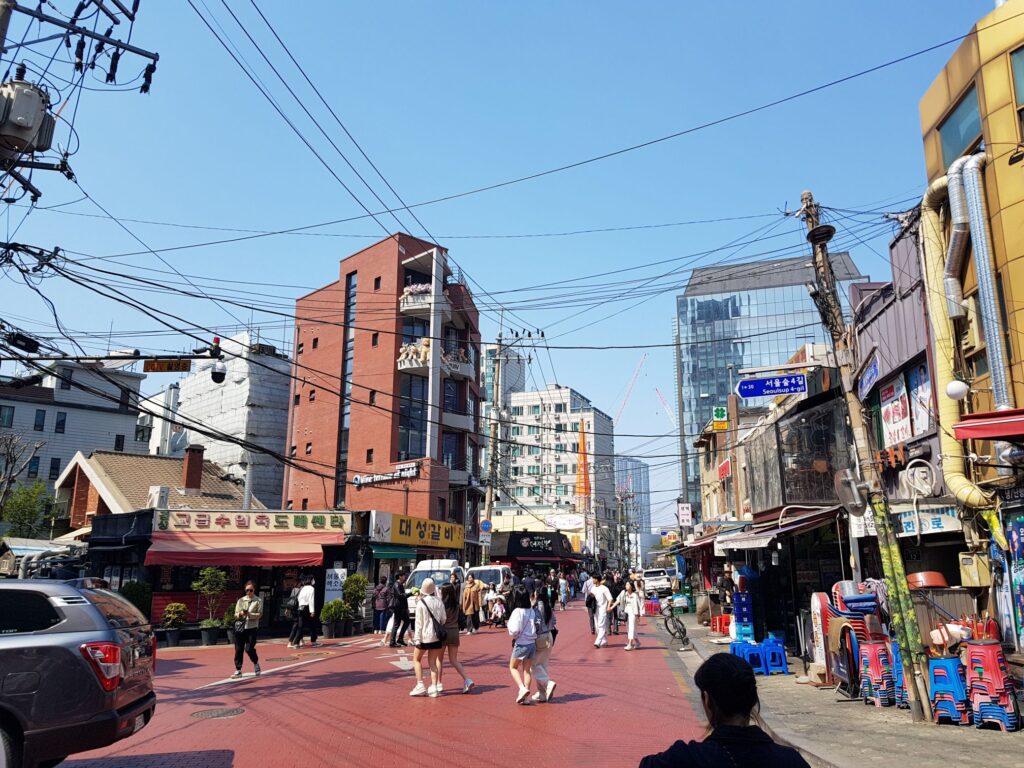
Seoul offers several ways to engage with contemporary Korean culture beyond the standard tourist circuit.
K-pop: The HYBE Insight museum (BigHit/BTS agency) in Yongsan offers exhibitions on K-pop production and culture — book online well in advance. SM Town COEX Artium in Gangnam is a retail and experience space focused on SM Entertainment artists. For those who want to see a music show recording in person, Korean broadcast stations periodically accept applications for live audience participation — check the official websites of KBS, MBC, and SBS.
Korean cinema: The Korean Film Archive in Mapo and the Cinematheque KOFA screen classic and contemporary Korean films — worth checking schedules. The CGV IMAX experience at major multiplex locations is the best way to see new Korean releases.
Korean food culture: A Korean cooking class in the Insadong or Mapo area is one of the most enjoyable ways to engage with Korean food beyond eating it — hands-on classes covering kimchi making, Korean royal cuisine, or temple food are widely available and bookable in advance.
What to Eat in Seoul: A Local’s Guide
Seoul’s food scene operates at a level of depth and variety that rewards serious attention. Here’s what not to miss on a first visit.
Korean BBQ (고기구이) The definitive Seoul dining experience — meat grilled at the table over charcoal or gas, eaten wrapped in lettuce leaves with garlic, green onion, and fermented soybean paste (doenjang). Samgyeopsal (pork belly) and galbi (beef short ribs) are the standards. The best Korean BBQ is in dedicated restaurants with charcoal grills and proper ventilation — the smoke is part of the experience. Go with at least two people; the format is built for sharing.
Korean Fried Chicken (치킨) Korean fried chicken — double-fried for extraordinary crispness, available in original, soy garlic, and spicy yangnyeom varieties — is one of Korea’s most important contributions to global food culture. Delivered to your accommodation or the Han River park, or eaten at a chimaek (chicken and beer) restaurant, it’s consistently excellent. Kyochon, BBQ Chicken, and Nene Chicken are reliable chains; local independent shops are often better.
Tteokbokki (떡볶이) Spicy rice cakes in a gochujang (chili paste) sauce — Korea’s most popular street food, available everywhere from street carts to dedicated restaurants. The version at Gwangjang Market or the pojangmacha (street food tents) near universities is the most authentic. Add fish cakes, boiled eggs, and ramen for the full experience.
Bibimbap (비빔밥) Mixed rice with vegetables, egg, meat, and gochujang — one of Korea’s most iconic dishes. The version from Jeonju (the city credited with the best bibimbap) is the standard; many Seoul restaurants specialize in it. Mix everything together thoroughly before eating.
Korean Ramen/Ramyeon (라면) Korean instant ramen — particularly Shin Ramyun and Buldak Bokkeummyeon (fire noodles) — is a cultural institution. The convenience store version, cooked in the store and eaten at the counter, is a genuine Seoul experience. Dedicated ramyeon restaurants serving higher-end versions are increasingly common.
Street Food Circuit
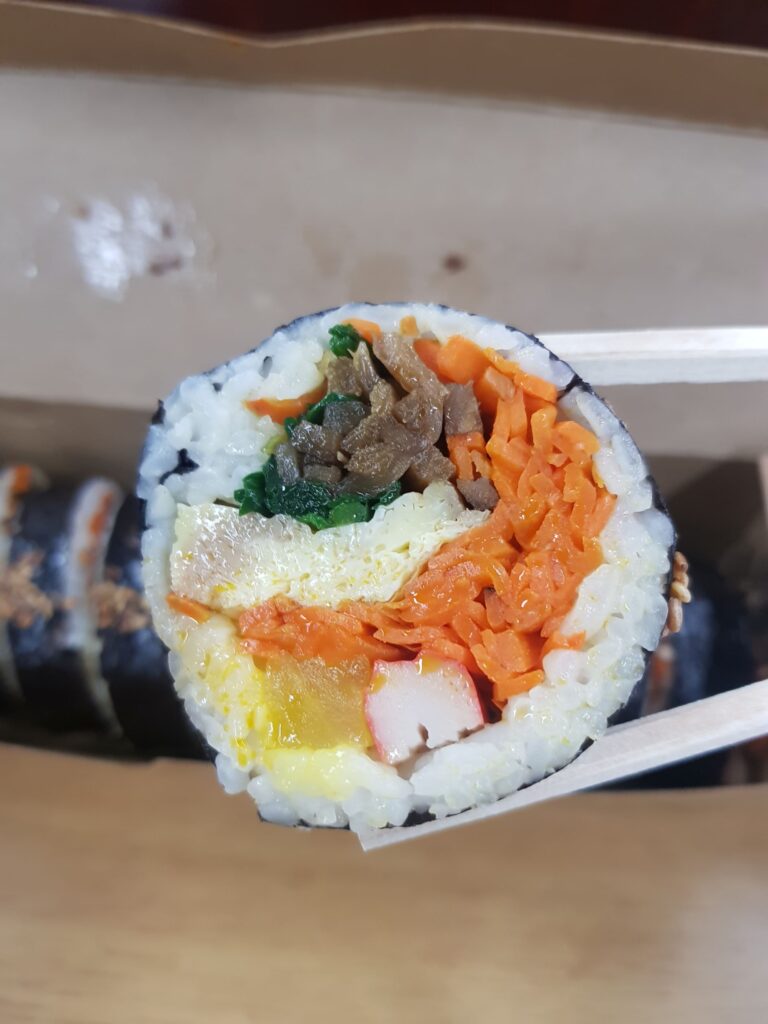
- Gimbap (김밥) — rice and fillings rolled in seaweed. Cheap, portable, and excellent from any gimbap chain (Gimbap Cheonguk, Kim’s Club)
- Sundae (순대) — blood sausage with glass noodles, served with tteokbokki sauce. A market staple
- Pajeon (파전) — green onion pancake, best at Gwangjang Market with makgeolli
- Bingsu (빙수) — shaved ice dessert with various toppings (red bean, fresh fruit, condensed milk). The summer version at any dedicated bingsu café is exceptional
Coffee Culture Seoul has one of the world’s most developed café cultures — the concentration and quality of independent coffee shops in neighborhoods like Yeonnam-dong, Seongsu-dong, and Insadong rivals any city in the world. Koreans take café design seriously — many independently operated cafés are architecturally interesting spaces worth visiting for the environment as much as the coffee. Specialty coffee (single origin, pour-over, cold brew) is widely available and the standard is high.
Practical Tips for Seoul
- T-money card: Get it at the airport — it makes every transit journey simpler
- Kakao T: Download before arrival for reliable taxi hailing
- Convenience stores: CU, GS25, and 7-Eleven are everywhere — genuinely good food, ATMs, and open 24 hours
- Naver Maps: More accurate than Google Maps for some Korean transit and walking routes
- Korean phrases: 감사합니다 (gamsahamnida — thank you), 주세요 (juseyo — please give me), 얼마예요? (eolmayeyo — how much?) go a long way
- Tipping: Not practiced in Korea — don’t leave money on the table
- Recycling: Korea takes recycling seriously — sort your waste correctly at accommodation
- Palace free days: Most royal palaces offer free entry on certain days — check schedules before visiting
How Many Days Does Seoul Need?
4 days:  Core neighborhoods — palaces, markets,
         Hongdae, Namsan, Han River
5 days:  Above + Gangnam, Seongsu-dong,
         day trip to Suwon or DMZ
7 days:  Full Seoul experience including
         outer neighborhoods and day trips
10+ days: Seoul + other Korean cities
          (Busan, Gyeongju, Jeju Island)
Final Thoughts
Seoul is a city that operates at full intensity from early morning until late at night, and the best way to experience it is to match that energy rather than fight it. Eat constantly. Use the metro. Walk the neighborhoods rather than jumping between landmarks. And leave room for the unexpected — the side street café, the market stall that becomes lunch, the neighborhood you didn’t plan to visit that turns out to be the best part of the trip.
The city is easier than it looks from the outside, more interesting than the highlights suggest, and considerably more rewarding the more time you give it.
Dongdaemun Design Plaza (DDP): A Landmark made by Zaha Hadid