
Just a short walk from Meguro Station lies a culinary institution that has quietly upheld the tradition of tonkatsu—Japanese deep-fried pork cutlet—for over 80 years. Tonkatsu Tonki (とんかつ とんき) has been a fixture of Tokyo’s dining scene since 1939, beloved not only for its perfectly cooked pork but for the atmosphere of craftsmanship and dedication that defines every aspect of the experience.
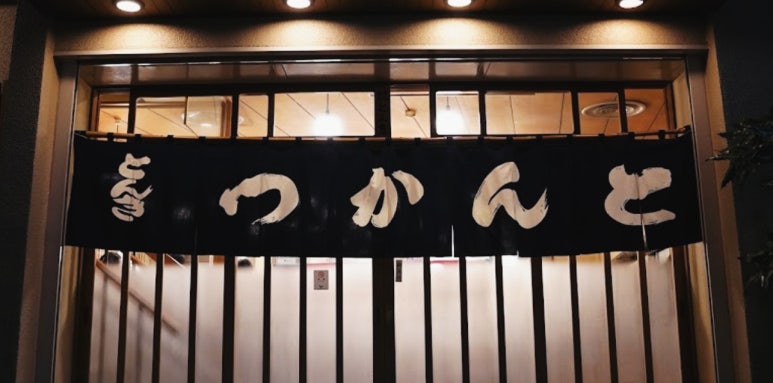
A Heritage of Simplicity and Precision
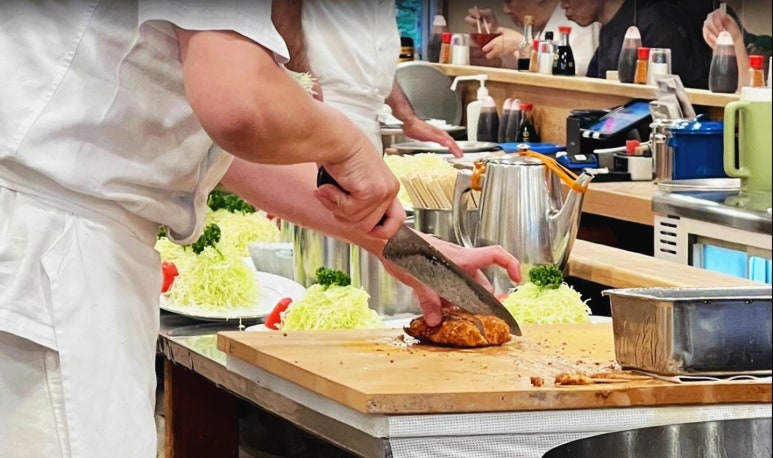
Walking into Tonki feels like stepping back in time. The interior is immaculately maintained, with gleaming wooden counters forming a large square around an open kitchen where white-uniformed chefs move with quiet precision. But what makes this place extraordinary is not just the food—it’s the theater of discipline and coordination that unfolds in front of your eyes.
Inside the open kitchen, more than ten staff members perform their duties with an almost military-like precision. Each individual seems to have a strictly designated role, from preparing the pork, dredging and frying, plating, cleaning, serving, and taking orders. Watching them is mesmerizing—a real-time display of Japanese work ethic and teamwork.
It feels like watching an orchestra, with each staff member playing their instrument under the silent baton of an invisible conductor. No words are exchanged, yet everything runs like clockwork. There’s a deep sense of hierarchy and mutual respect in their motions, and it becomes evident that Tonki is not just a restaurant, but a well-honed system built over decades.
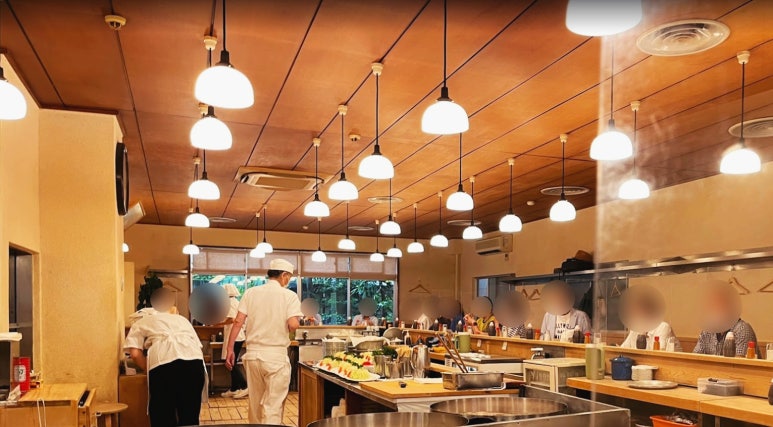
The open kitchen layout allows diners to observe every stage of the cooking process—from the careful slicing of pork, to the rhythmic motion of the breading, and the artful placement of each golden cutlet on porcelain plates. There’s no mystery here—just pure, transparent craftsmanship on full display. Walking into Tonki feels like stepping back in time. The interior is immaculately maintained, with gleaming wooden counters forming a large square around an open kitchen where white-uniformed chefs move with quiet precision. Diners sit side by side, watching the staff perform a near-silent ballet of frying, slicing, and plating.
There are no frills or fusion gimmicks here. Tonki’s menu is famously simple and unwavering: you choose between rosu katsu (pork loin) or hire katsu (pork fillet). Both are served as a teishoku set—with rice, pickles, unlimited shredded cabbage, and a warm bowl of tonjiru (miso soup with pork and vegetables). Each meal is made to order, and the attention to timing and temperature is palpable.
What Makes Tonki Special
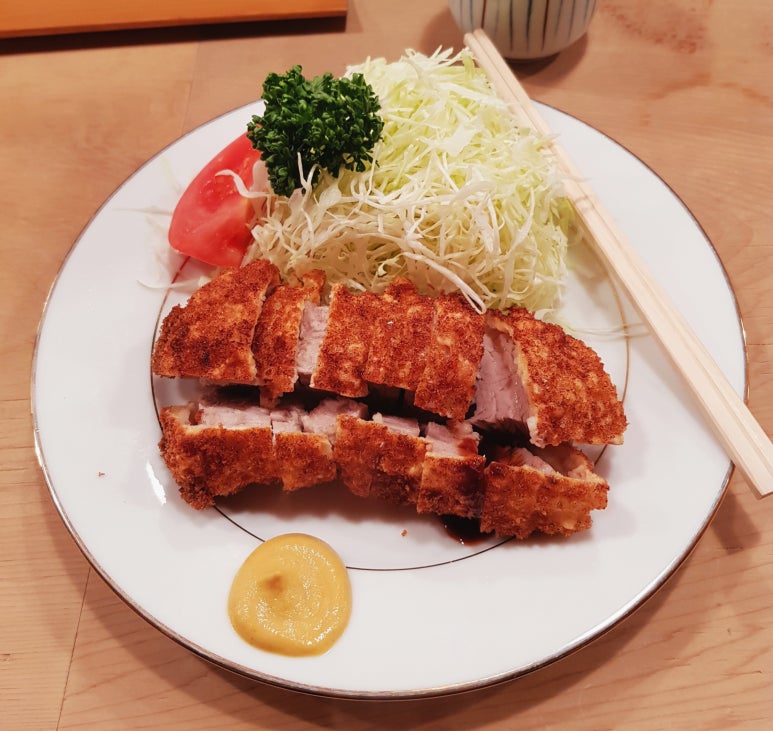
The menu at Tonki may be simple, but every element of the meal is treated with equal reverence. The rosu katsu boasts a satisfying balance of juicy pork, tender fat, and a shatteringly crisp panko crust. Meanwhile, the hire katsu is leaner, offering a clean bite that melts in your mouth. The breading is light and golden, never greasy, thanks to the careful frying technique and frequent oil changes.
Yet what truly makes the meal memorable is not just the cutlet itself—it’s the harmony of the entire set. The rice, modestly presented in a simple bowl, is perfectly cooked—each grain firm yet sticky, holding its shape without clumping. The tonjiru, a heartier miso soup loaded with root vegetables and bits of pork, is warming and restorative, packing unexpected depth and umami.
The shredded cabbage, finely julienned and endlessly refillable, offers a refreshing counterpoint to the richness of the tonkatsu. The balance of flavor, texture, and temperature across the set makes every bite feel complete. There is strength even in the simplest elements—nothing is an afterthought.
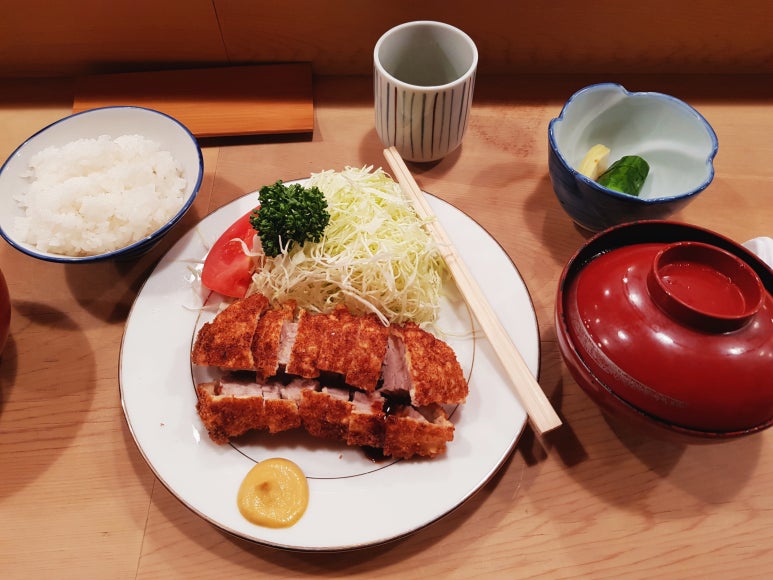
It’s this completeness that gives Tonki its staying power. The entire meal feels humble but powerful, grounded in decades of consistent practice and a refusal to compromise on quality. Every dish speaks of tradition, respect for ingredients, and the pride of doing things right. What truly sets Tonki apart is the dedication to a single dish, executed with relentless consistency. The rosu katsu boasts a satisfying balance of juicy pork, tender fat, and a shatteringly crisp panko crust. Meanwhile, the hire katsu is leaner, offering a clean bite that melts in your mouth. The breading is light and golden, never greasy, thanks to the careful frying technique and frequent oil changes.
The miso soup is heartier than most, loaded with vegetables and pork trimmings that make it a comforting companion to the main dish. The pickles are refreshingly sharp, cutting through the richness of the fried pork. And the cabbage? Refilled generously upon request, adding a fresh crunch and cleansing contrast to every bite.
Atmosphere and Etiquette
There are no reservations at Tonki—it’s strictly first come, first served. Lines can form quickly, especially on weekends, but turnover is brisk and the staff are efficient. While you wait, it’s common to observe how the kitchen functions with the harmony of a tea ceremony. Every movement has purpose, and no one ever raises their voice.
The space itself is clean and warm, illuminated by yellow-toned lighting that reflects off the polished wood. It’s not uncommon to see multiple generations of families eating together, or solo diners quietly enjoying their meals with a sense of reverence. There is no piped-in music, no distractions—just the sounds of food being cooked and quietly enjoyed.
Visiting Tips
- Best Time to Visit: Arrive early, especially on weekends. Doors open at 4:00 PM, and a line often forms before then.
- Cash Only: No credit cards accepted, so come prepared.
- No Reservations: Be ready to wait your turn, and enjoy the process.
- Language: The staff speak minimal English, but the menu is simple and easy to navigate.
- Seating: Counter seats only; ideal for solo diners or pairs.
Final Thoughts
Dining at Tonkatsu Tonki is not just about eating—it’s about observing and participating in a tradition that honors simplicity, technique, and quality. It’s about stepping into a space where time slows down, and every bite reminds you that mastery lies in doing one thing extraordinarily well.
Whether you choose the fatty satisfaction of the rosu or the refined tenderness of the hire, Tonki offers a meal that lingers long after you’ve left. In a city overflowing with culinary innovation, this humble tonkatsu shop stands as a quiet testament to the enduring power of tradition.
Practical Information
- Name: Tonkatsu Tonki (とんかつ とんき)
- Address: 1-1-2 Shimomeguro, Meguro-ku, Tokyo 153-0064, Japan
- Phone: +81 3-3491-9928
- Opening Hours: Wednesday to Monday, 4:00 PM – 09:00 PM
- Closed: Tuesdays and the third Monday of each month
- Nearest Station: Meguro Station (2 min walk)
- Reservations: Not accepted (first-come, first-served)
- Payment: Cash only
Tori Tsubaki (鳥椿) in Tokyo: A Cozy Izakaya Gem Near Uguisudani Station
Sushi no Midori Shibuya, Affordable, Fresh Sushi Worth the Wait (寿司の美登利)