

Perched high above the Higashiyama district of Kyoto, Kiyomizu-dera (清水寺) is more than just a Buddhist temple—it is a cultural icon, a spiritual haven, and one of Japan’s most celebrated historic sites. Whether you are visiting for its stunning views, architectural beauty, or the serenity it provides, Kiyomizu-dera never fails to leave a deep impression. On my own visit, I was drawn not only by its grandeur but by the harmony between sacred space, nature, and Kyoto’s timeless traditions.
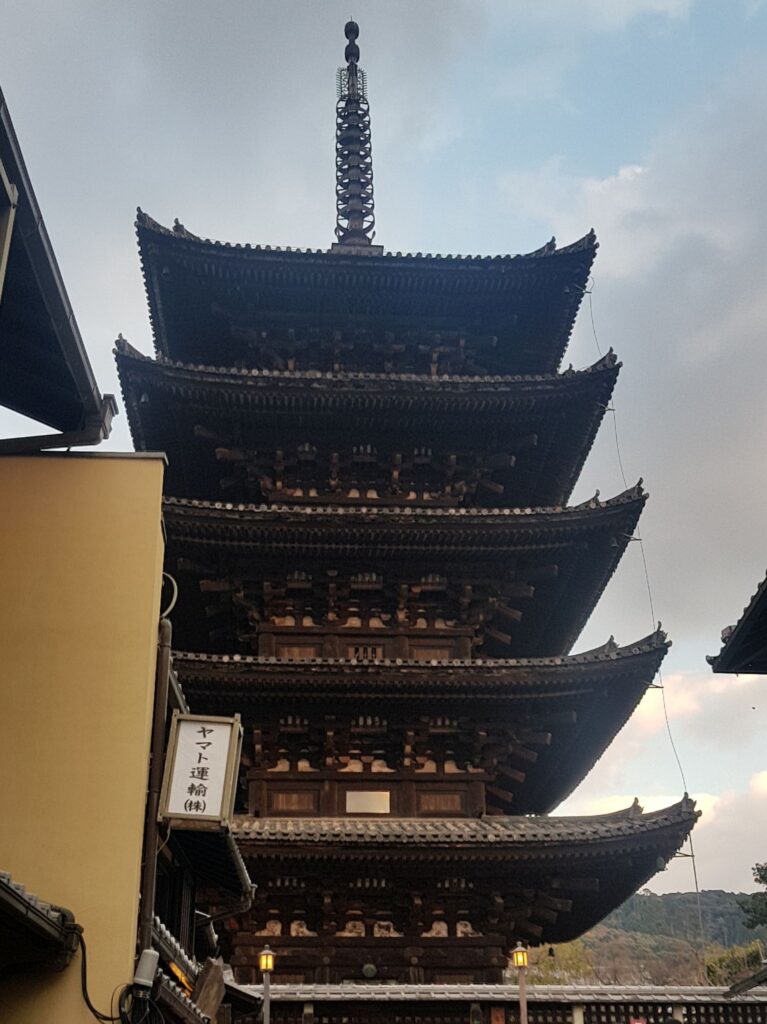
A Temple with Ancient Roots
Kiyomizu-dera was founded in 778 by the monk Enchin, long before Kyoto became Japan’s capital. The name “Kiyomizu” translates to “pure water,” taken from the Otowa Waterfall that runs through the temple grounds. Dedicated to Kannon, the goddess of mercy, the temple quickly became a site of pilgrimage, attracting those who sought healing, hope, and spiritual guidance.
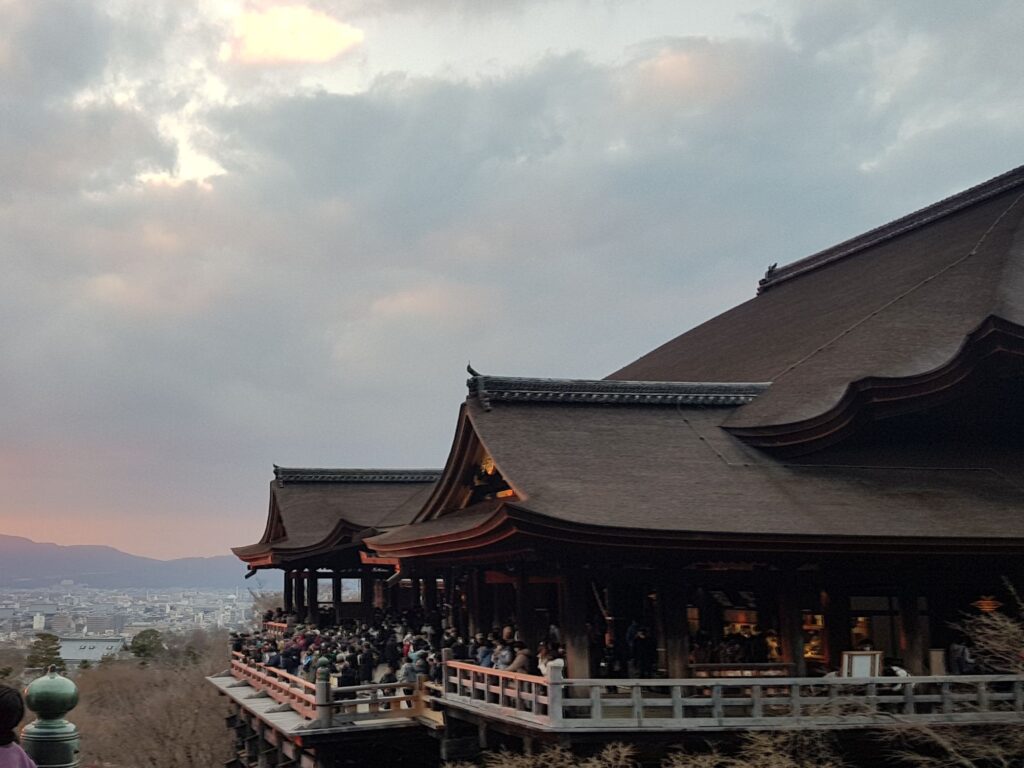
The current structures were reconstructed in 1633 under the Tokugawa shogunate. One of the temple’s most impressive features is its massive wooden platform extending over the hillside—crafted entirely without nails. This stage has long been admired not only for its structural ingenuity but for the breathtaking panoramic views it offers of Kyoto and the forested valley below.
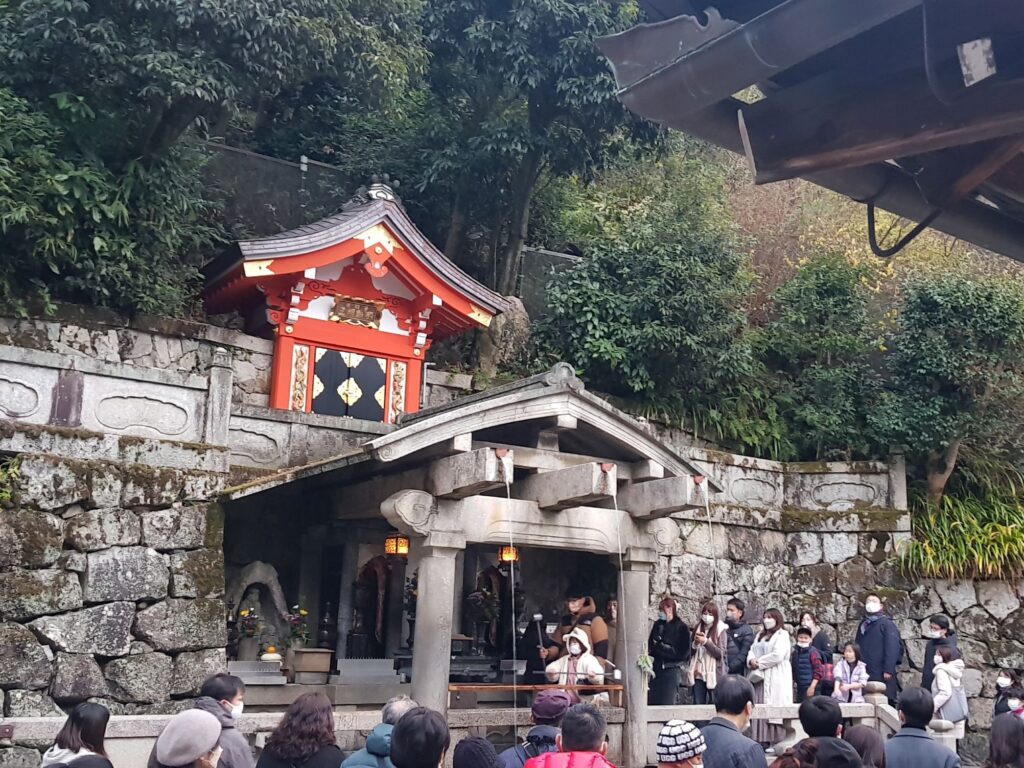
Otowa Waterfall: Symbol of Purity and Blessings
At the base of the main hall flows the sacred Otowa Waterfall (音羽の滝), the namesake of Kiyomizu-dera. Its three streams represent health and longevity, success in academics, and luck in love. Visitors line up to catch the water in long-handled cups, believing that a sip from the right stream will grant their wishes.
Local legend warns against drinking from all three streams, as doing so is considered greedy. As I stood there, watching pilgrims quietly approach with reverence, I understood why this spot has been a source of hope and renewal for over a millennium.
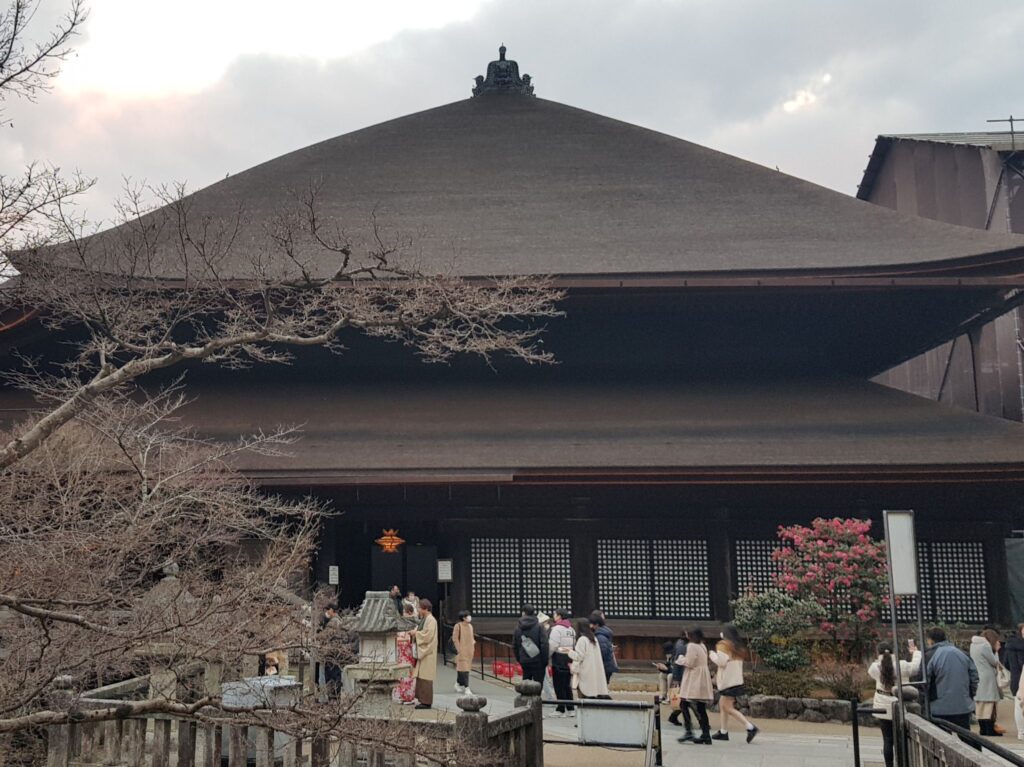
Architectural Beauty and Artistic Grace
The Main Hall of Kiyomizu-dera (Hondo) is designated a National Treasure of Japan. The vast wooden veranda is supported by 139 giant pillars, each nearly 13 meters tall. It’s not just an engineering marvel—it also serves as a symbolic bridge between the earthly world and the divine.
From the viewing platform, you’re treated to dramatic scenes: in spring, waves of pink cherry blossoms roll across the hillsides; in autumn, fiery red maples set the forest ablaze. Inside the temple, the serene ambiance, scented with incense, invites quiet reflection.
The temple grounds also include a three-storied Koyasu Pagoda, said to offer blessings for safe childbirth. The Zuigudo Hall, dedicated to Buddha’s mother, offers a unique spiritual experience—a pitch-dark corridor where visitors walk guided only by a rope, representing a symbolic journey into rebirth.
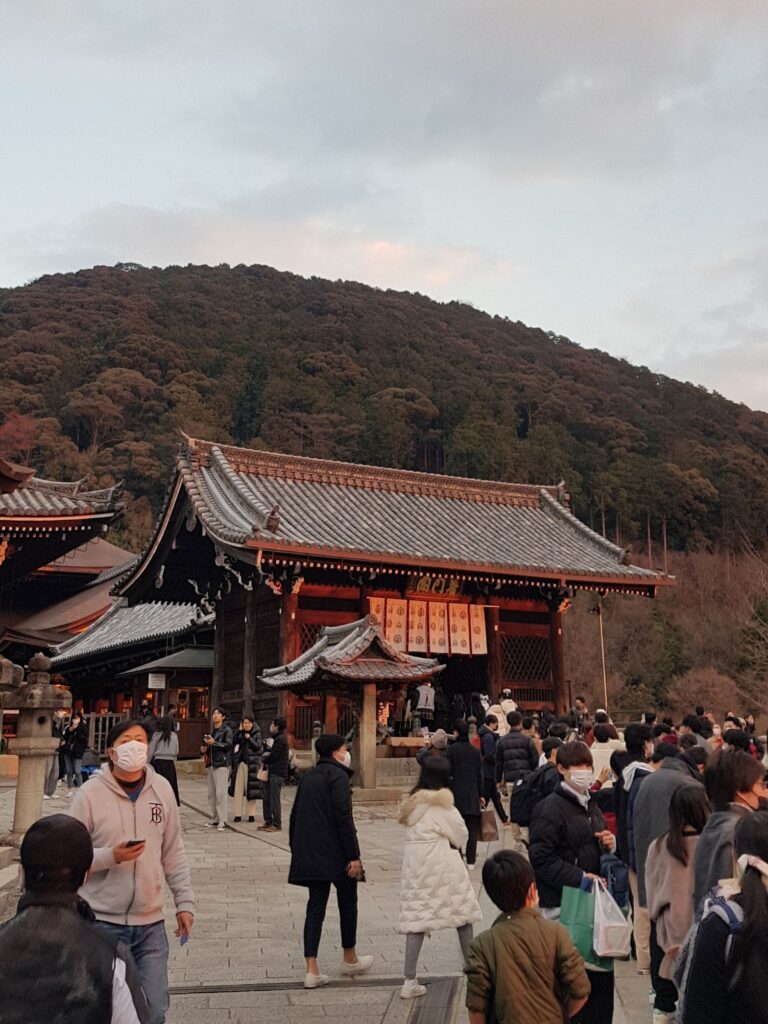
Cultural Events and Seasonal Illuminations
While the temple is primarily a religious site, it’s also a stage for cultural expression. During my visit, I saw staff preparing for a classical music concert in the evening, with chairs being arranged in front of the main hall. I learned that Kiyomizu-dera regularly hosts seasonal performances, including traditional dance, Gagaku (imperial court music), and Noh theater, creating an immersive blend of art, culture, and spirituality.
Moreover, during spring and autumn, the temple opens for nighttime illuminations, where the grounds are lit by hundreds of lanterns. The mystical ambiance, coupled with views over Kyoto’s city lights, transforms the experience into something unforgettable.
Recommended Walking Route: From Kiyomizu-dera to Gion
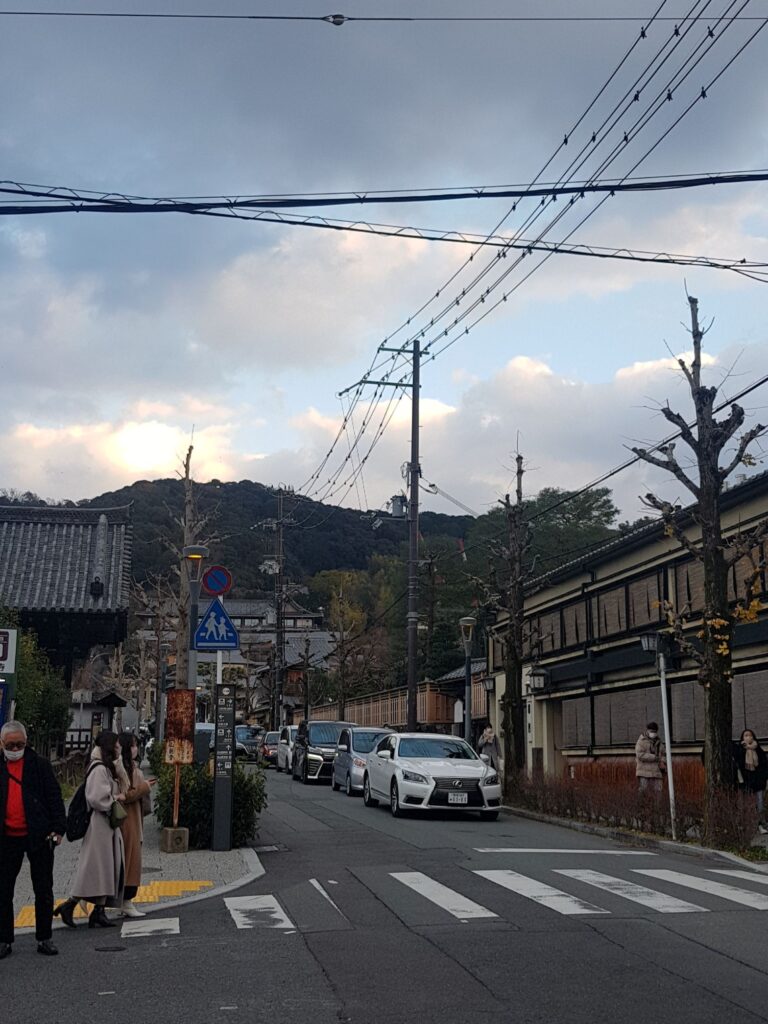
One of the joys of visiting Kiyomizu-dera is pairing it with a walking tour of Kyoto’s most scenic neighborhoods. From the temple, head down through the winding Ninenzaka (二年坂) and Sannenzaka (三年坂) streets. These cobblestone paths are lined with preserved machiya townhouses, traditional shops selling yatsuhashi (cinnamon rice crackers), pottery, fans, and kimono accessories.
From there, it’s a short walk to Yasaka Shrine (八坂神社), open 24 hours and beautifully illuminated at night. The shrine is also the center of Kyoto’s famous Gion Matsuri in July. End your journey in Gion (祇園), Kyoto’s famous geisha district. Wandering these atmospheric alleys, you might even glimpse a maiko on her way to an evening appointment.
This walking route—Kiyomizu-dera to Gion—captures the essence of Kyoto: spiritual depth, historical charm, and cultural elegance, all in one unforgettable journey.
Visiting Tips and Etiquette
- Timing: Visit early morning to avoid crowds or late afternoon for soft light and a quieter experience.
- Accessibility: The temple grounds have some steep inclines and stairs, so wear comfortable walking shoes.
- Omamori Charms: Look for protective charms, incense, and temple-exclusive souvenirs at the small gift shops inside.
- Respect the Space: As it’s an active religious site, maintain a respectful attitude. Flash photography is discouraged.
- Stay Hydrated: Especially during Kyoto’s humid summers, carry water and wear sun protection.
Personal Reflections
When I visited Kiyomizu-dera, the air was cool and slightly sweet with incense. The chanting of monks echoed faintly through the trees, and the sound of water trickling from Otowa Falls added a tranquil rhythm to the surroundings. I was especially moved by how seamlessly this temple blends into the hillside—not disrupting nature, but rather embracing and enhancing it.
Although crowded, I noticed a shared sense of reverence among visitors. Whether they were couples sipping from the waterfall, children praying for exam success, or elderly pilgrims gazing silently from the balcony, there was a sense that everyone had come for something meaningful.
Practical Information
- Name: Kiyomizu-dera Temple (清水寺)
- Address: 294 Kiyomizu 1-chome, Higashiyama-ku, Kyoto 605-0862, Japan
- Opening Hours: 6:00 AM – 6:00 PM (may be extended during night illuminations)
- Admission Fee: ¥400 for adults, ¥200 for children
- Otowa Waterfall: Located within the grounds, accessible after general admission
- Website: https://www.kiyomizudera.or.jp
- Access:
- By Bus: From Kyoto Station, take Bus 100 or 206 and get off at Gojo-zaka or Kiyomizu-michi stop. Walk 10 minutes uphill.
- By Train: 20-minute walk from Kiyomizu-Gojo Station (Keihan Line)
Richmond Hotel Premier Kyoto Shijo Review – A Thoughtful Stay in the Heart of Kyoto
Discovering Nijō Castle (Nijō-jō 二条城): A Journey into Kyoto’s Feudal Elegance