
Located in central Kyoto, Nijō Castle (二条城, Nijō-jō) is a historic fortress that once served as the Kyoto residence of the Tokugawa shoguns. As a UNESCO World Heritage Site and one of Japan’s most important cultural properties, the castle offers an unparalleled window into the lifestyle and authority of the Edo period’s ruling class. Whether you are a history buff or a casual visitor, a walk through Nijō Castle’s grounds evokes a profound connection to Japan’s layered past.

A Historic Stronghold
Construction of Nijō Castle began in 1601 under the orders of Tokugawa Ieyasu, the first shogun of the Tokugawa dynasty, and was completed in 1626. The castle was strategically placed to showcase shogunal authority in the imperial city of Kyoto, serving both as a symbol of power and a functioning political base. Perhaps most famously, Nijō Castle was the site where Tokugawa Yoshinobu formally relinquished authority to the emperor in 1867, effectively ending over 260 years of shogunal rule and ushering in the Meiji Restoration. This act, known as Taisei Hōkan (大政平潰), marks one of the most significant transitions in Japanese history.
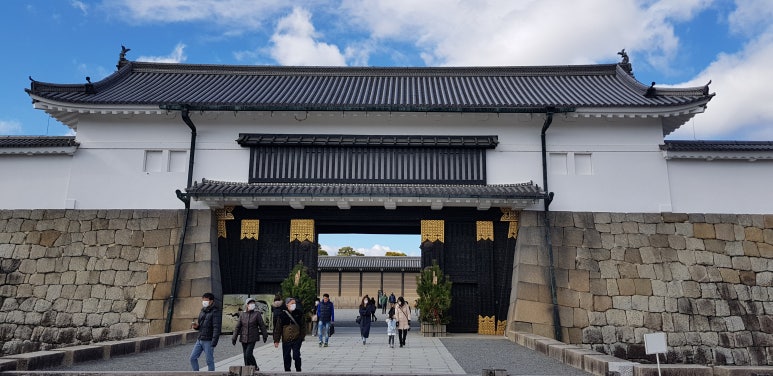
Architectural Grandeur: Ninomaru and Honmaru Palaces
The castle complex is divided into two main sections: the Ninomaru Palace (二の丸御殿, Ninomaru-goten) and the Honmaru Palace (本丸御殿, Honmaru-goten).
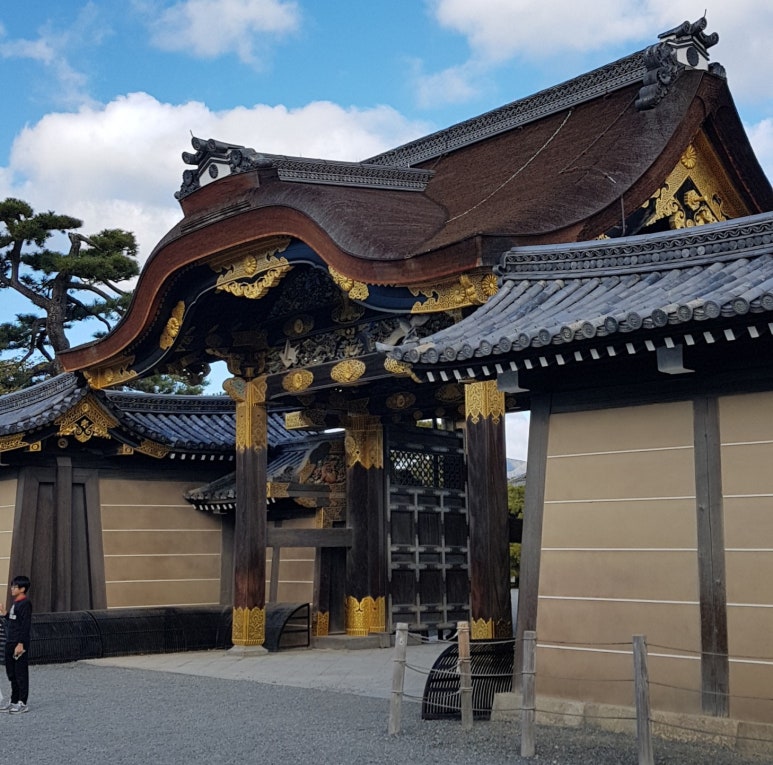
The Ninomaru Palace is the highlight of any visit, showcasing 33 rooms across five buildings connected by corridors with “nightingale floors” (鶴張り, uguisubari). These floors were designed to chirp like birds when walked upon, acting as a security measure against intruders. The walls are adorned with vibrant fusuma (sliding panel) paintings, many of which were created by masters of the Kanō School. The sheer scale and detail of the interiors reflect the wealth and status of the shogunate.
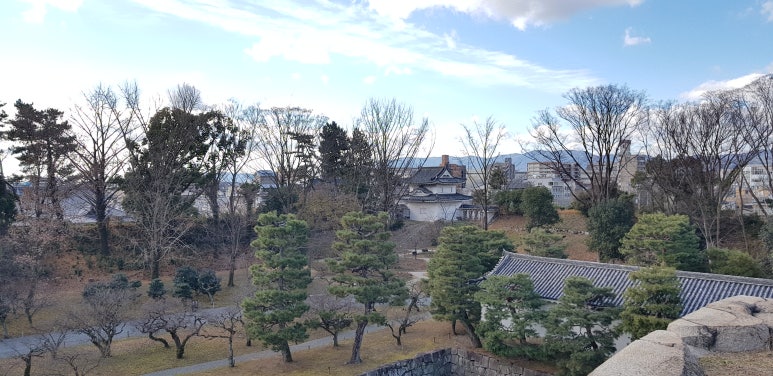
Honmaru Palace, although reconstructed, maintains the spirit of its original structure and adds to the layered experience of the castle. The surrounding stone walls, moats, and watchtowers remind visitors of the castle’s original defensive purposes, despite its luxurious appearance.
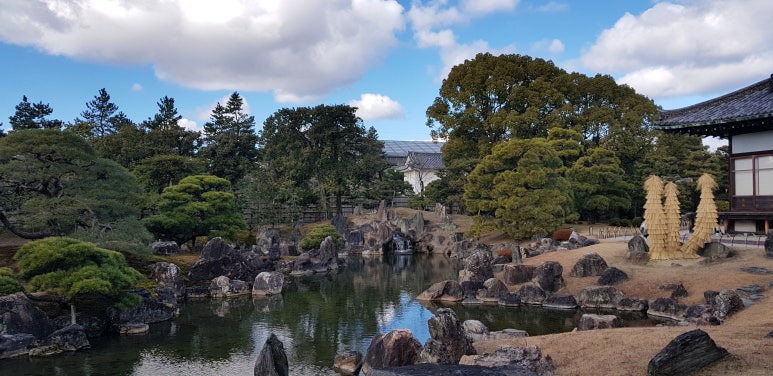
Enchanting Gardens and Seasonal Beauty
Beyond its architecture, Nijō Castle is celebrated for its stunning gardens. The Ninomaru Garden is a masterpiece of traditional Japanese landscape design, featuring carefully placed rocks, manicured pines, and a central pond that changes character with the seasons. Cherry blossoms in spring, vibrant greens in summer, and golden ginkgo leaves in autumn each lend a different aura to the grounds.
One of my most memorable experiences was visiting during early April. The cherry blossoms were in full bloom, blanketing the castle grounds in soft pink petals. Walking through the garden with the delicate scent of sakura in the air, I felt a deep sense of tranquility and timelessness—a moment that connected me not only to nature, but to centuries of cultural heritage.
Personal Insight and Visitor Impressions
As someone who has a deep appreciation for Japanese culture and history, my visit to Nijō Castle was both educational and emotionally resonant. The blend of military architecture and artistic sophistication offered a comprehensive glimpse into the complexity of the Edo period. I was particularly struck by the contrast between the strict formality of the palace interiors and the peaceful, flowing design of the gardens. It’s a place where you can feel the weight of history while enjoying the aesthetic harmony so central to Japanese design.
Tips for Travelers
- Arrive Early: The castle is a popular tourist destination. Visiting early helps you avoid the crowds and enjoy the serenity of the gardens.
- Footwear: You must remove your shoes before entering the palace buildings, so wearing slip-ons is helpful.
- Photography: While photography is allowed in the garden areas, it is prohibited inside the palace buildings.
- Guided Tours: Consider taking a guided tour (audio or human) to fully appreciate the historical context and significance of each area.
- Seasonal Visits: Spring and autumn are especially beautiful, but each season offers a unique atmosphere.
Essential Visitor Information
- Address: 541 Nijojocho, Nakagyo Ward, Kyoto, 604-8301, Japan
- Access: 1-minute walk from Nijōjō-mae Station (二条城前駅) on the Kyoto Municipal Subway Tōzai Line
- Opening Hours: 8:45 AM – 5:00 PM (Last entry at 4:00 PM)
- Closed: December 29–31; Ninomaru Palace is closed on Tuesdays in January, July, August, and December
- Admission Fees:
- General Admission: ¥800
- Ninomaru Palace Access: Additional ¥500
- Honmaru Palace Access: Additional fee with prior reservation
- Website: nijo-jocastle.city.kyoto.lg.jp
Final Thoughts
Nijō Castle isn’t just a relic of the past; it’s a living museum that tells the story of a pivotal era in Japanese history. The combination of political intrigue, cultural brilliance, and natural beauty makes this site one of Kyoto’s most essential experiences. Whether you’re a seasoned traveler or a first-time visitor to Japan, a day at Nijō Castle offers an enriching encounter with the legacy of the samurai age.
Where to Stay Near Kyoto Station, Kyoto New Hankyu Hotel Review and Travel Tips
“Discovering Nijō Castle (Nijō-jō 二条城): A Journey into Kyoto’s Feudal Elegance”에 대한 1개의 생각