
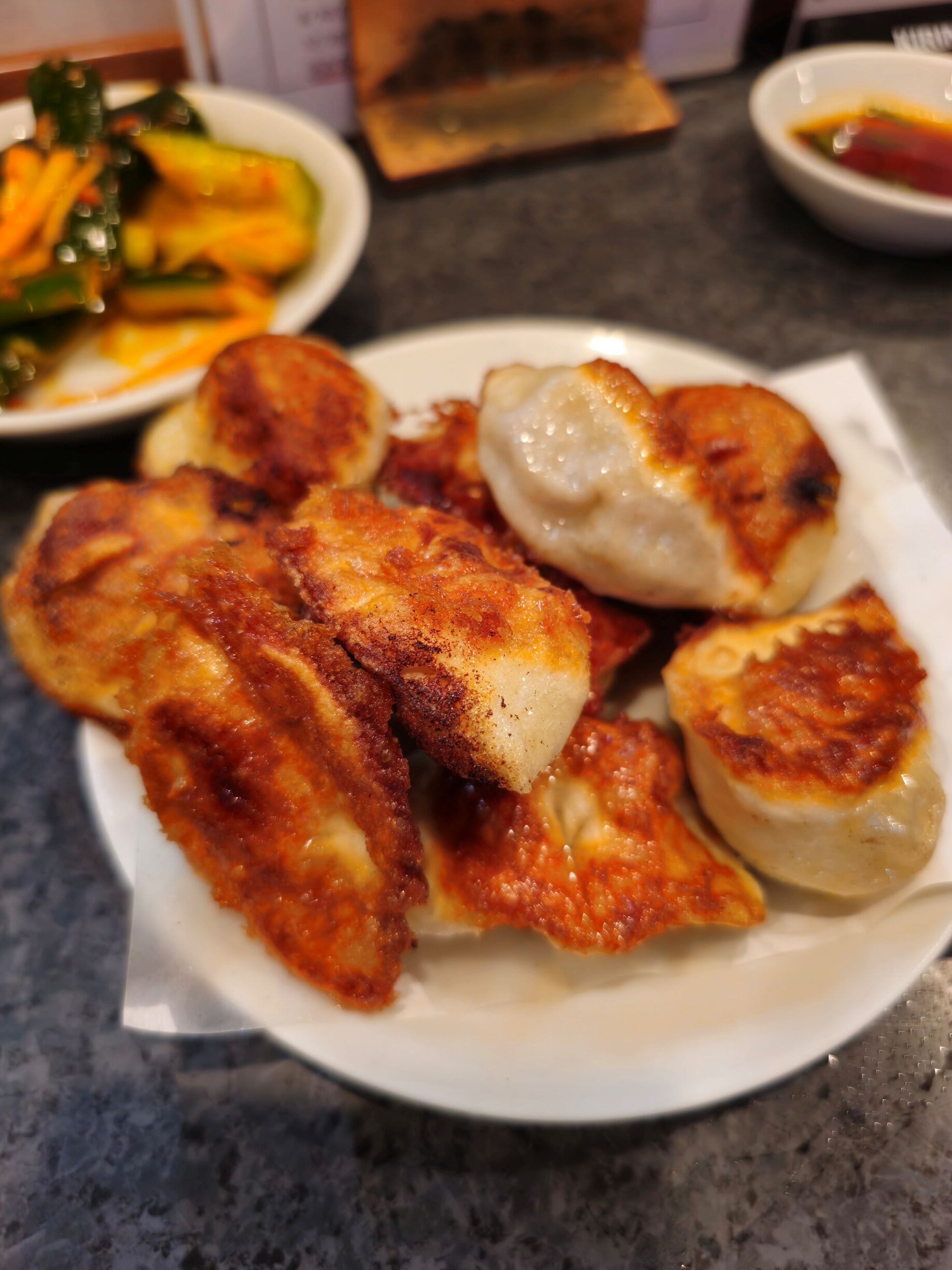
If you’re seeking an authentic gyoza experience in Tokyo, look no further than Gyoza no Mise Nihao (餃子の店 您好), a cozy gyoza specialty restaurant nestled in the Nishihara neighborhood of Shibuya. Since opening in 1982, Nihao has quietly built a loyal following, earning a solid reputation among locals, Japanese gourmands, and savvy tourists. It’s no surprise that it has been listed multiple times in Tabelog’s Top 100 Gyoza Restaurants, including in 2019, 2021, and 2024. With its no-frills approach, consistent quality, and soul-satisfying dumplings, Nihao proves that simplicity, done right, stands the test of time.
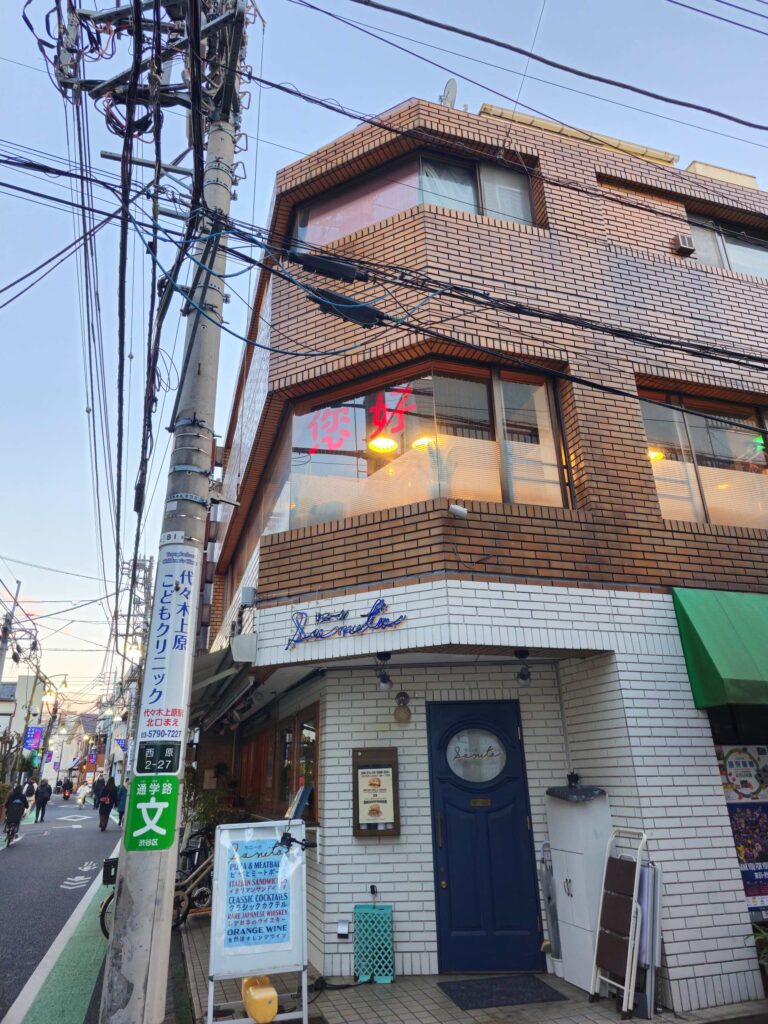
A Neighborhood Staple with Legendary Status
While Shibuya is often associated with neon lights, crowded crosswalks, and youth culture, Nihao offers a refreshing contrast. Located just a short walk from Hatagaya Station on the Keio New Line, the restaurant occupies the second floor of a quiet building, offering a peaceful refuge from the hustle of central Tokyo. You could easily miss it if not for the glowing reputation that precedes it. Despite its hidden location, those in the know make the journey regularly.
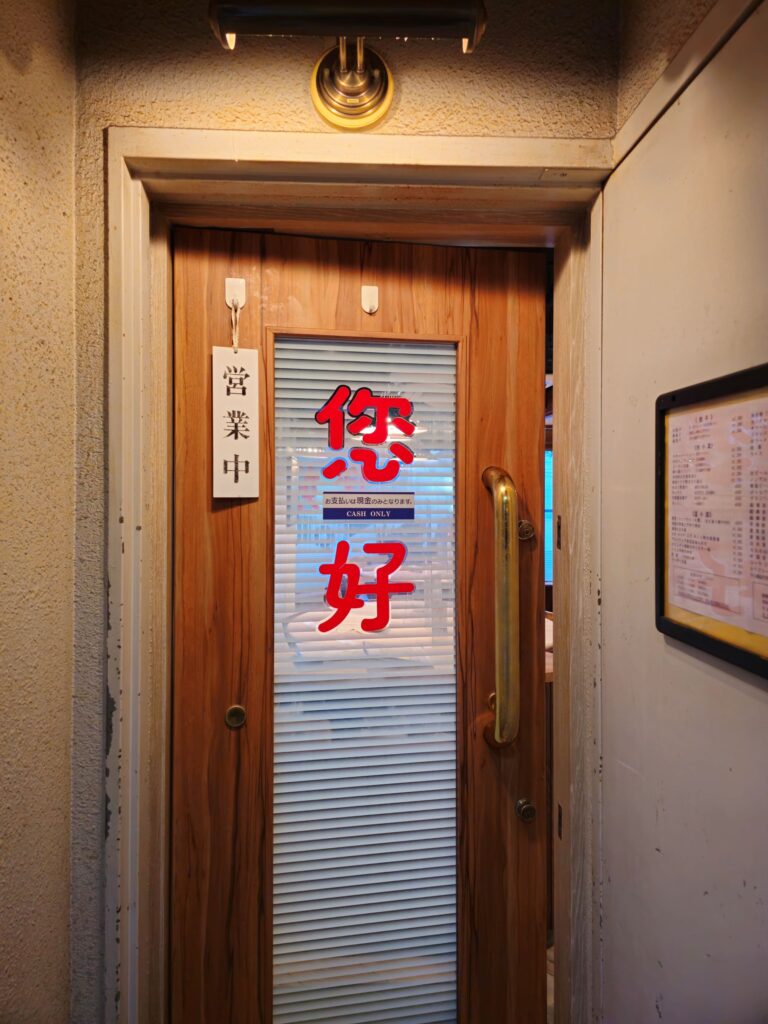
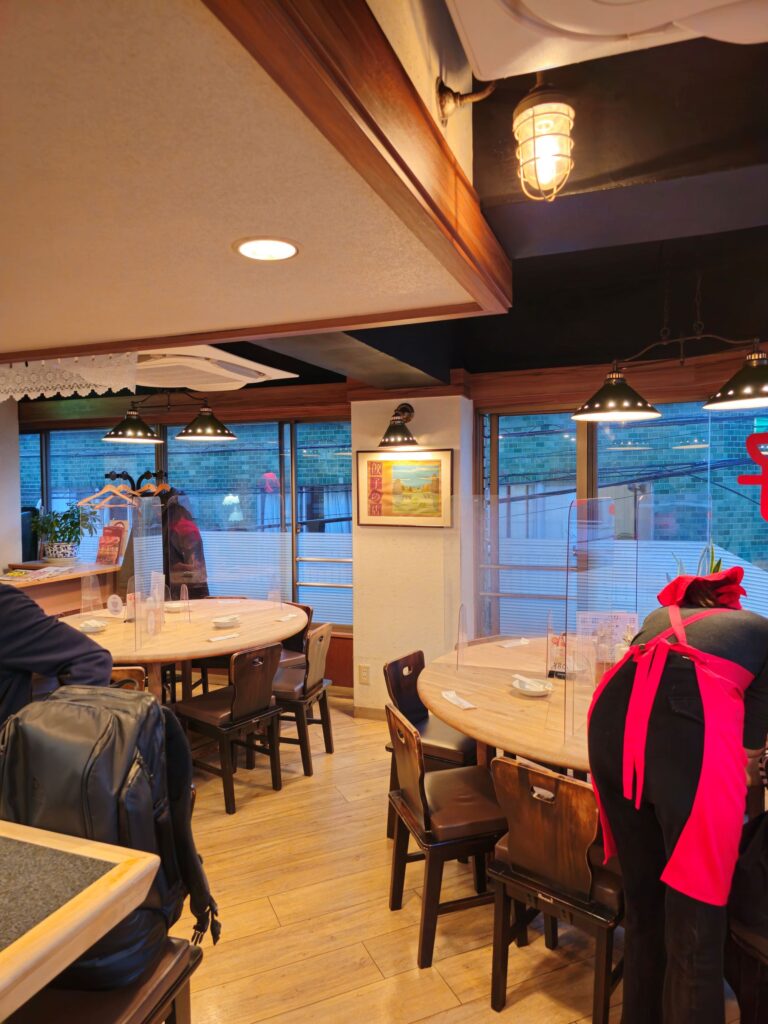
This is not a place that’s chasing Instagram fame or trying to reinvent tradition. Instead, Nihao embraces its role as a neighborhood go-to, where regulars return week after week for the same consistently delicious dumplings, cold beer, and welcoming atmosphere. With 34 seats split between counter and table options, it provides an intimate, relaxed space that feels authentically Japanese.
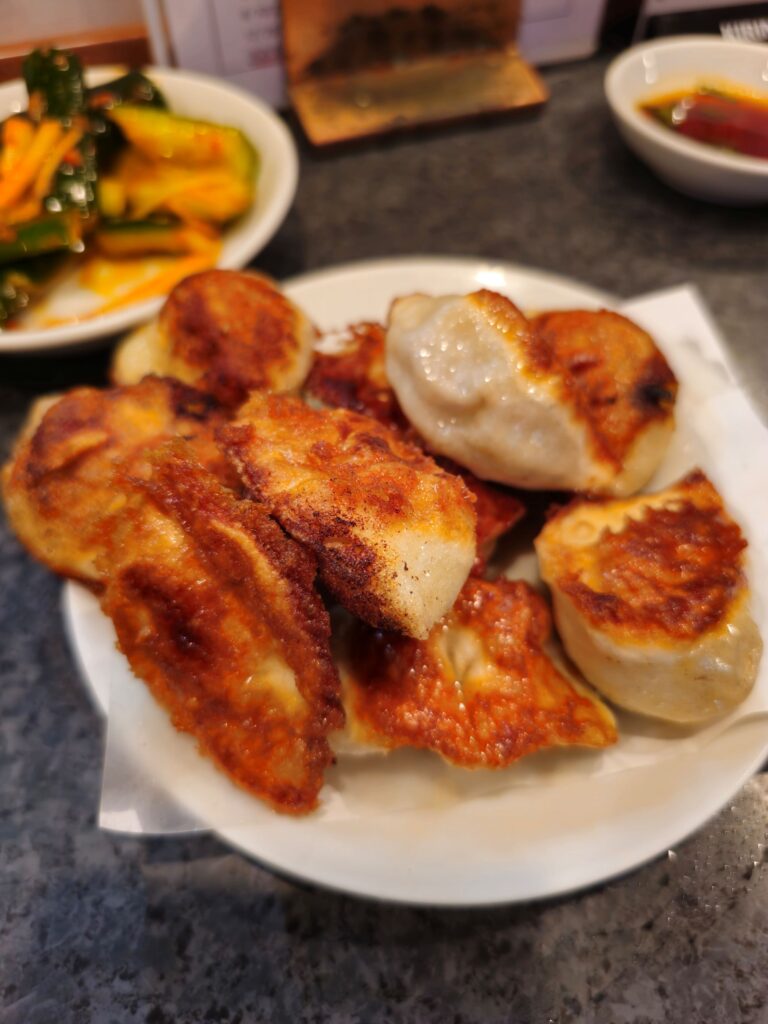
The Gyoza: Crispy, Juicy, and Incredibly Satisfying
At Nihao, gyoza is not a sidekick—it’s the star attraction. Their pan-fried gyoza are cooked to golden perfection, featuring a delightfully crisp bottom and soft upper wrapper that encases a juicy filling made from finely chopped pork, cabbage, garlic chives, and just the right amount of seasoning. Each bite delivers a satisfying crunch followed by a savory burst of umami-rich juices. It’s the kind of gyoza that needs no extra sauce, though the homemade dipping vinegar-soy combo on each table is a worthy enhancement.
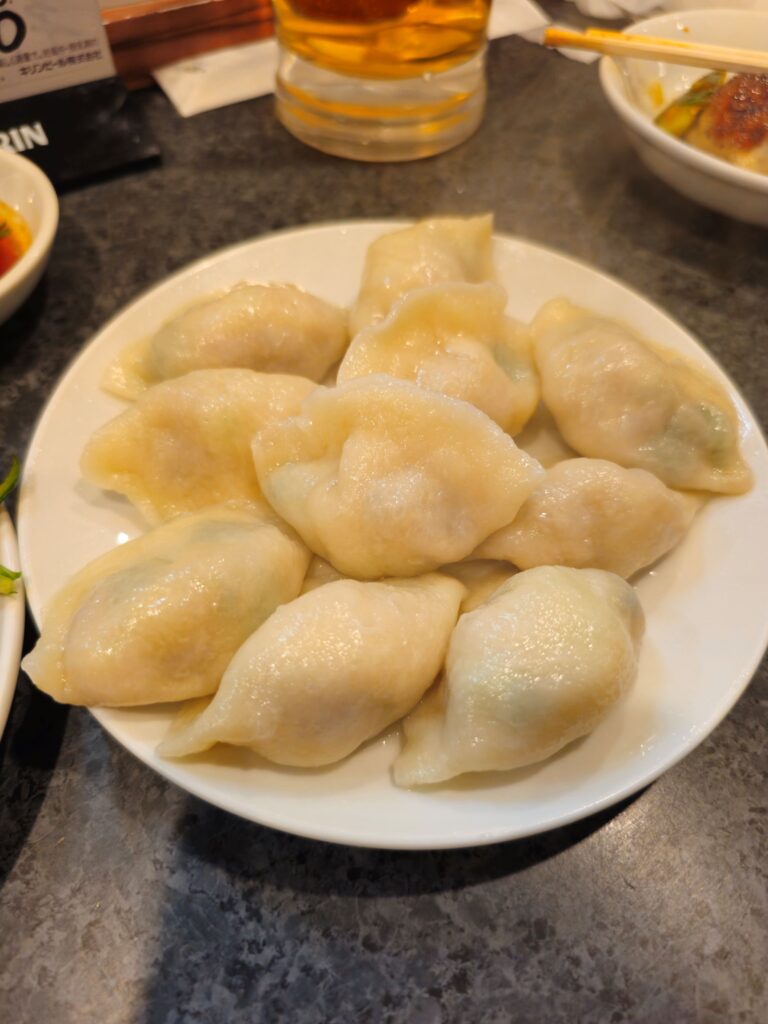
For those looking to explore further, the menu also features boiled gyoza, which are silky and tender, and deep-fried gyoza, which offer an added crunch without being greasy. All versions stay true to their Chinese-Japanese roots, offering rustic comfort with every bite. The dumplings are modest in size, allowing you to order multiple servings without overcommitting.
More Than Just Dumplings
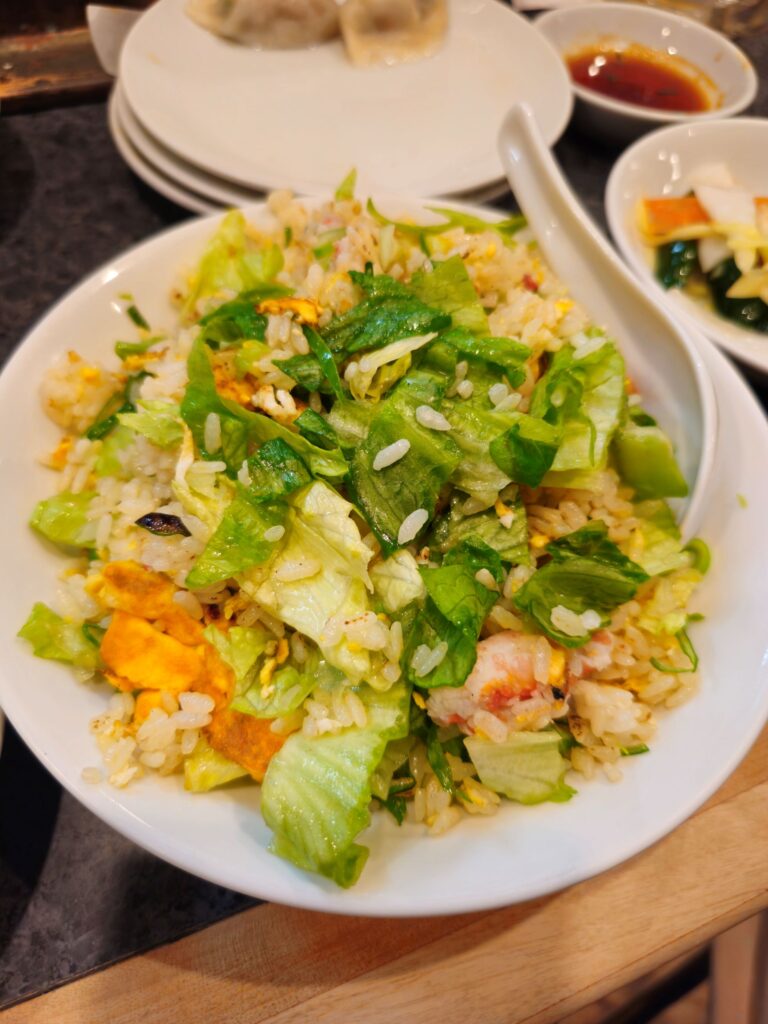
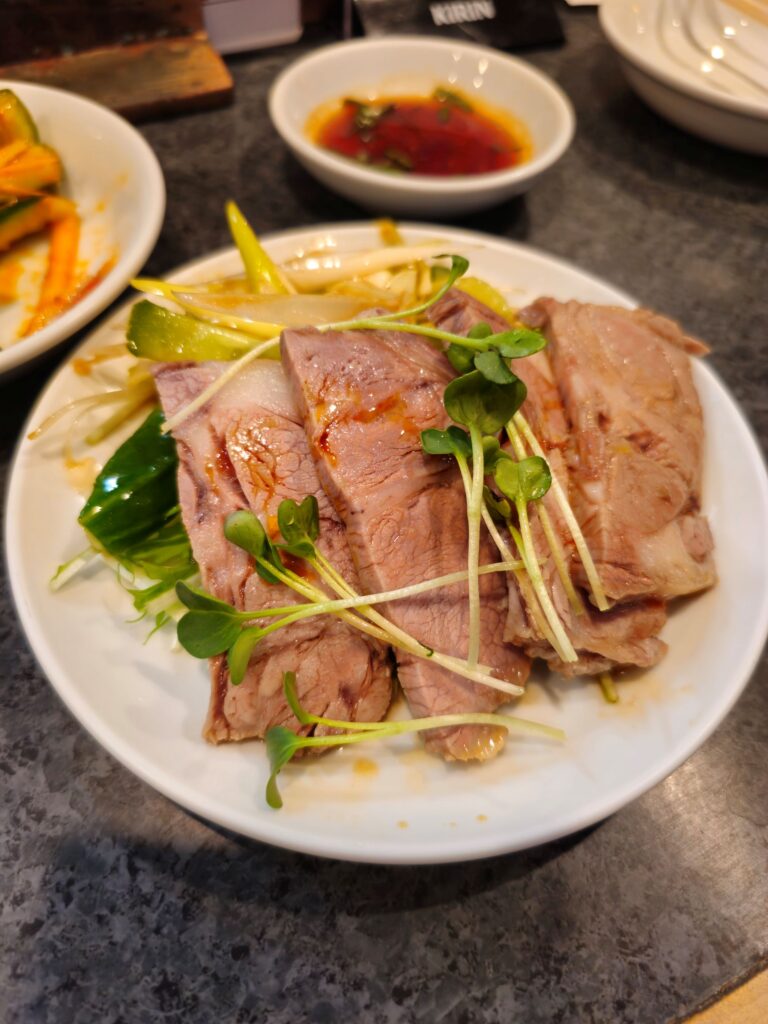
Though gyoza is undoubtedly the focus, Nihao also serves up a compact but satisfying selection of dishes that showcase the strength of traditional Chinese-Japanese cooking. On my visit, I ordered the jangyuk (Chinese-style braised pork slices), pan-fried dumplings, steamed dumplings, and their signature fried rice. Each dish stood out in its own way, thanks largely to the high-heat wok cooking that defines the kitchen’s style. The intense flames bring a smoky, almost charred depth—known as “wok hei”—that enhances the flavor of every bite.
The fried rice was particularly memorable: fluffy yet slightly crispy at the edges, with balanced seasoning and the unmistakable aroma of garlic and scallions. The jangyuk was tender and flavorful, sliced thinly and served with a rich soy-based sauce. Whether steamed or pan-fried, the dumplings were packed generously and cooked to perfection, reinforcing Nihao’s expertise beyond their signature gyoza.
Due to the restaurant’s growing popularity and relatively small seating capacity, it’s highly recommended to make a reservation in advance. Walk-ins may find themselves waiting or turned away, especially during peak dinner hours. Planning ahead ensures a smooth experience and secures your seat in one of Tokyo’s beloved local eateries.
of Chinese-inspired dishes to round out your meal. Their chahan (Japanese-style fried rice) is fragrant and fluffy, with flecks of scrambled egg and scallions. The mapo tofu leans more comforting than spicy, and their sweet-and-sour pork is a crowd favorite, balancing tangy sauce with tender meat.
These dishes are perfect for pairing and sharing, especially for diners who come with a group. However, solo diners will also feel completely at ease ordering a plate of gyoza, a bowl of rice, and a drink.
Drinks That Complete the Experience
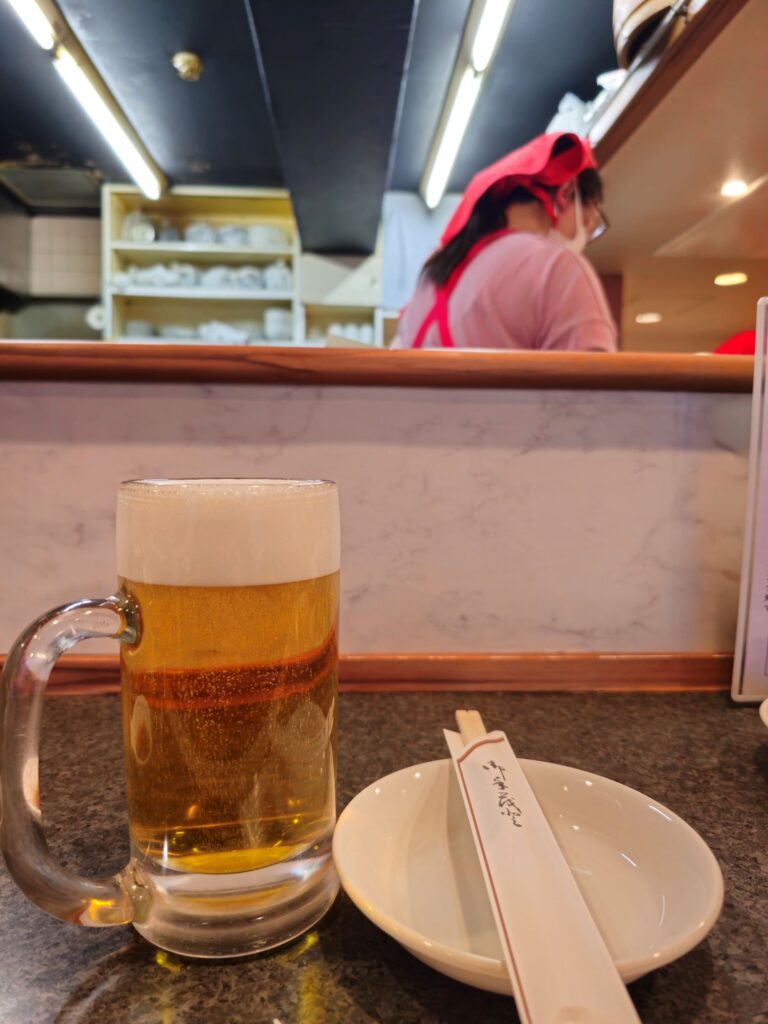
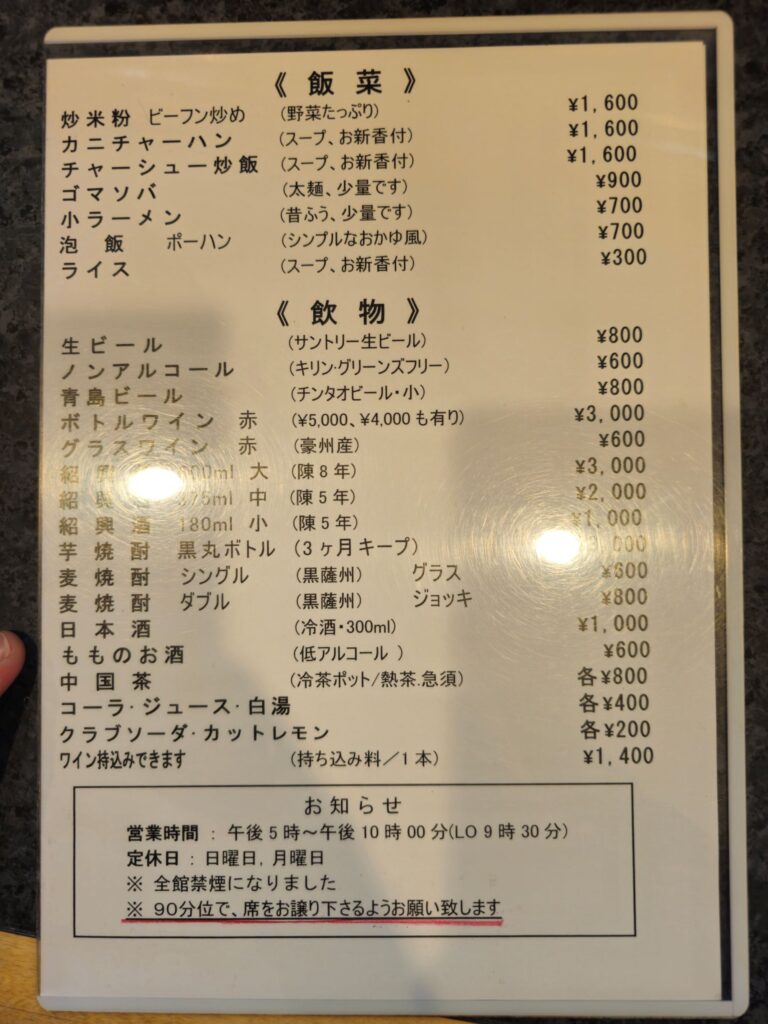
Nothing pairs with dumplings quite like a cold drink, and Nihao knows this well. Their drink menu includes a curated lineup of beverages to enhance your gyoza feast. You’ll find draft and bottled Japanese beer, highballs (whiskey and soda), and a well-selected variety of nihonshu (sake) and shochu, catering to both casual and seasoned drinkers.
For those who prefer something sweet and light, umeshu (plum wine) served on the rocks is a refreshing treat. The drink prices are reasonable, and the staff are more than happy to recommend the best pairings based on your order. This emphasis on harmony between food and drink elevates the meal beyond simple sustenance—it becomes a proper izakaya-style experience.
Warm, Efficient, and Local-Friendly
The service at Gyoza no Mise Nihao is prompt and genuine. Many of the staff members are long-timers who remember their regulars and treat new guests with the same warmth. Even if you don’t speak Japanese well, the staff make every effort to explain the menu kindly and clearly, using gestures or simple English where possible. Their accommodating nature ensures that even first-time foreign visitors feel comfortable and understood.
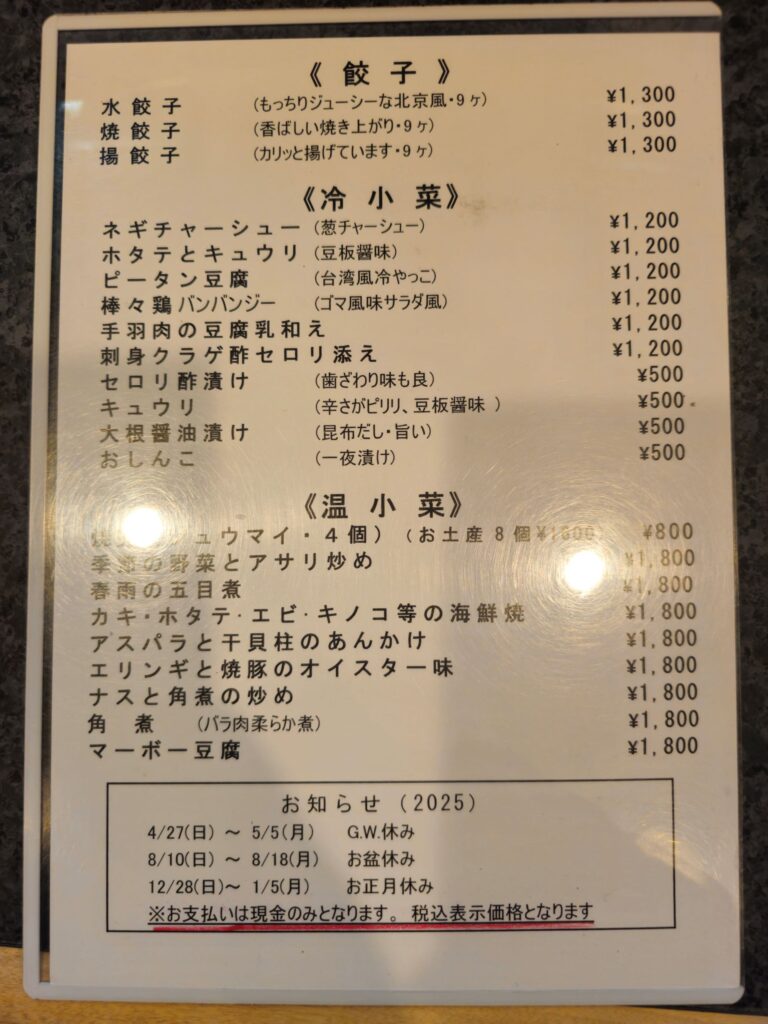
Ordering is straightforward thanks to the visual menus and QR code-based ordering system. Menu prices are clearly listed, with boiled dumplings and pan-fried dumplings each priced at around 1,300 yen per plate. With a few dumplings, a small dish, and a drink, you can expect to pay approximately 3,000 yen per person, which makes for an excellent-value dinner in Tokyo.
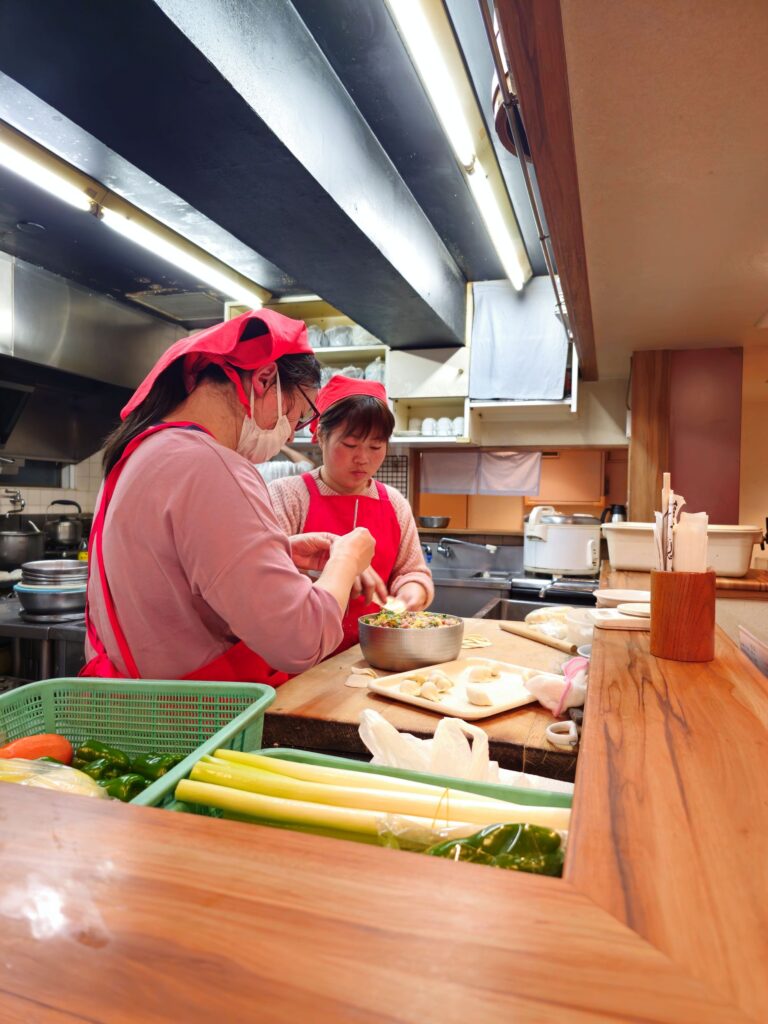
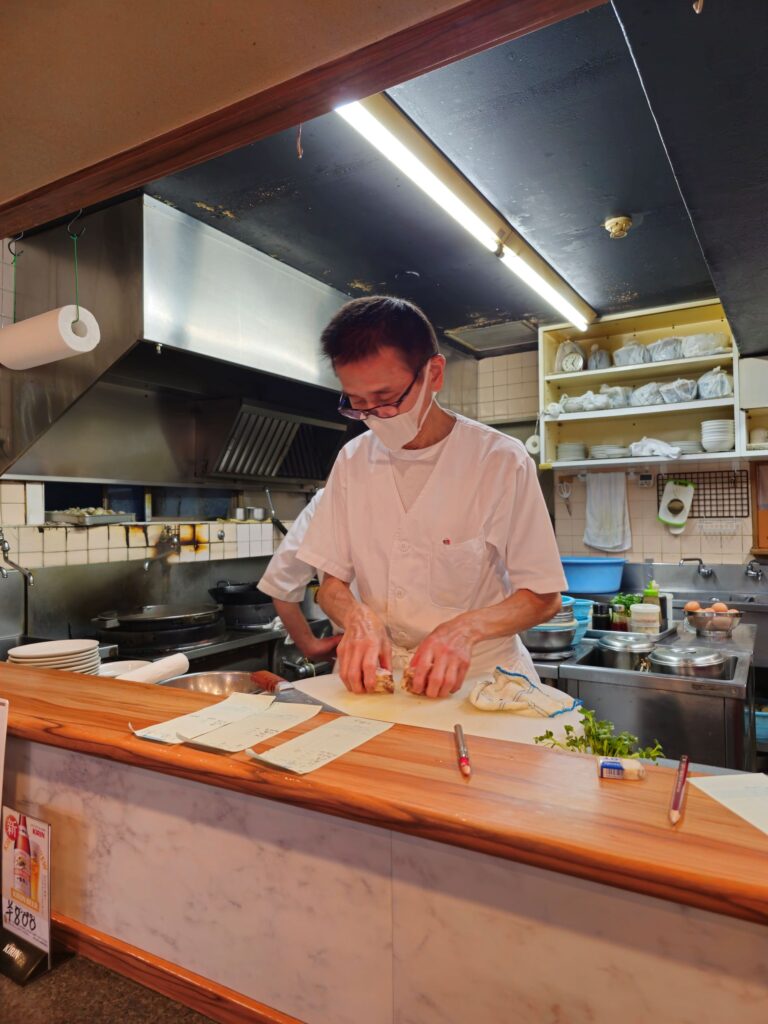
You can expect your food to arrive quickly, with minimal fuss. Whether you’re sitting at the counter watching the kitchen work its magic or sharing a table with friends, the atmosphere is low-key and comforting. It’s the kind of place that makes you feel like you’ve discovered a secret only the locals know about. Many of the staff members are long-timers who remember their regulars and treat new guests with the same warmth. While English is not widely spoken, the staff are accommodating, and ordering is straightforward thanks to the visual menus and QR code-based ordering system.
You can expect your food to arrive quickly, with minimal fuss. Whether you’re sitting at the counter watching the kitchen work its magic or sharing a table with friends, the atmosphere is low-key and comforting. It’s the kind of place that makes you feel like you’ve discovered a secret only the locals know about.
Ideal for Casual Dinners and Weeknight Cravings
Because of its relaxed vibe and consistent quality, Nihao is a great spot for a casual date night, an after-work dinner, or a quick solo meal. It hits that rare sweet spot between everyday accessibility and high culinary standards. The seating is comfortable, and the noise level remains moderate even when the restaurant is full.
Many Japanese patrons make a ritual out of stopping by once a week for their gyoza fix, often sitting at the counter with a beer and chatting with the staff. The familiarity, the perfectly browned dumplings, and the understated ambiance make Nihao feel like home—even if you’re just passing through.
Practical Information
- Name: Gyoza no Mise Nihao (餃子の店 您好)
- Address: 2-27-4 Nishihara, Shibuya-ku, Tokyo (2F, Matsumoto Tavern)
- Access: 3-minute walk from Hatagaya Station (Keio New Line)
- Phone: +81 3-3465-0747
- Opening Hours: Tuesday to Saturday, 5:00 PM – 10:00 PM (Last Order: 9:30 PM)
- Closed: Sundays and Mondays
- Seating: 34 seats (Counter: 9, Tables: 25)
- Smoking: Non-smoking (smoking permitted outside)
- Payment: Accepts credit cards (VISA, Master, JCB, AMEX), transit cards (Suica), and QR payments
Via Inn Shinjuku Review: Tokyo Hotel
Tonkatsu Tonki in Tokyo: A Timeless Taste of Japanese Craftsmanship
The fried rice and jangyuk sound absolutely mouthwatering—I can almost taste the garlic and scallions from your description! The way you describe the dumplings makes me want to book a table right away. It’s so refreshing to hear about a place where the service is genuine and welcoming, especially for foreign visitors like me. I’m curious, though—what would you recommend for a first-time visitor to try first? The atmosphere sounds so cozy, like the kind of place where you could spend hours chatting and eating without even noticing the time. Do you think Nihao’s popularity with locals ever makes it hard to get a table? Also, how do you think it compares to other gyoza spots in the area? I’d love to hear your thoughts!
Thank you for such a warm and thoughtful message—I’m so glad the description sparked your appetite!
If you’re visiting Nihao (您好) for the first time, I’d recommend starting with the pan-fried dumplings (군만두) and jangyuk (장육, soy-braised pork slices). The dumplings are seared to a perfect golden crisp while remaining juicy inside—packed with umami from finely chopped pork, garlic, and scallions. Pairing those with the jangyuk, which is melt-in-your-mouth tender and flavorful without being greasy, gives you a great contrast of texture and flavor. If you’re feeling a bit hungrier, their fried rice (볶음밥) is also a must—wok-tossed over high heat, it’s smoky, savory, and satisfying.
As for the atmosphere, you’re absolutely right—it feels very homey and unfussy. Locals often chat over a drink and linger, which makes it feel like a well-loved neighborhood spot rather than a tourist hotspot. That said, because it’s so popular (especially at dinner time or on weekends), it can be hard to get a table without a reservation. I definitely recommend calling ahead or arriving early, especially if you’re in a group.
Compared to other gyoza places in Shibuya, Nihao stands out for two reasons:
1. Its powerful wok cooking—the flavors are bolder and more intense than at chains or trendier dumpling shops.
2. Its approachable, local vibe—it’s not polished or flashy, but the staff are incredibly kind, even if you don’t speak Japanese. They often explain the menu and suggest combinations, which is reassuring for foreign visitors.
Let me know if you’d like me to share directions or help you book a table—I’d be happy to!