
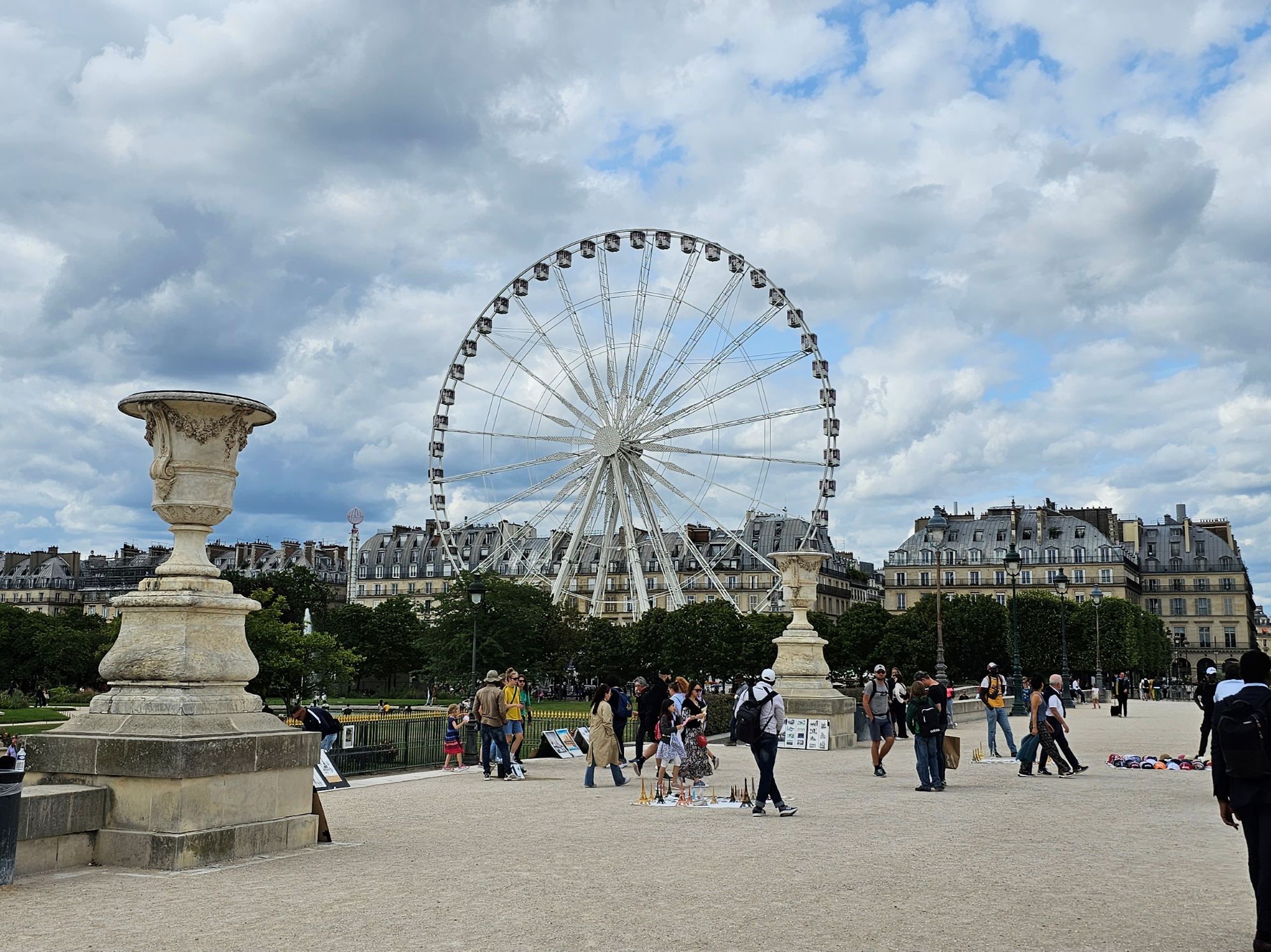
The Tuileries Garden (Jardin des Tuileries) is more than just a public park—it’s a living testament to French history, artistry, and Parisian refinement. Nestled between the Louvre Museum and Place de la Concorde, the garden provides a verdant respite from the bustling streets of central Paris. Whether you’re enjoying a quiet stroll, people-watching by the iconic fountains, or taking in the beauty of classical sculptures under the open sky, Tuileries Garden offers a sensory escape through centuries of royal heritage and public transformation.
Origins and Royal Transformation
The Tuileries Garden owes its name to the tile factories (tuileries) that originally occupied the land in the late Middle Ages. In 1564, Queen Catherine de’ Medici, the widow of King Henry II, commissioned the construction of the Tuileries Palace as her royal residence and ordered the creation of an Italian-style garden to accompany it. Designed by Bernard de Carnesse, the garden reflected the grandeur and formal layout typical of the Renaissance gardens of the period.
However, Tuileries Garden underwent a significant transformation in 1664 under the direction of André Le Nôtre, the celebrated landscape architect behind the Gardens of Versailles. Le Nôtre redesigned the garden in the French formal style, characterized by symmetrical paths, geometric flowerbeds, and elegant reflecting pools. This transformation firmly established Tuileries Garden as a model of classical French landscape design, setting the tone for royal gardens throughout Europe.
Over the years, Tuileries Garden played a central role in France’s political and social history. It became a public park during the French Revolution, opening its gates to common citizens for the first time. Although the Tuileries Palace itself was destroyed during the Paris Commune in 1871, the garden was preserved and maintained as a public space.
Art, Sculpture, and Layout
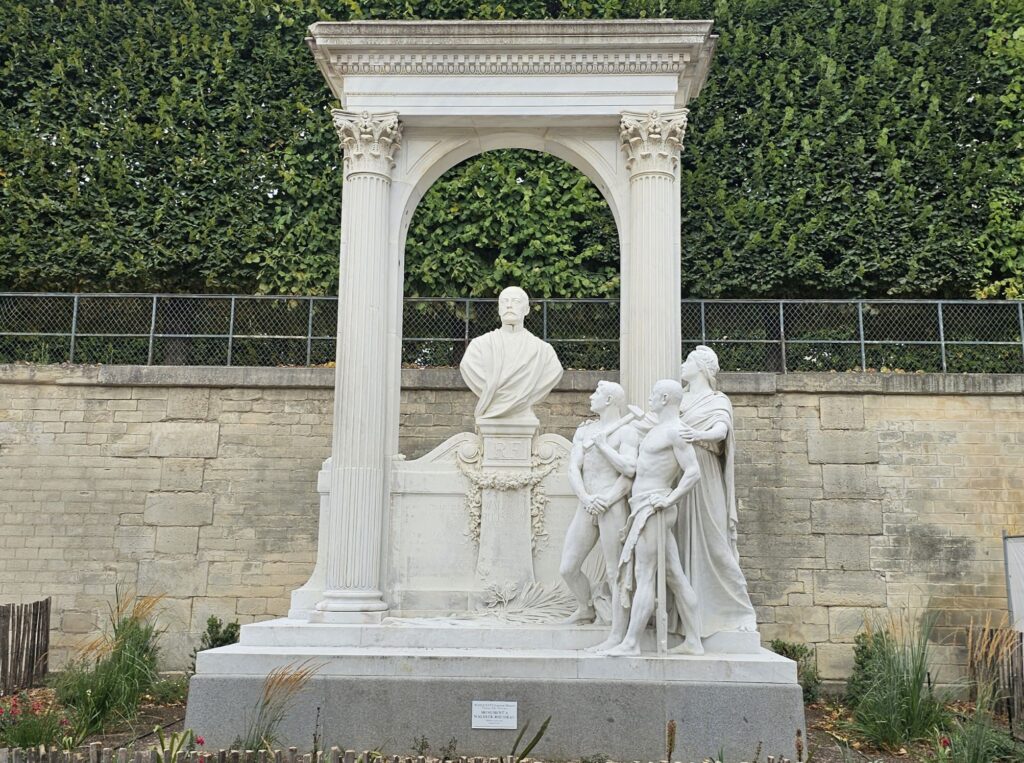
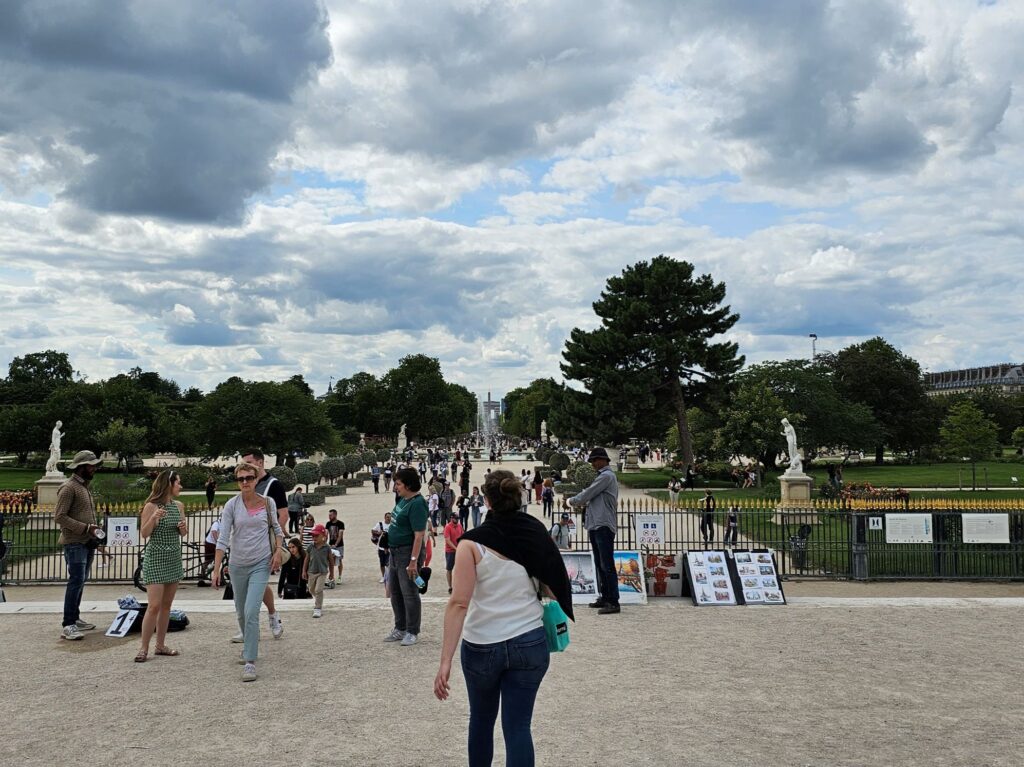
Tuileries Garden is not just a place for relaxation; it’s an open-air museum filled with remarkable sculptures by renowned artists such as Aristide Maillol, Auguste Rodin, and Jean Dubuffet. Classical statues line the gravel walkways, while modern art installations occasionally bring a contemporary flair to the historical setting. The two main basins, surrounded by green metal chairs, invite visitors to pause and soak in the elegant atmosphere, with people often lounging around with a book or enjoying impromptu sketches of the picturesque surroundings.
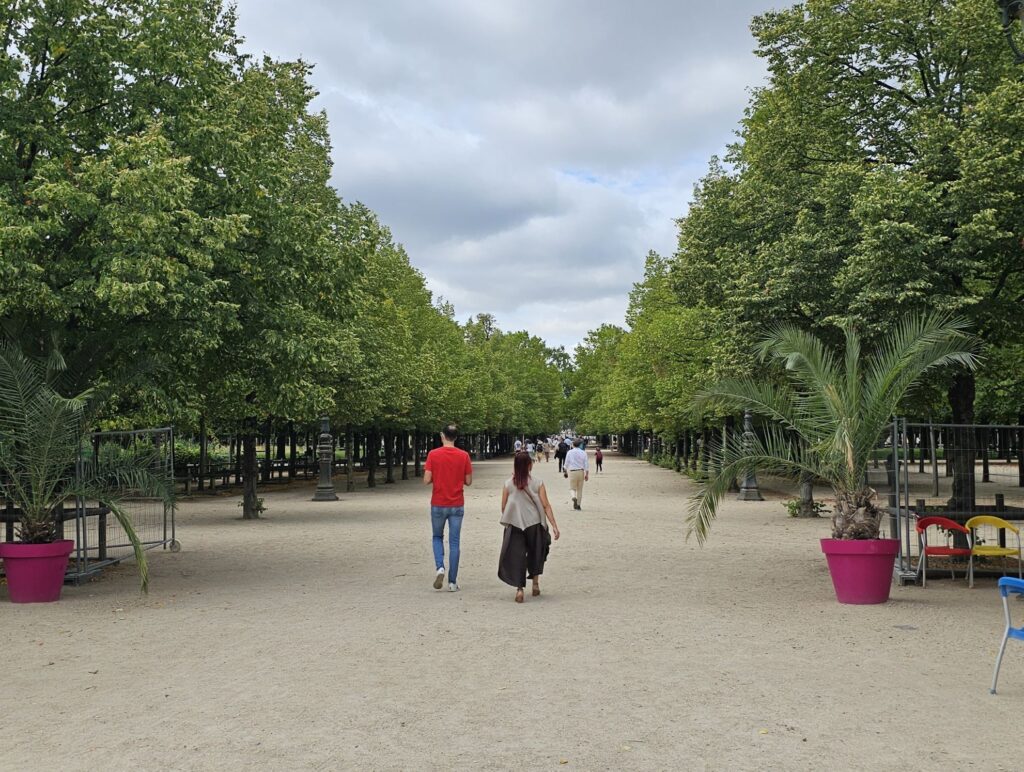
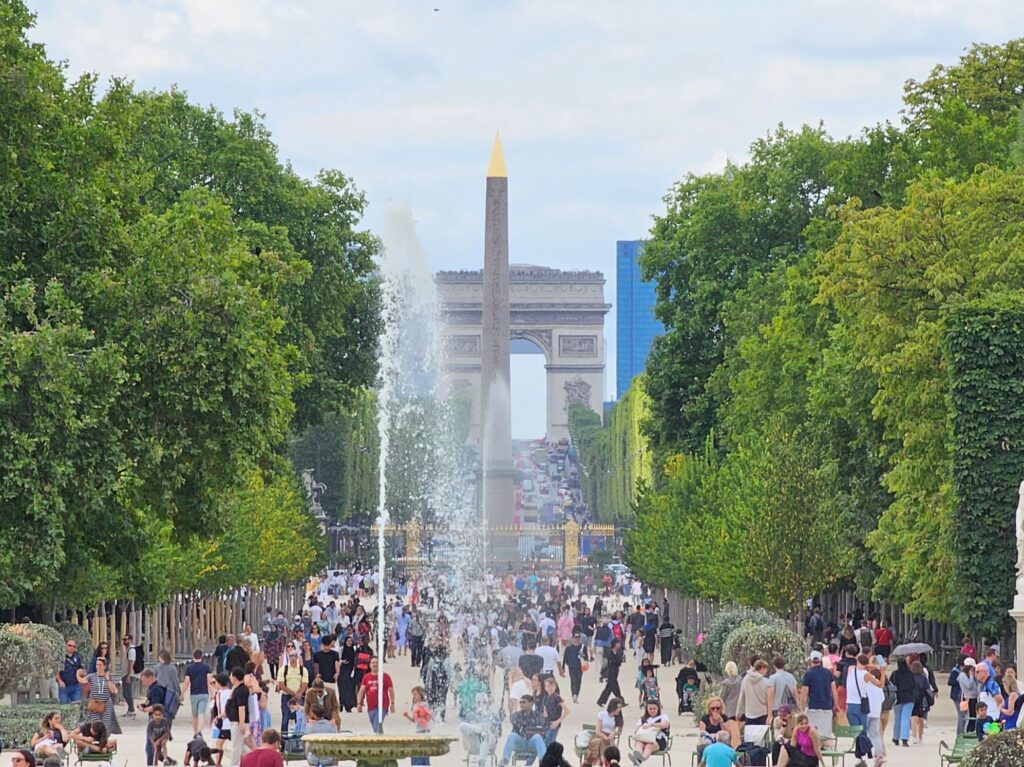
Strolling through the central axis from the Louvre toward Place de la Concorde reveals the garden’s symmetrical structure, anchored by avenues of chestnut and plane trees. The pathways are lined with boxwood hedges and seasonal floral arrangements that change throughout the year, enhancing the park’s visual charm. The Orangerie Museum (Musée de l’Orangerie), located at the southwestern corner, is home to Monet’s famous “Water Lilies” series and offers a peaceful indoor counterpoint to the outdoor splendor of the garden.
A Gathering Place for All
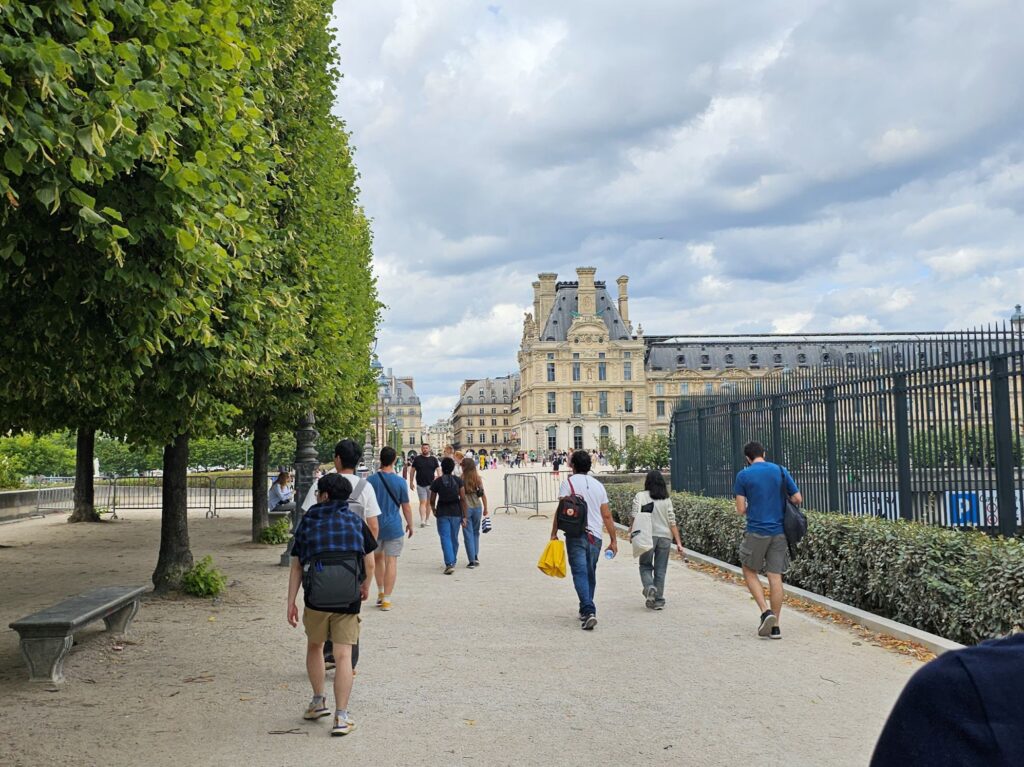
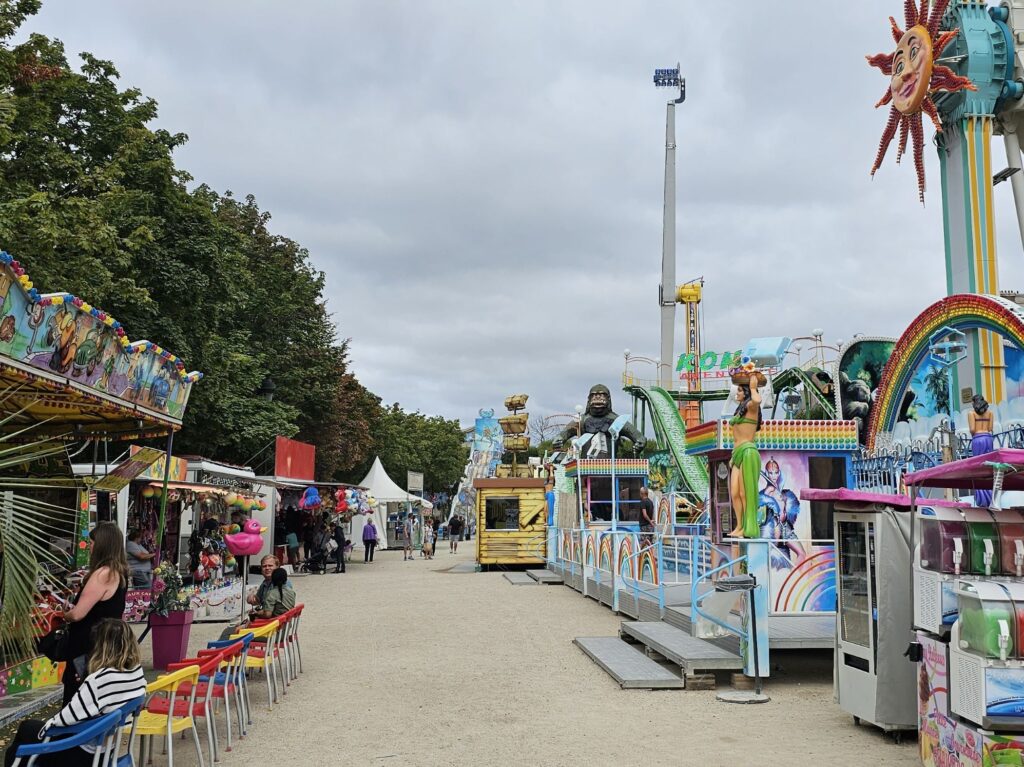
Today, Tuileries Garden is a democratic space enjoyed by locals and tourists alike. Families gather by the fountains, schoolchildren play in the open lawns, and couples enjoy romantic walks under the canopies of manicured trees. Tuileries Garden also features a children’s play area equipped with classic amusement rides, including carousels and small carnival games, making it a favorite spot for families with young children.
The joyful sounds of children’s laughter blend harmoniously with the rustling leaves and classical music often played by street performers. The park’s unique mix of grandeur and accessibility makes it a truly inclusive space. It is common to see artists capturing the scenery on canvas, groups of friends relaxing with snacks and drinks, and solo visitors finding peace in one of the many shaded alcoves.
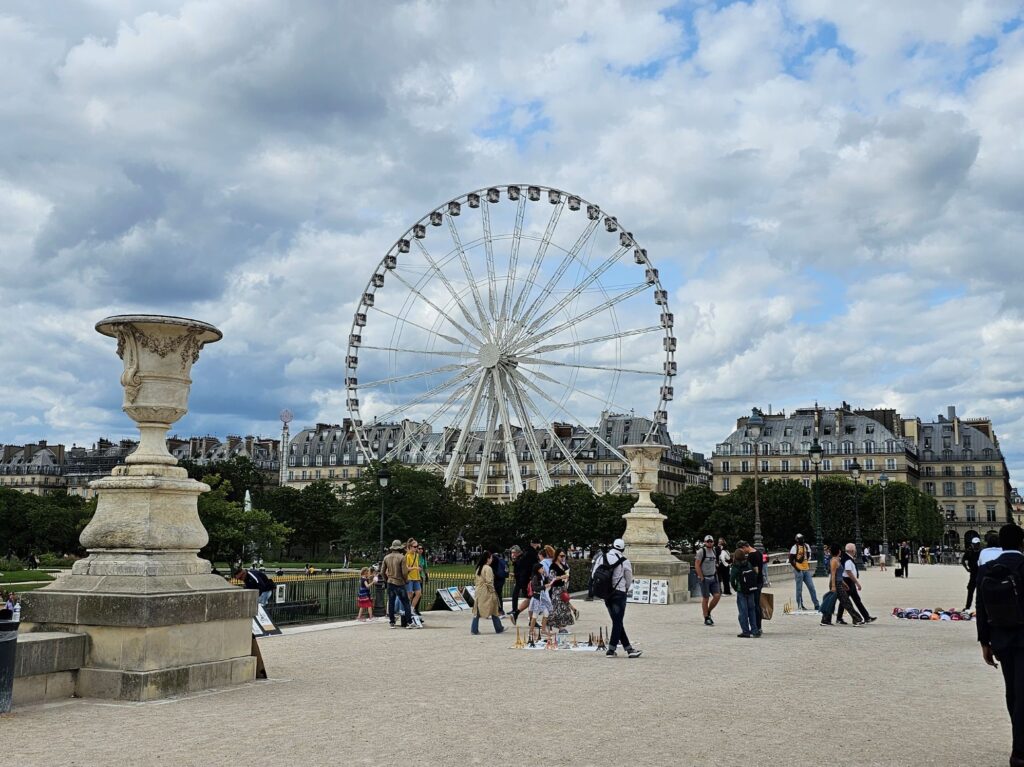
Seasonal events, such as the summer funfair with its iconic Ferris wheel, bring additional vibrancy to the space. In winter, pop-up holiday markets sometimes line the pathways, adding festive cheer. On sunny afternoons, the garden fills with people reading, sketching, or enjoying impromptu picnics—each person adding to the mosaic of Parisian life that Tuileries Garden so gracefully encapsulates.
Nearby Attractions
One of the greatest advantages of visiting the Tuileries Garden is its strategic location at the heart of Paris. The garden is bordered by several of the city’s most iconic cultural institutions. Just a few steps to the east lies the Louvre Museum, home to the Mona Lisa and countless masterpieces. To the west, the Place de la Concorde opens up toward the Champs-Élysées and the Arc de Triomphe.
Adjacent to the southwestern corner of Tuileries Garden is the Orangerie Museum, renowned for its collection of Impressionist and Post-Impressionist works. A short walk across the Seine River leads to the Musée d’Orsay, housed in a former railway station and known for its exceptional collection of 19th-century art. Further along the river lies the Musée Rodin, where visitors can explore more of Paris’s sculptural heritage.
Tuileries Garden also offers access to the Seine’s quays, inviting a scenic riverside walk. Whether you’re heading toward the Pont Alexandre III, admiring the Eiffel Tower from a distance, or simply watching boats drift along the water, the proximity of the Tuileries to the Seine makes for a fluid and connected sightseeing experience. Altogether, this area forms a cultural corridor perfect for art lovers and casual explorers alike.
Visitor Tips and Recommendations
To fully appreciate the Tuileries Garden, consider visiting early in the morning or during golden hour before sunset, when the light casts a magical glow across the lawns and fountains. Entry is free, and the park is well-maintained throughout the year. Pack a book, bring a snack, or simply sit by the basin with a café crème in hand.
Photography enthusiasts will enjoy capturing the harmonious blend of architecture, sculpture, and seasonal flowers, while history lovers can imagine the royal processions and revolutionary gatherings that once filled these grounds. If you’re traveling with children, the play areas and seasonal fairs offer a delightful way to entertain younger visitors.
Consider combining your visit with a stop at one of the nearby cafés or patisseries along Rue de Rivoli, where you can sample French pastries or sip a glass of wine with a garden view. The garden’s accessibility and central location make it easy to integrate into a larger Paris itinerary, whether for a few hours of peace or a full day of exploration.
Practical Information
- Location: Place de la Concorde to Rue de Rivoli, 75001 Paris, France
- Opening Hours: Daily, from 7:00 AM to 9:00 PM (varies by season)
- Admission: Free
- Nearby Attractions: Louvre Museum, Musée de l’Orangerie, Musée d’Orsay, Place de la Concorde, Champs-Élysées, Seine River
- Public Transport: Metro lines 1, 8, and 12 (Concorde or Tuileries stations)
Why Consider the Paris Museum Pass?
Exploring the Austrian Parliament Building in Vienna: A Symbol of Democracy and Classical Elegance