

The Vatican Museums (Musei Vaticani) are not just museums — they are a living narrative of humankind’s search for beauty, truth, and divine meaning. Located within Vatican City, an independent enclave inside Rome, this colossal complex holds one of the world’s most extensive and breathtaking collections of art. Walking through its endless galleries feels like traversing the very soul of Western civilization — from the ideals of classical antiquity to the spiritual heights of the Renaissance.
When I visited, I entered early in the morning through the monumental gates on Viale Vaticano. The air was crisp, the line already long, and the anticipation tangible. As soon as I stepped inside, I was struck by the sheer grandeur — marble corridors glowing in the morning light, ceilings painted like celestial tapestries, and the hum of hundreds of visitors moving reverently through history.
The Birth of the Vatican Museums
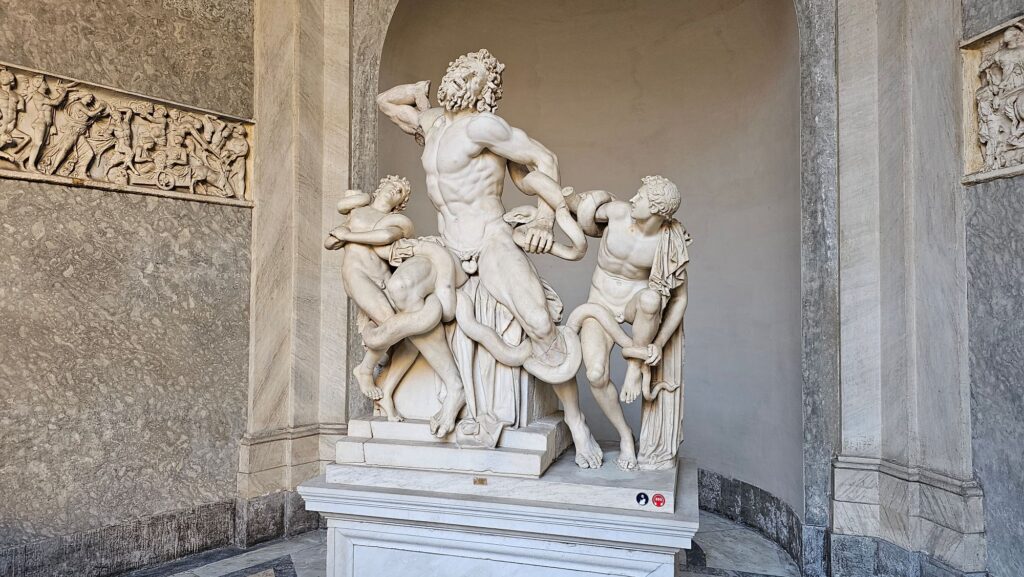
The origins of the Vatican Museums go back more than 500 years, to 1506, when Pope Julius II acquired the ancient sculpture Laocoön and His Sons. This dramatic work, unearthed in a vineyard near the Baths of Titus, so impressed the Pope that he ordered it to be displayed publicly — effectively laying the foundation for what would become the Vatican Museums. Over time, successive popes — particularly during the Renaissance and Baroque eras — expanded the collections, acquiring treasures from across the world.
Today, the museums contain around 70,000 artworks, of which approximately 20,000 are on display, spanning ancient Egyptian mummies, Etruscan pottery, Roman sculpture, medieval icons, Renaissance paintings, and even modern art by Van Gogh and Matisse. Each piece tells a story of faith, intellect, and human endeavor.
Walking through these halls, you quickly realize that the Vatican Museums were never intended as ordinary museums. They were — and still are — an act of devotion. Every corridor, every sculpture, every brushstroke serves a higher purpose: to express the beauty of creation and the glory of God through art.
A Labyrinth of Art and Architecture
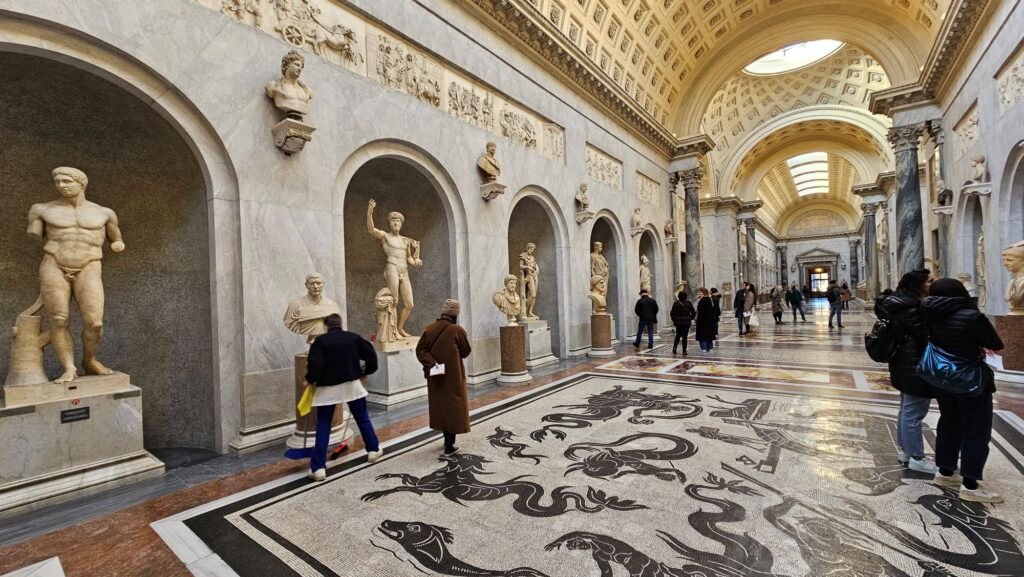
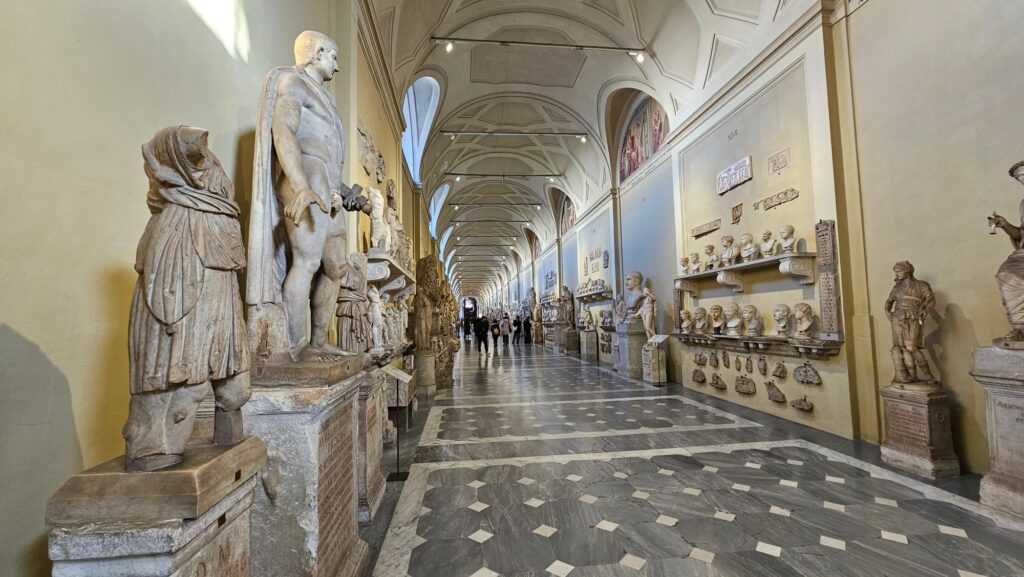
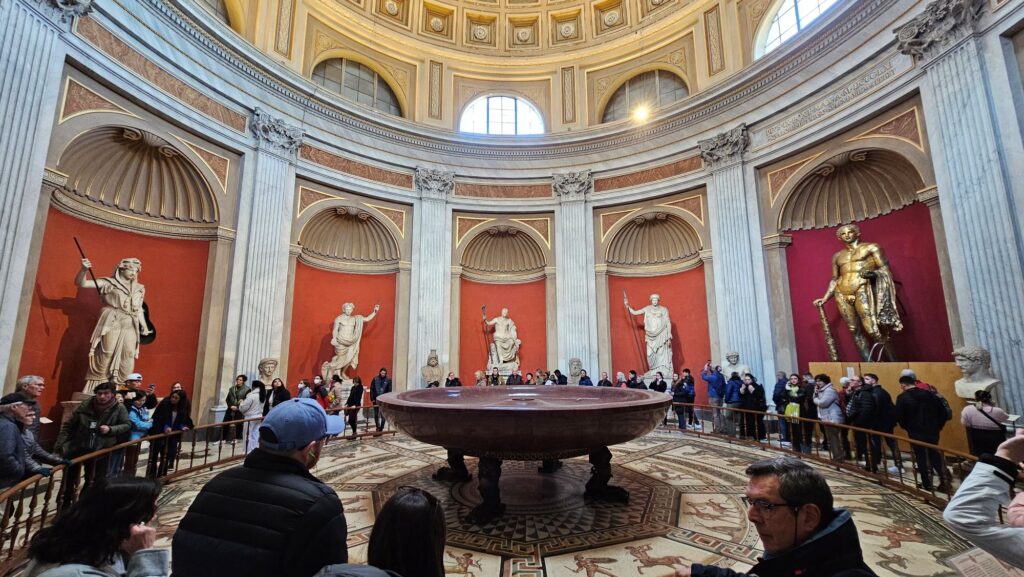
The Vatican Museums are not a single building but a network of interwoven palaces and galleries stretching nearly 7 kilometers (4 miles). It’s easy to get lost — both physically and emotionally — in their magnificence. But that is part of the magic.
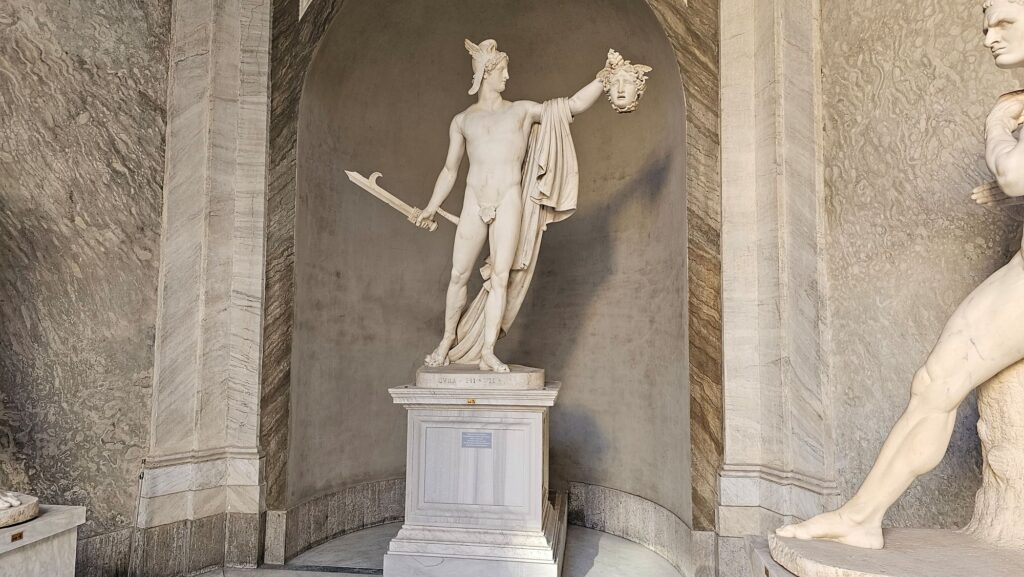
One of the first highlights I encountered was the Pio-Clementino Museum, home to some of the most celebrated sculptures of classical antiquity. Here, marble figures of gods and heroes — Apollo Belvedere, Laocoön and His Sons, Belvedere Torso — stand as silent witnesses to ancient Greece’s ideals of beauty and proportion. Their stillness contrasts beautifully with the lively hum of modern visitors, and I found myself pausing before Laocoön, mesmerized by the twisting bodies and expressions of agony carved over 2,000 years ago.
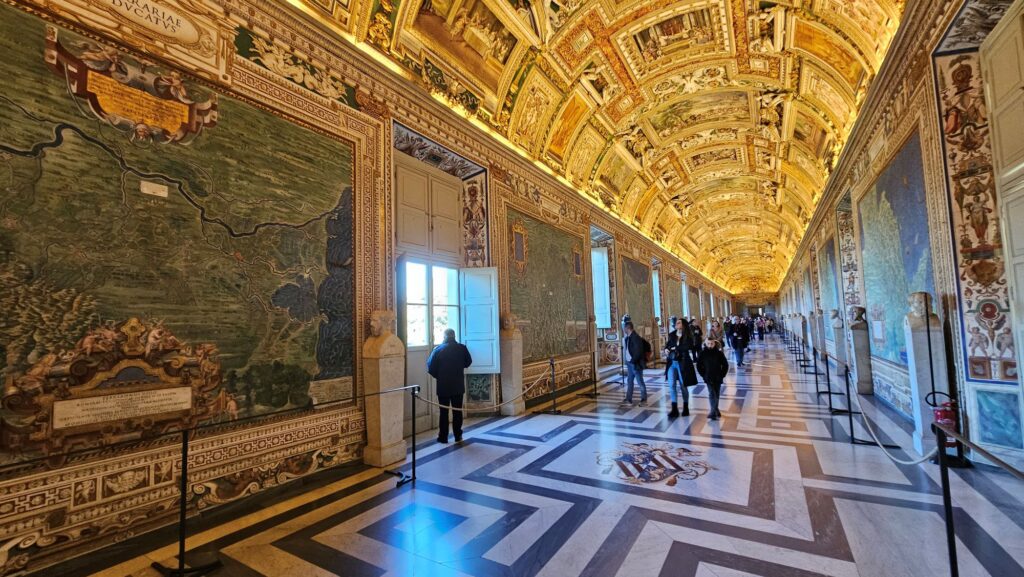
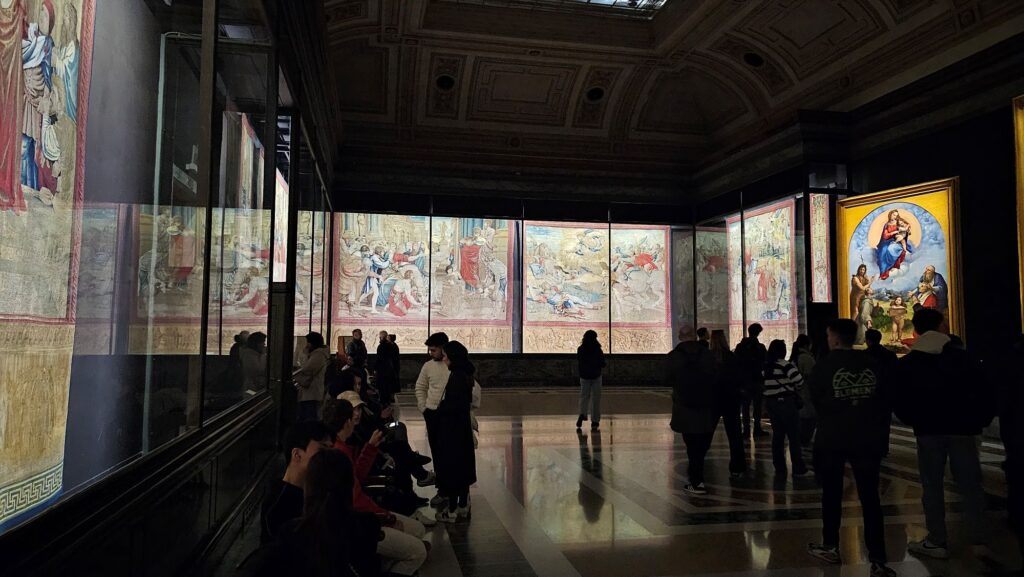
From there, I followed the grand route toward the Gallery of Tapestries and then the Gallery of Maps — one of my favorite parts of the museum. This long, luminous corridor is lined with giant frescoed maps of Italy, commissioned by Pope Gregory XIII in the 16th century. Each map depicts a region of Italy in exquisite detail, painted with vivid greens, blues, and golds. Overhead, the ceiling bursts with Baroque decoration — angels, vines, and scrolls in endless motion. The experience of walking through the gallery feels almost cinematic; you move through geography and time simultaneously.
The Raphael Rooms: The Genius of Harmony
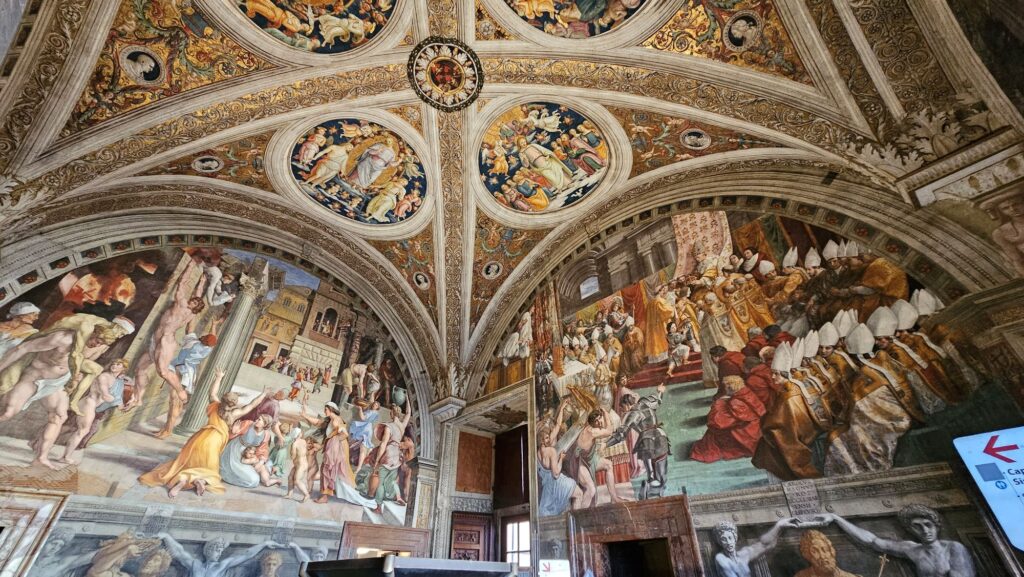
Few rooms in the world radiate intellectual and artistic harmony like the Raphael Rooms (Stanze di Raffaello). Created between 1508 and 1524 under Pope Julius II and his successor Leo X, these four chambers were once part of the papal apartments.
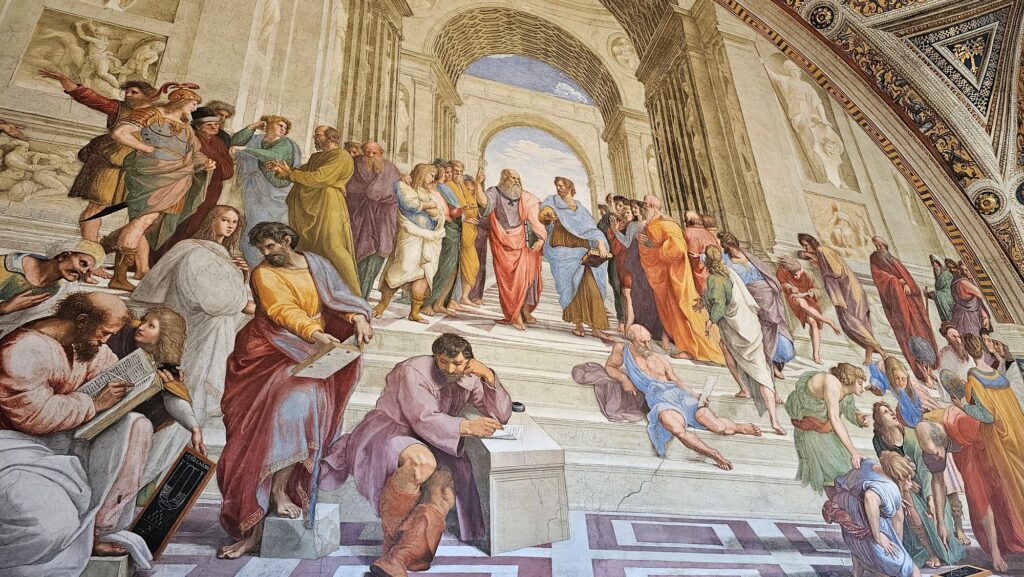
The most famous of these frescoes is The School of Athens, where philosophers of antiquity — Plato, Aristotle, Socrates, and others — are depicted in animated debate beneath an imagined classical dome. Raphael infused every figure with personality and motion, turning philosophy into visual poetry. When I stood before it, I was captivated by the balance of composition — the symmetry, the architectural depth, the serene dialogue between faith and reason.
Other frescoes in the adjacent rooms celebrate theology, law, and poetry — the pillars of human knowledge as understood during the Renaissance. Raphael’s work reflects the humanist spirit of his age: a belief that divine wisdom and human intellect can coexist beautifully.
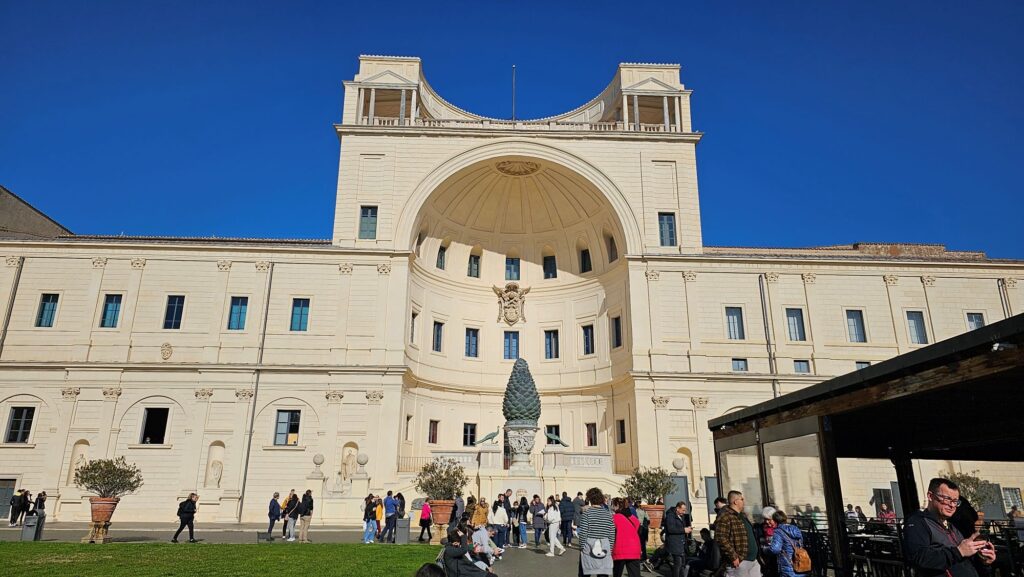
The Sistine Chapel: The Heart of the Vatican
The journey through the Vatican Museums culminates in the Sistine Chapel, one of the most sacred and celebrated artistic spaces in the world. Here, under the quiet gaze of guards enforcing silence, thousands of visitors tilt their heads upward — and are instantly humbled.
Painted by Michelangelo Buonarroti between 1508 and 1512, the Sistine Chapel ceiling is a masterpiece beyond measure. It portrays scenes from the Book of Genesis, including the iconic Creation of Adam, where God’s outstretched hand nearly touches that of man — a moment frozen in eternal tension. The ceiling is alive with color and motion: prophets twist, angels soar, and draperies ripple in unseen wind.
Years later, Michelangelo returned to paint The Last Judgment (1536–1541) on the altar wall. This monumental fresco captures the drama of salvation and damnation — Christ at the center, saints and sinners swirling around him in cosmic movement. Standing beneath it, I could feel the power of the artist’s faith and torment. The silence of the chapel seemed to deepen the impact; every breath felt sacred.
No photographs are allowed, which I appreciated — it forces visitors to be present, to absorb the experience directly rather than through a lens. I remember feeling overwhelmed, small yet profoundly moved. It was less a museum visit than a spiritual encounter.
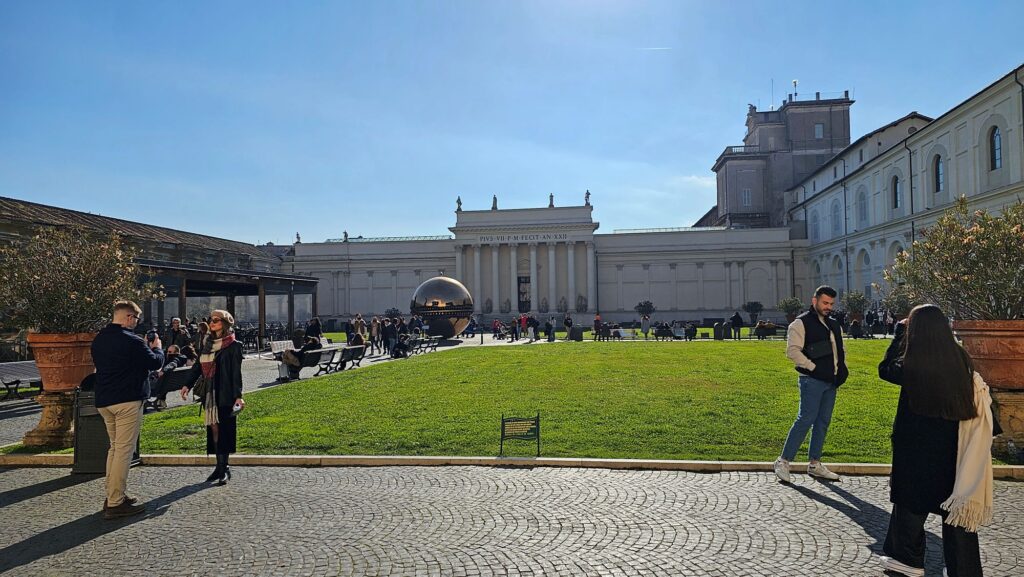
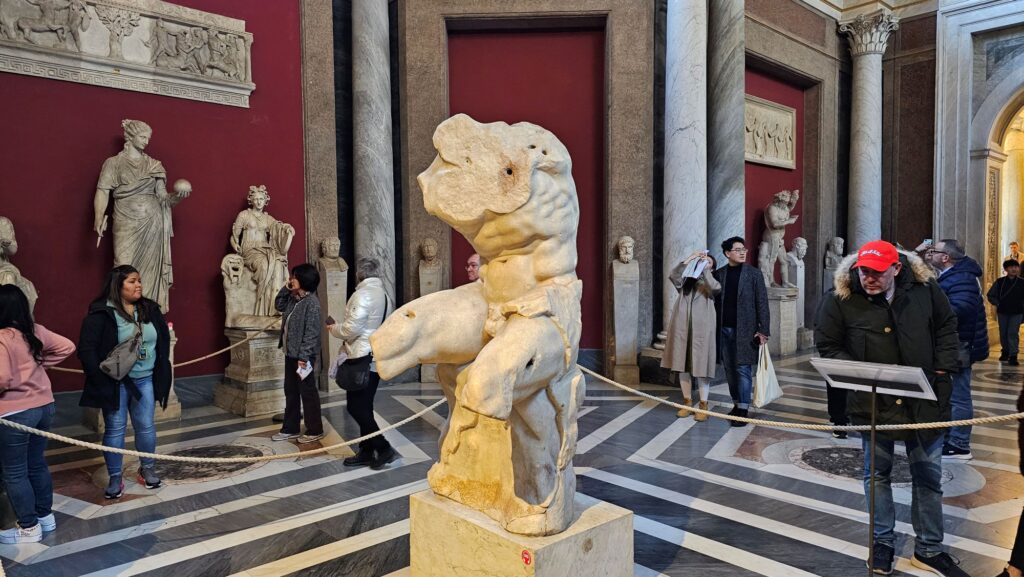
Beyond the Renaissance: Hidden Corners and Modern Masterpieces
Many visitors rush straight to the Sistine Chapel, but the Vatican Museums offer countless other treasures. In the Gregorian Egyptian Museum, ancient sarcophagi, hieroglyph-covered stelae, and mummies reveal humanity’s oldest artistic expressions of the afterlife. The Gregorian Etruscan Museum houses pottery and jewelry from Italy’s pre-Roman civilization.
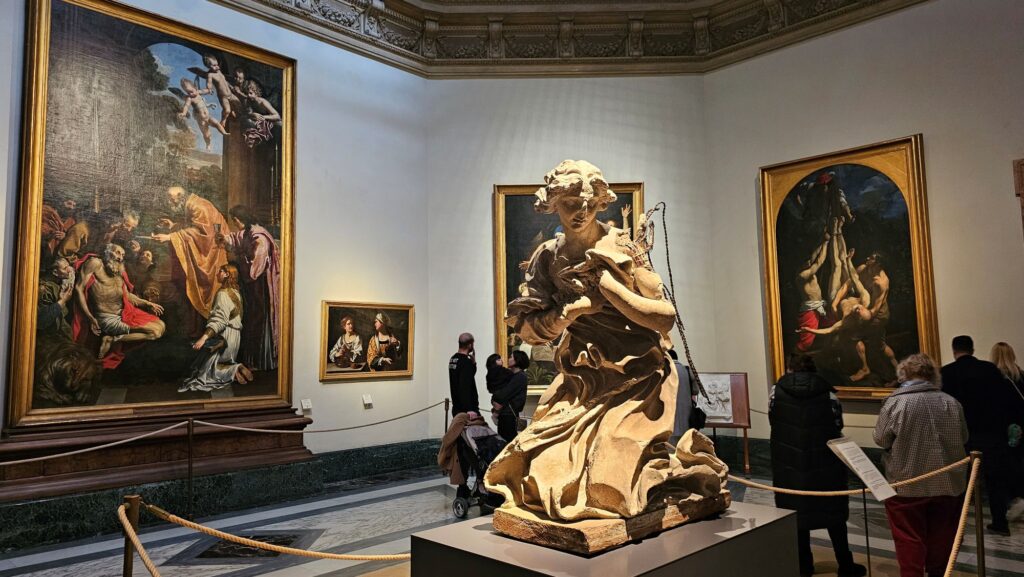
The Pinacoteca Vaticana (Vatican Picture Gallery) features an extraordinary collection of paintings — Raphael’s Transfiguration, Leonardo da Vinci’s St. Jerome in the Wilderness, and Caravaggio’s The Entombment of Christ among them. I lingered longest here; Caravaggio’s dramatic use of light and shadow seemed to pull emotion straight from the canvas.
To my surprise, I also discovered the Collection of Modern Religious Art, established in 1973. Works by artists like Van Gogh, Chagall, and Dalí hang within the Vatican walls — a reminder that faith continues to inspire creativity even in modern times. Seeing Van Gogh’s Pietà beside centuries-old icons was both unexpected and profoundly moving.
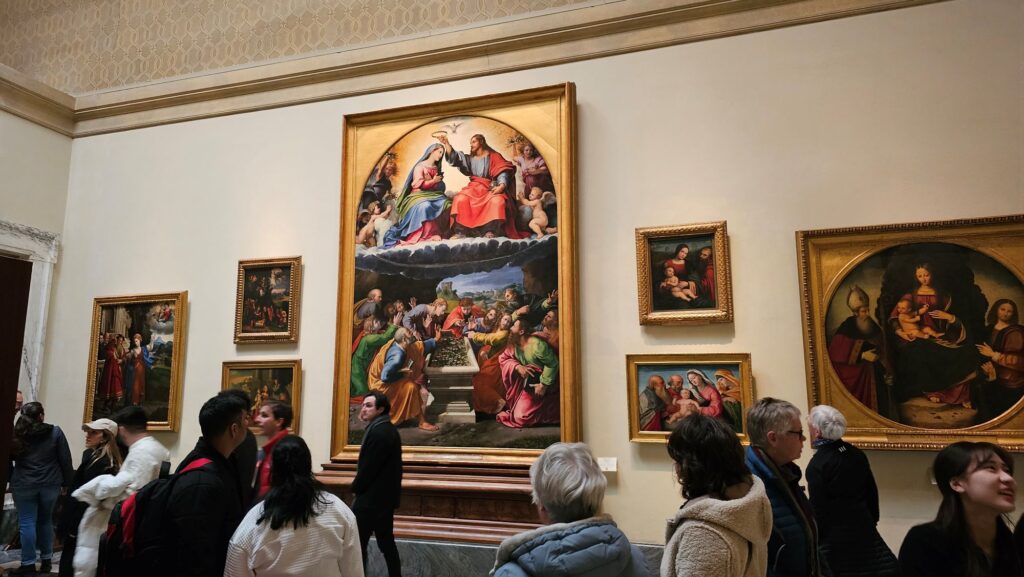
My Reflections: More Than Art
As I left the museums after nearly five hours, stepping out into the sunlight, I felt both overwhelmed and enlightened. Visiting the Vatican Museums is not a passive experience. It is a dialogue — between viewer and creator, between art and faith, between the temporal and the eternal.
Every hall echoes the footsteps of history. You can almost sense the conversations between Popes and artists, the brushstrokes layered over centuries, the slow accumulation of human genius and devotion. I realized that this place is not only about preserving beauty but also about transmitting a vision: that art has the power to elevate the human spirit.
In that sense, the Vatican Museums are not merely a treasure house but a mirror — reflecting our enduring desire to find meaning, to seek beauty, and to reach for something greater than ourselves.
Tips for Visiting
Best Time to Visit: Arrive early in the morning (around 8:00 a.m.) or late afternoon to avoid peak crowds. Friday night openings (April–October) offer a quieter, more atmospheric experience.
Tickets: Reserve skip-the-line tickets in advance through the official Vatican Museums website.
Dress Code: As Vatican territory, modest clothing is required — shoulders and knees must be covered.
Photography: Allowed throughout most galleries but strictly forbidden in the Sistine Chapel.
Suggested Duration: Minimum of 3–4 hours; ideally 5–6 if you want to appreciate the Raphael Rooms, sculpture halls, and the painting gallery at a relaxed pace.
Nearby Attractions: St. Peter’s Basilica, Vatican Gardens, Castel Sant’Angelo, and Trastevere are all within easy reach.
Practical Information
Name: Vatican Museums (Musei Vaticani)
Address: Viale Vaticano, 6, 00165 Rome, Italy
Collection Size: Approximately 70,000 works (20,000 on display)
Opening Hours: Monday–Saturday, 9:00 a.m.–6:00 p.m. (last entry 4:00 p.m.); closed Sundays except the last Sunday of the month (free admission)
Admission: Standard ticket €20; discounts available for students and children
Nearest Metro: Ottaviano – San Pietro (Line A)
Official Website: www.museivaticani.va
Trevi Fountain, Rome: A Timeless Masterpiece of Baroque Art
Piazza Navona: Rome’s Baroque Masterpiece and Living Square