
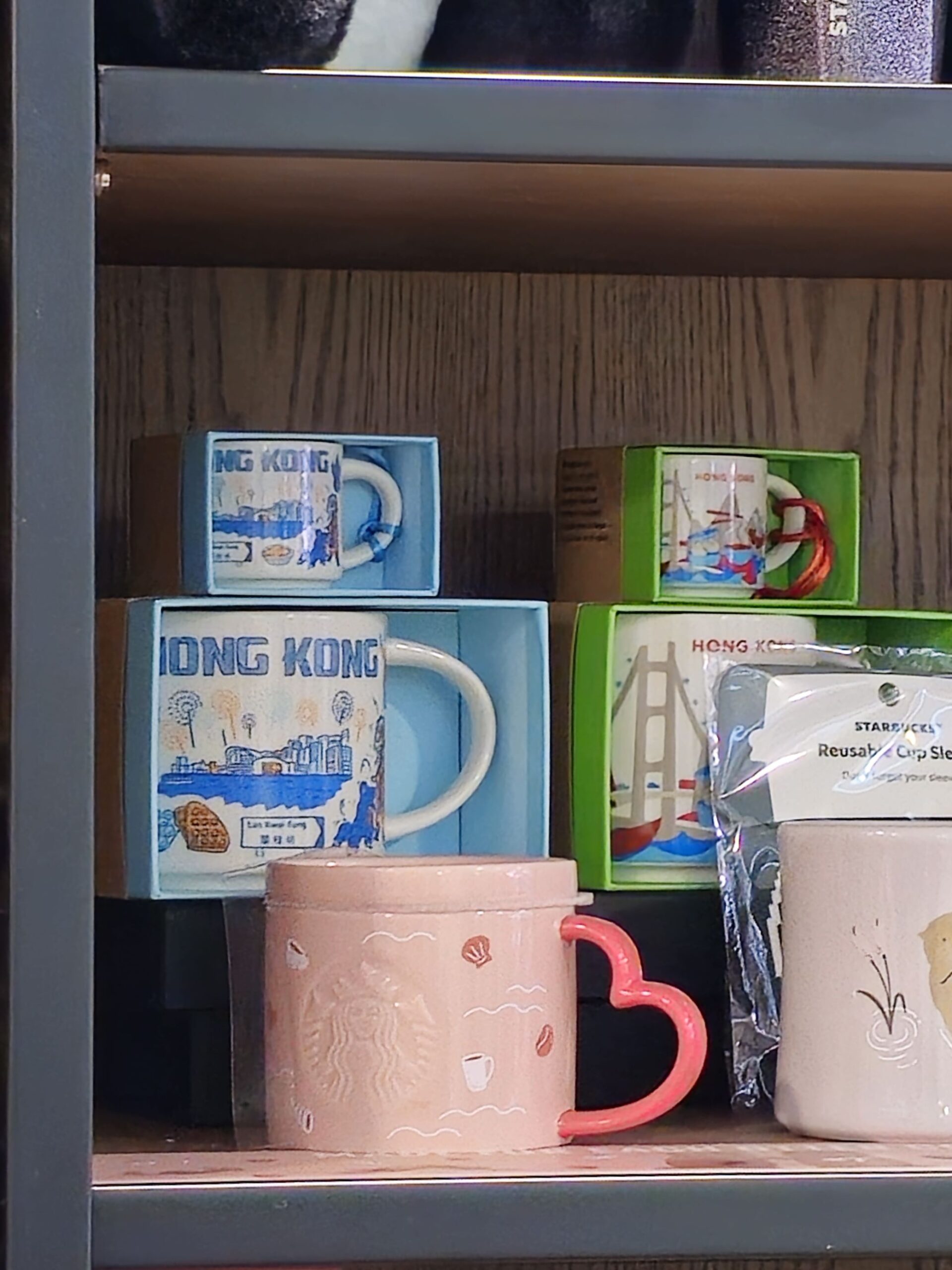
Buying souvenirs in Hong Kong is easier than in most cities — the range is enormous, the prices are competitive, and the city has several items that are genuinely specific to Hong Kong rather than the generic tourist merchandise available everywhere. I bought my main souvenirs on the final morning of my January trip, stopping at DON DON DONKI in Central before taking the A11 bus to the airport, and picking up Kee Wah cookies at the airport itself. But the better souvenir shopping happened earlier in the trip — at Temple Street Night Market on arrival evening and at Fa Yuen Street Market in Mong Kok.
This guide covers the best souvenirs to buy in Hong Kong — what’s genuinely worth bringing home, where to find it, and how to avoid the tourist-trap merchandise that fills the most obvious shopping areas.
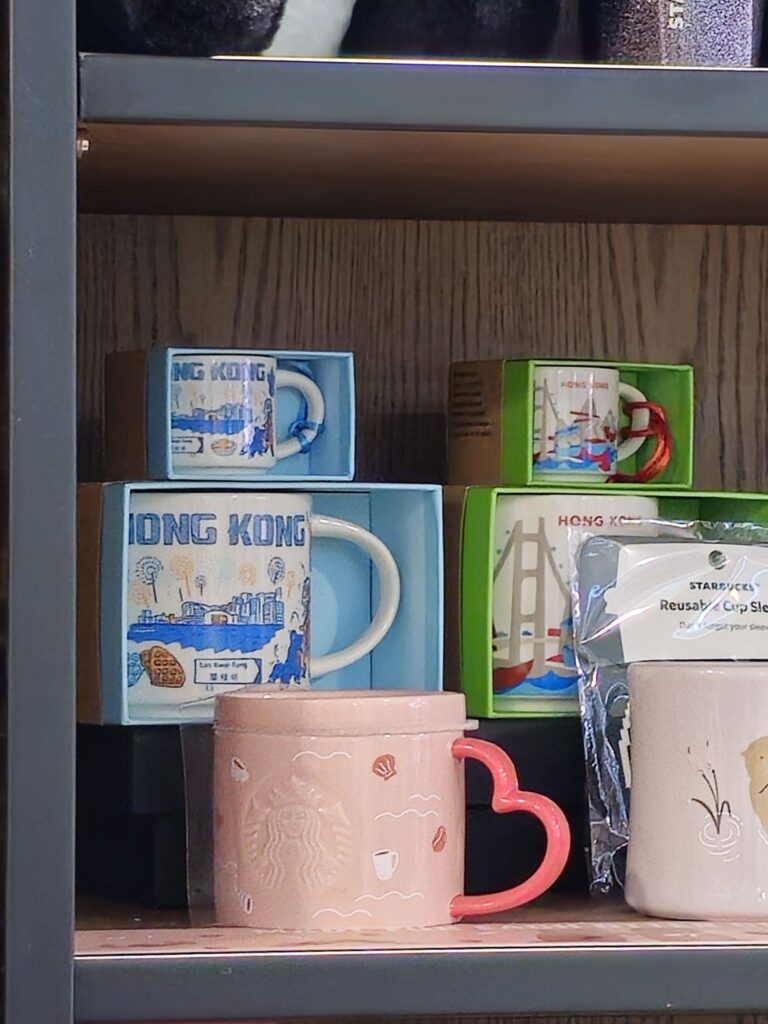
What Makes a Good Hong Kong Souvenir?
Before covering specific items, it’s worth establishing what distinguishes a genuinely good Hong Kong souvenir from the generic merchandise that fills the most tourist-facing shops:
Specificity: The best souvenirs are things that exist in a particular form only in Hong Kong — or that Hong Kong does better than anywhere else. A tin of Kee Wah cookies is specific to Hong Kong; a generic “I ♥ HK” t-shirt is not.
Quality: Hong Kong has a long history as a trading city with high standards for goods — the best souvenirs reflect this quality tradition rather than undercutting it.
Usability: The most satisfying souvenirs are things that get used after the trip rather than sitting in a drawer. Edible souvenirs, functional items, and quality craft objects all score higher on this dimension than decorative items of uncertain appeal.
Price-to-value: Hong Kong’s position as a low-tax shopping destination means that certain categories of goods — electronics, cosmetics, tea — offer genuine value compared to buying the same items elsewhere.
Food and Edible Souvenirs
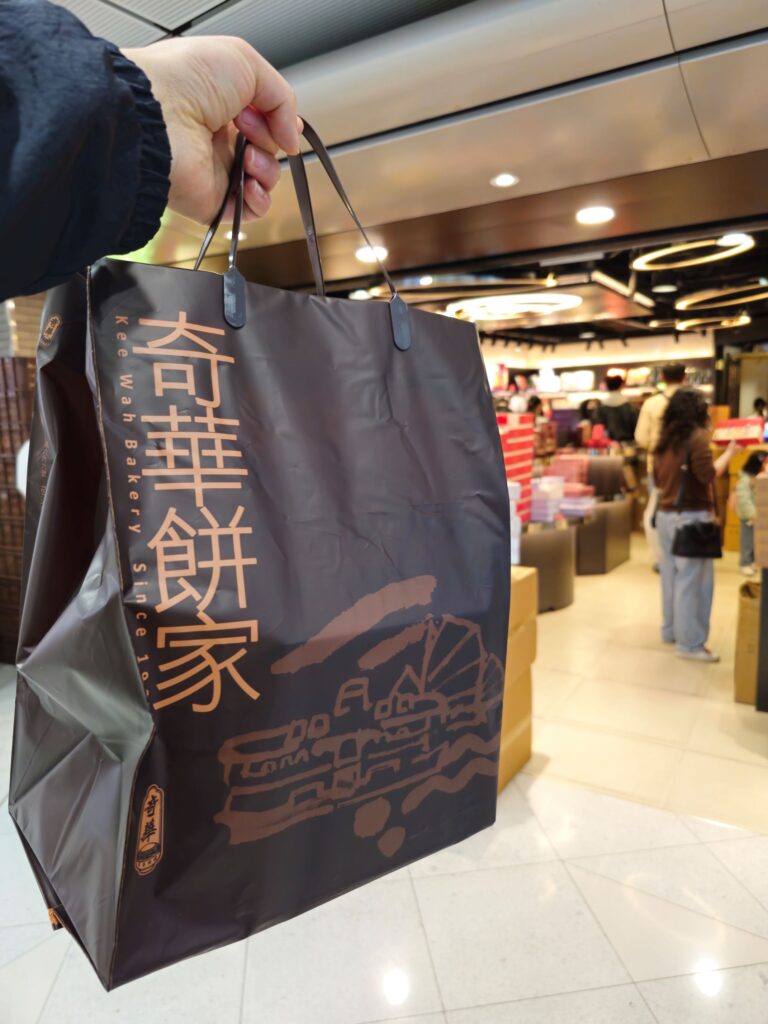
Kee Wah Bakery Cookies (奇華餅家)
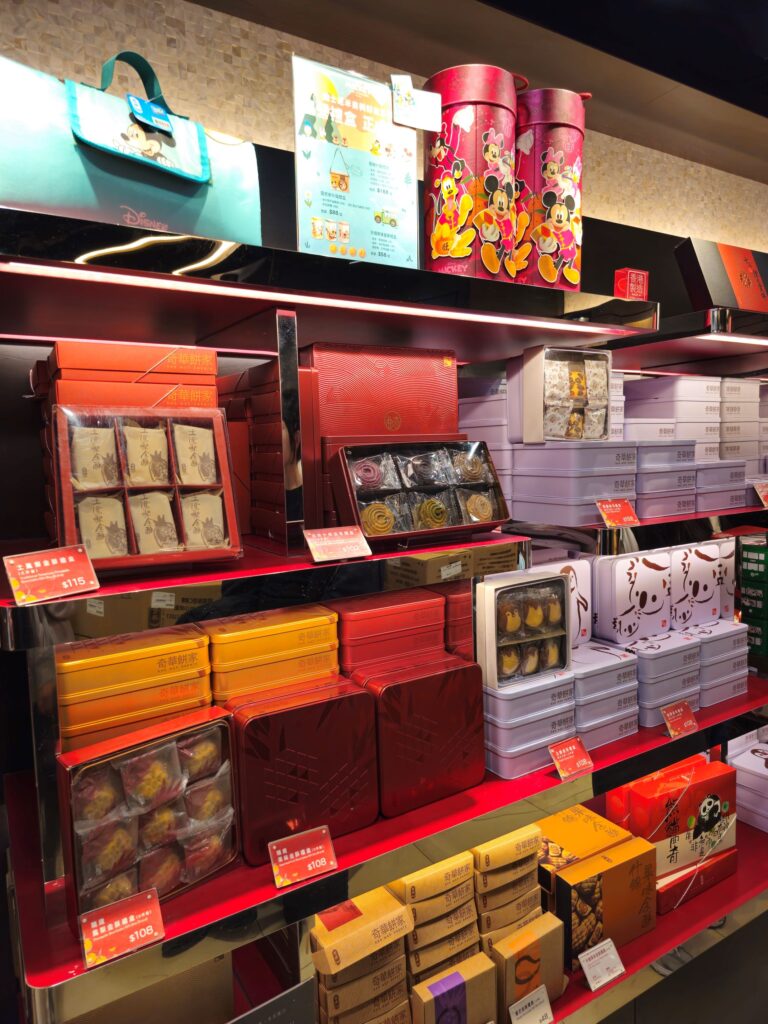
Kee Wah Bakery is one of Hong Kong’s most beloved traditional bakeries — founded in 1938 and now one of the city’s most recognized food brands. The butter cookies are the signature product: rich, buttery, and packaged in distinctive tins that have become the default Hong Kong food gift.
I bought a tin of Kee Wah butter cookies at the airport on January 28th — the bakery has a prominent location in the departure area that makes it one of the most convenient last-minute food souvenirs available. The cookies are well-packaged for travel, the tin is attractive enough to serve as its own gift packaging, and the taste is genuinely good rather than merely acceptable.
What to buy:
- Butter cookies (牛油曲奇): The classic — rich, shortbread-adjacent, and the product most associated with the brand
- Wife cakes (老婆餅): Traditional Cantonese flaky pastry filled with winter melon paste — a more distinctly Hong Kong product than the butter cookies, better for recipients with an interest in Cantonese food culture
- Cocktail buns (雞尾包): Individually packaged soft buns with coconut cream filling — less practical for travel than the cookies but excellent if consumed within a day or two
Where to buy: Airport departure area (most convenient for last-minute purchase); multiple retail locations throughout Hong Kong including Tsim Sha Tsui, Central, and the major malls.
Price: Moderate — the tin packaging commands a slight premium but the cookies justify it.
Peninsula Hotel Chocolates
The Peninsula Hong Kong produces its own chocolate collection — available at the hotel’s retail outlets and at selected shops throughout the city. The quality is high and the Peninsula branding gives the chocolates a particular Hong Kong luxury cachet that makes them a strong gift for recipients who appreciate the context.
Hong Kong-Style Pineapple Bun Mix
Several Hong Kong food companies produce packaged pineapple bun mixes — allowing recipients to make the iconic Hong Kong pastry at home. More niche than cookies but a genuinely interesting food souvenir for baking-oriented recipients.
Dried Seafood from Sheung Wan
The dried seafood district in Sheung Wan — the streets around Des Voeux Road West west of the Central MTR — is one of Hong Kong’s most distinctive food shopping areas, selling dried abalone, scallops, fish maw, and various other preserved seafood products that are central to Cantonese cuisine. Quality dried seafood is expensive but specific to Hong Kong’s food culture in a way that generic food souvenirs are not.
For visitors with culinary-oriented recipients and a higher souvenir budget, dried scallops or quality dried seafood from a reputable Sheung Wan dealer is one of the most genuinely Hong Kong food gifts available.
Tea
Pu-erh Tea
Hong Kong has a long and serious relationship with pu-erh tea (普洱茶) — the fermented and aged tea from Yunnan province that is drunk throughout the city in cha chaan tengs and dim sum restaurants. The city’s tea merchants carry aged pu-erh cakes of varying quality and price, and the best dealers have stocks that are genuinely difficult to source elsewhere.
Lock Cha Tea Shop in the K.S. Lo Gallery at Hong Kong Park is one of the most respected tea retailers in the city — a shop with a serious selection of pu-erh and other Chinese teas, knowledgeable staff, and an attractive retail environment. Worth visiting for the tea-buying experience as much as the products.
Hong Kong Milk Tea Blend
Several Hong Kong food companies produce packaged Hong Kong milk tea blends — the specific Ceylon tea mixture used in cha chaan tengs, sold with preparation instructions. A genuinely useful souvenir for recipients who’ve experienced Hong Kong milk tea and want to replicate it at home.
Japanese Tea from DON DON DONKI
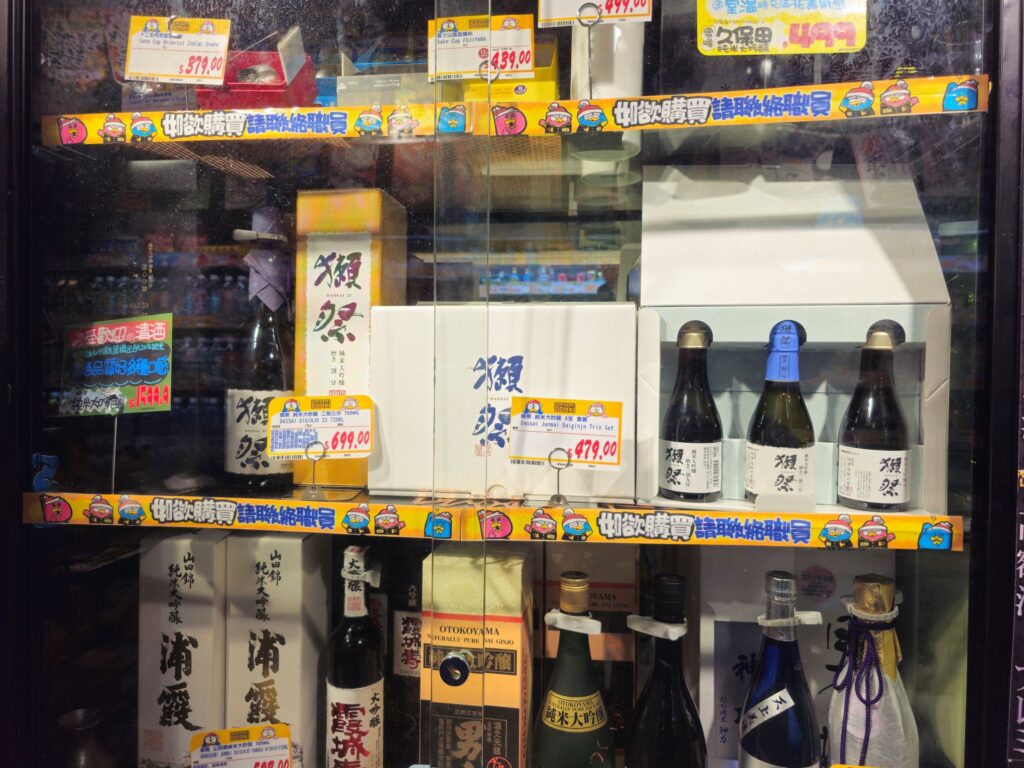
DON DON DONKI — the Japanese discount retailer with a Central location that I visited on the final morning of my trip — carries an extensive selection of Japanese teas, matcha products, and tea accessories at prices considerably lower than specialty tea retailers. For visitors interested in Japanese tea culture as much as Hong Kong tea, DON DON DONKI provides an unexpected and excellent one-stop shop.
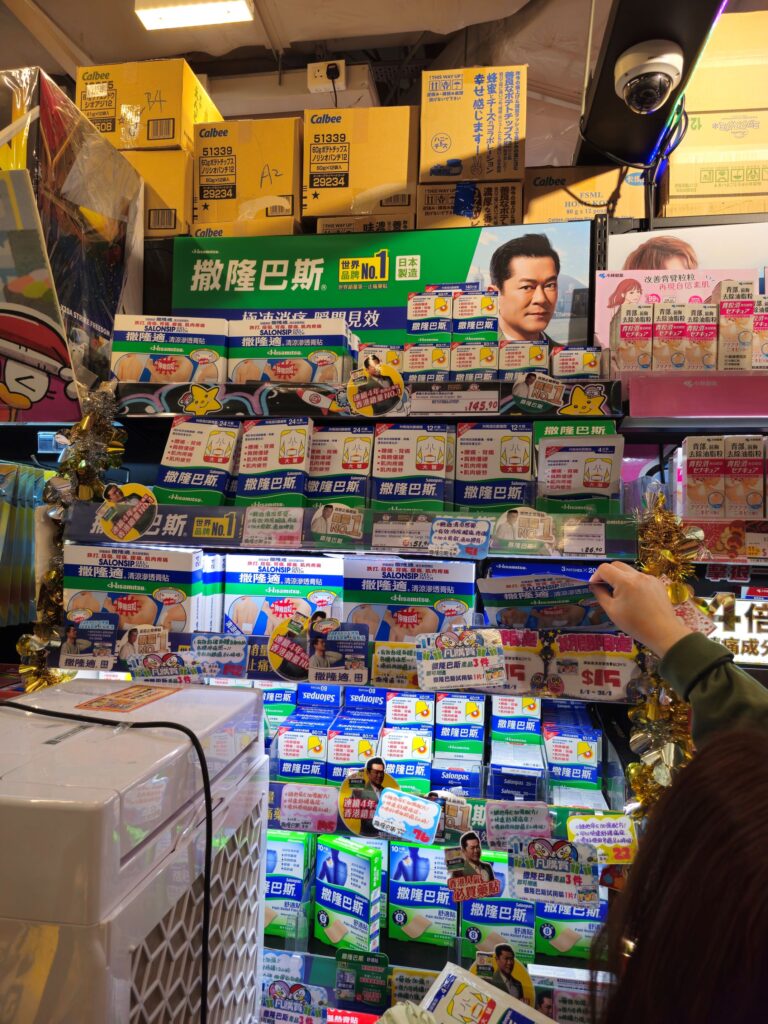
Cosmetics and Skincare
Hong Kong’s status as a low-tax shopping destination makes it one of the best places in Asia to buy cosmetics — international brands available at prices 15–30% below what the same products cost in many other markets.
Korean Cosmetics
K-beauty products — Innisfree, Laneige, COSRX, Sulwhasoo, and the full range of Korean skincare brands — are available throughout Hong Kong at competitive prices. The Causeway Bay and Tsim Sha Tsui areas have the highest concentration of Korean cosmetics retailers, with frequent promotional pricing that makes stock-up buying practical.
Japanese Cosmetics and Drugstore Products
Japanese cosmetics and drugstore products — Shiseido, Kose, Canmake, Hada Labo, and the full range of Japanese drugstore skincare — are available at DON DON DONKI and various Japanese cosmetics retailers throughout the city at prices that are often competitive with buying directly in Japan.
Hong Kong-Specific Beauty Products
Several Hong Kong-origin beauty brands have developed distinctive products — Bonjour and similar local chains carry a mix of local and imported products that reflect Hong Kong’s specific cosmetics market. Less specifically “Hong Kong” than food souvenirs but practically useful and competitively priced.
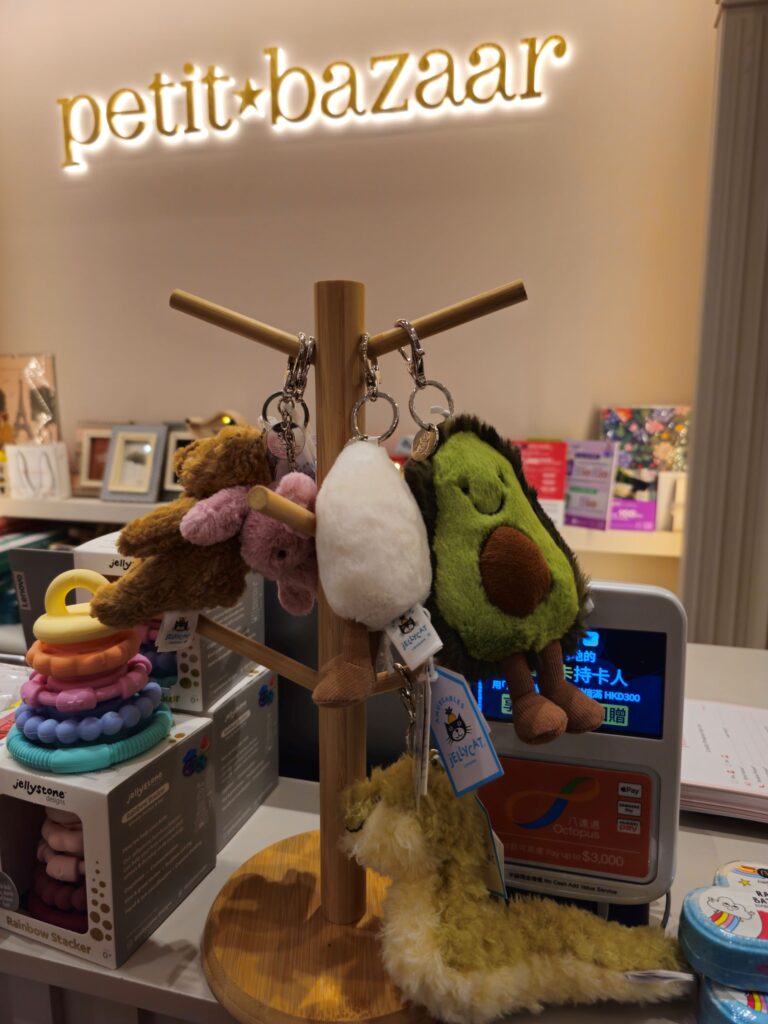
Electronics and Accessories
Hong Kong’s electronics market — historically one of the best in Asia — has become more competitive as online purchasing has equalized global prices. However, certain categories still offer genuine value:
Accessories and Peripherals
Phone accessories, cables, headphones, and electronics peripherals are available throughout the city at competitive prices — particularly at the electronics markets in Mong Kok (Sino Centre and the surrounding streets) and the Nathan Road electronics shops in Tsim Sha Tsui. Price comparison before purchasing is worthwhile; the tourist premium in the most visible shops can be significant.
Cameras
Used and vintage camera equipment is available at specialist shops in Mong Kok — the area around Apliu Street in Sham Shui Po (north of Mong Kok) has one of Hong Kong’s most concentrated markets for used electronics and camera equipment. Worth investigating for photography enthusiasts with a specific acquisition in mind.
Craft and Design Items
Cheongsam (旗袍)
The cheongsam — the form-fitting Chinese dress associated with Shanghai and Hong Kong’s prewar glamour — is available in Hong Kong from traditional tailors who produce made-to-measure versions and from retail shops selling ready-to-wear options. The quality range is enormous; a well-made cheongsam from a reputable tailor represents one of Hong Kong’s most distinctive and wearable souvenirs.
Shanghai Tang — Hong Kong’s most internationally recognized luxury brand, founded in 1994 — produces contemporary interpretations of Chinese clothing and accessories that balance traditional forms with modern wearability. The quality is high and the design sensibility is specifically Hong Kong rather than generic “Asian.”
Jade
Jade jewelry and ornaments are available throughout Hong Kong — most concentratedly at the Jade Market in Yau Ma Tei and at the jade section of Temple Street Night Market. The quality and price range is enormous, from genuine antique pieces at significant cost to tourist-quality items at minimal prices.
For visitors without specific jade knowledge, treating jade purchases as decorative items rather than investments is the practical approach — beautiful pieces at modest prices are available at the market, but assessing quality and authenticity requires expertise that most visitors don’t have.
Chopsticks
High-quality chopsticks — lacquered, carved wood, or silver — are available from specialist chopstick shops and general homeware retailers throughout the city. A well-made pair of chopsticks is one of Hong Kong’s most practical and specifically Asian souvenirs.
DON DON DONKI: The Unexpected Souvenir Destination
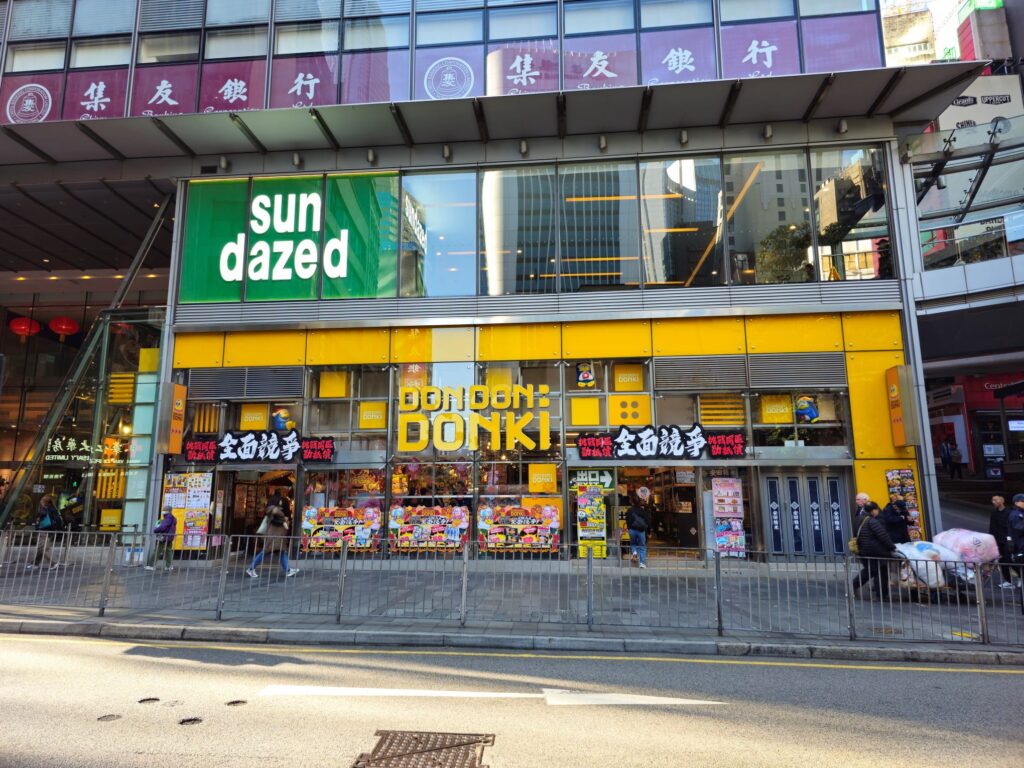
DON DON DONKI — the Japanese discount retailer with a large Central location on Queen’s Road Central — deserves special mention as one of Hong Kong’s most useful souvenir shopping stops, despite being a Japanese rather than Hong Kong brand.
I visited the Central branch on the morning of January 28th, before taking the airport bus — and found a store that covers an impressive range of Japanese food products, cosmetics, electronics accessories, clothing, and household items at prices that are genuinely competitive.
What to buy at DON DON DONKI:
- Japanese snacks and candy: The most extensive selection of Japanese packaged food available in Hong Kong — Kit Kats in unusual flavors, regional Japanese snacks, Japanese instant noodles and ramen, Japanese rice crackers
- Japanese cosmetics: The full range of Japanese drugstore skincare at competitive prices — Hada Labo, Kose Softymo, Canmake
- Japanese stationary: Notebooks, pens, and the well-designed Japanese stationary products that have a global following
- Japanese food products: Miso, soy sauce, Japanese rice, and various pantry items that are expensive or unavailable elsewhere
For visitors who appreciate Japanese products — or who want to stock up on specific Japanese items without buying them in Japan — DON DON DONKI Central provides an unusually comprehensive selection in a convenient Central location.
Where to Buy Souvenirs
Temple Street Night Market
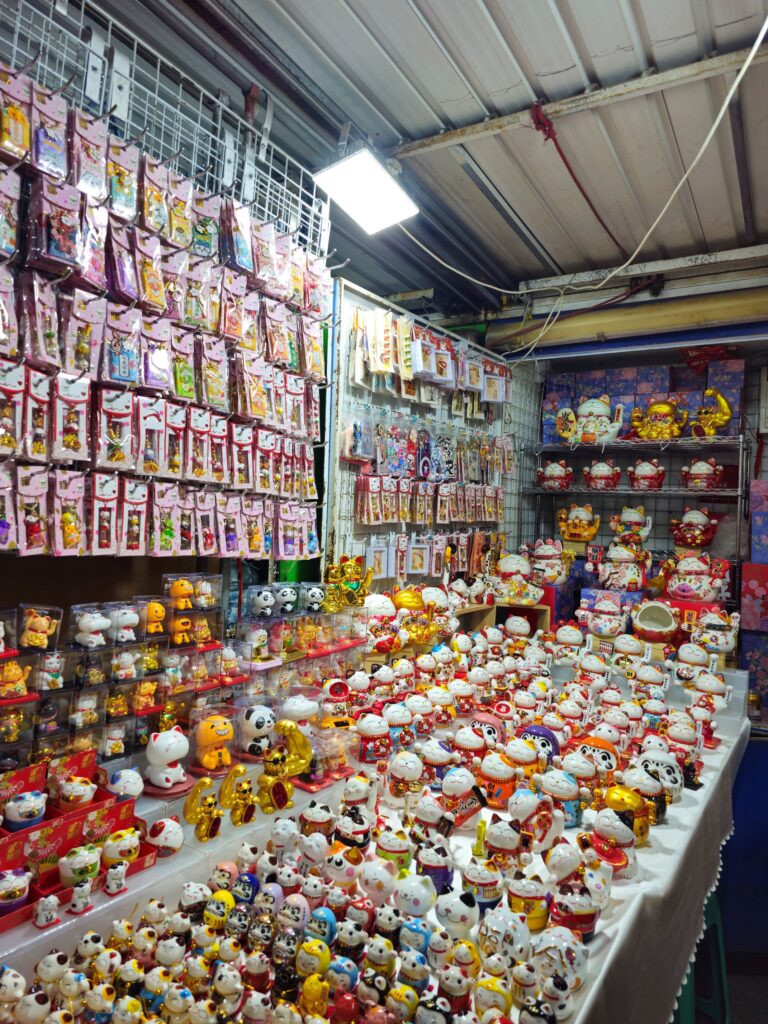
Temple Street Night Market is the most atmospheric souvenir shopping experience in Hong Kong — the combination of the market setting, the bargaining culture, and the variety of goods available makes it the right place for general souvenir browsing. Jade items, watches, decorative objects, and Hong Kong-themed merchandise are all available; prices start high and respond to negotiation.
Best for: Jade items, watches, general souvenirs, atmospheric shopping experience
Mong Kok Markets (Ladies Market, Fa Yuen Street)
The Mong Kok market cluster — Ladies Market on Tung Choi Street and Fa Yuen Street — offers the widest range of everyday goods at the most competitive prices. Less atmospheric than Temple Street but more practical for specific item acquisition.
Best for: Clothing, accessories, everyday items, volume souvenir shopping
Hong Kong Airport
The airport departure area has a well-curated selection of Hong Kong food souvenirs — Kee Wah Bakery, Peninsula chocolate, Hong Kong-themed confectionery, and packaged versions of various local food products. Convenient for last-minute purchases; prices are airport-premium but the selection is specifically curated for departing visitors.
Best for: Food souvenirs, last-minute purchases, Kee Wah cookies
Stanley Market
Stanley Market on the southern side of Hong Kong Island — a relaxed, village-like market with a mix of clothing, art, and souvenir items — is less well-known than the Kowloon markets but offers a different atmosphere. The clothing selection in particular (linen items, silk pieces, Chinese-inspired fashion) is more interesting than what’s available at Temple Street.
Best for: Clothing, art, a more relaxed shopping atmosphere
Harbour City and Major Malls
For duty-free international brands and Korean cosmetics at competitive prices, the major malls — Harbour City in Tsim Sha Tsui, Times Square and Hysan Place in Causeway Bay — provide the full range of international retail in a convenient, air-conditioned environment.
Best for: Korean cosmetics, international brands, electronics accessories
Souvenir Budget Guide
Budget souvenirs (under HK$100 / ~US$13):
- Temple Street market items
- Fa Yuen Street market clothing
- Kee Wah individual items
- Hong Kong postcards and small items

Mid-range souvenirs (HK$100–500 / ~US$13–65):
- Kee Wah cookie tins
- Korean cosmetics
- Japanese items from DON DON DONKI
- Tea purchases
- Quality chopsticks

Higher-end souvenirs (HK$500+ / ~US$65+):
- Shanghai Tang items
- Peninsula chocolates
- Quality jade pieces
- Dried seafood from Sheung Wan
- Cheongsam (tailored)
Practical Tips
Bargaining: Expected at Temple Street, Ladies Market, and Fa Yuen Street — not appropriate at mall retail shops, Kee Wah, or DON DON DONKI. The opening price at market stalls is always negotiable.
Authenticity: Hong Kong has strict intellectual property enforcement relative to some other Asian markets, but counterfeit goods are still present at night markets. Be aware of what you’re buying at market prices.
Weight and packaging: Consider carry-on limitations before buying heavy items (dried seafood, ceramic items). Kee Wah cookie tins are relatively compact; dried seafood and ceramics add weight quickly.
Airport shopping: The Kee Wah Airport location accepts Octopus card and major credit cards — convenient for last-minute purchases without needing cash.
Tax refund: Hong Kong has no sales tax (GST/VAT equivalent) — there is no tourist tax refund system to navigate, which simplifies purchasing considerably compared to many other destinations.
Final Thoughts
The best Hong Kong souvenirs are the ones that are genuinely specific to the city or that the city does better than anywhere else — Kee Wah cookies from a bakery that’s been operating since 1938, pu-erh tea from a dealer who knows the product, Korean cosmetics at prices that reflect Hong Kong’s tax-free status, or a piece of jade from Temple Street’s market that exists in this specific form only in this specific place.
Buy the Kee Wah cookies at the airport if nothing else — they’re well-packaged, genuinely good, and available to every departing visitor at the most convenient possible moment. But spend time at Temple Street first, and at the Mong Kok markets, and at DON DON DONKI on the way to the airport — the journey through Hong Kong’s shopping culture is as interesting as the purchases it produces.
Temple Street Night Market: Complete Guide to Hong Kong’s Most Atmospheric Market