
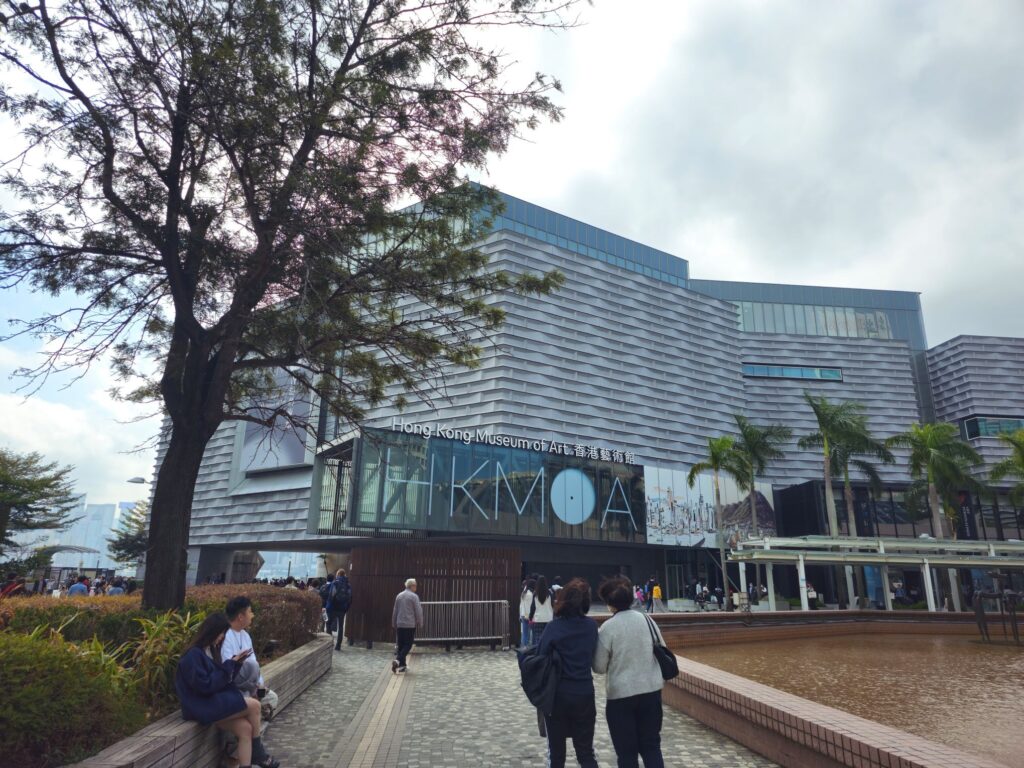
The Hong Kong Museum of Art sits on the Tsim Sha Tsui waterfront in a position that most museums would envy — directly on Victoria Harbour, adjacent to the Cultural Centre, with the Hong Kong Island skyline visible across the water from its upper floors. I visited on the second morning of my January trip, walking along the promenade from the YMCA Salisbury Hotel after a morning in Kowloon Park, and found a museum that consistently exceeded the modest expectations set by its understated reputation among visitors who walk past it on the way to somewhere else.
This guide covers everything worth knowing before visiting — the collection, the building, the practical logistics, and why the Hong Kong Museum of Art belongs in any Tsim Sha Tsui itinerary rather than being treated as an optional add-on.
What Is the Hong Kong Museum of Art?
The Hong Kong Museum of Art (香港藝術館, HKMoA) is Hong Kong’s principal art museum — a public institution housing a permanent collection of over 17,000 works covering Chinese antiquities, Chinese fine art, Hong Kong art, and international art. The museum is operated by the Leisure and Cultural Services Department of the Hong Kong government and is located on the Tsim Sha Tsui Cultural District waterfront, adjacent to the Hong Kong Cultural Centre and the Space Museum.
The museum building was extensively renovated between 2015 and 2019 — a four-year closure that resulted in a significantly upgraded facility with improved gallery spaces, better climate control for the collection, and enhanced public amenities. The reopened museum is a considerably better version of the institution that closed for renovation, and visitors who last went before 2015 will find a markedly different experience.
Admission: Free for the permanent collection — one of the most significant values in Hong Kong tourism. Temporary exhibitions may charge separate admission.
The Building
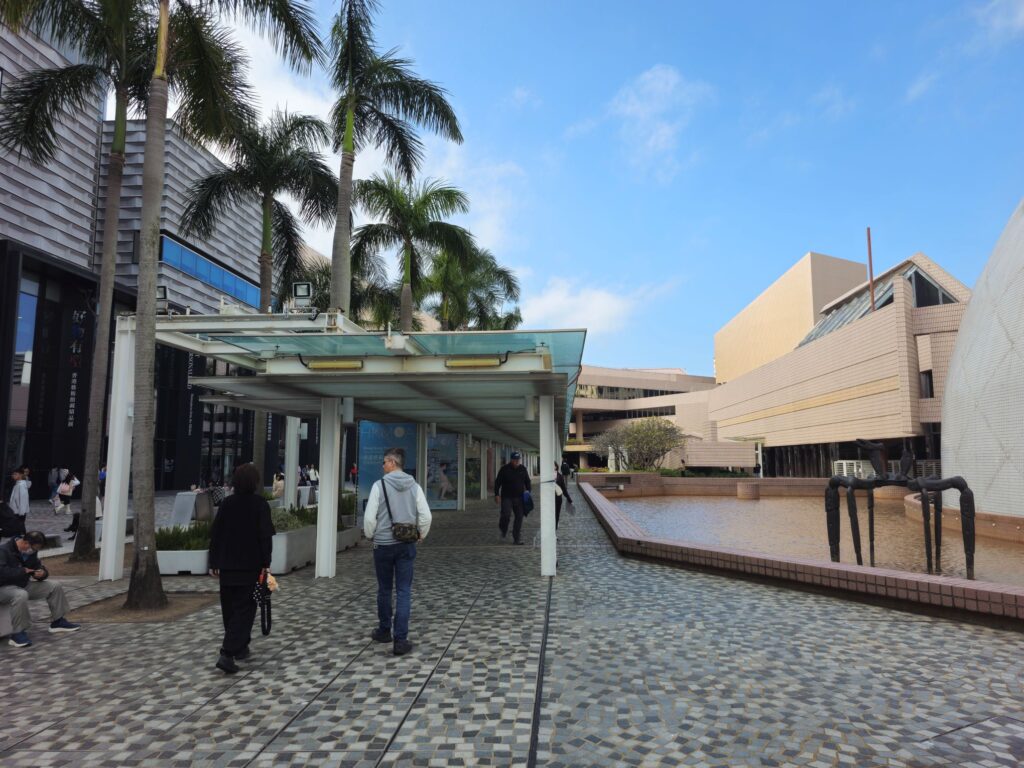
The museum building is a seven-story structure on the harbor waterfront — positioned to make the most of its location, with gallery spaces on multiple floors and harbor-view windows that give the building a visual connection to Victoria Harbour throughout.
The renovation preserved the building’s footprint while modernizing the interior — new gallery lighting, improved display systems, and the addition of a prominent public art installation on the exterior facade that has become one of the building’s most recognizable features.
The exterior installation: The large-scale artwork on the museum’s harbor-facing facade — visible from the Tsim Sha Tsui promenade and from across the water — is part of the museum’s commitment to public art that extends beyond the gallery walls. It’s worth approaching from the promenade to see it in the context of the broader waterfront.
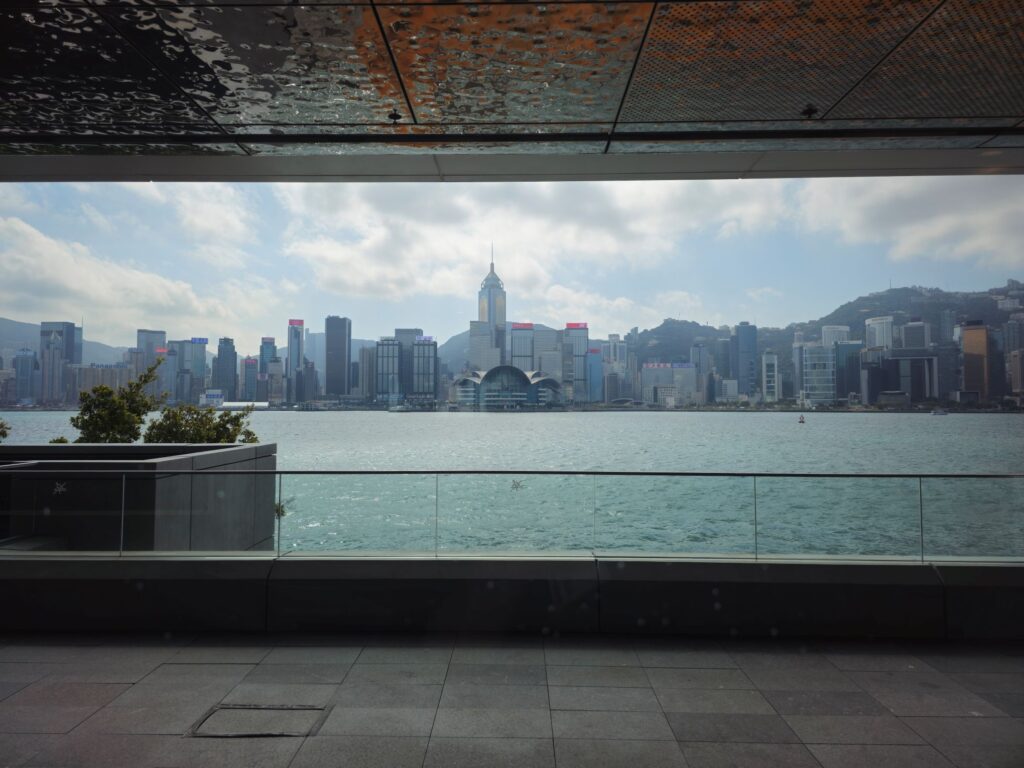
Views from the upper floors: The gallery spaces on the upper floors have windows facing the harbor — on clear days the Hong Kong Island skyline is visible across the water, providing an unexpected connection between the art inside and the city outside. The view from the stairwells and transition spaces between galleries is worth pausing for.
The Permanent Collection
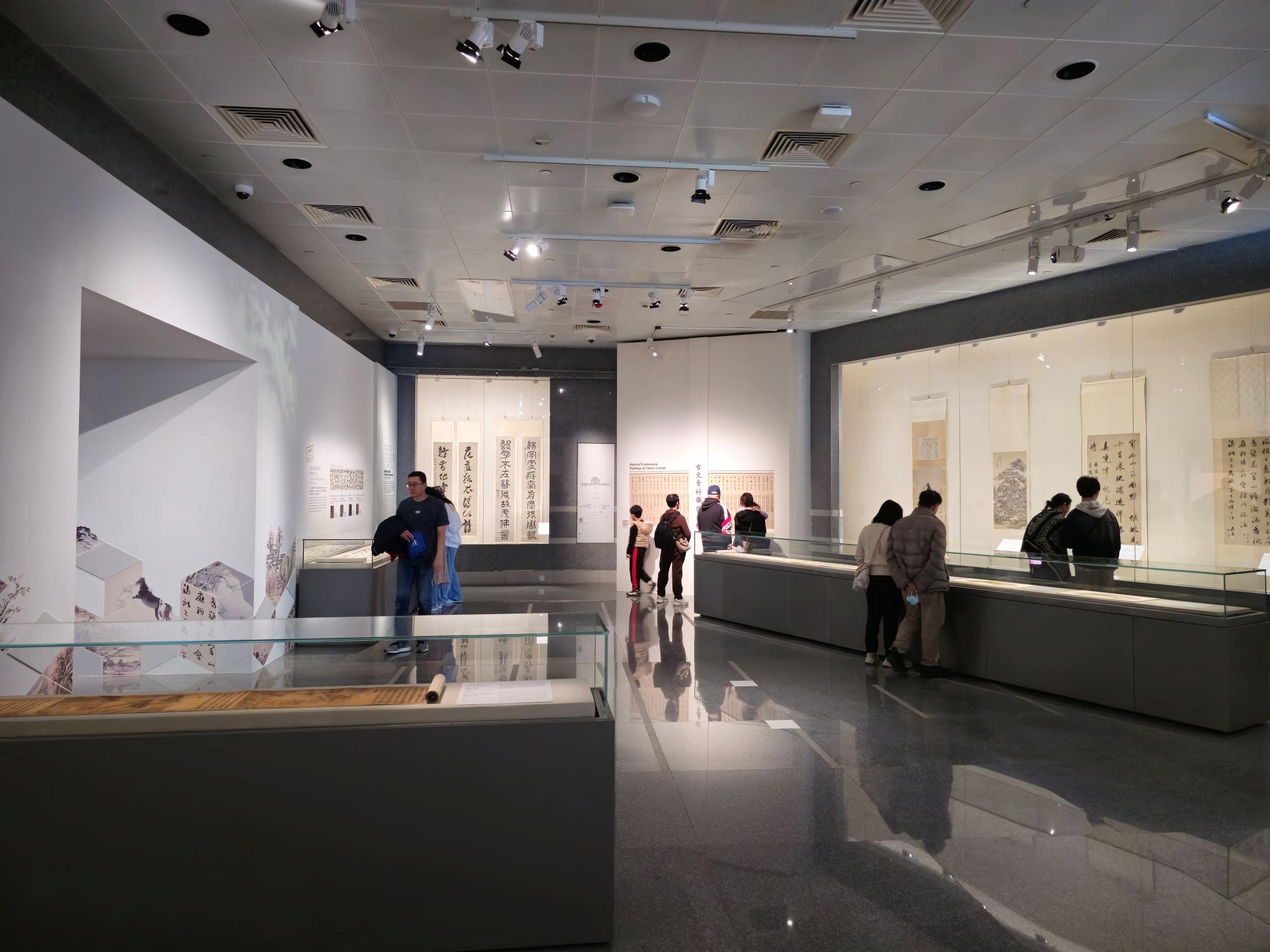
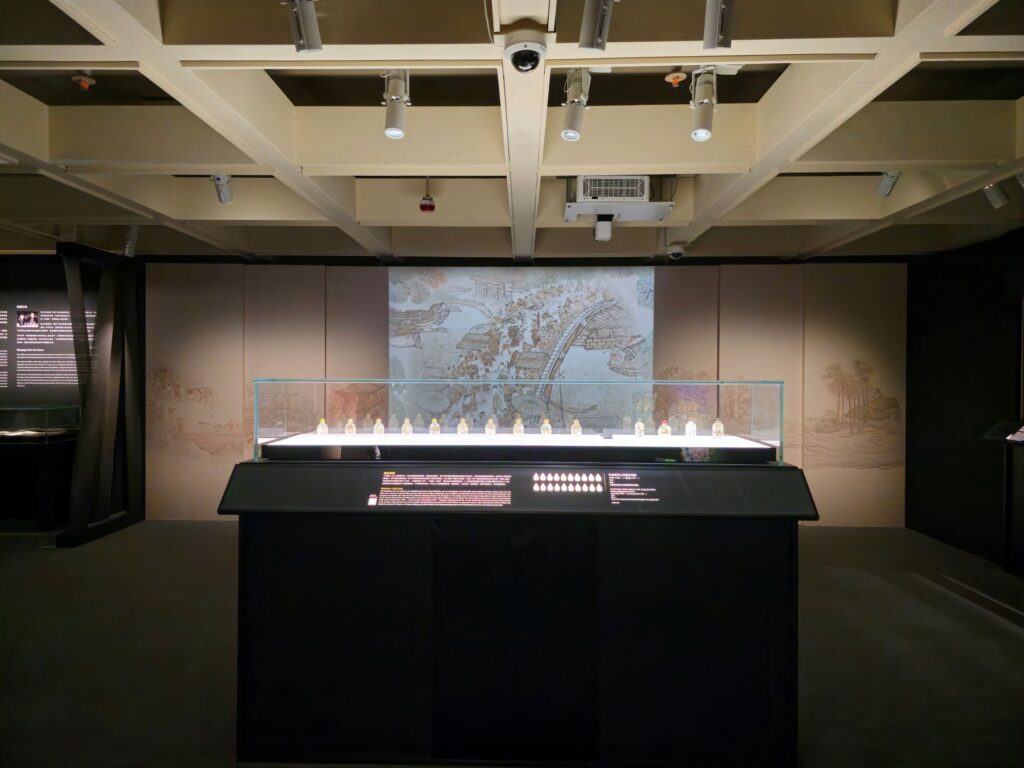
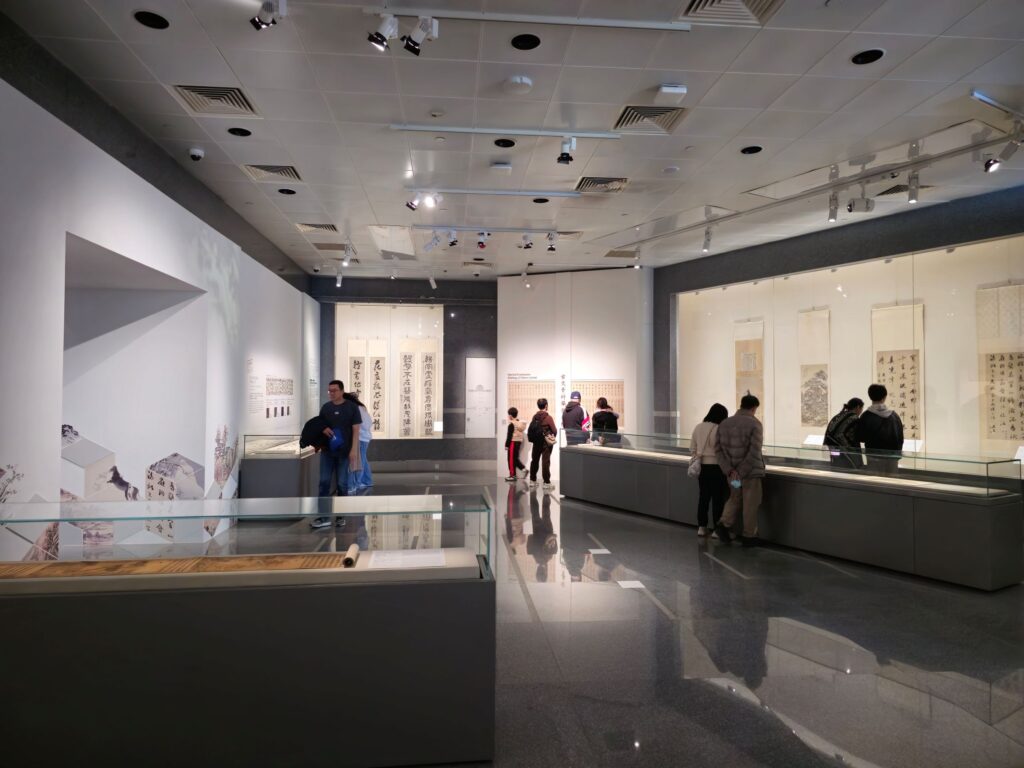
The permanent collection is organized across several thematic areas, each occupying dedicated gallery spaces. A complete visit — working through all the permanent galleries — takes approximately 2.5–3 hours. A selective visit focusing on the areas most relevant to your interests can be done in 90 minutes.
Chinese Antiquities
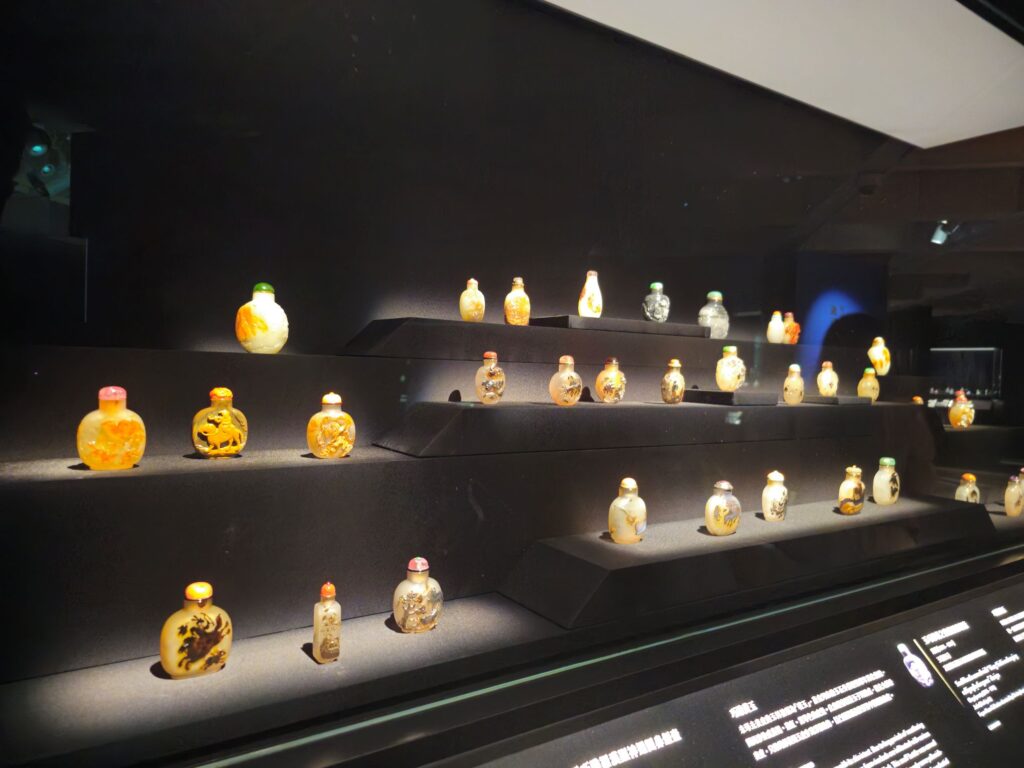
The antiquities collection covers Chinese art and material culture from the Neolithic period through the Qing dynasty — ceramics, bronzes, jades, textiles, and decorative arts spanning over 5,000 years of Chinese artistic production.
The ceramics holdings are particularly strong — the progression from early earthenwares through Tang dynasty three-color glazed pieces (sancai), Song dynasty refinements, Ming dynasty blue-and-white, and Qing dynasty polychrome export wares gives a coherent narrative of Chinese ceramic development that rewards sequential viewing rather than random browsing.
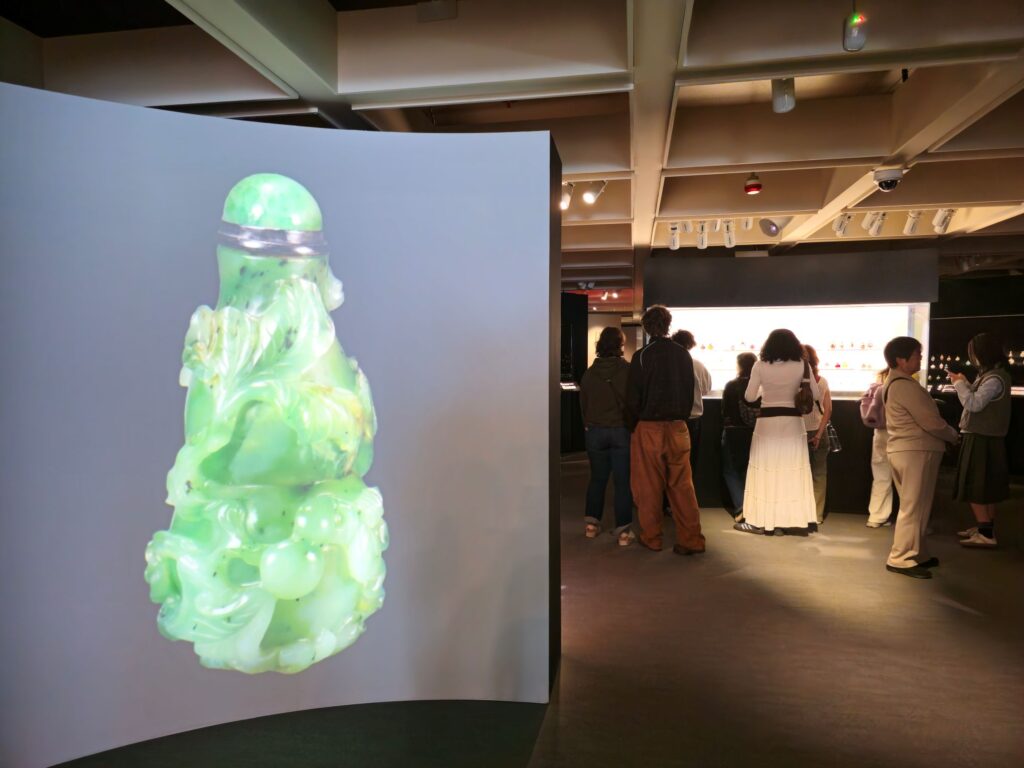
The jade collection includes pieces from various periods, with the Neolithic and Han dynasty works among the most historically significant. The material knowledge and craftsmanship visible in the carved jade pieces — particularly the complex openwork carvings — is impressive regardless of background knowledge.
For visitors without specific Chinese art knowledge: The gallery labels are informative and contextual rather than purely descriptive — they explain the significance of what you’re looking at rather than just identifying it. Taking the time to read them converts a visually interesting collection into an educationally rewarding one.
Chinese Fine Art
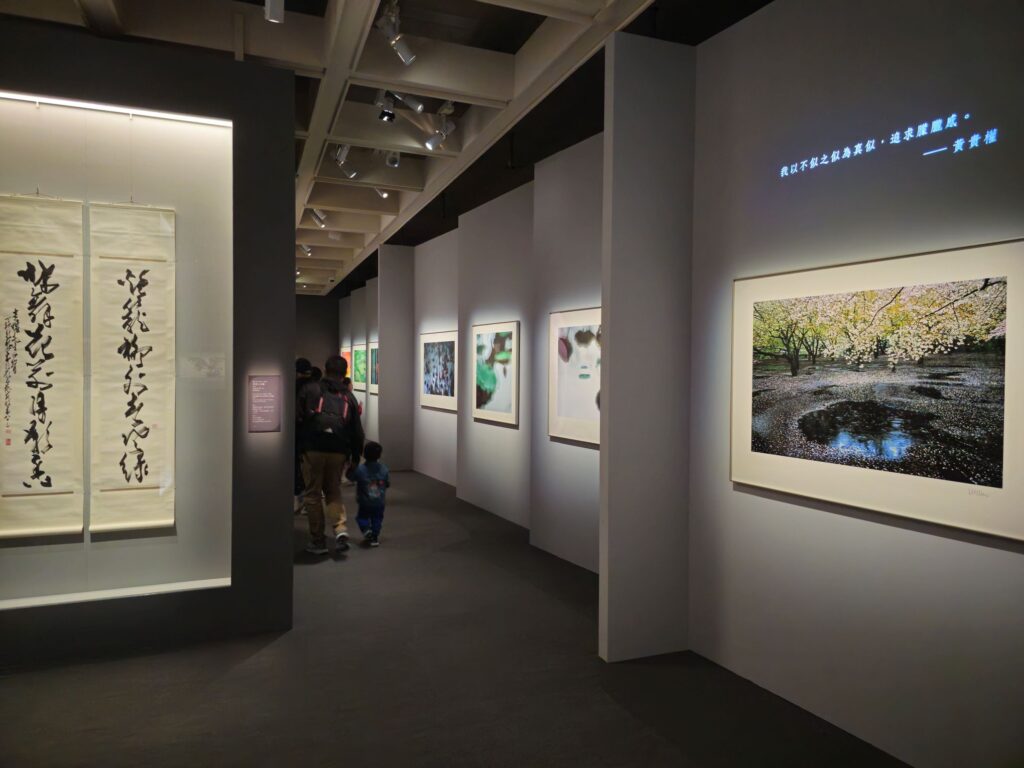
The fine art galleries cover Chinese painting and calligraphy from the Song dynasty through the modern period — scroll paintings, hanging scrolls, albums, and fan paintings that represent the mainstream of Chinese literati art production over a thousand years.
The landscape painting tradition is well-represented — the progression from Song dynasty monumental landscapes through Yuan dynasty literati painting, Ming dynasty individualism, and Qing dynasty orthodoxy and innovation gives a comprehensive picture of how Chinese artists engaged with landscape as a subject and a philosophical practice over centuries.
Calligraphy: The calligraphy holdings — typically less accessible to Western visitors unfamiliar with the script — reward a different kind of attention. Understanding Chinese calligraphy as a performance art rather than just writing, and looking at the works as records of brush movement and energy rather than as text, opens them up considerably.
Hong Kong Art
The Hong Kong Art galleries are the most distinctive part of the permanent collection — and the section that gives the museum its particular relevance as a Hong Kong institution rather than simply a Chinese art repository.
The collection traces Hong Kong’s artistic development from the late 19th century through the present, covering the work of artists who lived and worked in the city and engaged with its specific position — Chinese and international, colonial and postcolonial, economically dynamic and culturally complex.
Early Hong Kong painting: Works from the early 20th century document Hong Kong’s visual landscape at a time when the harbor, the streets, and the daily life of the city looked very different from today. Comparing these historical images with the current view from the museum windows is one of the most engaging experiences the collection offers.
Contemporary Hong Kong art: The more recent acquisitions engage directly with Hong Kong’s contemporary identity — artists responding to the city’s 1997 handover, its economic transformation, its relationship with mainland China, and the questions of identity and belonging that these changes have raised. This section of the collection is the most intellectually alive and the most directly relevant to understanding the city you’re visiting.
Artists to look for: Lui Shou-Kwan (a pivotal figure in Hong Kong’s New Ink movement, whose work synthesizes Chinese ink painting with modernist influence), Luis Chan (Hong Kong’s first modern painter, whose long career spans decades of the city’s transformation), and the various contemporary artists whose work engages with Hong Kong’s present moment.
International Art
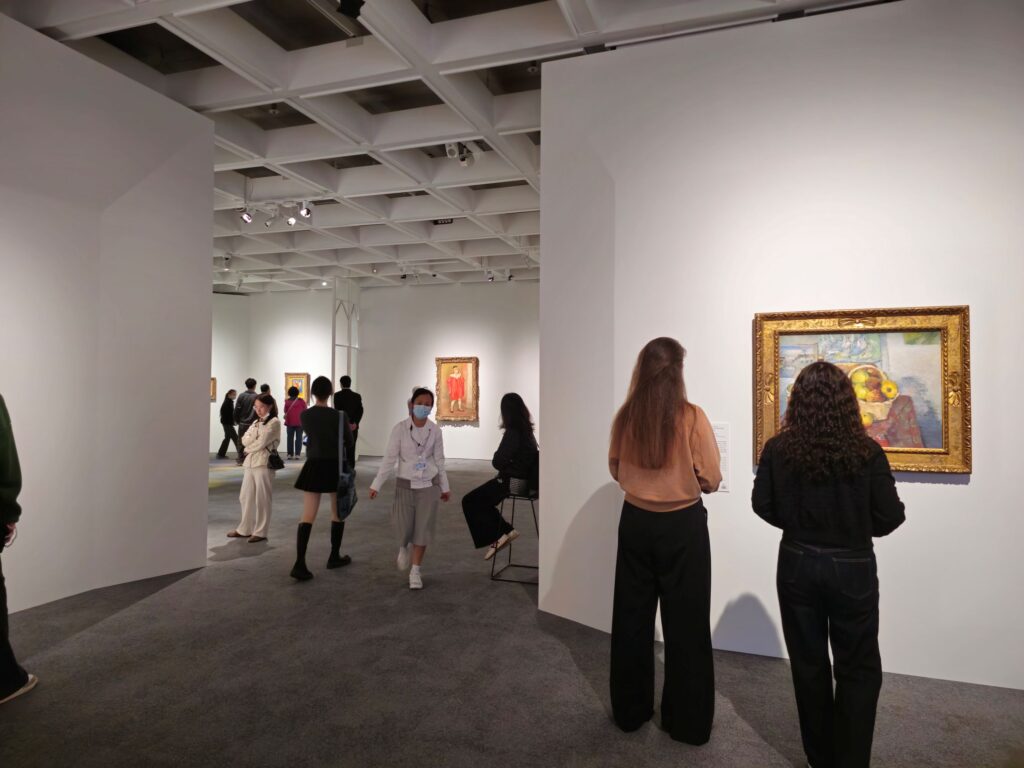
The international art collection covers Western art from the 16th through the 20th centuries — a selective rather than comprehensive collection that complements the Chinese holdings by providing context for Hong Kong’s position as an East-West cultural intersection.
The collection includes works by European masters alongside Japanese and other Asian artists, reflecting Hong Kong’s historical position as a trading entrepôt where multiple artistic traditions encountered each other. The international collection is smaller than the Chinese holdings and is best understood as context rather than centerpiece.
Temporary Exhibitions
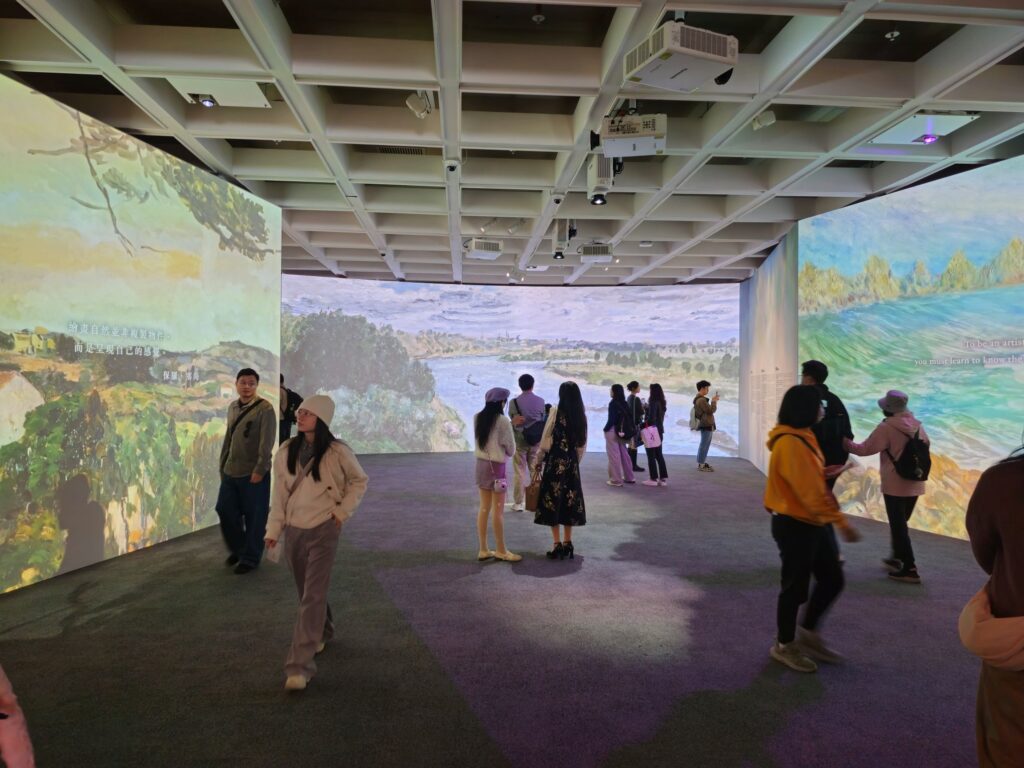
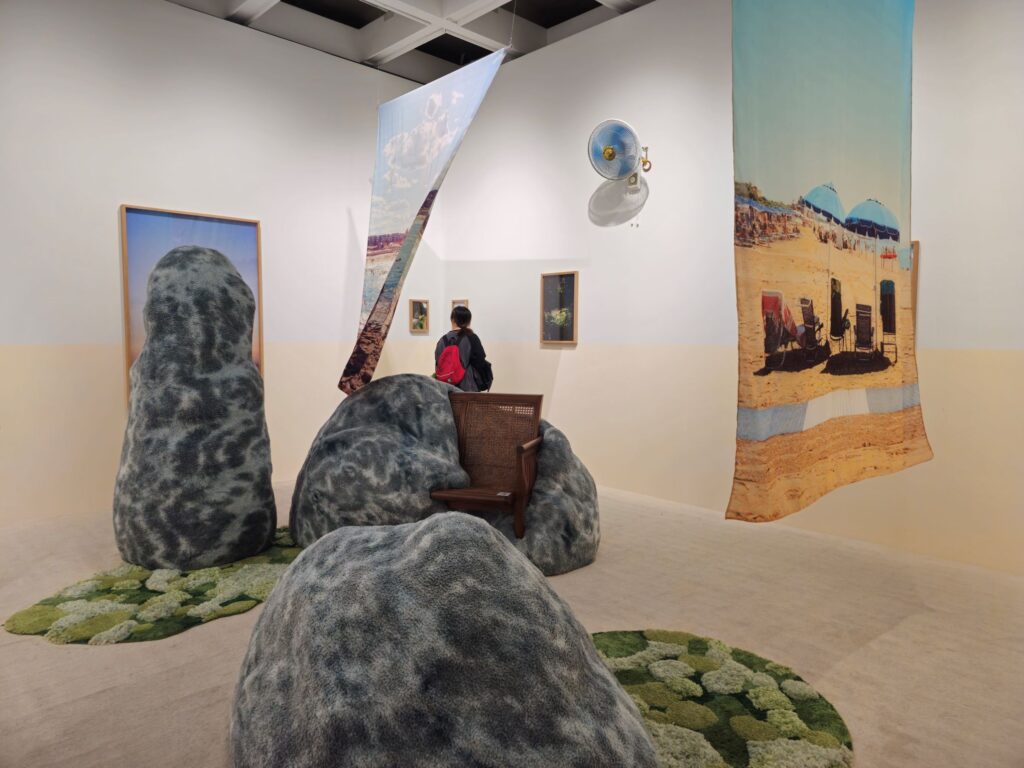
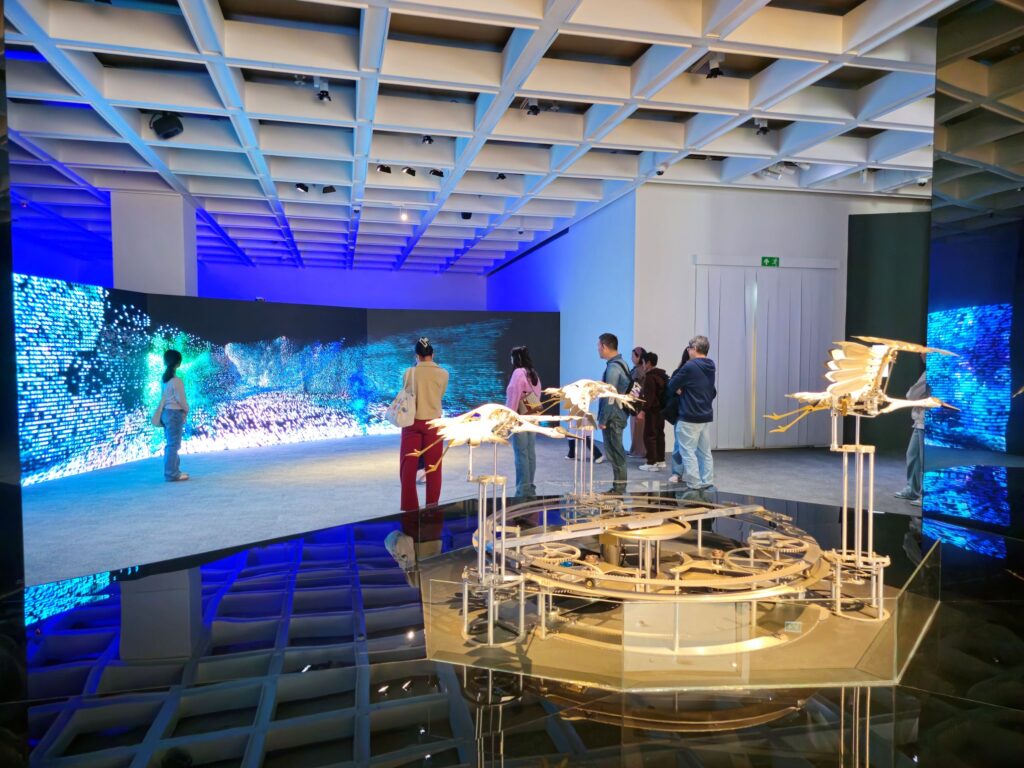
Beyond the permanent collection, the HKMoA hosts a program of temporary exhibitions that rotate throughout the year — typically 3–4 major temporary exhibitions running simultaneously in the dedicated temporary gallery spaces on the lower floors.
The temporary exhibition program covers a range of subjects: retrospectives of significant Chinese and Hong Kong artists, thematic exhibitions exploring specific periods or movements, and occasional international exhibitions bringing major works from other institutions to Hong Kong.
Checking current exhibitions: The museum website lists current and upcoming temporary exhibitions with dates and admission information. Some temporary exhibitions are free with museum entry; others charge additional admission. Checking before visiting allows you to allocate time for any temporary exhibitions that interest you alongside the permanent collection.
The Museum Café
The museum café on the harbor side of the building is one of the more pleasant café experiences in Tsim Sha Tsui — a seated space with harbor views through large windows, serving coffee, tea, and light meals at prices that reflect a museum café premium but are reasonable by Hong Kong standards.
The café is worth using for a mid-visit break — the harbor view provides a natural connection between the art inside and the city outside, and the seated rest is useful midway through a full museum visit. On a clear January day, the view from the café windows across the harbor to Hong Kong Island is one of the better static harbor views available in Tsim Sha Tsui.
Kowloon Park: The Natural Combination
Kowloon Park — immediately north of the museum, accessible by a short walk up the waterfront promenade and then west through the Cultural Centre plaza — pairs naturally with the museum visit for a complete Tsim Sha Tsui morning.
I did both on the same morning in January: Kowloon Park first (early morning, when the park is at its most atmospheric with tai chi practitioners and morning walkers), then the museum as the day warmed and the park crowds built. The combination of the park’s outdoor space and the museum’s indoor galleries covers both the experiential and cultural dimensions of a Tsim Sha Tsui morning without overlap.
The sequence that works:
8:00am:  Kowloon Park
          Morning atmosphere, flamingo lake,
          tai chi practitioners
          (45 minutes to 1 hour)

9:00am:  Walk south along the promenade
          to the Hong Kong Museum of Art

9:15am:  Museum opens
          Permanent collection — Chinese
          antiquities, Hong Kong Art galleries
          (2–3 hours)

12:00pm: Museum café — harbor view lunch
          or coffee break

12:30pm: Continue to Star Ferry pier
          (5 minutes along the promenade)
          Cross to Central
Museum of Art vs Other Hong Kong Museums
Hong Kong has several museums worth visiting — understanding how the Museum of Art fits into the broader museum landscape helps prioritize it correctly.
| Museum | Focus | Cost | Location |
|---|---|---|---|
| Hong Kong Museum of Art | Chinese and HK art | Free (permanent) | Tsim Sha Tsui waterfront |
| Hong Kong Museum of History | Hong Kong history | Free | Tsim Sha Tsui |
| Hong Kong Science Museum | Science and technology | Paid | Tsim Sha Tsui |
| Hong Kong Heritage Museum | Culture and heritage | Free (some galleries) | Sha Tin |
| M+ Museum | Visual culture | Paid | West Kowloon |
M+ Museum — opened in 2021 in the West Kowloon Cultural District — is the most significant addition to Hong Kong’s museum landscape in recent years. Its collection of 20th and 21st century visual culture from Hong Kong, China, Asia, and the world makes it the most internationally prominent Hong Kong museum and a significant destination in its own right. For visitors with serious art interest, M+ and the Hong Kong Museum of Art together cover the breadth of the city’s museum offering.
For most first-time visitors to Tsim Sha Tsui, the Hong Kong Museum of Art is the right choice: free, well-located, directly relevant to understanding Hong Kong’s cultural position, and the right scale for a morning visit without requiring a separate journey.
Practical Information
Opening hours: Wednesday to Monday, 10am–6pm (closed Tuesdays). Extended hours on some public holidays — check the museum website for current schedules.
Admission: Free for permanent collection galleries. Some temporary exhibitions charge separate admission.
Getting there: Walk along the Tsim Sha Tsui promenade from the Star Ferry pier (5 minutes east) or from the YMCA Salisbury Hotel (2 minutes along the waterfront). The museum is clearly visible from the promenade — the large facade artwork on the harbor side is a useful landmark.
Photography: Photography is permitted in most permanent gallery spaces — check signage in specific galleries, as some temporary exhibitions may restrict photography.
Accessibility: The museum is fully accessible with lifts serving all floors. The harbor-side entrance has level access from the promenade.
Audio guide: Available for the permanent collection — worth considering for the Chinese antiquities and fine art galleries where context significantly enhances the experience.
Museum shop: A well-stocked shop on the ground floor carries art books, prints, and Hong Kong-themed design items — one of the better museum shops in the city.
Why the Museum Is Underrated
The Hong Kong Museum of Art’s reputation among visitors is lower than its quality justifies. Several factors contribute to this:
Location perception: The museum sits between two more famous Tsim Sha Tsui destinations — the Star Ferry pier and the Symphony of Lights promenade — and is often passed rather than entered.
Free admission: Paradoxically, free admission sometimes reduces perceived value. The museum is free because the Hong Kong government funds public cultural institutions — not because the collection is mediocre.
The renovation gap: Visitors whose last experience was pre-2015 may be working from outdated impressions of a less impressive facility.
Competition from M+: The opening of M+ in West Kowloon has drawn some of the art-interested visitor attention that previously went to the Museum of Art — though the two institutions serve different functions and both deserve visits.
The honest assessment: the Hong Kong Museum of Art is one of the better free art museums in Asia, with a collection that directly illuminates the city you’re visiting, in a building with harbor views and a café. It deserves 2–3 hours of your time.
Final Thoughts
The Hong Kong Museum of Art is the kind of institution that rewards visitors who enter expecting something modest and find something considerably better. The free permanent collection — Chinese antiquities, Hong Kong art, Chinese fine art — is substantial and well-presented. The building’s harbor location gives it a visual context that indoor museums rarely have. And the Hong Kong Art galleries specifically offer something that no other Hong Kong experience provides: the city’s own artists engaging with the questions of identity, history, and change that Hong Kong has been living through.
Walk past it on the promenade once to see the facade. Then go in.
Temple Street Night Market: Complete Guide to Hong Kong’s Most Atmospheric Market