

Japan is one of those destinations that rewards preparation. Not because it’s difficult — in many ways it’s one of the easiest countries in the world to travel independently — but because a little planning upfront unlocks a completely different experience. The difference between a first-time visitor who prepared and one who didn’t is visible within the first hour of arrival.
I’ve traveled to Japan in spring, covering Tokyo, Osaka, Kyoto, Fukuoka, and Sapporo, and this guide covers everything I wish I’d known before my first trip — and everything that made subsequent visits smoother. Consider this the foundation before you dive into the city-specific guides.
Why Japan Is Worth the Trip
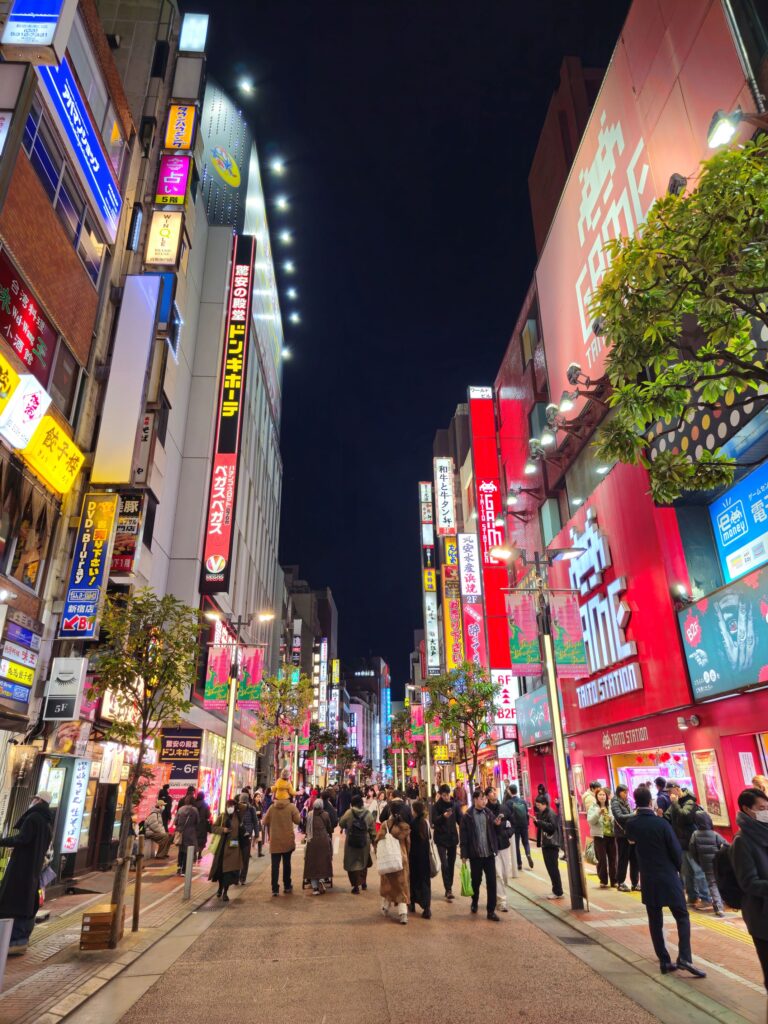
Japan sits in a category of its own among travel destinations. It’s a country where a 1,000-year-old temple sits a five-minute walk from a convenience store selling some of the best ready-made food you’ll eat on the trip. Where trains run to the second. Where a bowl of ramen in a eight-seat counter restaurant can be the meal you remember years later.
It’s also a country that operates on its own logic — different enough from most Western and even Asian travel experiences that the first visit requires recalibrating some basic assumptions. This guide is designed to help you do that before you land.
When to Visit Japan
Japan has four distinct seasons, each with its own character, crowds, and costs. The timing of your visit shapes the entire experience.
Spring (March–May) — Peak Season
Spring is the most popular time to visit Japan, and for good reason: cherry blossom season (sakura) typically runs from late March to mid-April, transforming parks, riverbanks, and temple grounds into something genuinely extraordinary. I visited in spring, and the timing coincided with peak bloom in Tokyo — the crowds were real, but so was the experience.
The trade-off is cost and availability. Hotels and flights during cherry blossom season book out months in advance and prices spike significantly. If you’re planning a spring trip, book as early as possible — ideally 4–6 months ahead for the peak weeks.
Golden Week (late April to early May) is Japan’s major national holiday period and sees the entire country traveling simultaneously. Avoid it if possible unless you’re specifically interested in the festival atmosphere.
Autumn (September–November) — Equally Beautiful, Slightly Less Crowded
Autumn foliage (koyo) season — typically mid-October to late November — rivals spring for sheer beauty and is often considered by regular Japan visitors to be the better season. Temperatures are comfortable, the light is excellent, and while crowds gather at famous foliage spots, the overall visitor volume is slightly lower than cherry blossom peak.
Summer (June–August) — Hot, Humid, and Festive
Summer in Japan is hot and humid, particularly in Tokyo and Osaka — temperatures regularly exceed 35°C with high humidity in July and August. It’s also the season of matsuri (festivals), fireworks displays, and yukata-clad crowds at shrines and temples. Sapporo in summer is significantly cooler than the mainland cities and worth considering as a base.
Winter (December–February) — Cold but Rewarding
Winter is the low season for most of Japan, which means lower prices and thinner crowds at major sights. Kyoto in winter has a particular atmosphere — temples in snow, fewer tourists, a quieter version of the city. Sapporo’s Snow Festival in early February draws large crowds but is genuinely spectacular.
Getting to Japan
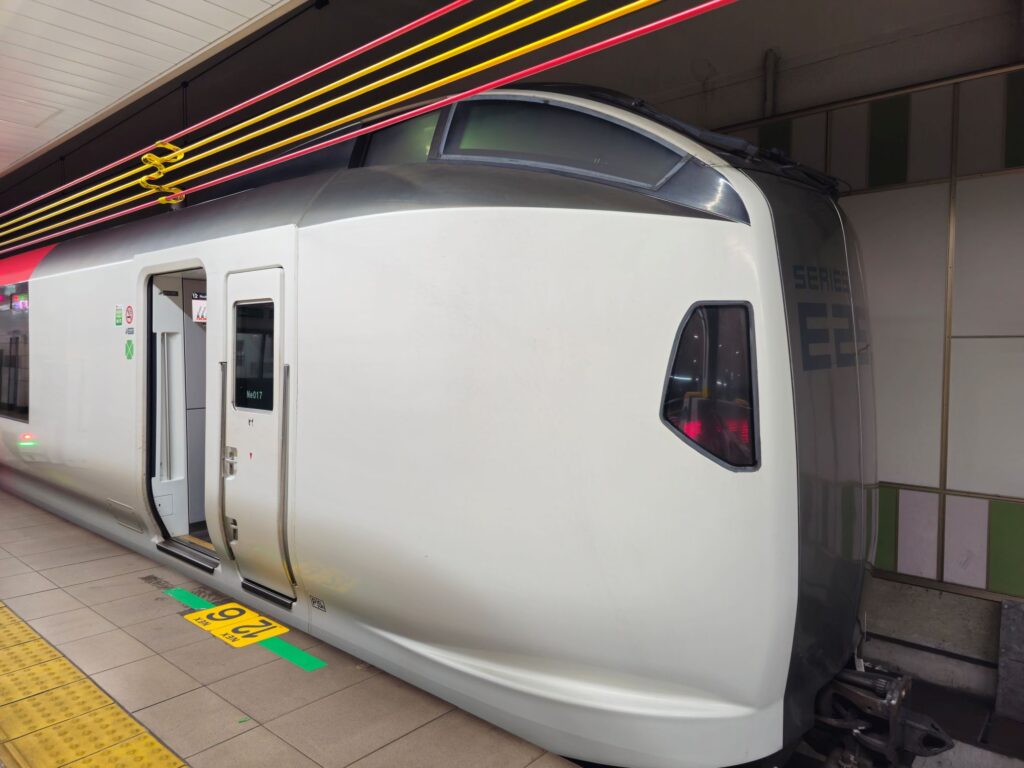
Most international visitors arrive at Tokyo Narita (NRT) or Tokyo Haneda (HND) for eastern Japan, or Osaka Kansai (KIX) for the Kansai region (Osaka, Kyoto, Nara). Haneda is closer to central Tokyo and generally more convenient for city access; Narita is further out but often cheaper.
From Korea, Japan is one of the most accessible destinations — multiple daily flights connect Incheon to Tokyo, Osaka, Fukuoka, and Sapporo, with budget carriers offering competitive fares when booked in advance.
Getting Around Japan
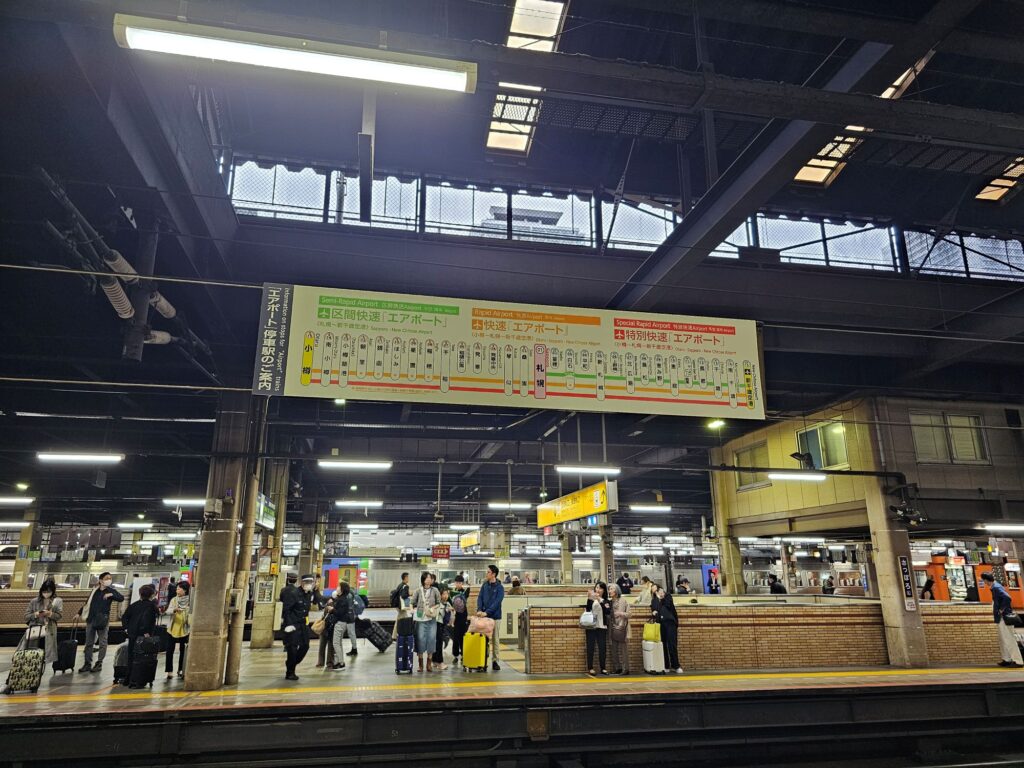
This is where preparation pays off most. Japan’s transport system is extraordinary — punctual, comprehensive, and extensive — but it has options that require understanding before you arrive.
The JR Pass
The Japan Rail Pass (JR Pass) is a fixed-price unlimited travel pass covering most JR (Japan Railways) trains nationwide, including most Shinkansen (bullet train) services. It’s available in 7-day, 14-day, and 21-day versions and must be purchased outside Japan before departure.
I used the JR Pass on my trip covering multiple cities, and whether it’s worth it depends entirely on your itinerary. The rough rule: if you’re traveling between two or more major cities by Shinkansen, run the numbers. A single Tokyo–Osaka Shinkansen round trip costs roughly the same as a 7-day pass — add any additional intercity travel and the pass pays for itself.
When the JR Pass is worth it:
- Multi-city itineraries covering Tokyo + Kyoto/Osaka + one or more additional cities
- Any itinerary involving multiple Shinkansen journeys
- Travel to Hiroshima, Fukuoka, or Sapporo from Tokyo or Osaka
When it’s not worth it:
- Staying in one city only
- Short trips where local transport covers most needs
- Itineraries focused on cities well-served by budget domestic flights
Suica IC Card
The Suica card (issued by JR East) is a rechargeable IC card that works on virtually all urban rail, subway, bus, and tram networks across Japan. It also works at convenience stores, vending machines, and many restaurants and shops. I used mine constantly — it’s the single most useful thing you can have in your pocket in Japan after your passport.
You can now add Suica to Apple Wallet or Google Pay before you travel, which means you can set it up before landing and use it immediately at the airport. Top it up at any JR ticket machine or convenience store. Keep a balance of at least ¥2,000–3,000 at all times.
Important: The JR Pass and Suica serve different purposes and complement each other. Use the JR Pass for Shinkansen and long-distance JR trains; use Suica for urban metro, local trains, buses, and daily purchases.
Shinkansen (Bullet Trains)
Japan’s Shinkansen network connects major cities at speeds up to 320km/h with a punctuality record that makes other rail systems look embarrassing. The experience itself — the silence, the speed, the views of Mount Fuji on the Tokyo–Osaka route on a clear day — is one of the highlights of traveling in Japan.
Key routes for most itineraries:
- Tokyo → Kyoto/Osaka: approximately 2 hours 15 minutes (Nozomi), 2 hours 40 minutes (Hikari, covered by JR Pass)
- Osaka → Hiroshima: approximately 45 minutes
- Tokyo → Fukuoka (Hakata): approximately 5 hours
Note: The fastest Nozomi and Mizuho services are not covered by the standard JR Pass — use the Hikari or Sakura services instead, which are only marginally slower on most routes.
Getting Around Cities
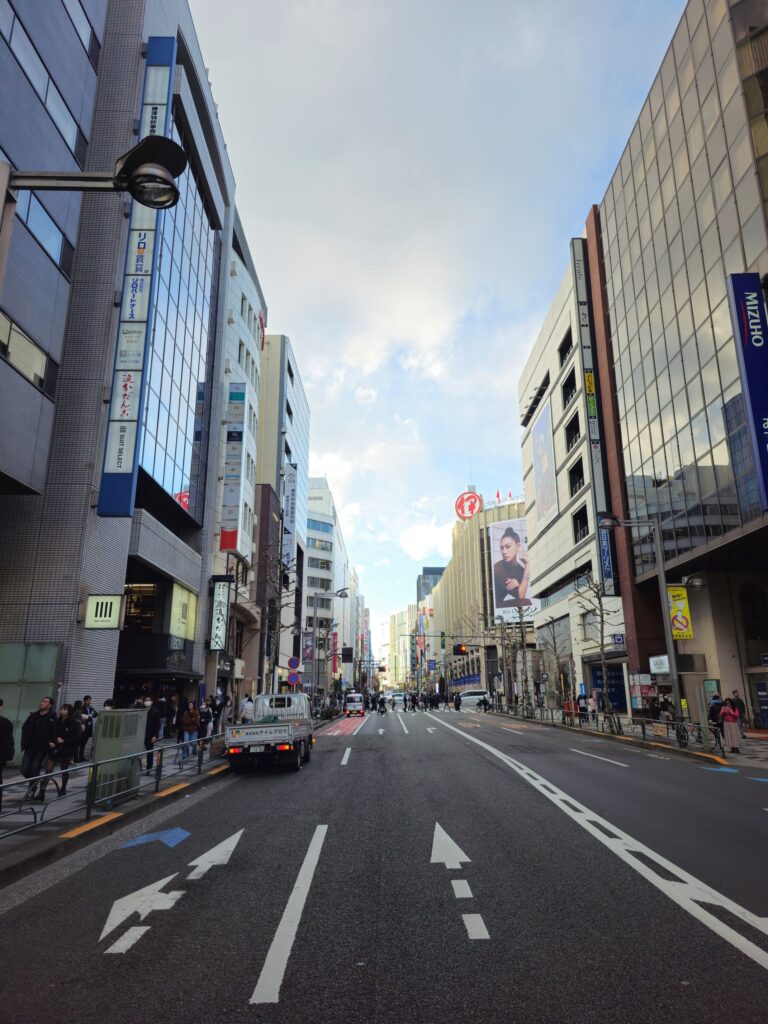
Each major Japanese city has its own subway and urban rail network. Tokyo’s is the most extensive and initially the most overwhelming — the map looks impenetrable at first, but Google Maps handles Japanese transit routing extremely well and is the most reliable navigation tool. Input your destination, select transit, and follow the instructions.
Taxis in Japan are metered, reliable, and expensive — use them for short late-night journeys or when carrying heavy luggage, not as a primary transport option.
Connectivity: SIM, eSIM, and Pocket WiFi
Staying connected in Japan is straightforward, with several good options depending on your preference.
eSIM
I switched to using an eSIM for Japan on my most recent trip and found it by far the most convenient option. Purchase a Japan data eSIM from a provider like Airalo, Ubigi, or your home carrier’s roaming eSIM before departure, activate it on arrival, and you have immediate data connectivity without needing to pick up a physical SIM or device at the airport.
Data-only eSIMs for Japan typically offer 1GB to unlimited data packages for 7–30 days at reasonable prices. Voice calls are not included in most data eSIMs, but messaging apps handle communication needs entirely.
Pocket WiFi
Pocket WiFi devices can be rented at the airport or delivered to your accommodation before arrival. They broadcast a WiFi signal that multiple devices can connect to simultaneously — useful for groups or anyone who needs multiple devices connected. The trade-off is carrying an additional device and remembering to charge it. I used pocket WiFi on earlier trips and found it worked well, but the convenience of eSIM has replaced it for solo travel.
Physical SIM Card
Data SIM cards are available for purchase at major airports (Narita, Haneda, Kansai) from providers including IIJmio, b-mobile, and others. They require physical installation and are slightly less convenient than eSIM for immediate use on arrival, but offer reliable data coverage.
Recommendation: For most travelers, an eSIM is the easiest and most flexible option. Purchase before departure, activate on arrival, and you’re connected immediately.
Money in Japan
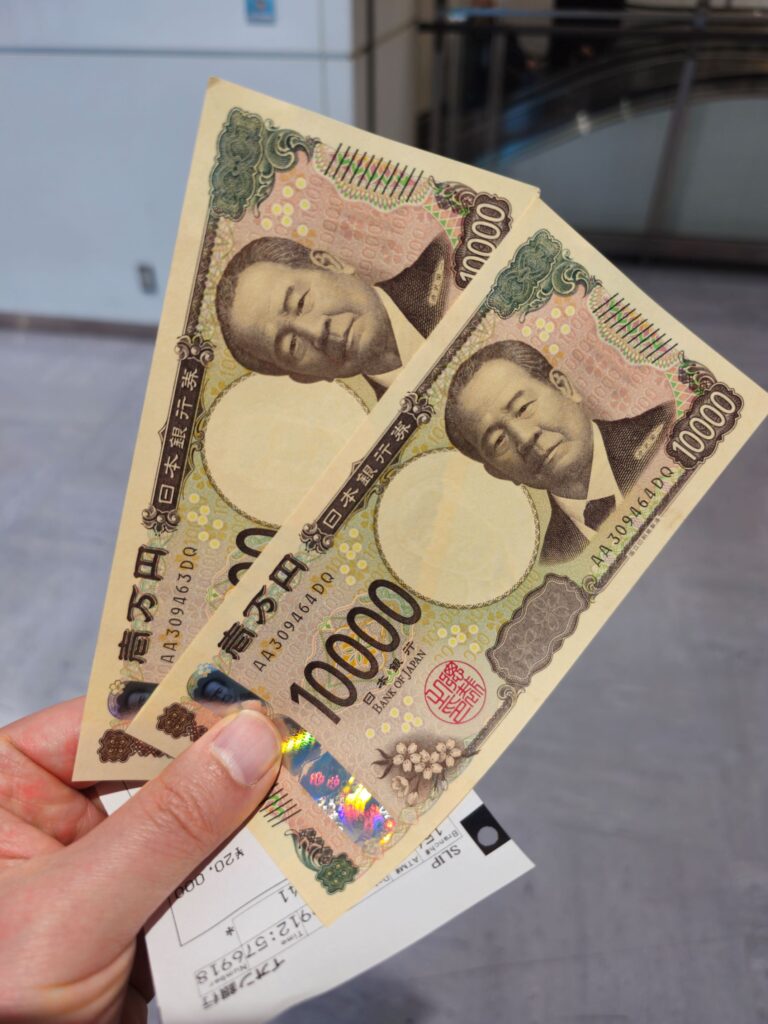
Japan has a reputation as a cash-heavy society, and while card acceptance has improved significantly in recent years — particularly in cities — cash remains important in ways that will catch you off guard if you’re not prepared.
Always carry cash for:
- Smaller restaurants and ramen shops (many are cash-only)
- Convenience store purchases (though most now accept IC cards and some cards)
- Vending machines
- Some temples and shrines
- Taxis
Getting cash: 7-Eleven ATMs and Japan Post ATMs reliably accept foreign cards and dispense yen. They’re everywhere — finding one is never difficult. Withdraw larger amounts less frequently rather than small amounts repeatedly to minimize fees.
How much to budget:
- Budget traveler (hostels, convenience store meals, public transport): ¥8,000–12,000/day
- Mid-range (business hotels, mix of restaurants): ¥15,000–25,000/day
- Comfortable (good hotels, regular restaurant dining): ¥30,000+/day
Food in Japan: What to Eat and Where
Japanese food culture operates at a level of craft and consistency that’s genuinely unlike anywhere else. A ¥800 bowl of ramen at a counter restaurant can be the best thing you eat all week. Here’s what not to miss.
Sushi
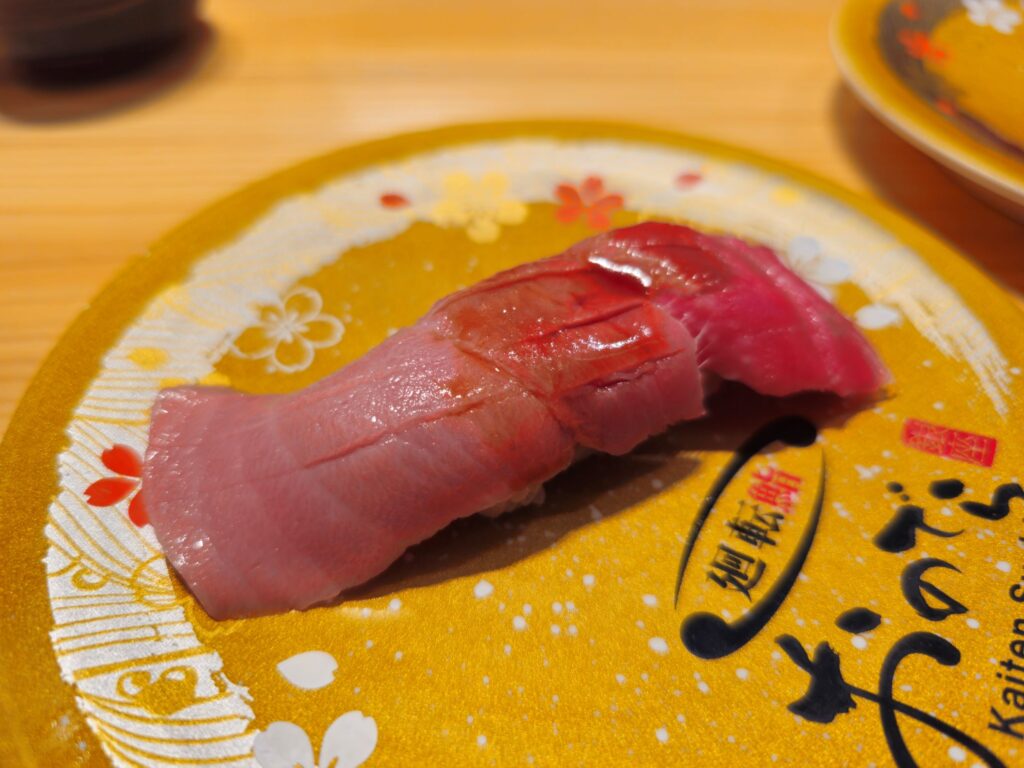
Japan’s sushi ranges from standing sushi bars (kaiten-zushi, conveyor belt) to high-end omakase counter experiences. For everyday sushi, kaiten-zushi chains like Sushiro and Kura Sushi offer excellent quality at very reasonable prices — plates typically cost ¥110–330 each. For a more traditional experience, look for smaller sushi-ya (sushi restaurants) where the chef prepares each piece to order.
Ramen
Every region of Japan has its own ramen style, and exploring the differences is one of the quiet pleasures of traveling across the country. Tokyo-style shoyu (soy sauce) broth; Osaka’s lighter, cleaner styles; Fukuoka’s rich, creamy tonkotsu (pork bone) broth — the version that Fukuoka in particular is famous for. Find a dedicated ramen shop rather than a chain, sit at the counter, and order from the ticket machine at the entrance.
Izakaya
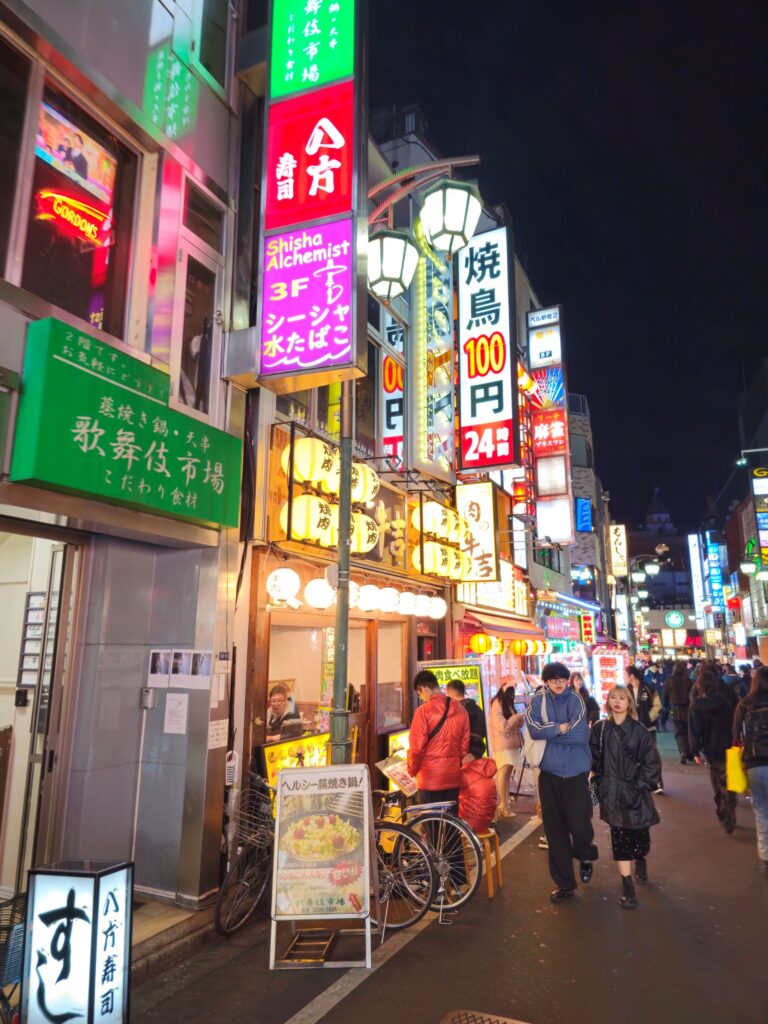
An izakaya is a Japanese pub-restaurant — the default evening social venue for Japanese people and one of the best ways to eat and drink well without spending a lot. Orders come in small dishes meant for sharing: yakitori (grilled chicken skewers), karaage (fried chicken), edamame, grilled vegetables, and whatever the chef is making that evening. Order a cold beer or highball (whisky and soda) to start and work through the menu slowly. Budget ¥2,000–4,000 per person for a full izakaya evening including drinks.
Tonkatsu and Donburi
Tonkatsu — breaded, deep-fried pork cutlet served with shredded cabbage and miso soup — is one of Japan’s great comfort foods. Quality varies enormously; a dedicated tonkatsu restaurant will serve a version dramatically better than a casual chain. Donburi (rice bowls topped with various proteins — beef, chicken, egg, tempura) are the standard quick lunch option and excellent value at ¥500–800.
Okonomiyaki and Takoyaki
Okonomiyaki is a savory pancake filled with cabbage, meat or seafood, and topped with mayonnaise and okonomiyaki sauce — particularly associated with Osaka and Hiroshima (where the styles differ significantly). Takoyaki are octopus-filled batter balls cooked in a special iron mold, sold from street stalls throughout Osaka. Both are quintessential Osaka street food experiences.
Convenience Store Food
Japan’s convenience stores — 7-Eleven, FamilyMart, Lawson — operate at a level completely different from their equivalents elsewhere. Onigiri (rice balls) are fresh, well-made, and cost ¥150–200. Sandwiches, hot foods at the counter, instant noodles, and a bewildering array of drinks and snacks are all genuinely good. I ate convenience store meals regularly throughout my trip, not out of necessity but because they were often the most convenient and consistently good option available.
Japanese Culture: Essential Things to Know
Japan has a strong set of social norms that aren’t difficult to follow once you’re aware of them — and following them makes the experience significantly better for everyone.
On public transport
- Keep phone calls to a minimum or step off the train to take calls
- Priority seats near the doors are reserved for elderly, pregnant, and disabled passengers — give them up without being asked
- Eating on local trains and subways is generally frowned upon (long-distance Shinkansen is fine)
- Queuing is serious — always line up at the marked spots on the platform
At temples and shrines
- Remove shoes when entering buildings where shoes-off signs are posted
- Purify your hands at the temizuya (water basin) before approaching the main hall
- Photography rules vary by temple — check signs and follow them
- Keep voices down in worship areas
At restaurants
- Oshibori (wet towels provided at the start of a meal) are for hands only, not faces
- Tipping is not practiced in Japan — leaving money on the table can cause confusion or offence
- Slurping noodles is acceptable and even considered a sign of enjoyment
- Many restaurants have a ticket machine at the entrance — purchase your meal ticket before sitting down
General
- Trash cans are scarce in public spaces — carry a small bag for rubbish
- Tattoos may restrict access to some onsen (hot spring baths) — check the policy before visiting
- Bowing is the standard greeting — a small nod is fine for tourists; deeper bows are for more formal interactions
- Carrying a small amount of cash at all times is genuinely important — don’t rely entirely on cards
Best Time to Visit Each City
| City | Best Season | Notes |
|---|---|---|
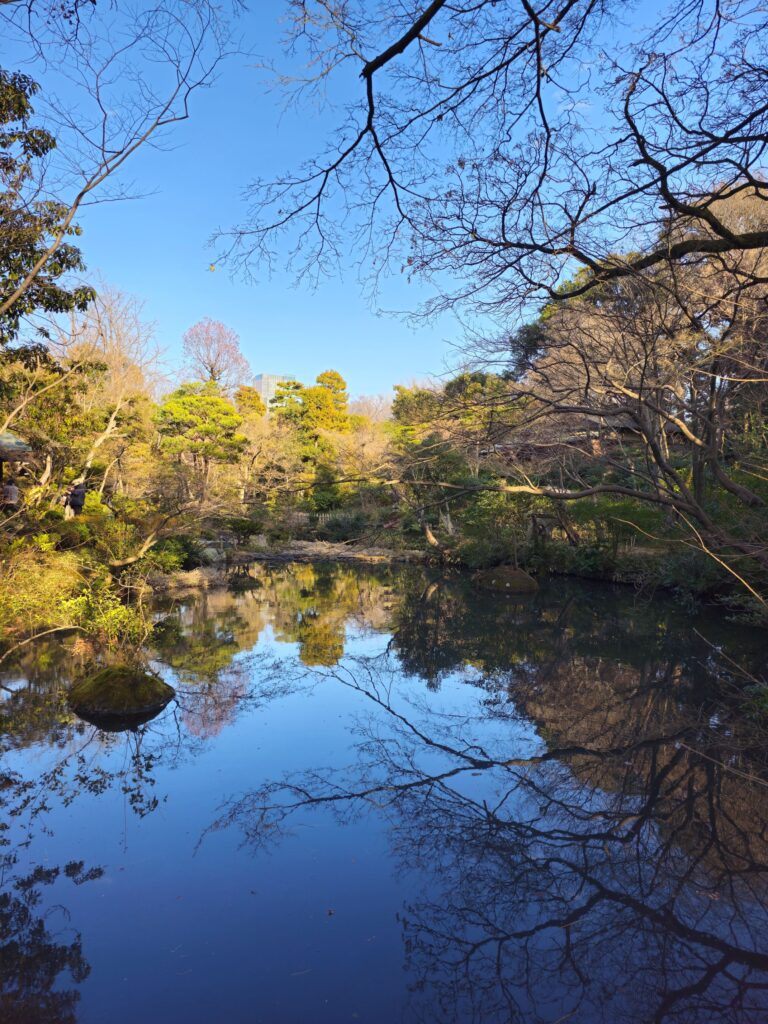
| Tokyo | Spring / Autumn | Cherry blossoms in Shinjuku Gyoen; autumn leaves in Meiji Jingu |
| Kyoto | Spring / Autumn | Most famous for both sakura and koyo |
| Osaka | Year-round | Less seasonal variation; great food any time |
| Fukuoka | Spring / Autumn | Pleasant climate; less crowded than Tokyo/Kyoto |
| Sapporo | Winter / Summer | Snow Festival in February; cool summers ideal for escaping mainland heat |
How Many Days Do You Need?
Japan rewards longer trips, but even a focused short trip can be deeply satisfying if the itinerary is well-planned.
5 days:    Tokyo only, or Osaka + Kyoto only
7 days:    Tokyo + Osaka/Kyoto (tight but doable)
10 days:   Tokyo + Kyoto + Osaka comfortably, with day trips
14 days:   The above + Fukuoka or Hiroshima
21+ days:  Add Hokkaido, Kyushu, or slower travel
The biggest mistake on short Japan trips is trying to cover too much ground. Each city deserves time — Kyoto alone could absorb a week — and transit between cities, while fast, still takes a meaningful chunk of the day when you factor in getting to and from stations.
Practical Tips Recap
- Book accommodation early for spring cherry blossom season and Golden Week — 4–6 months ahead
- Get Suica on your phone before departure via Apple or Google Wallet
- Decide on JR Pass before you leave — it cannot be purchased inside Japan at the standard price
- Download Google Maps offline for your destination cities — it handles transit routing excellently
- Carry cash — ¥10,000–20,000 at all times is a sensible baseline
- 7-Eleven ATMs accept most foreign cards reliably
- Learn a few phrases — arigatou gozaimasu (thank you), sumimasen (excuse me), eigo wa hanasemasu ka (do you speak English?) go a long way
- Pack light — Japan involves a lot of walking and luggage storage at stations (coin lockers) is widely available if needed
City Guides
Ready to go deeper? Here are the detailed itinerary guides for each city covered in this series:
- Tokyo — Coming soon
- Osaka — Coming soon
- Kyoto — Coming soon
- Fukuoka — Coming soon
- Sapporo — Coming soon