

Hong Kong International Airport is one of the best-connected airports in Asia — and getting from the airport to the city is straightforward once you understand the options. I used two different routes on my January trip: the A25 bus on arrival to Tsim Sha Tsui, and the A11 bus on departure from Central back to the airport. Both worked well. Here’s everything you need to know to choose the right option for your journey.
Overview: Your Options at a Glance
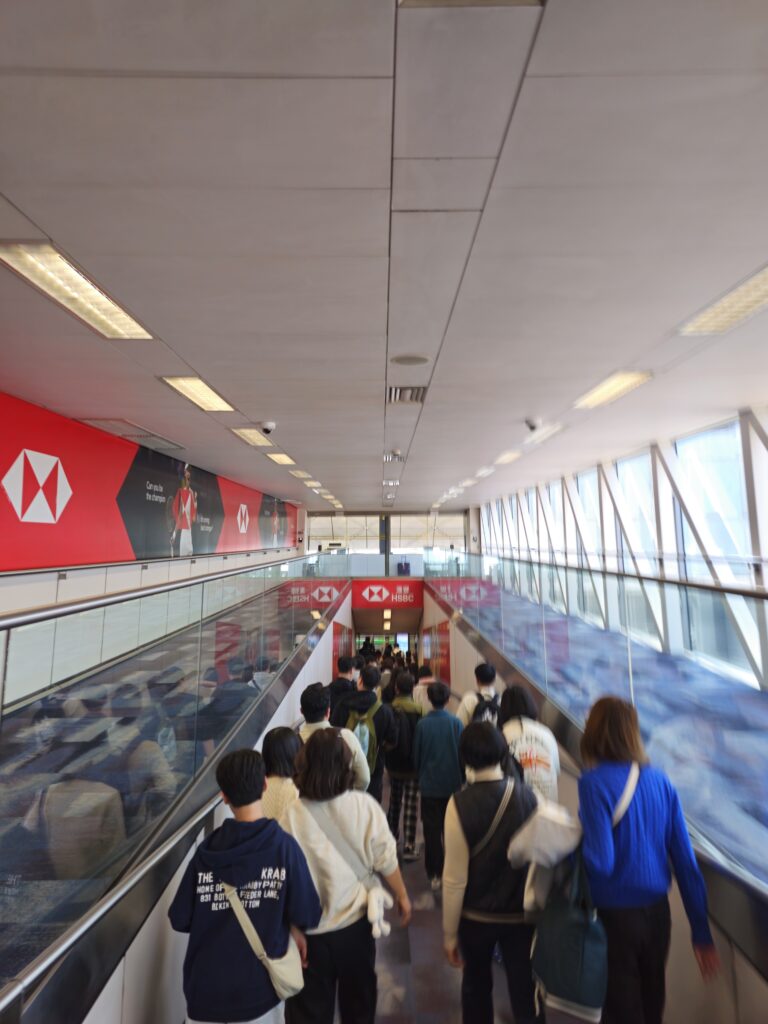
Hong Kong Airport sits on Lantau Island, approximately 35km from the urban center. Four main transport options connect it to the city:
| Option | Journey Time | Cost | Best For |
|---|---|---|---|
| Airport Express Train | 24 min (Hong Kong Station) | ~HK$115 | Speed, comfort |
| Airport Bus (A-routes) | 45–75 min | HK$33–48 | Budget, direct hotel drop |
| Taxi | 30–45 min | HK$250–350+ | Convenience, luggage |
| Ferry | 30–60 min | HK$170–230 | Specific destinations |
Option 1: Airport Express Train
The Airport Express (機場快綫) is the fastest connection between the airport and the city — a dedicated high-speed rail line running from the airport terminal directly to Hong Kong Station in Central in 24 minutes, with stops at Tsing Yi (36 min from airport) and Kowloon Station (22 min from airport).
The trains run every 10 minutes from approximately 5:50am to 1:15am and are clean, fast, and reliable. Luggage storage is easy — dedicated luggage areas in each car handle standard travel bags without difficulty.
In-town check-in: One of the Airport Express’s most useful features is the in-town check-in service available at Hong Kong Station and Kowloon Station. Departing passengers can check their luggage and receive boarding passes at the city station on the day of departure — up to one day before the flight at Hong Kong Station — and travel to the airport without luggage. This is genuinely one of the most convenient airport procedures available anywhere and worth planning around if departing from Central or Kowloon.
Cost: HK$115 (standard adult single, Hong Kong Station). The Octopus card can be used for payment.
Best for: Visitors arriving in Central or Kowloon who prioritize speed and comfort over cost. Business travelers, visitors with tight connections, and anyone arriving late who wants the fastest possible journey to the hotel.
Getting to your final destination from the station: From Hong Kong Station (Central), the MTR connects to the Island Line for Wan Chai, Causeway Bay, and beyond. From Kowloon Station, the MTR connects to the Tung Chung Line and interchange points for Tsim Sha Tsui, Mong Kok, and the broader Kowloon network. A free shuttle bus service also runs between the two stations and selected hotels.
Option 2: Airport Bus (A-Routes)
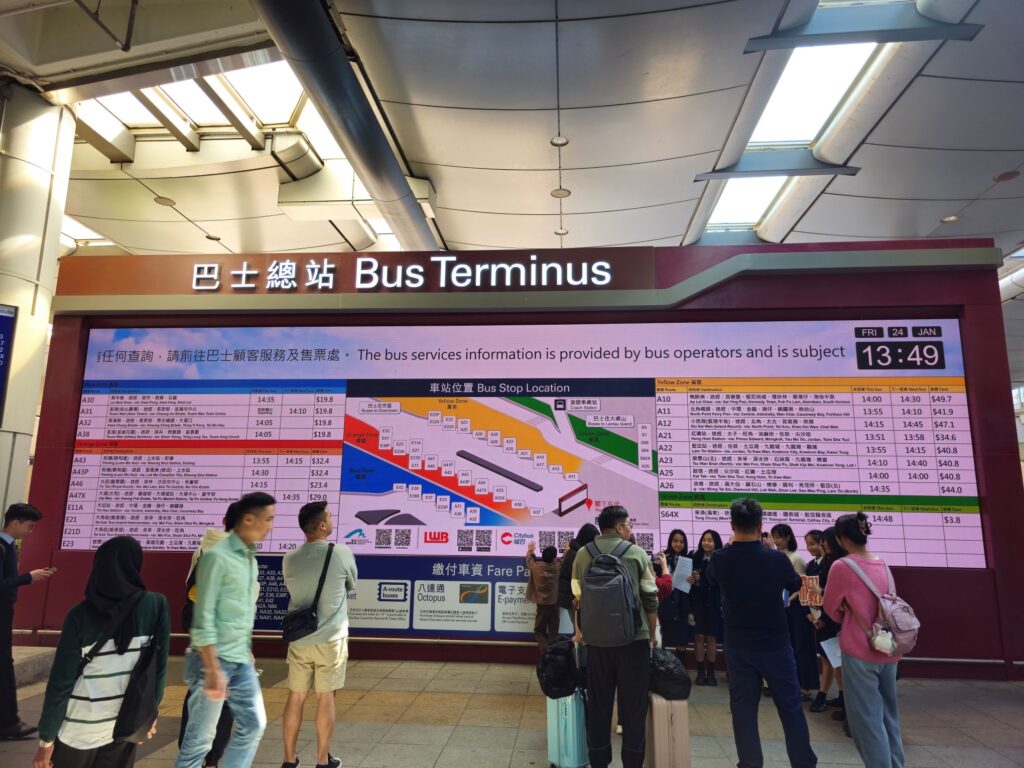
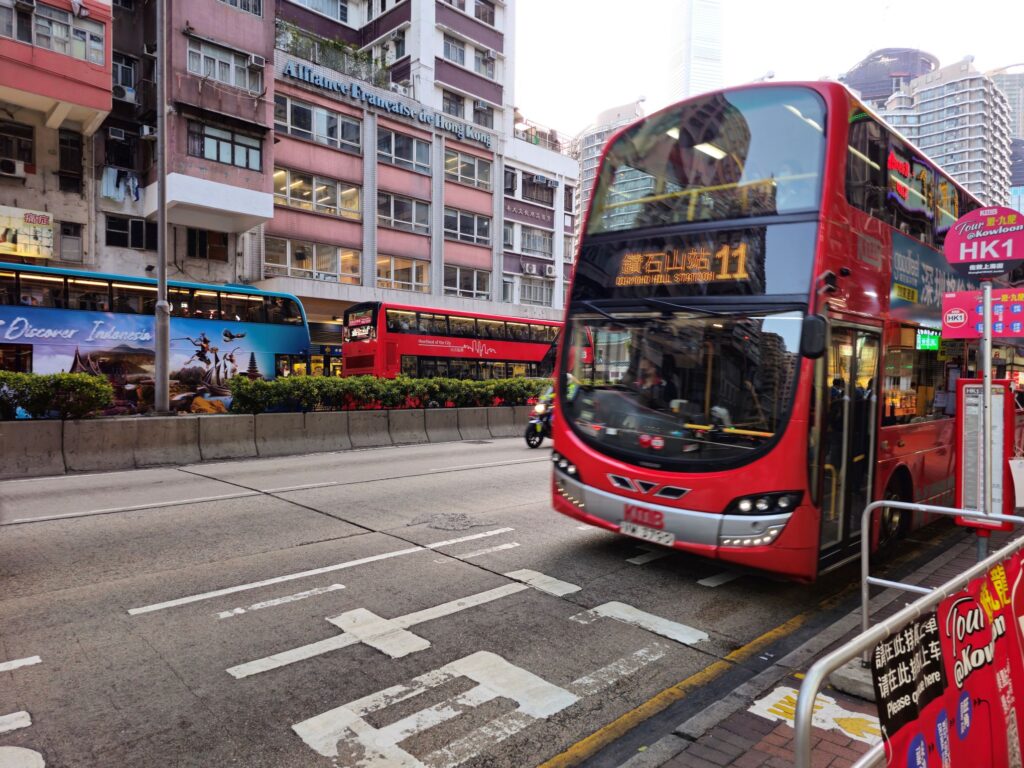
The Airport Bus network — a series of routes designated A10, A11, A21, A22, A29, A31, A33, A35, A41, A43 and others — provides direct connections from the airport to specific neighborhoods throughout Hong Kong at significantly lower cost than the Airport Express.
I used this option on both arrival and departure in January and found it consistently practical — the buses are comfortable, the routes are well-signposted at the airport, and the stops along the route are announced clearly in English.
A25 Bus: Airport to Tsim Sha Tsui
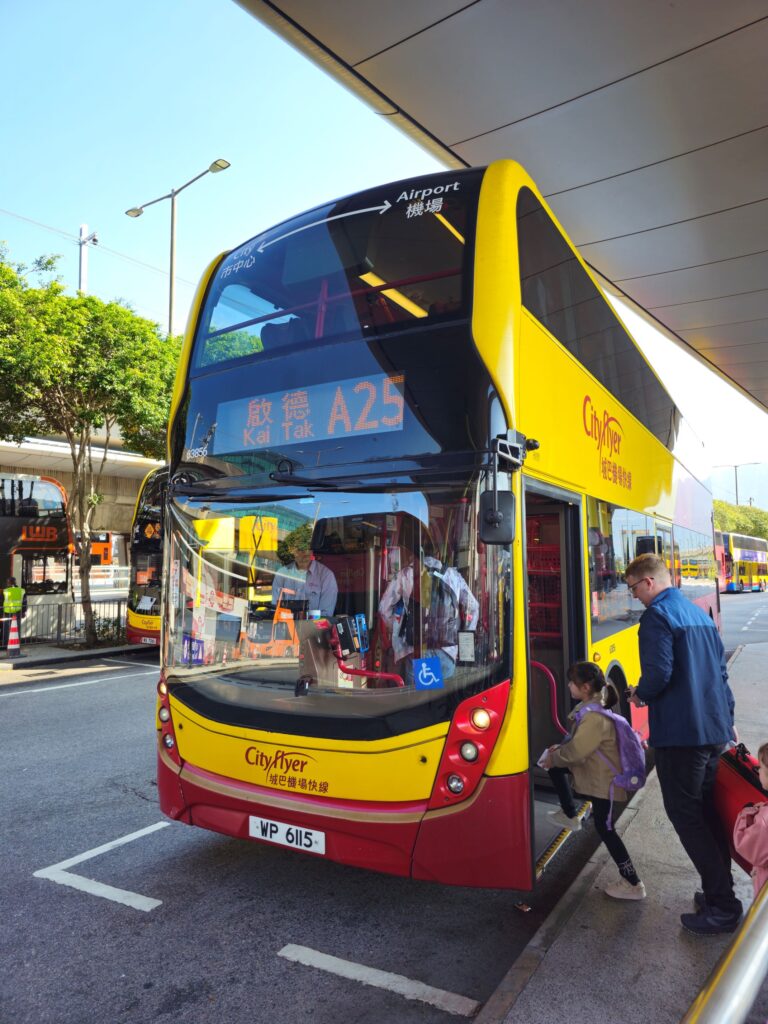
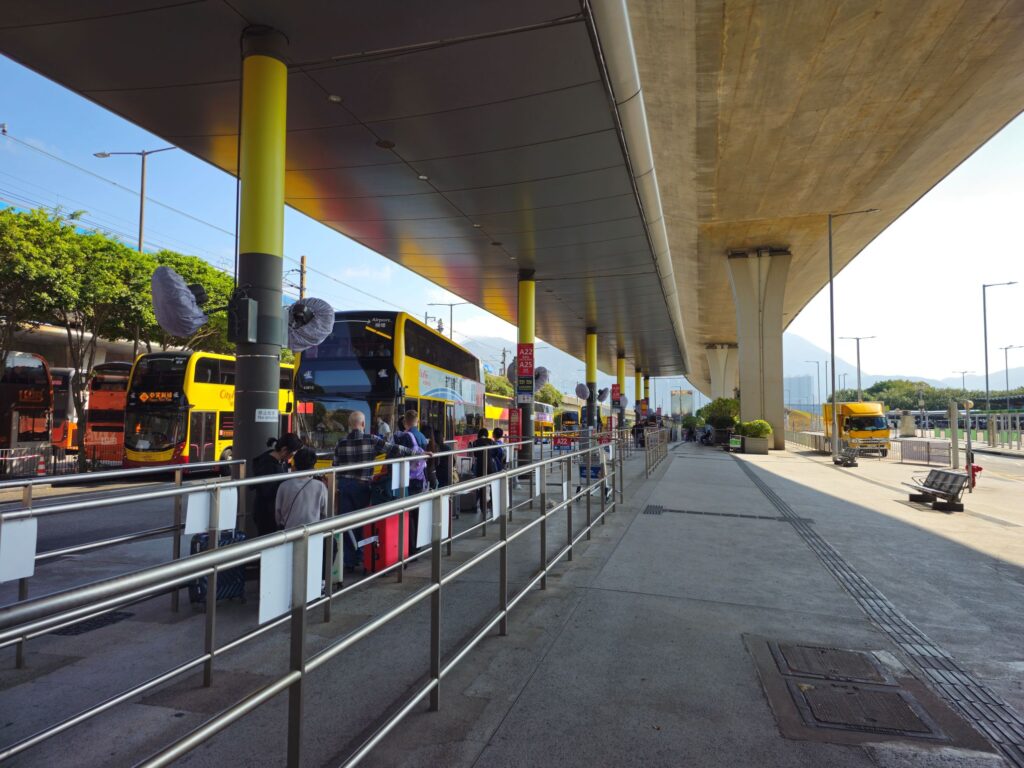
The A25 bus runs from the airport directly to Tsim Sha Tsui, stopping at multiple points along the route including Nathan Road and the major hotel areas of Kowloon. On my January arrival, I boarded the A25 at the airport bus stop (clearly signed outside the arrivals hall) and alighted at a stop convenient for the YMCA Salisbury Hotel — the journey took approximately 55 minutes and cost a fraction of the Airport Express.
Key stops on the A25 route:
- Tsim Sha Tsui (Nathan Road, multiple stops)
- Jordan
- Mong Kok
Best for: Visitors staying in Tsim Sha Tsui or Kowloon who don’t need to be at their hotel urgently. Solo travelers and couples with manageable luggage.
A11 Bus: Airport to/from Hong Kong Island (Central, Wan Chai, Causeway Bay)
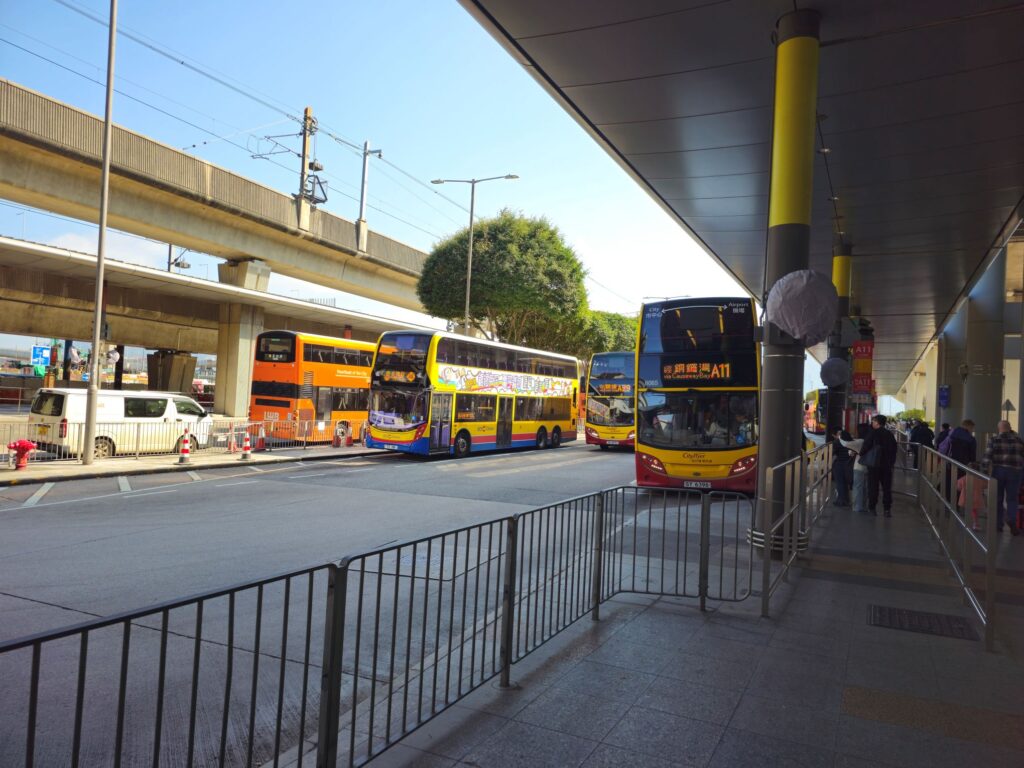
The A11 bus connects the airport to Hong Kong Island — running through the cross-harbour tunnel to stops in Wan Chai, Central, and Causeway Bay. On my January departure, I boarded the A11 from a stop near my Central hotel and rode it directly to the airport, arriving with plenty of time before my flight.
Key stops on the A11 route:
- Central (multiple stops including Exchange Square)
- Admiralty
- Wan Chai
- Causeway Bay
Journey time: Approximately 45–60 minutes to Central depending on traffic.
Cost: HK$40 (approximate — confirm current fares at the airport or on the bus company website).
Best for: Visitors staying on Hong Kong Island who want a direct, affordable connection to the airport. Particularly good for departure journeys when time pressure is lower and the bus drop-off point is convenient.
General Airport Bus Tips
Finding the bus stops: Airport bus stops are located outside the arrivals hall on Level 5 — follow signs for “Bus” and look for the route boards showing A-route numbers. Staff at the bus stop area can direct you to the correct stop for your destination.
Payment: Octopus card or exact cash. The Octopus card is the more convenient option — exact change in Hong Kong dollars is required for cash payment.
Luggage: Airport buses have luggage storage areas beneath the bus — the driver or an attendant will help load luggage at the airport stop. Intermediate stops may or may not have luggage assistance depending on the driver.
Traffic: Airport bus journey times can extend significantly during peak traffic periods — particularly the Cross-Harbour Tunnel approach during morning and evening rush hours. If you’re arriving on a weekday morning or departing on a weekday afternoon, allow extra time.
Option 3: Taxi
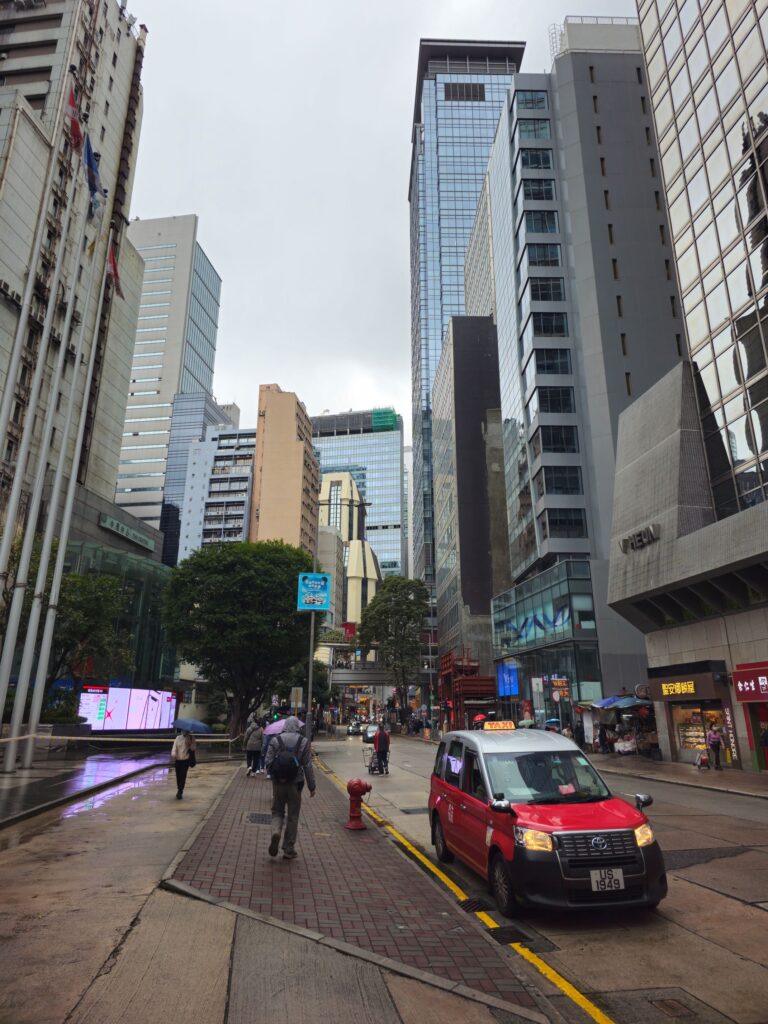
Hong Kong taxis from the airport are metered and available at the designated taxi rank outside the arrivals hall. The fare to most urban destinations includes a tunnel toll surcharge.
Approximate fares:
- Airport to Tsim Sha Tsui: HK$250–320
- Airport to Central: HK$280–360
- Airport to Causeway Bay: HK$300–380
Journey time: 30–45 minutes under normal conditions; longer during peak traffic.
Taxi types at Hong Kong Airport:
- Red taxis: Urban taxis covering Hong Kong Island and Kowloon — the most useful for standard city destinations
- Green taxis: New Territories only — not useful for most visitors
- Blue taxis: Lantau Island only — not relevant for city journeys
Best for: Late-night arrivals when bus frequency drops; visitors with heavy luggage who want door-to-door service; groups where the fare splits to a competitive per-person cost; any situation where time or convenience outweighs cost.
Important: Always use the metered fare — never agree to a fixed price negotiated before getting in. The meter is standard practice and any driver suggesting a fixed price above the meter is overcharging.
Option 4: Ferry
Ferry services connect Hong Kong Airport to specific destinations via the SkyPier facility at the airport — primarily useful for visitors continuing to Macau or destinations in the Pearl River Delta rather than for standard Hong Kong city journeys.
For visitors heading to urban Hong Kong, the ferry is not a practical option compared to the train or bus. It’s included here for completeness and for visitors whose final destination is Macau or mainland China rather than the city.
Departure: Getting from the City to the Airport
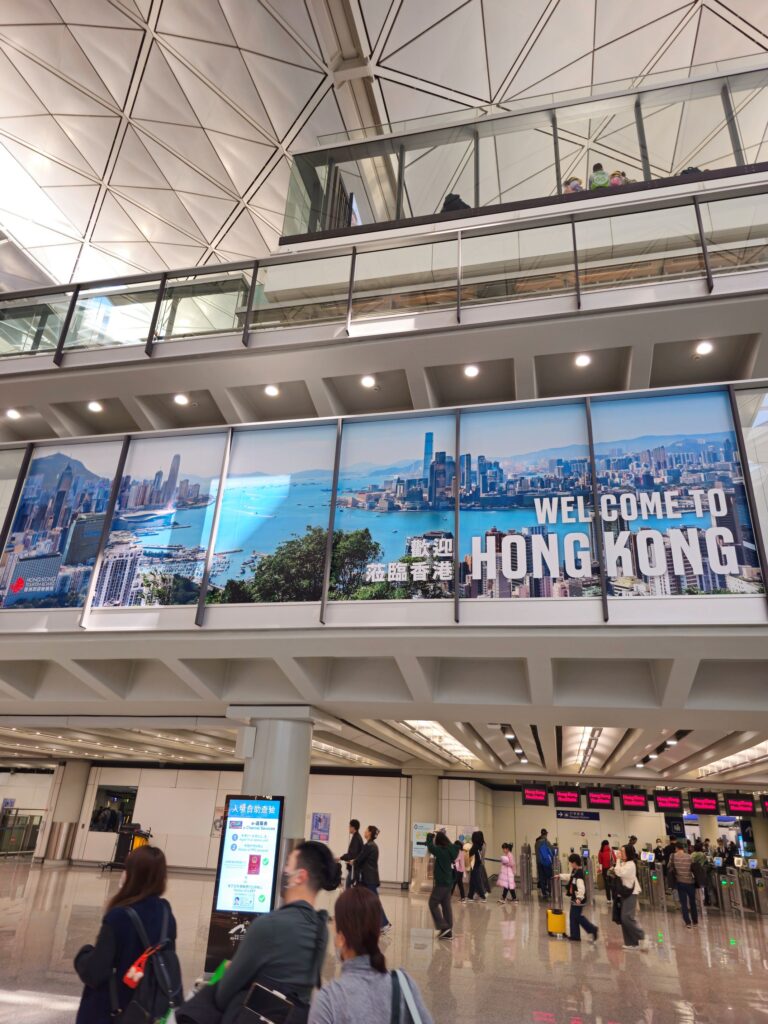
The return journey uses the same options in reverse, with a few departure-specific considerations.
Airport Express (Departure)
The Airport Express departure journey is made significantly more useful by the in-town check-in service at Hong Kong Station and Kowloon Station. Check in your luggage and receive your boarding pass at the city station, then travel to the airport unburdened. The service is available for most major airlines and operates from approximately 5:30am to 12:30am.
Allow sufficient time: the Airport Express journey is 24 minutes to Hong Kong Station, but factor in the time to reach the station, check in, and clear airport security and immigration on arrival. A general rule is to arrive at the airport 3 hours before international departure — which means leaving the city station approximately 3.5–4 hours before your flight.
A11 Bus (Departure from Hong Kong Island)
For departure from the Hong Kong Island side, the A11 bus from Central or Causeway Bay is the most practical budget option — I used this on my January departure and found it reliable. The key is identifying the correct bus stop for your departure point. In Central, the A11 departs from stops near Exchange Square and along Connaught Road — confirm the exact stop location with your hotel or check the Citybus website before departure day.
Departure timing: Allow for potential traffic delays on the Cross-Harbour Tunnel approach. For morning flights (before 10am), the A11 is reliable; for afternoon departures on weekdays, the potential for traffic delays means leaving slightly earlier than the minimum is prudent.
A25 Bus (Departure from Tsim Sha Tsui/Kowloon)
The A25 bus from Tsim Sha Tsui operates on the same route in reverse. Stops along Nathan Road are the primary departure points — confirm your nearest stop before departure day and allow time for the journey, which runs approximately 50–60 minutes under normal conditions.
At Hong Kong Airport: What to Know
Terminal Layout
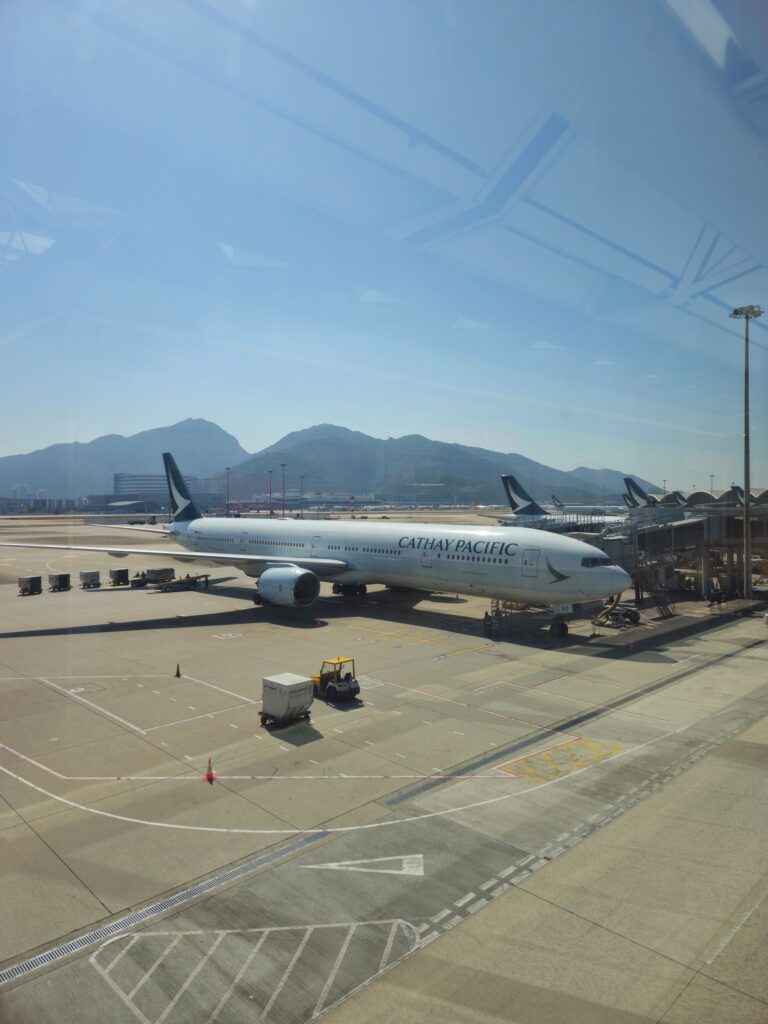
Hong Kong International Airport operates from a single main terminal building with two passenger halls — Hall A (gates 1–40) and Hall B (gates 40–70) — connected by a free automated transit system (the Automated People Mover). Allow extra time if your gate is in Hall B, which requires the people mover transfer from the check-in and immigration areas.
Shopping and Food
Hong Kong Airport is one of the best airports in Asia for pre-departure shopping — a significant retail area covering both halls, with a mix of international luxury brands, electronics, and local Hong Kong food and gift shops.
Kee Wah Bakery (奇華餅家): One of Hong Kong’s most beloved traditional bakeries, with a prominent location in the airport departure area. The butter cookies, wife cakes (老婆餅), and cocktail buns make reliable and well-packaged gifts — I bought a tin of butter cookies on departure in January and they survived the journey intact. The airport location is convenient for last-minute gift purchases; the packaging is designed for travel.
Other notable airport food options include branches of Hong Kong’s major cha chaan teng and fast food chains, providing one final opportunity for Hong Kong milk tea or a pineapple bun before departure.
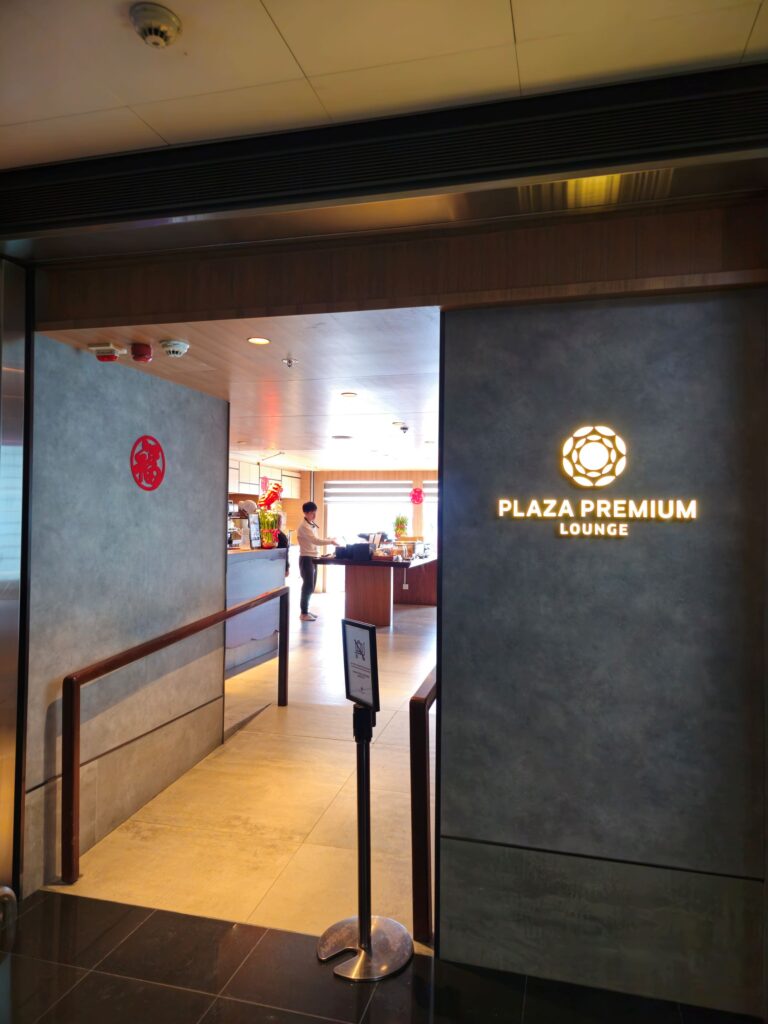
Plaza Premium Lounge
The Plaza Premium Lounge at Hong Kong Airport offers paid access to a comfortable lounge environment — food, drinks, shower facilities, and a quieter space than the general departure halls. Access is available by purchase at the lounge entrance (prices vary by duration), through lounge membership programs, or through certain credit cards and airline status levels.
I used the lounge on my January departure before my Asiana Airlines flight and found it a genuinely comfortable way to spend the pre-departure period — the food selection was adequate, the seating comfortable, and the relative quiet compared to the main terminal justified the access cost for a long pre-departure wait. Worth considering for anyone with a lengthy layover or who simply wants a calmer departure experience.
Location: Multiple lounge locations throughout the airport — check the airport map or ask at the information desk for the lounge closest to your departure gate.
Practical Summary: Which Option Should You Choose?
Arriving, heading to Tsim Sha Tsui:
→ A25 bus (affordable, direct, no transfer)

Arriving, heading to Central/Hong Kong Island:
→ Airport Express to Hong Kong Station
  (fastest, in-town check-in on departure)
  OR A11 bus (cheaper, slightly slower)

Arriving late at night or with heavy luggage:
→ Taxi (convenient, metered, reliable)

Departing from Central:
→ A11 bus (affordable) or Airport Express
  (use in-town check-in the day before)

Departing from Tsim Sha Tsui:
→ A25 bus or Airport Express from
  Kowloon Station (in-town check-in available)

Tight connection or early morning flight:
→ Taxi or Airport Express (most reliable
  timing, least traffic dependency)
Final Thoughts
Hong Kong Airport’s transport connections are genuinely excellent — the combination of a fast dedicated rail link, a comprehensive bus network, and reliable taxis means there’s a good option for every situation and budget. The Airport Express in-town check-in service is one of the most useful airport conveniences available anywhere, and planning your departure around it makes the experience considerably smoother.
For most first-time visitors arriving in Tsim Sha Tsui, the A25 bus represents the best balance of cost and convenience. For those heading to Central or prioritizing speed, the Airport Express justifies its higher cost. And for the departure journey, leaving slightly more time than seems necessary — Hong Kong traffic is unpredictable — is the single most useful piece of advice.
Tsim Sha Tsui Travel Guide: The Best Neighborhood in Hong Kong for First-Timers
Central Hong Kong Neighborhood Guide: Everything You Need to Know