

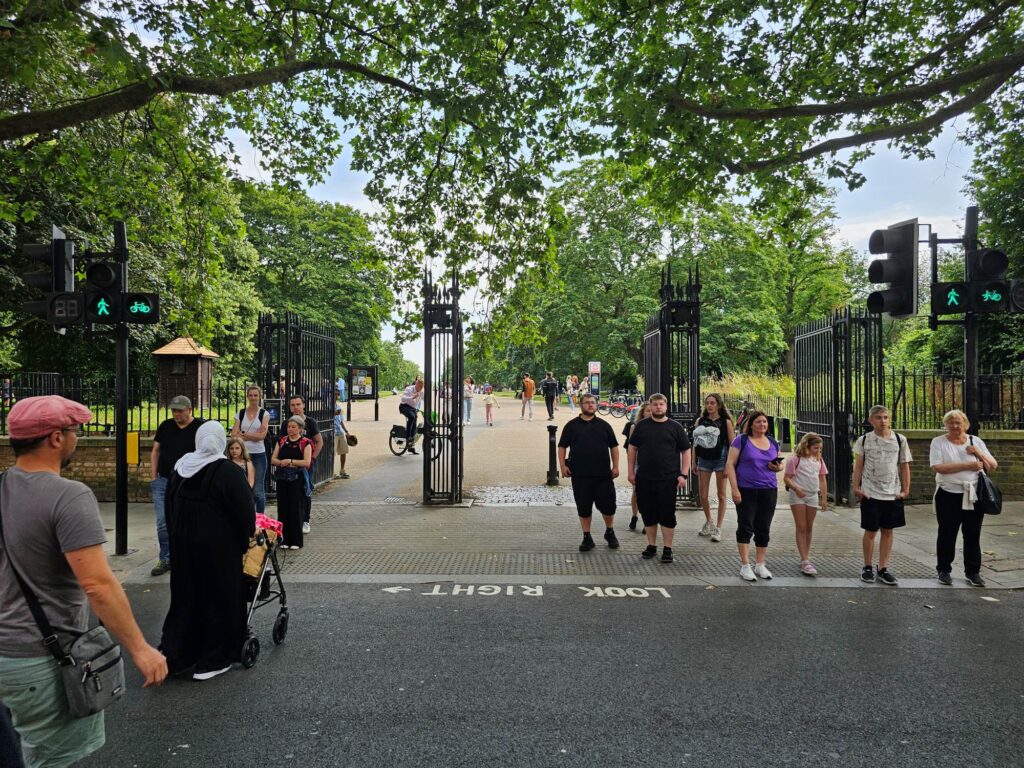
Nestled between Hyde Park and Kensington Palace, Kensington Gardens offers a perfect blend of natural beauty, royal history, and cultural landmarks. Once the private gardens of Kensington Palace, this elegant green space is now one of London’s most beloved Royal Parks, welcoming both locals and tourists year-round. Strolling through its tree-lined avenues, tranquil ponds, and expansive lawns, it becomes easy to see why this park is cherished by so many. Whether you’re an art lover, a history buff, a nature enthusiast, or a family with kids, Kensington Gardens has something for everyone.
Origins and Royal Legacy
Originally part of Hyde Park, Kensington Gardens was separated in the early 18th century by order of Queen Caroline, wife of King George II. She commissioned a redesign of the land to create a formal landscape garden for Kensington Palace, transforming the area with tree-lined avenues, ornamental flower beds, and the creation of the Round Pond. Over time, Kensington Gardens evolved with influences from successive monarchs and landscape designers, becoming a refined mix of naturalistic and geometric layouts. Today, it retains its regal charm while remaining accessible to the public.
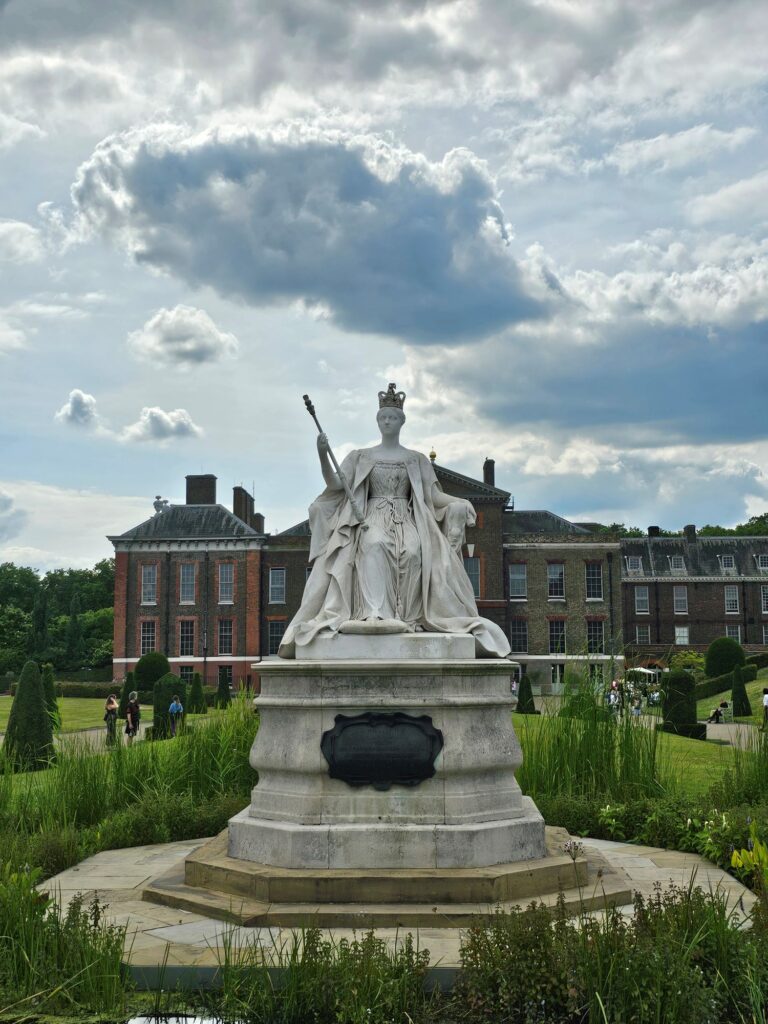
Kensington Gardens’s royal connections run deep—Kensington Palace has been a residence of the British royal family since the 17th century. Queen Victoria was born here in 1819 and spent her childhood in the palace under the strict “Kensington System” designed by her mother, the Duchess of Kent. The palace was the backdrop for many of her early formative years and the place where she learned about governance and royal duties. When she became queen in 1837, she held her first Privy Council meeting in the palace’s Red Saloon, marking the beginning of the Victorian era. Her deep connection to Kensington Gardens laid the foundation for its transformation into a symbolic site of British royalty.
Serene Natural Landscapes
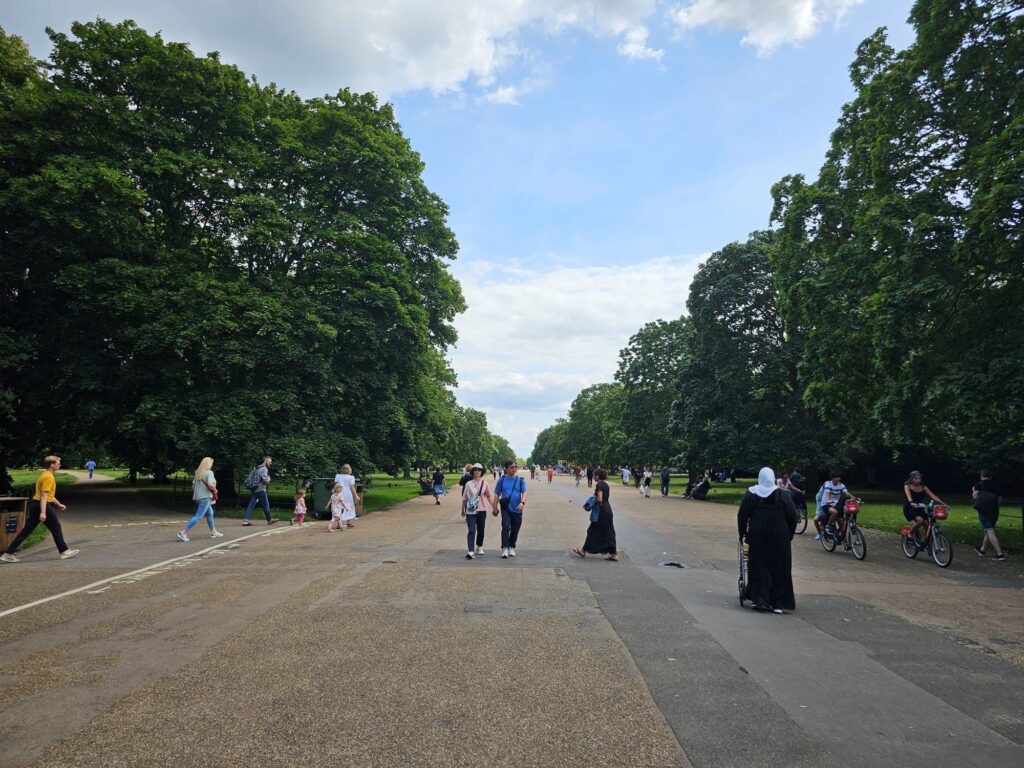
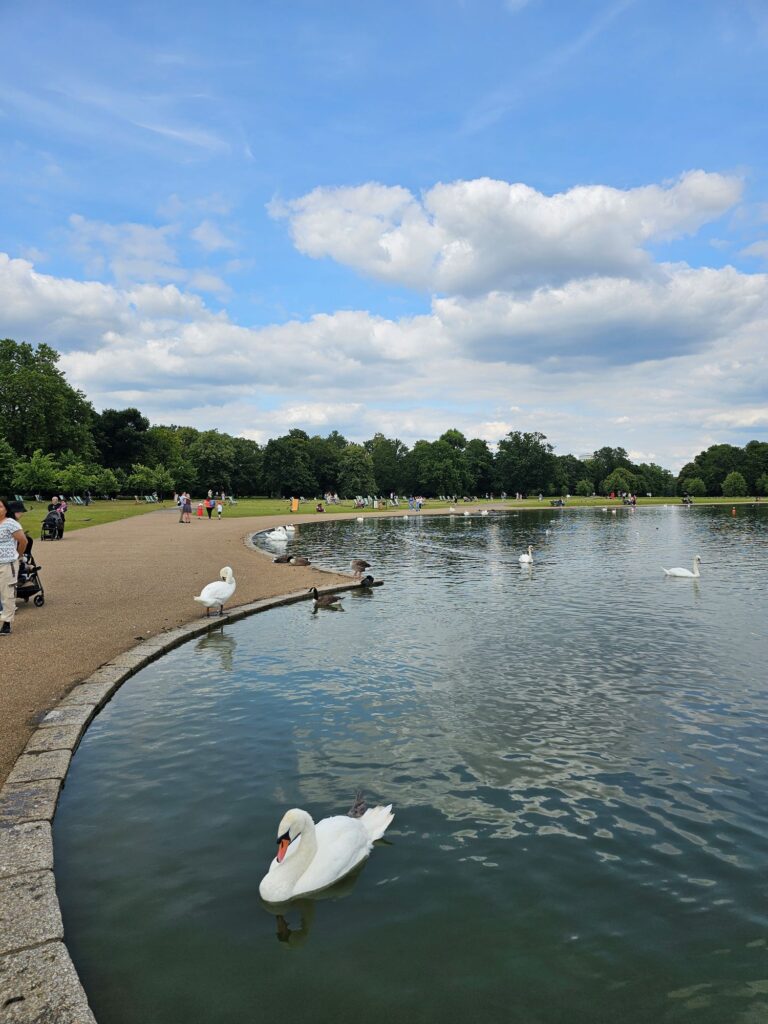
Kensington Gardens spans over 270 acres, offering lush lawns, mature trees, and quiet corners that contrast the bustle of central London. The Round Pond, a large ornamental lake, is a focal point for visitors and wildlife alike. Swans and ducks gracefully glide across its surface, while children enjoy feeding them from the edges. The Long Water, extending into Hyde Park’s Serpentine Lake, adds to the sense of openness and calm. Seasonal blooms, manicured flowerbeds, and shaded walks make it a year-round destination for those seeking peace in the city.
In spring and summer, Kensington Gardens explode with color, with flowerbeds of tulips, roses, and wildflowers lining the walkways. In autumn, the changing foliage creates a warm palette of reds and golds, making it a favorite spot for photographers and nature lovers alike. Even in winter, its frosted paths and quiet ambiance offer a magical setting for a brisk walk or quiet reflection.
Iconic Monuments and Artworks
One of Kensington Gardens’s standout features is the Albert Memorial, a grand tribute to Prince Albert, consort of Queen Victoria. Designed by Sir George Gilbert Scott and unveiled in 1872, the Gothic Revival monument is richly decorated with sculptures representing continents, industries, and the arts. It faces the Royal Albert Hall across the street, reinforcing its status as a cultural landmark.
Another highlight is the statue of Peter Pan, a charming bronze sculpture by Sir George Frampton installed in 1912. Located near the Long Water, it commemorates the beloved character created by J.M. Barrie, who lived nearby. The statue is surrounded by playful fairies, squirrels, and rabbits, adding a touch of whimsy that delights both children and adults.
The Italian Gardens, located on the northern edge near Lancaster Gate, are a hidden gem featuring four elaborately carved stone basins, fountains, and classical statues. There’s also the Elfin Oak, a whimsical old oak tree carved with figures of fairies and woodland creatures, capturing the imagination of visitors for decades.
Kensington Palace and Royal Connections
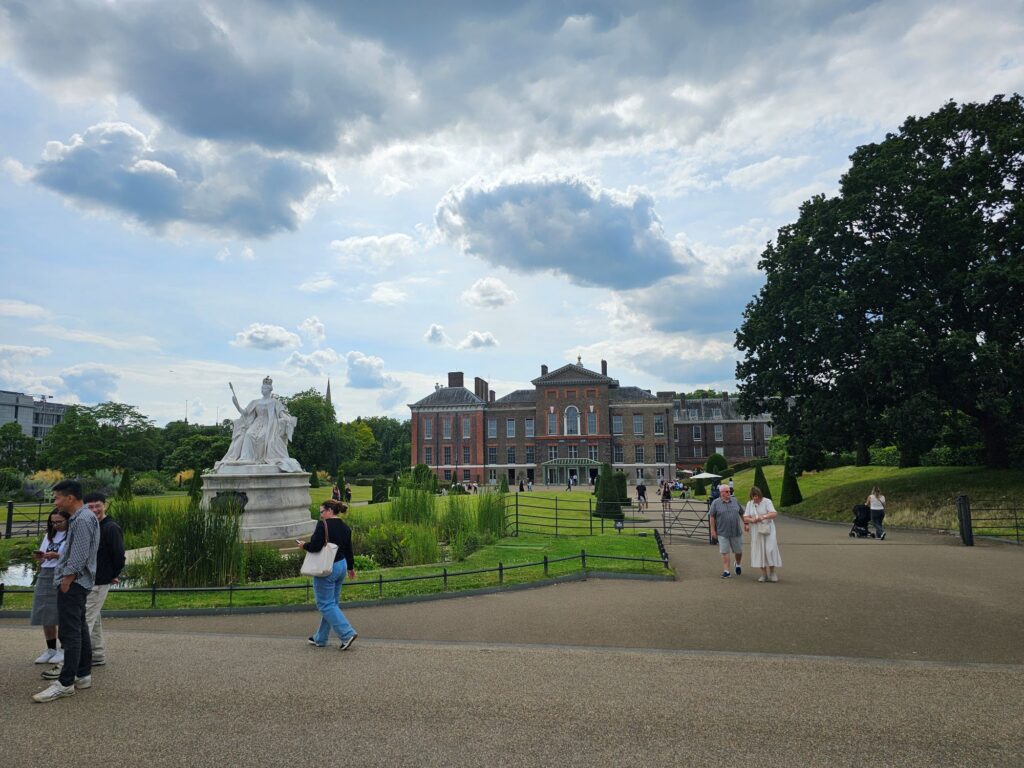
The gardens’ most famous resident is undoubtedly Kensington Palace, a working royal residence. Parts of the palace and its gardens are open to the public, including exhibitions and beautifully preserved state rooms. The palace has been home to many royals, including Princess Diana and currently Prince William and Princess Catherine. The gardens surrounding the palace are meticulously kept, offering visitors a chance to imagine royal life.
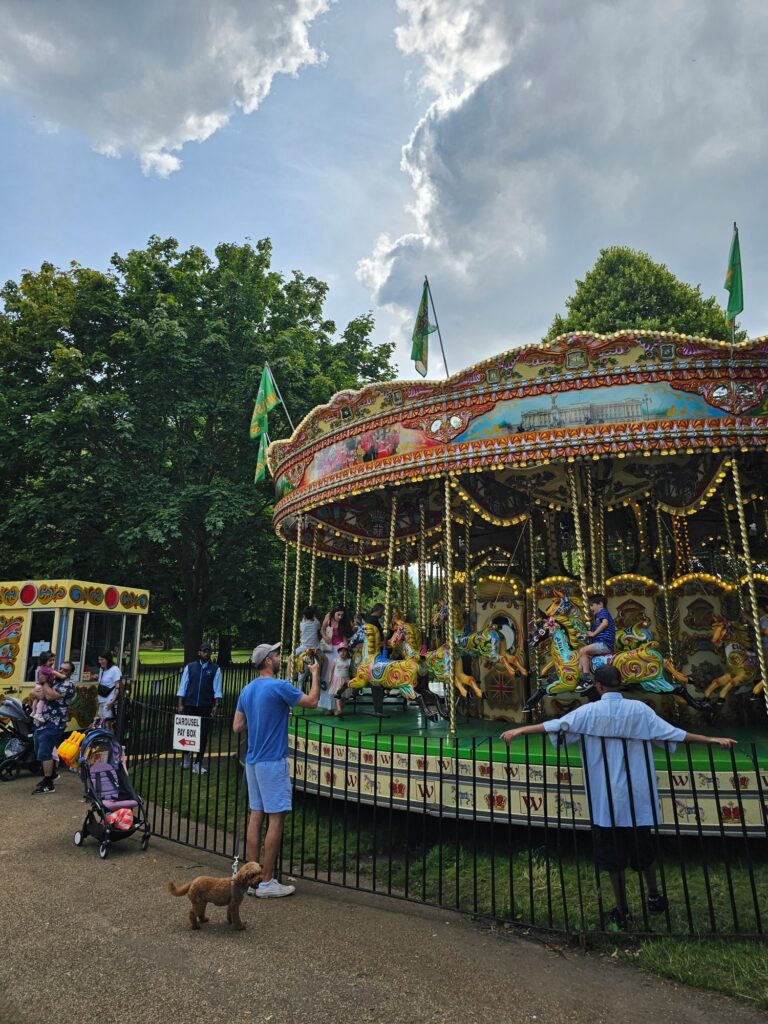
The Diana Memorial Playground, inspired by Peter Pan, is another popular attraction located in the northwest corner of the gardens. It features a large wooden pirate ship, teepees, sensory trails, and musical instruments, making it a favorite destination for families. The playground honors Princess Diana’s love of children and continues to provide a safe and fun environment for imaginative play.
Ideal for Leisure and Exploration
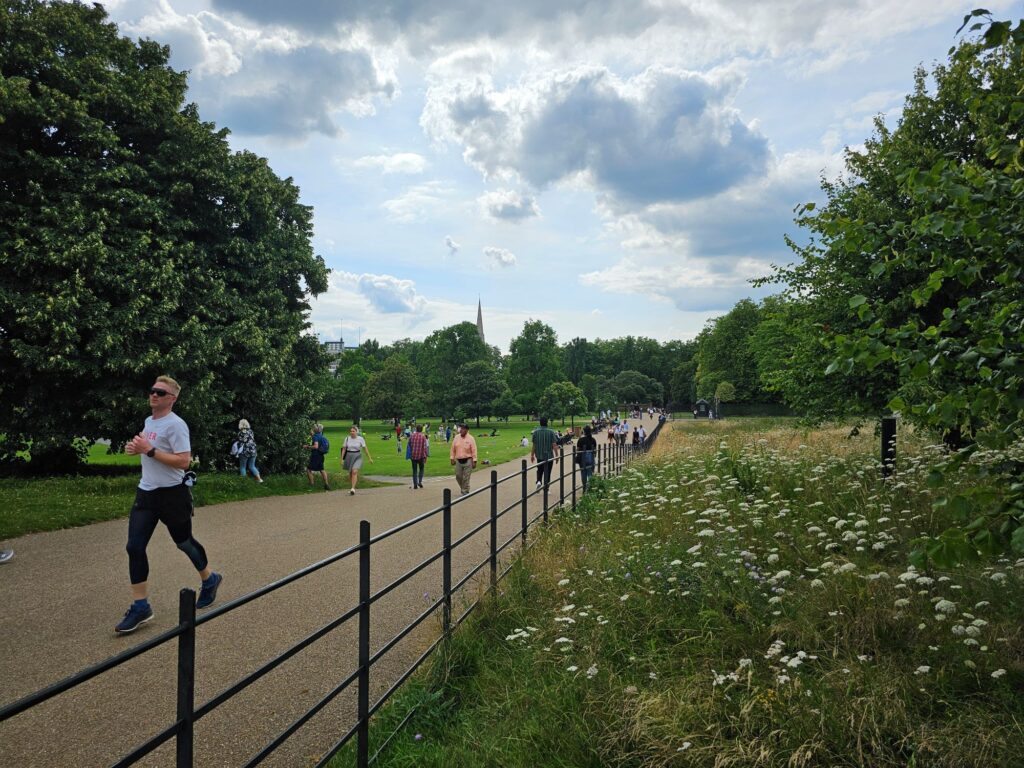
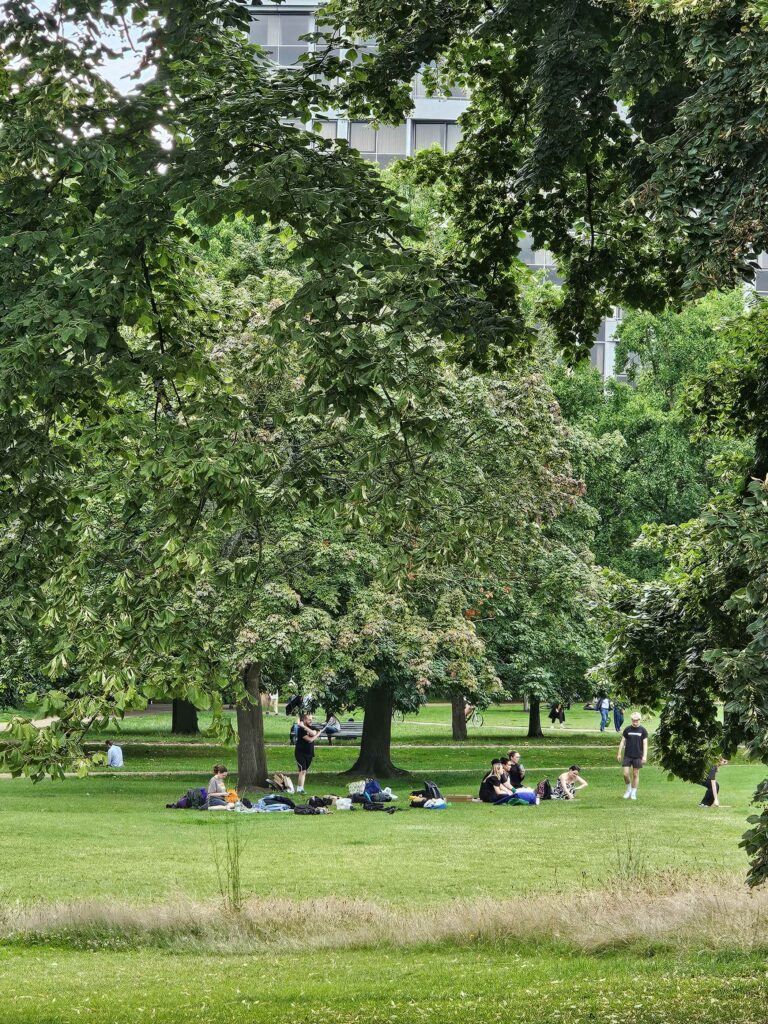
Kensington Gardens is ideal for casual strolls, picnics, and cultural exploration. It’s a favorite among joggers, dog walkers, and families. Numerous benches and shaded areas provide perfect resting spots, while wide paths and open lawns cater to larger crowds and events. The park’s thoughtful design encourages both active and passive enjoyment of nature.
Whether you’re reading a book under a tree, sketching near the Italian Gardens, or enjoying a picnic with friends, there are countless ways to relax and unwind. The park is also a venue for occasional cultural events, guided walks, and seasonal celebrations, further enriching the visitor experience.
Nearby Attractions
Kensington Gardens is surrounded by several cultural and historical attractions. The Serpentine Galleries—two contemporary art spaces—are located within the park and host rotating exhibitions by renowned artists. Just outside the gardens are the Royal Albert Hall, known for its concerts and events, and the Victoria and Albert Museum, the Natural History Museum, and the Science Museum—all within walking distance. These institutions make South Kensington one of the most culturally dense areas in London.
Shoppers will enjoy exploring nearby Kensington High Street, which offers a variety of boutiques, cafes, and bookstores. For those looking for more green space, Hyde Park continues seamlessly from the east side of Kensington Gardens, offering even more recreational opportunities including boating on the Serpentine and horse riding along designated trails.
Practical Information
- Location: London W2 2UH, United Kingdom
- Opening Hours: Daily from 6 AM until dusk
- Admission: Free entry
- Nearest Tube Stations: Lancaster Gate, Queensway, High Street Kensington
- Website: https://www.royalparks.org.uk/parks/kensington-gardens
Tuileries Garden, Paris: A Stroll Through French History and Elegance
Wallenstein Palace in Prague: A Baroque Gem Amid Political Power and Garden Serenity